

Comprehensive Sexuality Education as truthtelling in love
In All About Love, bell hooks writes that there is no love without truthtelling. I have often heard very loving adults strongly adamant against Comprehensive Sexuality Education because of fear that talking about sexuality with our children will encourage more promiscuous behaviors. I don’t antagonize adults with this argument; I believe they come from a genuine place of concern.
But there is no love without truthfulness. If we love our children, opening truthful conversations about sexuality is essential.
When young children ask, "Paano po nagkaka-baby?" we feel a pull toward shyness. So instead of plainly explaining how babies are conceived, we say they are gifts from God, seeds planted in a garden, or simply what happens when two adults love each other. These are not lies, exactly—they are incomplete truths. And incompleteness doesn't reassure a child. It leaves a gap, which children fill with their own guesses, or with whatever they overhear from peers, or with whatever the internet tells them instead.
Children learn early on that there is no place for truthtelling when talking about sexuality.
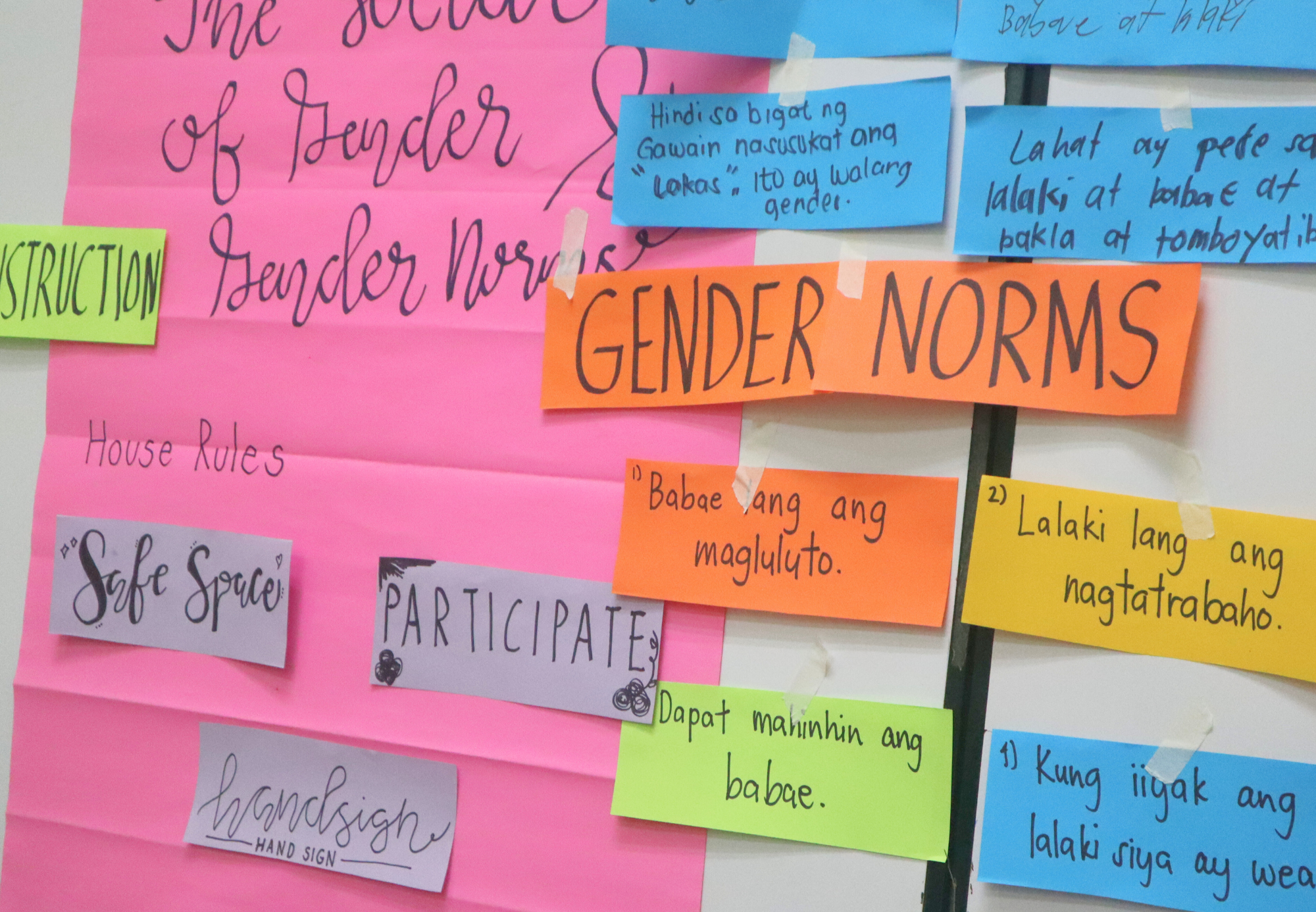
Those who explore ideas of sexuality are met with harsh criticism that they are shameful sinners and misguided. Of course, this is usually reserved for young girls. Society has already placed readily available labels for them, such as “pokpok” or “malandi.”
Young queers also don’t have it much better, as it’s usually a double whammy of “You have sinned” for them; strike one for being non-binary and strike two for exploring sexuality. And so we teach our children to lie. Exploring one’s sexuality becomes a dark secret. We tell children that adults are not allies in the exploration; they’re the sexuality police that must be avoided at all costs.
CONTINUE READING BELOW

I see this problematic culture of lying and secrecy about sexuality as antecedents that led to our current crisis in teenage pregnancy and sexually transmitted diseases. In 2026, the Philippines has one of the fastest-growing HIV epidemics in the world. Early this year, the Philippine Statistics Authority also reported 138,679 live births from young mothers aged 10-19. How could we address this?
We need to reimagine a society where truthtelling and acceptance of lived sexual realities are possible and normal.
How would narratives around sexuality change if we broaden the definition of sexuality from lustful sex to life-learning (learning from real lived life) of how humans—especially young people—explore themselves, their relationships, their bodies, and their embodied experiences in the world?
There is no love without truthfulness. If we love our children, opening truthful conversations about sexuality is essential.
Sexuality is not just about sexual intercourse or reproduction—it is a complex human experience about who we like and love, how we express liking and loving, how we feel in our bodies through our senses, how we identify with certain gender roles, how we express our identity, and how we navigate interpersonal relationships. This broader definition of sexuality implies that everyone has sexuality, even if you don’t have sex.
All of us have had experiences with sexuality that are not necessarily about sexual intercourse; and not to mind that sexual intercourse is also a normal human experience, even included as a biological need in Maslow’s Hierarchy of Needs.
Last year, we established the CSE Youth Defenders Network and provided training and resources to young people who were willing to engage in open, science-based conversations on sexuality. In one of our CSE 101 sessions, a young person noted how the sessions allowed them to ask questions they usually deferred to TikTok, Facebook, or Reddit. The questions they had were on issues of consent, safety, protection, and rights. I realized that open conversations on sex and sexuality do not make them more promiscuous, but they provide protection and allyship with trusted adults.
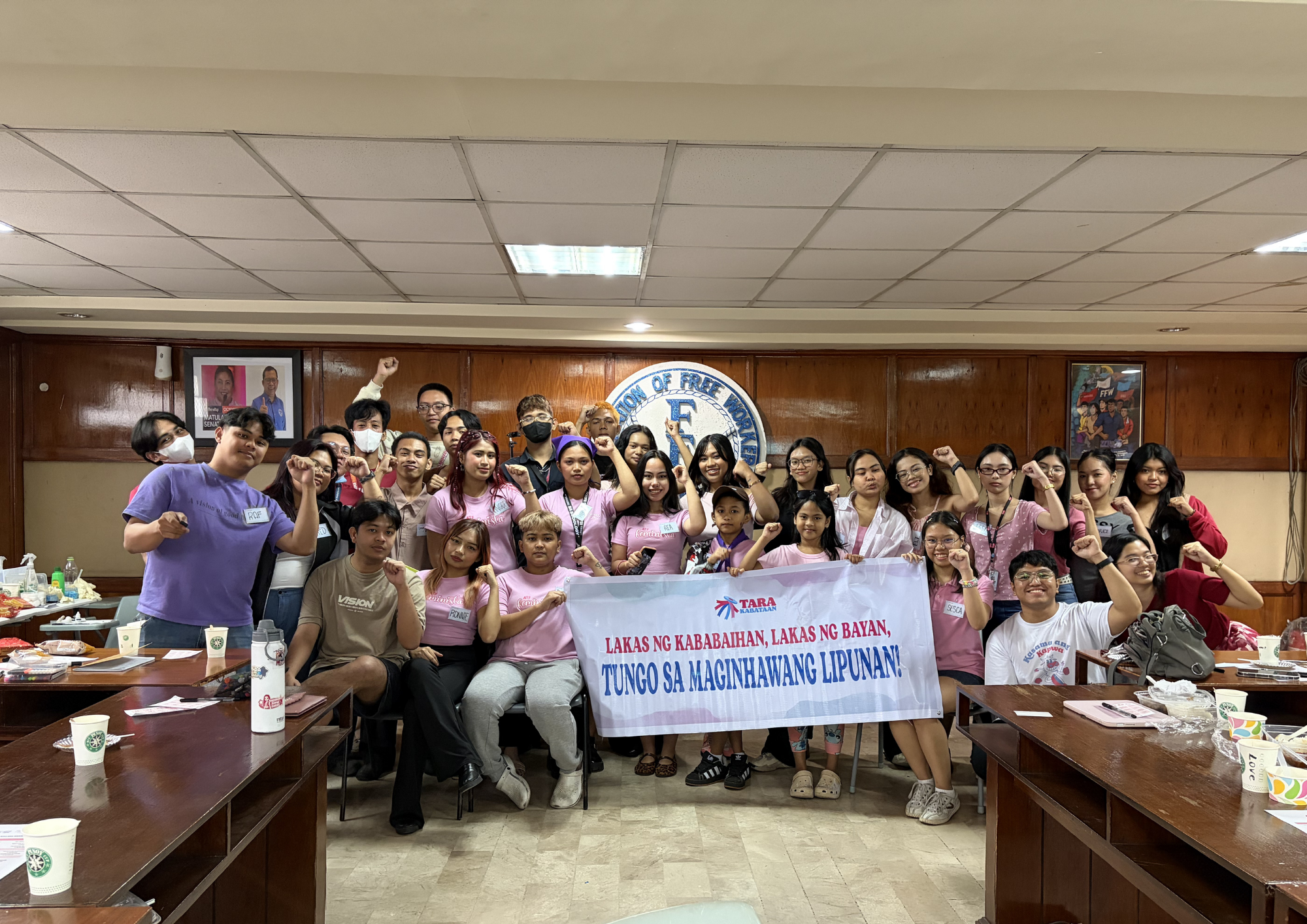
SRHR organizations have been fighting for the passage of the Adolescent Pregnancy Prevention Bill (HB 8910), with the original intention of including Comprehensive Sexuality Education in the proposed law. The APP bill is now moving through the 20th Congress—the farthest any adolescent pregnancy prevention bill has reached in the last few decades. However, there is a threat to remove CSE in the proposed bill due to demonizing narratives.
Conservative social media actors paint CSE as a threat to the purity of children’s minds. Anti-CSE groups plant moral panic by falsely assuming that conversations on sexuality will make the youth reckless hypersexuals. There are also claims that CSE—by teaching consent and bodily autonomy—threatens the Filipino family because parents will lose control over their children. These may be rooted in concern. But this concern has us resorting to fear-mongering, panic, and domination. These are not synonymous with love, but opposite to it. They shout how conversations on sex are immoral and sinful, yet the true evil is gatekeeping age-appropriate, culture-sensitive, and scientific information that may be beneficial for the youth’s decision-making. These thrive on fear, lack of mutual trust, and control—not love.
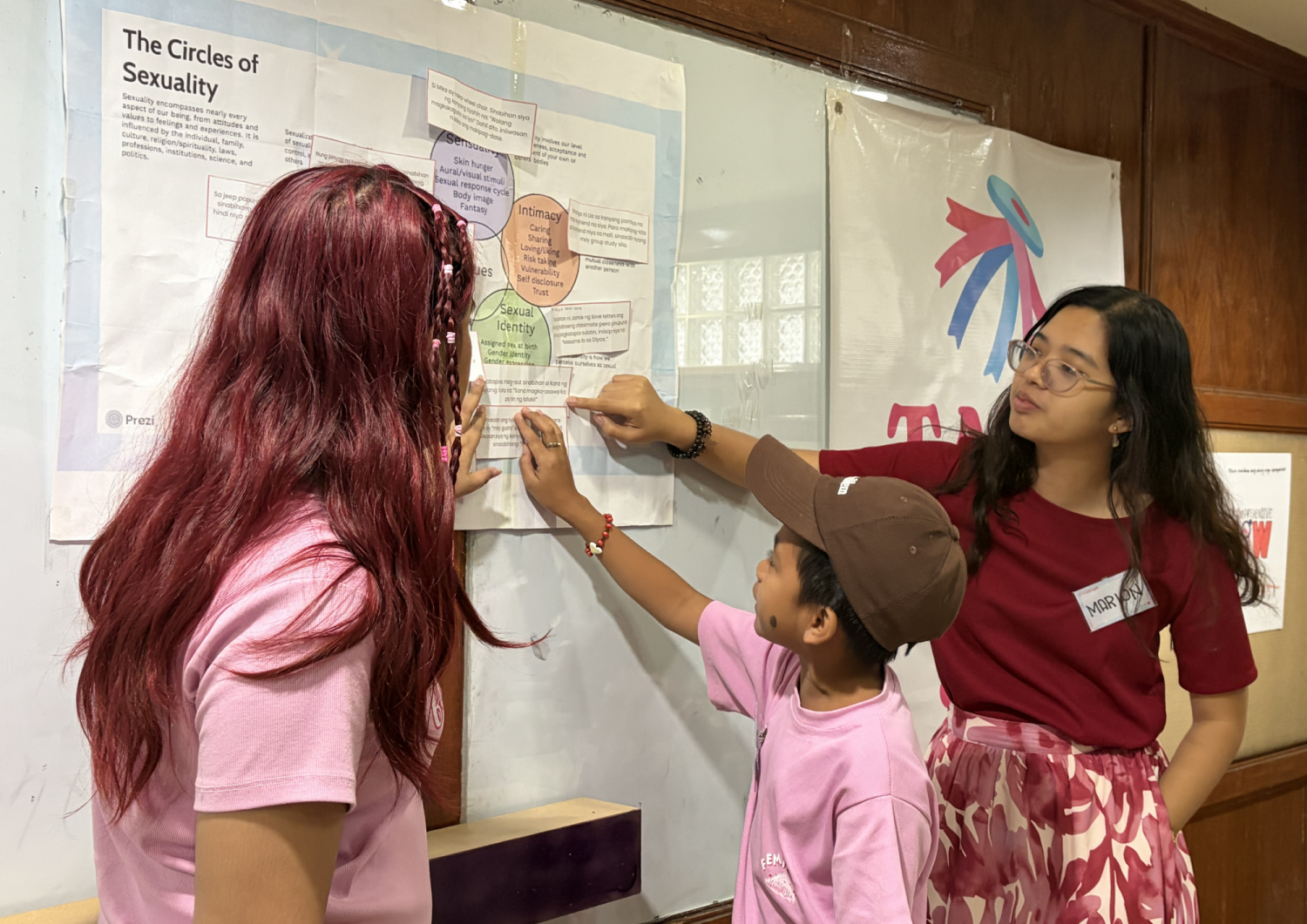
What gives me hope is we see more young people open to cultivating a culture of truthfulness. Our first pool of youth facilitators enjoined their communities to create their own CSE programs. Truthfulness not only protects the youth, but empowers them and builds community. Yes, we are in a crisis, but having a group of young people ready to move the conversation is a good start. Are our adults and policy-makers ready to nurture this openness?
Only in truthfulness can we develop loving relationships with our youth, where there is real protection and empowerment. Love cannot exist without truthtelling. Comprehensive Sexuality Education is not evil; instead, it teaches us truthtelling rooted in love.

WATCH: Why is it so hard to make friends? (Generations Ep. 26)
October 21, 2026