

EXPLAINER: What is the system loss charge on your Meralco bill?
President Ferdinand "Bongbong" Marcos Jr. made a strong pronouncement in his 2026 State of the Nation Address on July 27, addressing several issues that have drawn public concern, including the rising cost of electricity.
In his speech, Marcos called for the removal of the system loss charge from consumers' electricity bills. "Kung pagbawas ng presyo ang usapan, sa aking palagay, panahon na para tanggalin na natin ang system loss na pinapasa sa consumer," he said, prompting loud applause from the audience at Batasang Pambansa. "Pinapasa ito sa consumer at kinakarga sa bill na pinapatungan pa ng value-added tax. Hindi naman kasalanan ng consumer kung bakit nagkaroon ng system loss, kaya hindi naman tama na kailangan sila pa ang pagbabayarin dito."
He then demanded the immediate amendment of the Electric Power Industry Reform Act (EPIRA) to prohibit charging system loss to consumers.
The following day, on July 28, the Energy Regulatory Commission backed the President's call. "The ERC affirms its support for policy reforms that place the welfare of electricity consumers at the forefront," its statement read. "The Commission likewise recognizes the importance of pursuing measures that help reduce unnecessary costs while ensuring the viability of all distribution utilities and promoting a more efficient, affordable, and reliable power sector."
The Department of Energy also echoed Marcos' push to amend EPIRA, saying the law should be updated to better protect consumers from avoidable electricity costs. The agency pointed out that system loss charges "can be reduced through better infrastructure, modern technologies, stronger operational discipline, and more effective regulation."
"As utilities continue to modernize their networks through advanced metering systems, grid upgrades, digital technologies, and enhanced measures against electricity theft, system losses should steadily decline—allowing these efficiency gains to translate into meaningful savings for consumers while strengthening the overall performance of the power sector," it said. “The DOE believes that any amendments to EPIRA should strike the right balance between protecting consumers, delivering affordability, and maintaining a financially sound, reliable, and resilient electricity industry.”

For its part, Meralco EVP and COO engineer Ronnie Aperocho said the company respects the President's policy direction but emphasized that system loss is "not unique to any distribution utility but is a common operational aspect of the delivery of electricity, which affects the entire power industry."
"While distribution utilities like Meralco continue to invest in modernizing and upgrading facilities and deploying technologies that reduce system losses, a certain level of technical losses remains inherent in operating an electric distribution system," he continued, noting that Meralco has "consistently invested in system loss management initiatives, network modernization, and operational efficiencies" that allow it to keep its system loss below the 6.5% cap set by the ERC.
Aperocho added that Meralco remains open to discussions on the proposed reforms, expressing hope that these would balance consumer benefits with the operational sustainability of distribution utilities.
System loss charge, explained
The system loss charge covers the electricity lost as power travels from generation facilities to consumers. It's computed based on a customer’s kilowatt-hour consumption and accounts for about 5% of a typical Meralco bill,
System losses occur as electricity passes through long distances and various equipment before reaching homes and businesses. They may be technical losses, such as voltage and system stability issues, and energy lost as heat when electricity flows through wires and passes through transformers. They may also be non-technical losses, such as billing errors, electricity theft, and illegal connections.
The ERC sets a cap on the amount of system loss that utilities can recover from consumers, and any losses beyond that limit cannot be passed on through electricity bills.
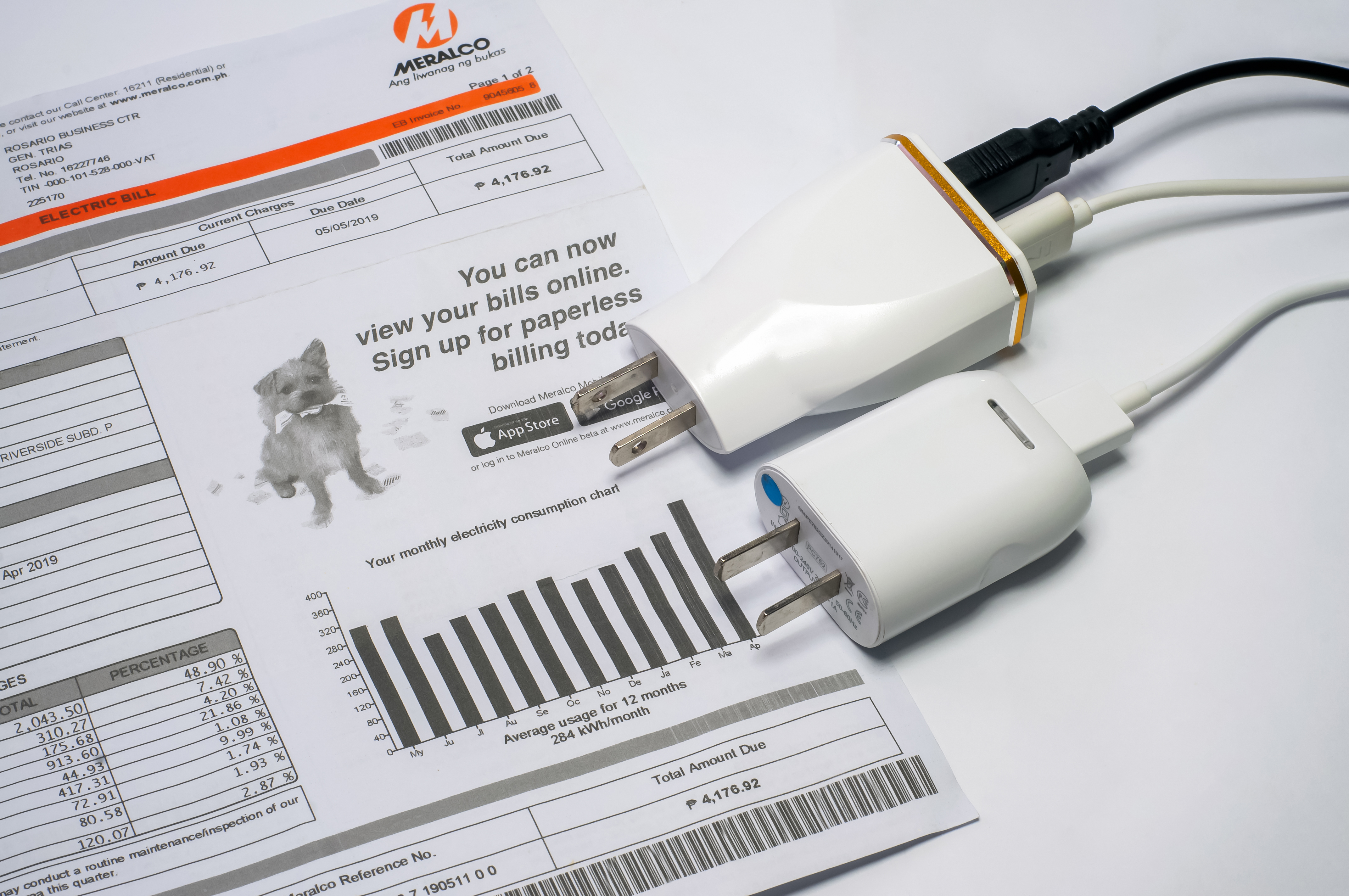
Only about 12% goes to the distribution utility for operating and maintaining its network, as well as for customer service, metering, and billing. The remaining 88% consists of pass-through charges—including generation, transmission, system loss, and government-mandated charges—that Meralco collects on behalf of power suppliers, the National Grid Corporation of the Philippines, and government agencies.
Meralco clarified that the system loss charge is a cost that it merely collects and does not profit from. It also noted that the charge is not unique to them but is imposed by all distribution utilities and electric cooperatives nationwide, and that any amount recovered from power pilferers is returned to customers through a reduction in the generation charge.
Several measures have been filed to reduce electricity costs.
Sen. Erwin Tulfo filed Senate Resolution No. 537 seeking an inquiry into the EPIRA provision allowing system loss charges to be passed on to consumers. He also filed Senate Bills No. 2239 and 2340 to repeal the Energy Tax Law and exempt system loss charges from the 12% VAT, respectively.
Sen. JV Ejercito likewise filed Senate Bills No. 2342 and 2343 seeking to remove system loss charges from consumers' electricity bills and exempt them from the 12% VAT.
In May, Sen. Risa Hontiveros filed Senate Bill No. 2076, which seeks to amend the National Internal Revenue Code to exempt system loss charges from VAT amid concerns over rising electricity costs. The bill defines system loss as the gap between the electricity delivered to the distribution system and the amount supplied to consumers. Hontiveros said VAT should not apply to system loss charges since they do not represent the consumption of goods or services.

WATCH: LGBTQIA+ people with unlikely professions
June 28, 2026
WATCH: Pixar Summer Fest adventure at Hong Kong Disneyland
August 10, 2026