

Yes, you’re not like other girls—you’re worse
When I was a kid, I used to preach that I hated makeup and anything pink because they were “too girly.” Back then, I thought it was harmless; something that simply made me different from the other girls. I wore my dislike for anything feminine like a badge of honor, as if rejecting pink meant I was somehow stronger, smarter, or better.
But growing up, I realized that this wasn’t just a random preference. It was internalized misogyny, a subtle way society teaches women to hate traits associated with their own gender.
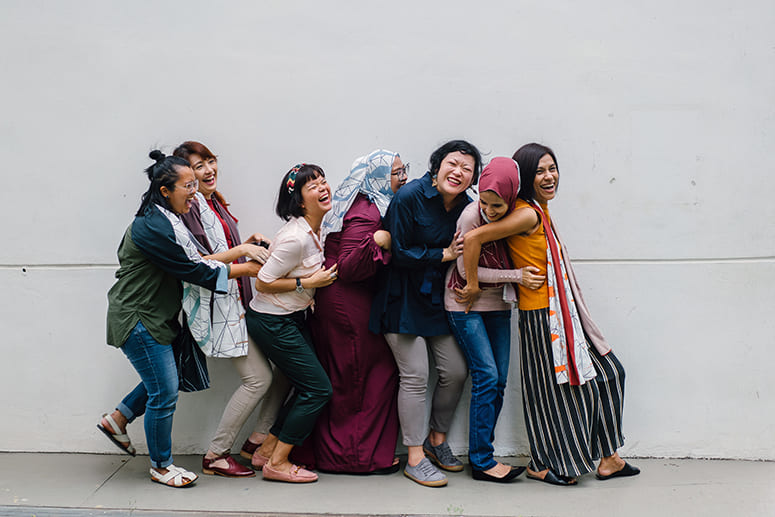
Misogyny is not limited to domestic violence, dismissing women’s ideas in the workplace, or assuming that men make better leaders. It also manifests in how women feel the need to distance themselves from other women to be seen as “better.” It’s present in the jokes about “not being like other girls,” or in the pride of being the “cool girl” who avoids girls’ drama, makeup, or clubbing. These small, seemingly harmless statements reinforce the notion that certain ways of being a woman are superior to others.
Unlearning internalized misogyny begins when we stop seeing womanhood as a competition and start seeing it as a shared experience shaped by choice, complexity, and freedom.
Take, for instance, a common trend on social media platforms like TikTok. In the videos, women post clips of themselves often studying, enjoying nights at home, or simply sharing snippets of their daily lives paired with captions such as, “To my future boyfriend, don’t worry. Your girl is doing well. She doesn’t go to clubs, doesn’t do hook-ups, and is focusing on becoming the better version of herself.”

At first glance, these posts seem harmless, even admirable. But let’s be honest, it’s a performance of virtue; moral hierarchy dressed up as discipline. On closer look, it becomes less about self-improvement and more about proving moral superiority. The message beneath the surface is clear: “I’m a good woman because I don’t behave like them.” The harm is not in staying home or avoiding certain choices, but in using those decisions as proof of being more respectable, worthy, and pure. In trying to uplift yourself, you end up stepping on other women.
These statements are harmful affirmations of a system that pits women against one another. A woman who goes to clubs or explores her sexuality is not doing anything wrong—but when another woman says, “I’m better because I don’t,” she unknowingly reinforces the patriarchal idea that women exist to meet male standards of purity and restraint.

We have to start being reflective about how we frame our statements. There’s a thin line between preference and prejudice. If I say I don’t like pink because it’s too bright, that's simply my taste. But if I say I don’t like pink because I’m not like other girls, that’s misogyny talking through me.
Self-respect that depends on other women’s degradation is not empowerment. When we claim we are better because we don’t do what they do, we’re still playing by the rules the patriarchy set for us. We’re still seeking validation from a system that divides women into the good and the disposable.
Yes, patriarchy planted the seed, but we have been watering it ourselves. Ignorance is no longer an excuse. We cannot claim empowerment while using the language of oppression. We cannot talk about self-worth while measuring it against the choices of others.
To the girl who chooses quiet nights over loud rooms, that’s valid. To the one who dances her heart out under neon lights, that’s just as valid and worth respecting. Your value is not up for debate. If we talk about preference, then we must honor others’ preferences without belittling them.
Unlearning internalized misogyny begins when we stop seeing womanhood as a competition and start seeing it as a shared experience shaped by choice, complexity, and freedom.

WATCH: Save for retirement or enjoy life now? (Generations Ep. 21)
September 16, 2026