

Filipino media needs more diverse portrayals of autism
If you ask Filipinos to name fictional characters with autism, many would immediately think of the titular character of Budoy (2011), Boyet from My Special Tatay (2018), and even Manong Matmat from the recent Filipino adaptation of the Korean hit series It’s Okay Not To Be Okay (2025). However, neurotypical people with no knowledge of the different kinds of disabilities often use these nicknames to ridicule real people with special needs. With all the TV series and films being made about people on the spectrum, does Filipino media accurately portray them, or is it only creating stereotypes?
In 2019, the “Boyet Challenge” emerged on social media, where users mimicked the mannerisms and speech style of the fictional character for likes and views. It created heated debate among advocates and ignorant participants; the latter defended themselves by saying they’re only acting out how people with autism and intellectual disability behave. GMA Entertainment released a statement joining the Autism Society Philippines in condemning the trend and its participants, with the organization calling the challenge “thinly-veiled instruments of ridicule of those who live with autism and intellectual disabilities.”
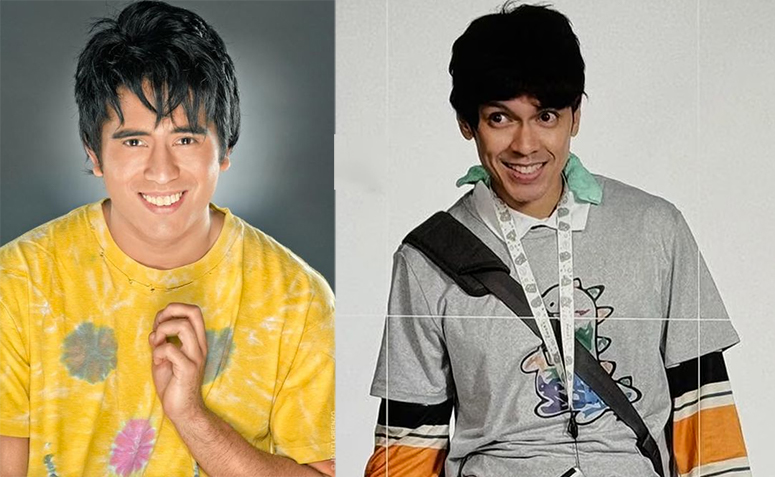
As a major source of information, mass media is instrumental in shaping public opinion, raising awareness, and even challenging longstanding preconceived notions. Such stereotypical narratives, like constantly portraying characters with disabilities as pitiful, can cultivate shallow perceptions. Insensitive internet trends like the “Boyet Challenge” not only reduce neurodivergent people to mere amusement but also generalize their condition.

Autism is far beyond the stereotypical checklist of traits often found in diagnostic manuals and popular media. Individuals on the autism spectrum may have similar characteristics, but they are people with distinct and unique personalities. Some people on the spectrum are capable of being independent, while others need lifelong care and support—this doesn’t make either group unworthy of the same respect and fair treatment.
Often, Filipino media recycle characters without adding depth to their personalities. Storylines seem to tick only surface-level boxes: a neurodivergent character is always a boy, he is always bullied, he has the same mannerisms, and his parents have a hard time dealing with him.

Although there is nothing wrong with this (since someone out there exists just like this character), there is also a need for diversity to cater to a wide range of audiences and to educate viewers that people with autism are not all the same.

“(Autism representation) still needs work in terms of showing more diverse portrayals of autism, as much as I do appreciate what I have seen so far,” Pia Cabañero, a young creative who’s on the spectrum, told Young STAR.
As we commemorate World Autism Day this April, it’s time we recognize that autism is far beyond the stereotypical checklist of traits often found in diagnostic manuals and popular media.
She advocates for stories about women on the spectrum, such as the 2019 film Unforgettable, starring Sarah Geronimo as a young woman with autism. Pia recounted meeting with the film’s screenwriters, producers and directors, who approached Autism Society Philippines to consult with girls on the spectrum.
“It’s a very sweet movie for what it is, and I really like that you get to explore the perspective of a woman on the autism spectrum who tends to be stuck with her routines. She tends to have outbursts when things aren’t familiar to her.” she said.
Pia, who was the 2018 winner of Miss Possibilities, the Filipino beauty pageant for young women with special needs, also wished to see characters not often shown in the media, like trans or gay individuals on the spectrum. “Just imagine a Billie and Emma where one of them is autistic. That would be interesting,” she added.
While there are already multiple respectful portrayals of people with autism, diversity remains a work in progress. Aside from characters of different genders and sexual orientations, Philippine media also lacks stories depicting the weighty expectations they face, like being pressured to mask their traits to fit neurotypical standards better, as well as stories authored by people with autism themselves.
If there’s anything Pia would advise the film industry, it would be to consider balancing entertainment with commentary and better express the lived reality of the community. Who are people on the spectrum beyond their typical portrayals? How do they deal with their overwhelming emotions and feelings? What do they want to tell the complicated and unaccepting world?
She added that writers, producers, and directors who write characters with autism must diversify the people they consult since everyone’s experiences are unique, and the voices of those who aren’t necessarily tied to any organizations also matter. Still, Pia is hopeful about seeing more diverse characters soon to be made.
The media both reflect and shape the world we live in. It can entertain, but also educate and make the people who relate feel seen. It’s time that this power is taken more seriously.

WATCH: Do you still believe in marriage? (Generations Ep. 17)
August 19, 2026