

When daily commute becomes a public health risk
If Dante were Filipino, his Inferno would have an extra circle of hell reserved for the EDSA commuter—trapped in a bus with a broken air-con, breathing exhaust, clutching the last ounce of sanity as traffic moves one inch per minute.
Welcome to Metro Manila, where the average worker spends more time commuting than resting, and where the true cost of a P50 fare isn’t just money—it’s health, dignity, and time you will never get back.
The daily torture commute
Let’s be honest: the Metro Manila commute has become one of the most punishing daily experiences in the developing world.
Trains break down mid-ride. Buses stop indefinitely at every corner. Jeepneys crawl in gridlock beside delivery riders risking life and limb between lanes. A car-centric system suffocates everyone—drivers, commuters, cyclists, and pedestrians—in equal misery.
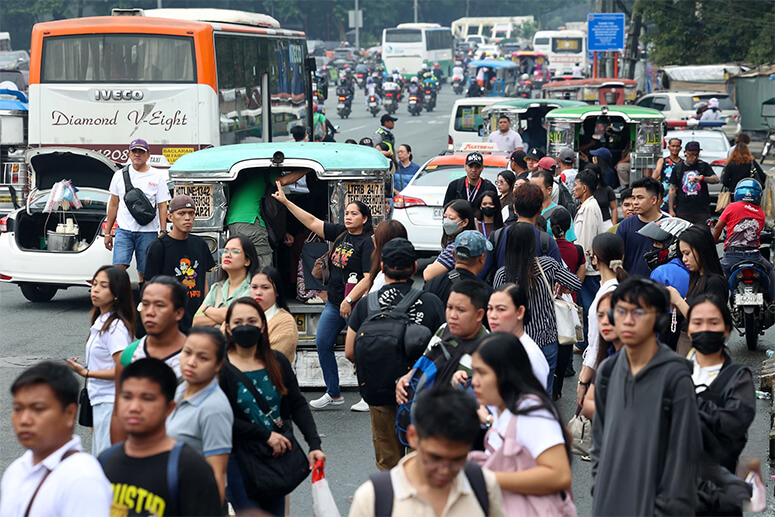
This is not mere inconvenience. It is a metropolitan nervous breakdown, lived one ride at a time.
CONTINUE READING BELOW

Commuting has become toxic—physically and mentally. Every day, millions of Filipinos endure a punishing mix of air pollution, heat exposure, dehydration, awkward body positions, and relentless psychological stress, all to earn wages barely enough to repeat the ordeal tomorrow.
When mobility becomes inequality
Public transport should be society’s great equalizer—the bridge to education, employment, and opportunity. In the Philippines, it has become the opposite.
The poorer you are, the longer and harder your commute.
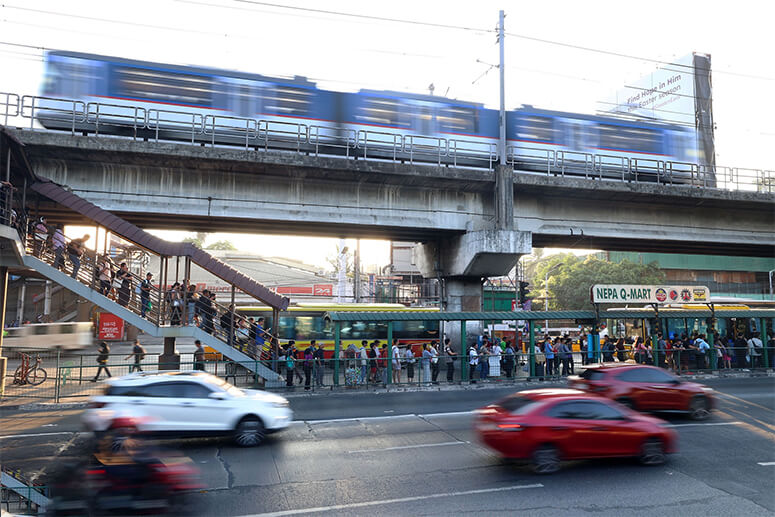
A call-center worker from Bulacan or Cavite easily spends four to six hours a day in transit. That’s half a work shift lost—not to productivity, but to survival. This “time tax” on the working poor is enormous, paid not in pesos but in lost sleep, chronic fatigue, and missed family dinners.
Meanwhile, those who can afford private cars glide by in tinted comfort. Our cities were designed around their convenience. The rest are left to suffocate in queues longer than their pay slips.
The health toll no one counts
We talk endlessly about productivity, but rarely about the physiological cost of commuting.
Occupational health studies consistently link long commutes to:
- Higher blood pressure and increased heart-disease risk from chronic stress and prolonged sitting.
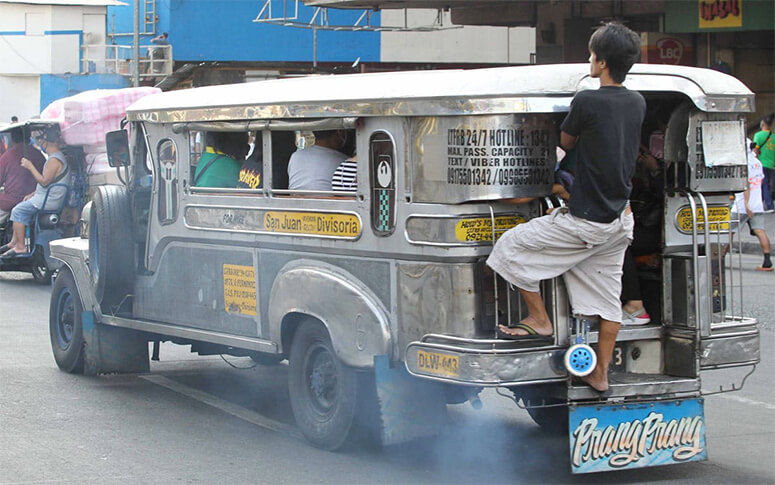
- Respiratory illness from daily exposure to fine particulate air pollution—equivalent to smoking several cigarettes a day, obesity and metabolic syndrome as commute time replaces exercise and home-cooked meals.
- Anxiety, depression and burnout, especially among shift workers and women navigating unsafe travel conditions.
Air pollution levels in Metro Manila breach safe limits on most days of the year. That smog you inhale while waiting for a jeep is not just unpleasant—it is slow-acting poison.
Every traffic jam, every broken train, is not merely an inconvenience. It is a public-health emergency in slow motion.
The cost of being late—in life
Let’s do the math.
Three hours of commuting a day equals 15 hours a week—about 780 hours a year. Over a 30-year working life, that’s nearly two and a half years spent in traffic.
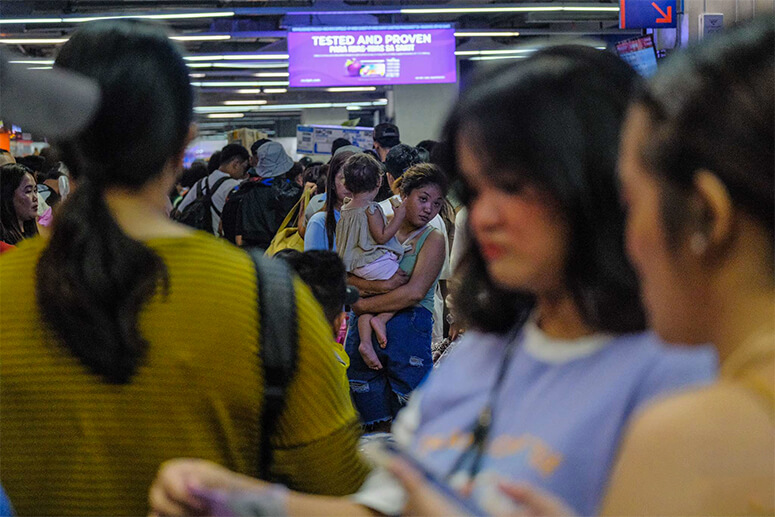
Two and a half years not spent with children. Not resting. Not living.
The invisible costs accumulate: fatigue that dulls thinking, irritability that strains relationships, burnout that spills into every corner of life.
And yet, the system blames the commuter:
“Umalis ka kasi ng maaga.” (You have to leave early)
“Traffic talaga.” (Traffic is really bad)
“Tiisin mo na lang.” (Just endure it)
But no culture of tiis (enduring it) can justify a system that steals human time and calls it normal. The right to mobility is not a luxury — it is the foundation of participation in society.
Commuting is a human-rights issue
The right to “just and favorable conditions of work” does not end at the office door. Safe, dignified and accessible transportation is part of that promise.
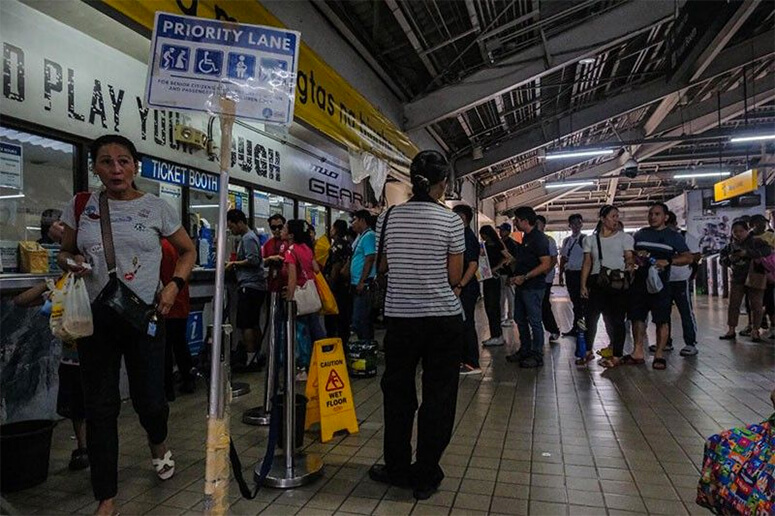
When you cannot reach your workplace without risking your health or sanity, your economic rights are already compromised.
In modern urban life, mobility is survival. It links people to healthcare, education, livelihood and community. To deny safe transport is to deny access to opportunity itself.
As one urban reformer famously said: " A developed country is not one where the poor have cars, but where the rich use public transport.
By that measure, we are far behind.
The psychological weight of powerlessness
Perhaps the most corrosive part of the Filipino commute isn’t the heat or the crowding—it’s the loss of control.
You can plan your morning perfectly, only for one broken train to derail your day. You can budget your fare, but not the fare hike. You can endure—but you cannot escape the certainty that tomorrow will be the same.
Mental-health experts call this learned helplessness: when people stop trying to improve their situation because every effort feels futile. Over time, resignation becomes cultural. We lower expectations. We stop demanding better systems. We even joke about our misery—because humor is the last coping mechanism left.
But chronic helplessness is deadly. It fuels anxiety, depression, apathy—the emotional symptoms of a nation gridlocked not just in traffic, but in progress.
From Carmageddon to Cardiometabolic disease
From a medical perspective, the picture is grim.
Prolonged sitting, irregular meals, dehydration, air pollution, and daily stress hormones create the perfect storm for hypertension, insulin resistance, and vascular inflammation.
When we say traffic is giving us heart attacks, it is not metaphor. It is pathophysiology on the highway.
Transport policy is health policy. Every minute shaved off a commute is cortisol reduced, blood pressure lowered, and mental clarity restored.
Who really pays the fare?
Each fare increase is justified as “necessary for sustainability.” But sustainability for whom?
When minimum wage barely rises, a P50 one-way fare can consume almost a fifth of a worker’s daily income. For many, the cruel math becomes: ride to work—or eat lunch.
The real fare is not P50. It is cumulative exhaustion, medical bills, lost opportunities, and fractured families.
That is what Filipinos pay every day.
A vision beyond survival
It does not have to be this way.
Other cities—Seoul, Singapore, even Jakarta—have transformed mobility through sustained investment, strong governance, and accountability. They stopped glorifying resilience and started demanding efficiency.
Imagine trains that run on time. Sidewalks wide enough for wheelchairs and strollers. Bike lanes that are not parking lots. A country where commuting is not an act of endurance, but of confidence.
That is not utopia. That is simply good governance.
Final stop: dignity
In the end, this is not just about traffic. It is about dignity.
A society that normalizes daily suffering has lost its moral compass. When commuting feels like punishment for being poor, mobility ceases to be a public service—it becomes social injustice.
We deserve more than survival. We deserve a country where getting to work does not break our bodies or spirits.
Because every time we shrug and say, “Ganito talaga sa Pilipinas (It’s really like this in the Philippines),” we surrender another piece of our humanity to the gridlock.
The P50 fare may get you to your destination.
But the real cost is the life you lose along the way.

WATCH: Discovering Vietnam in three days
June 9, 2026
WATCH: How to experience Bangkok and Kanchanaburi in one trip
October 21, 2026
WATCH: Is Gen Z too soft? (Generations Ep. 23)
September 30, 2026