

[OPINION] Duterte impeachment trial Day 1: Language of politics
It's too early to make an educated conclusion whether Vice President Sara Duterte would get the ax in one or all of the four impeachment cases seeking to eliminate her in the 2028 presidential elections.
It's also too early to conclude that, judging from the alertness and the sharpness of her legal counsel at the opening of the trial, Duterte may get an acquittal.
Both the prosecution and the defense panels were obviously gearing for their respective missions: a conviction or an acquittal.
The first day is too early for anything, but it spoke volumes about the level of preparations the two camps had taken in arguing their respective cases. The first day was a giveaway.
Never mind the criticisms hurled against the choice of senator-judge Chiz Escudero as the presiding officer of the impeachment trial. We would know by the end if he had struck a deal with the Marcos administration in exchange for the many legal cases hovering over his head.
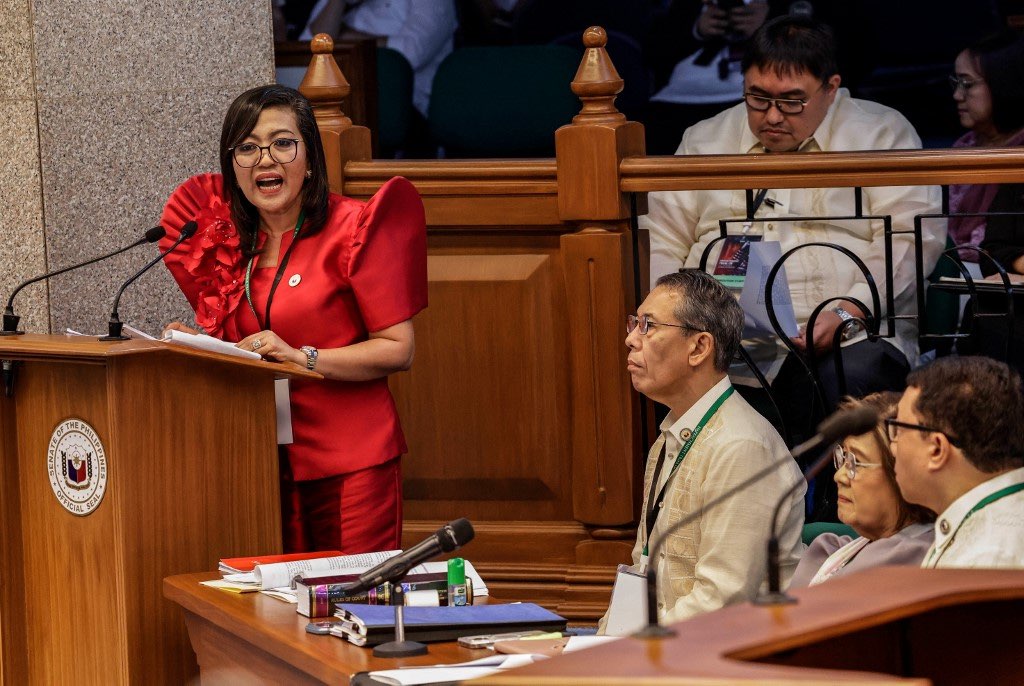
Escudero showed he was an experienced lawyer, capable enough to tackle a court proceeding and maneuver over the initial squabbles between the lead prosecution counsel Gerville Luistro and lead defense counsel Sheila Sison.
CONTINUE READING BELOW

It would have been a different story if it were somebody else, though again it would be too early to say he was going to run it superbly the way Chief Justice Hilario Davide handled the impeachment trial of Joseph Estrada in 2000-2001. The former justice was too sharp, with an excellent knowledge of law and court proceedings. He was never caught taking a nap or making faces on camera. He was all eyes on the trial.
Senate President Sherwin Gatchalian was probably a man of pure intentions. But seeing him sitting there beside Escudero without any speaking parts, this rich, tall guy looked too pathetic. He may have to think twice if he would like to sit there again in the next proceeding, or he may have to prepare harder. If indeed he was not supposed to say anything, why sit there in the first place?
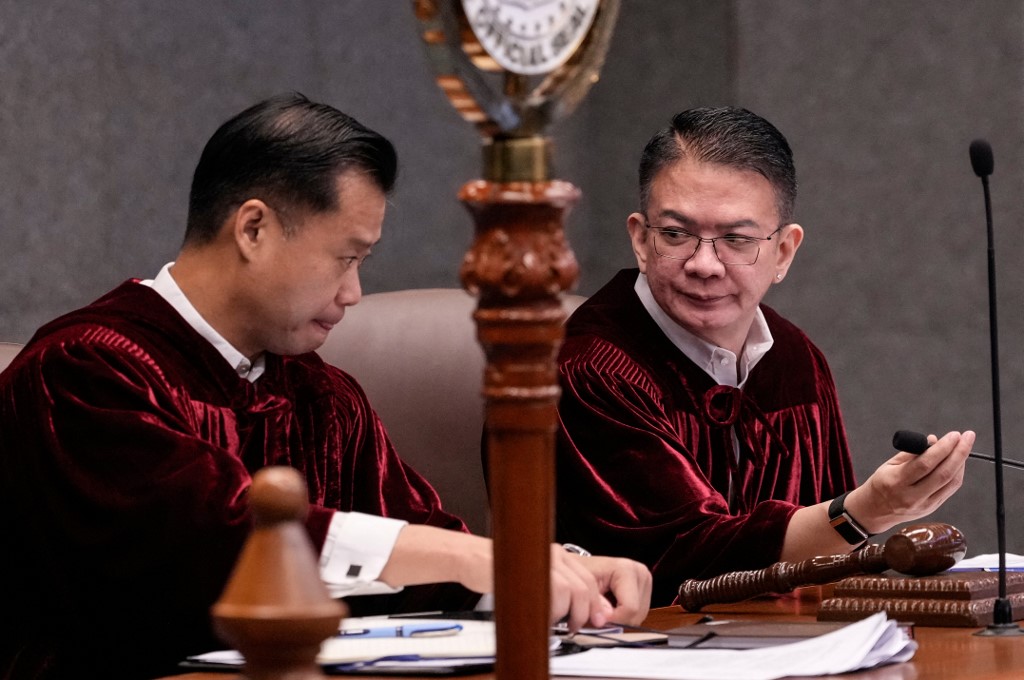
There was a sharp repartee between and among Escudero, Luistro, and Sison, that part or that art of delivering quick, clever, and witty responses in legal procedures.
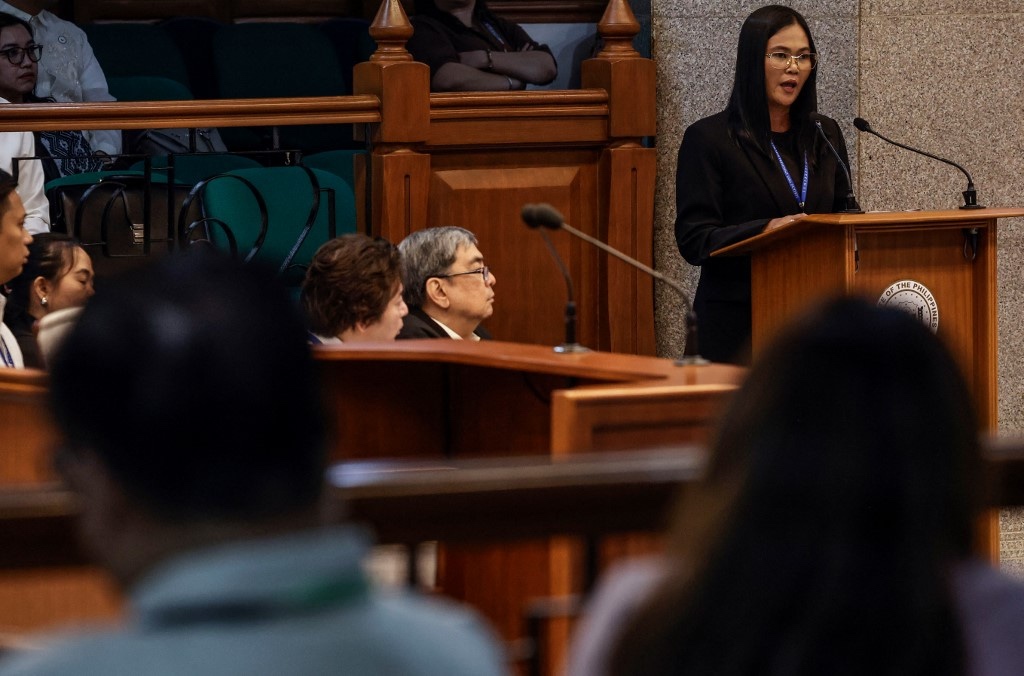
We often caught Escudero smiling; we found Sison sharp in her response to Luistro’s manifestation, as when she asked the court if Luistro wanted to read the four articles of impeachment when all that had been settled during the pre-trial conference. She might not have intended to be rude or combative, but her ability to point out a few things to defend her client required sharp listening and rapid mental processing.
But the legal part of the proceedings, the sharp repartee, was only a fraction of the Impeachment Trial, Day One.
The trial is sui generis, both a judicial and political exercise.
The language of politics dominated for the most part, beginning with Luistro’s presentation.
What is the language of politics? According to author William Safire’s New Political Dictionary, “the new, old, constantly changing language of politics is a lexicon of conflict and drama, of ridicule, and reproach, of pleading and persuasion; color and bite permeate a language designed to rally men and women, to destroy some and to change the mind of others.”
While Sison was too legalistic in terms of appreciating rules and evidence, Luistro chose to talk about accountability, that it should spare no one, both lowly men and people in power, that poverty had its roots in people in power who misused public funds. That kind of messaging could be the best way to win the hearts of the public at large.
It was Day One, and the public, divided over the issue, between pro and anti-Duterte, had some initial impressions about it. But the first day didn’t change any of their preconceived views on the Vice President.
We would see the first set of resource persons on Tuesday, July 7, two NBI officials who would talk about whether Duterte’s violent threats against her once-upon-a-time political partner, President Marcos Jr., as a result of threats she received on her life and her family, was a culpable violation of the 1987 Constitution. They are called the prosecution’s witnesses.
People see what they want to see. And the impeachment trial is a political show. To Duterte’s millions of followers, no amount of evidence was probably enough to convince them that Duterte needed some explaining to do. To her critics, no Duterte explanation was enough.
The first day didn’t do as much as for them to look the other way.
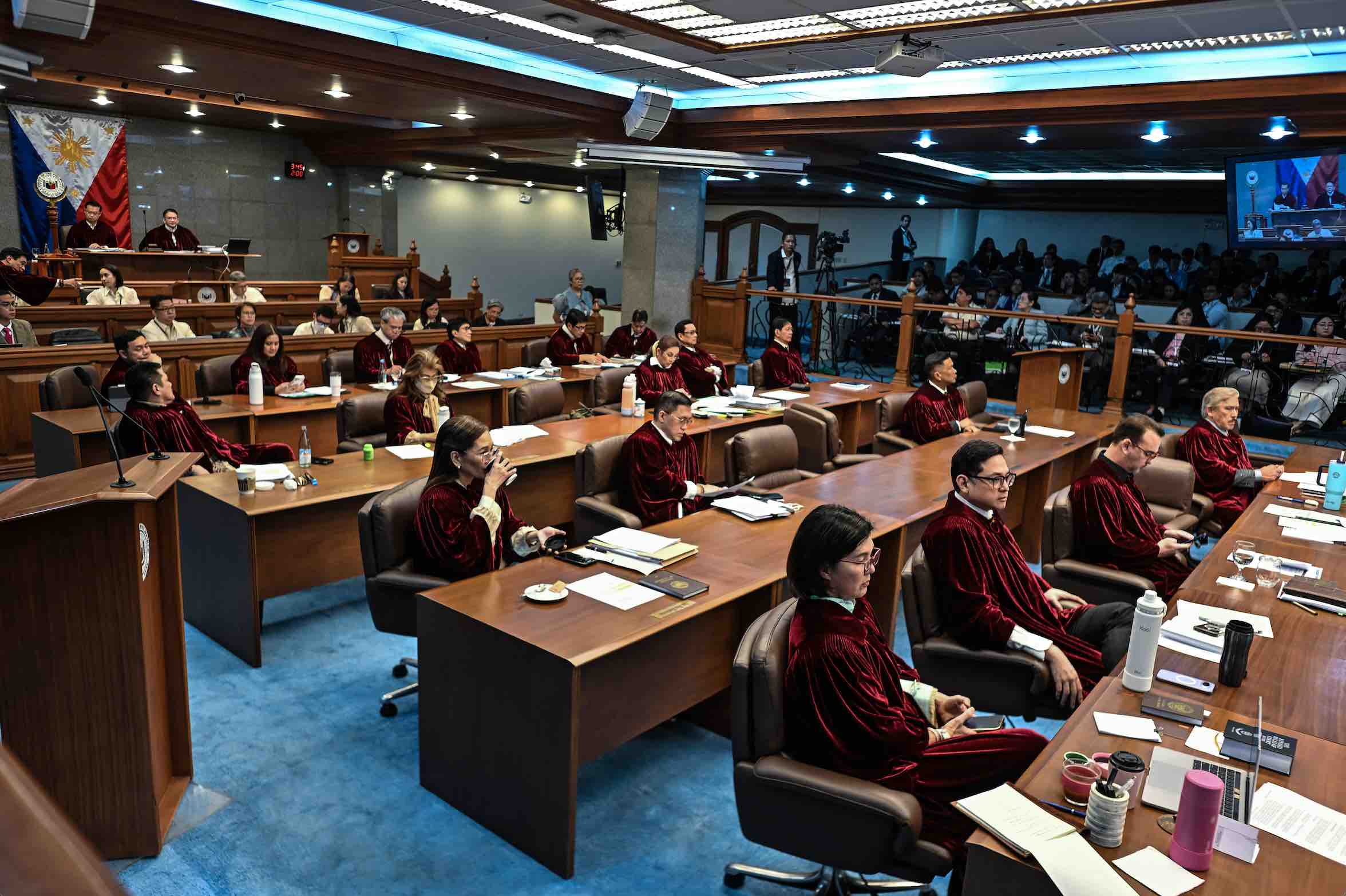
The show was about politics. To Duterte’s followers, it was politics as when reports of the arrest of another lawmaker, Sen. Rodante Marcoleta, broke out at least an hour before the start of the trial.
Senator-judge Alan Peter Cayetano, who questioned Escudero’s election as the impeachment trial’s presiding officer, wished Marcoleta and another senator-detainee, Jinggoy Estrada, would be allowed to attend the trial.
With the arrest of Marcoleta, a Duterte supporter asked on his Facebook page: “How can there be a fair trial if they are raiding the ranks of those expected to vote for (Sara’s) acquittal?”
Another one replied: The answer, my friend, is blowing in the wind.
But then again, that’s Safire’s language of politics.
Disclaimer: The views expressed in this article are those of the author and do not reflect the opinions of PhilSTAR L!fe, its parent company and affiliates, or its staff.

WATCH: Do you still believe in marriage? (Generations Ep. 17)
August 19, 2026
WATCH: Why is it so hard to make friends? (Generations Ep. 26)
October 21, 2026
WATCH: Pixar Summer Fest adventure at Hong Kong Disneyland
August 10, 2026