

If they sanitize our stories, who hears our reality?
Before a film sees the light, it undergoes many revisions and reviews from those authorized to decide what is “safe” for the public. Their job, supposedly, is to protect the viewers; to ensure that whatever comes out of the screen aligns with the cultural values and standards for decency and morality.
Take, for instance, last year’s Dreamboi, an erotic thriller exploring trans desire directed by Rodina Singh and starring Tony Labrusca. The film underwent several appeals—being rated X twice—before finally being cleared for public screening with an R-18 classification.
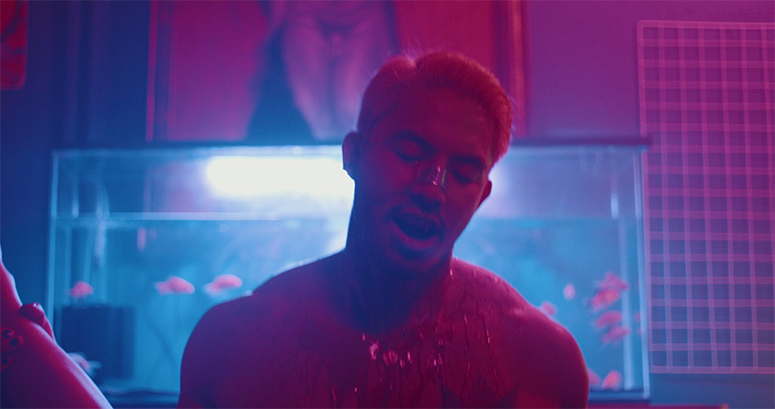
In an interview, director Singh shared that under the MTRCB code, homosexuality is still considered immoral. And although amendments have been proposed, many still question whether these policies are applied consistently across all films shown to the public.
Because when queer films are forced to cut scenes that heterosexual films freely keep, it raises the question: is it because it’s explicit, or because of who’s allowed to be explicit?
As long as the queer experience exists at the margins, the system feels safe. But the moment it demands to take center stage, it becomes a threat.
The irony is sharp and familiar. The Philippine media has long granted freedom to heterosexual narratives, no matter how problematic they are. Television dramas that romanticize harassment, manipulate love, or glorify abuse continue to air nightly without question. Films featuring power imbalances, predatory age gaps, and the romanticization of coercion pass as “art” or “creative expression.” The line between decency and depravity blurs easily when it serves straight desire.
CONTINUE READING BELOW

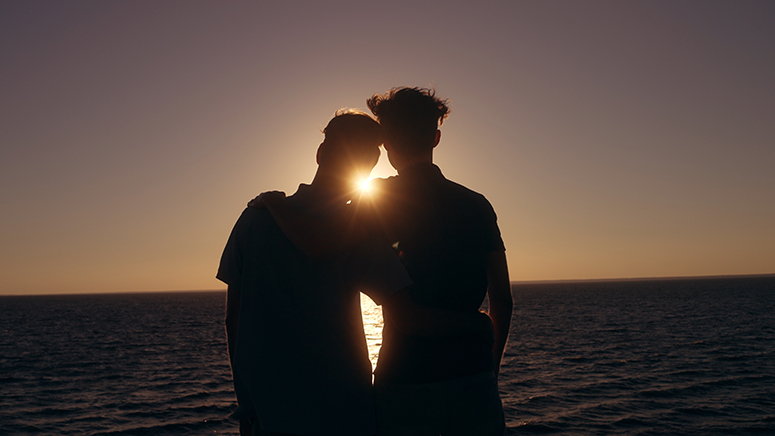
Yet when queer stories enter the frame, everything suddenly becomes “too much.” Too bold, too political, too dangerous for public viewing. The same gestures of affection that are applauded in straight romances are considered immoral when performed by queer characters. The same conversations about identity and desire that are praised in heterosexual stories are dismissed as propaganda when voiced by queer people.
Censorship, in this context, is not protection. It is the insistence that queer people must constantly ask for permission to exist—that their love, grief, and humanity are acceptable only in moderation. Every cut scene, every rating restriction, every gatekeeping remark communicates that their truth is too much for us.
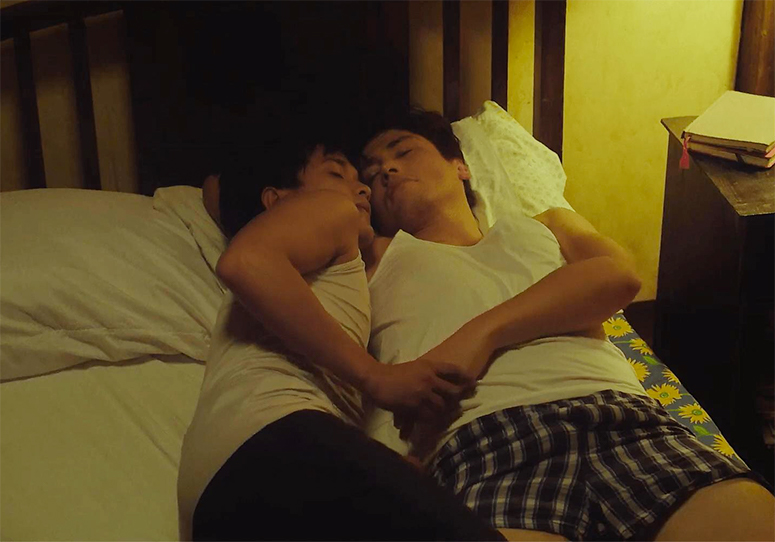
J.E. Tiglao’s Metamorphosis (2019), a coming-of-age drama about intersexuality, was initially deemed not suitable for public exhibition because of “daring” scenes. However, the director emphasized that these serve to humanize the character: to show their identity, sexual desires, their confusion and frustration—emotions deemed normal and acceptable for straight people. The double standard reveals the cultural hypocrisy embedded deep within the industry. Queerness is often tolerated as a side character, comic relief, or tragedy, but rarely as a full, dignified narrative. As long as the queer experience exists at the margins, the system feels safe. But the moment it demands to take center stage, it becomes a threat.
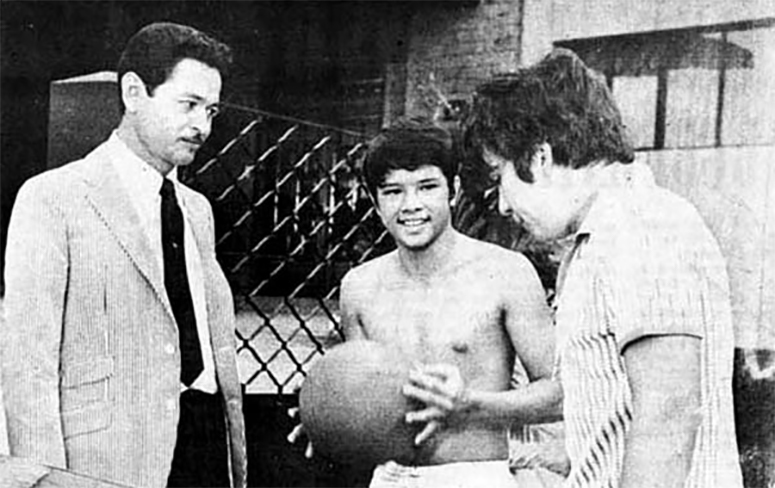
This bone of contention existed as early as 1971, in Lino Brocka’s Tubog sa Ginto, where a businessman has an affair with his male driver. The controversy wasn’t about the affair, but the shower scene and the sexual activities between the two characters.
In truth, there is nothing obscene about two queer people falling in love, about trans people fighting for dignity, or about individuals navigating the complexities of gender and sex. This is the violence of erasure. It’s not always loud or brutal; sometimes it’s as subtle as an official rating, a missing scene, a delayed screening.
When a film about queer lives is censored, it’s not just the filmmakers who lose, but everyone. We lose the chance to see love, grief, joy, and survival in forms that don’t fit the precedent.
The real obscenity has never been queer intimacy, but the denial of its right to be seen. It’s in deciding which loves are pure enough for the public and which are not. It’s in teaching young audiences that queerness must be hidden to be acceptable.
Art loses its purpose the moment it must beg for permission to exist. Because what they protect is not the moral fabric of society; it’s the illusion that only one kind of love deserves to be seen. And as long as that illusion persists, every queer film that reaches the screen, even in fragments, remains both art and protest.
Until we learn to see rather than censor, to listen rather than label, the silence that is branded as protection will continue to echo as fear. Every story rewritten for the comfort of privilege is a loss of humanity.

WATCH: Do you still believe in marriage? (Generations Ep. 17)
August 19, 2026
WATCH: Is Philippine cinema still thriving? (Generations Ep. 19)
September 2, 2026
WATCH: Can you still trust someone who betrayed you? (Generations Ep. 22)
September 23, 2026