

Care as an act of resistance: The antidote towards difficult conversations
We often think of care as an act tucked away in our individual private homes and as a responsibility solely carried by women. Seen this way, we treat it as a mere reaction to arising bodily needs, which obscures the essential dimension of care connecting the personal to the larger social sphere. We are beings not sustained by self-sufficiency, but through the collective and shared responsibility of care unrestricted by gender, age, and social background.
As we continue to navigate an age of permacrisis, we see care manifesting in social media spaces through varying forms of digital bayanihan. Collective healing sits at the core of mutual aid carried out by the sharing of online posts by families and communities in need. Collective growth is realized through the dissemination and amplification of free digital resources. These seemingly menial digital practices dismantle societal architectures designed to keep us in our individual bubbles.
In our current political climate, it’s easy to let our emotions drive our actions online: from expressing outrage against perceived injustices to feeling euphoria when we get to say “I told you so” to a political “other.” Asking questions is often misconstrued as a hostile act that deserves to be shut down.
Disinformation researchers observe that our digital world has slowly morphed into a fractured space ruled by clashing political and social bubbles refusing to engage and meet halfway. Our ability to empathize and to listen across differences is slowly atrophying. For a society proud of its heritage of being resilient and optimistic, it is quite the contradiction how easy it is for us to burn bridges over disagreements that could be easily avoided through open conversations.

Our increasingly polarized online space is only a symptom of the larger issue of disinformation and influence operations in the country. This is by design. Bad actors want us to take sides, to label the act of changing our minds as a sign of weakness, and to discourage us from crossing the aisle. In our attention economy, political actors and content creators alike compete to capture our eyeballs by producing emotionally exploitative content that feeds on our personal values and moral leanings. Add to that the algorithmic biases and dark design of social media platforms that reward content for its shock value and ability to drive engagement. Understood this way, disinformation transcends your seemingly harmless consumption of ragebait and political shitposting and morphs into a structural and political issue that further drives us apart.
When the easier path is to fall into the default pattern of staying in our echo chambers, why should we care? Informed by the sociology of care, we can treat care more than just an act, but as a guiding ethic, as a resource for collective survival, and as a radical method of forming relationships that decenters hierarchy and domination. Operating through the lens of caring, we embrace our shared struggles, and we fight against oppressive systems with an abundance mindset instead of scarcity. It is through caring that we wage a war against forces that use violence, manipulation, and untruths to push their own individual agendas.
As we look ahead towards the November 2026 barangay elections and the 2028 national elections, what are some tangible ways to embody care as a political act of resistance?
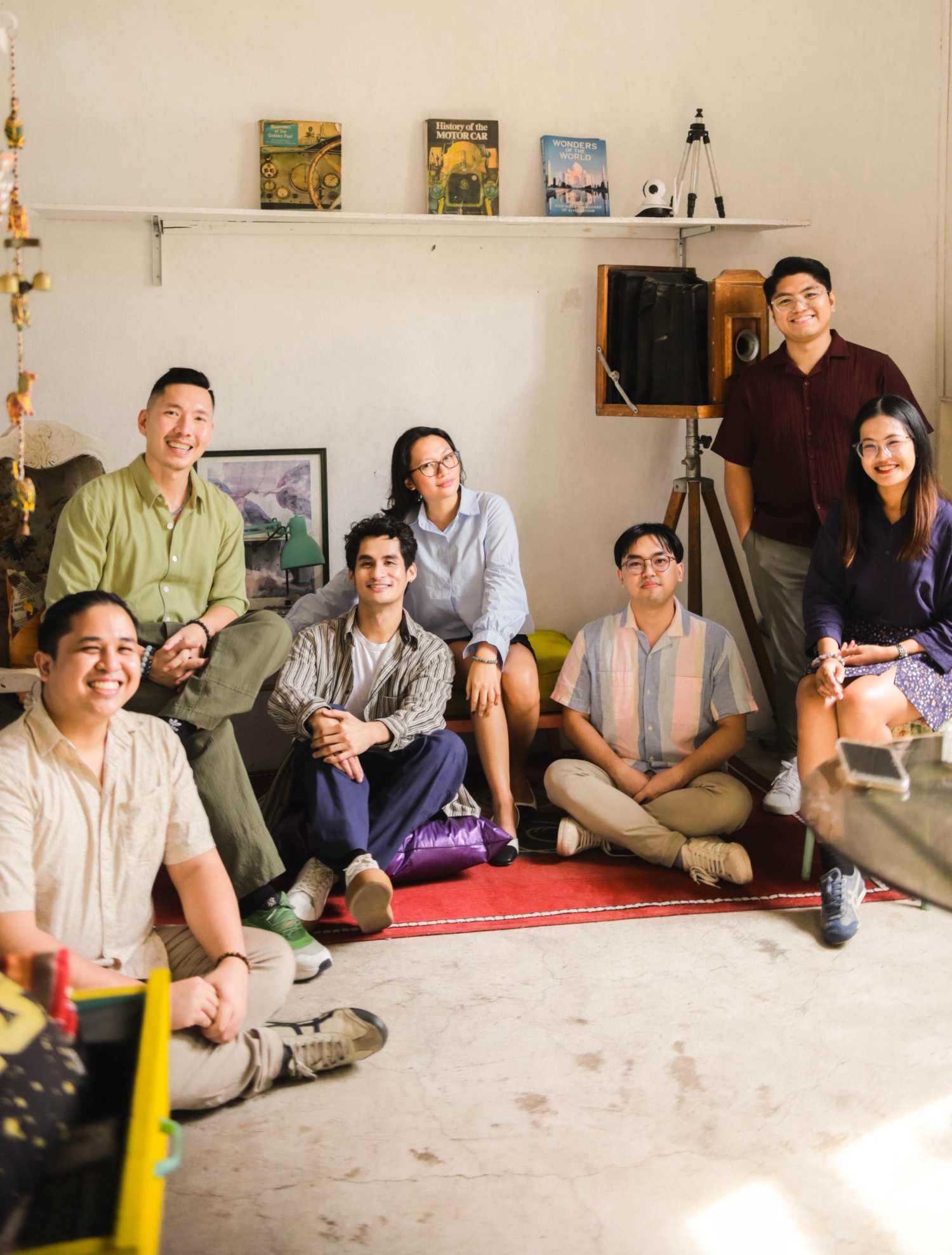
First, to care is to punch up and not punch down. We should erase the notion of “bobotante” and redirect our anger to the platforms and actors that comprise the vast network behind the disinformation economy. To embody radical care, we have to recognize that we are not brainwashed, passive citizens who fall for the traps of incompetent and corrupt officials every election. Our work in Sigla Research Center precisely opposes that through the body of research we have that exposes the disinformation-for-hire economy and the actors that finance its operations.
During moments of heightened emotions in our digital spaces, a reorientation towards care as a guiding principle may offer us a more radical way of relating and co-existing.
Second, to care is to celebrate similarities rather than to fixate on differences. People are complex beings of many constantly shifting layers of identity. To resist is to understand that our shared experiences of grief, disappointment, and anger towards injustices are more potent than our opposing political preferences. Acting as a “third space,” Sigla remains adamant that it is only through co-creation and co-learning that we holistically approach the many issues driving us apart.
Lastly, to care is to imagine a better world for us. In pushing back against the epidemic of “truth decay,” we redefine our resistance as one characterized by collective struggle and care. It is through building communities of care that we ultimately can heal societal fractures, mend broken relationships, and work towards a healthy democracy.

WATCH: Do you still believe in marriage? (Generations Ep. 17)
August 19, 2026