

Running on sun: Is going solar at home worth it?
The effects of the current conflict in the Middle East, which began just over a week ago, have reverberated across the world, including in countries that are heavily dependent on the region for their crude oil supply.
For the Philippines, this means skyrocketing electricity prices.
During a press conference on March 9, Energy Secretary Sharon Garin said rising fuel prices could lead to higher electricity costs, estimating the price increase at around 16% by April.
"Why is there a possible increase? Coal only had a slight increase [in price] but the transportation insurance is more expensive now," said Garin. In a report last year, the International Energy Agency said the Philippines continues to be heavily dependent on coal for energy.
"The price of liquefied natural gas is now triple—from P12 to more than P25," added Garin. "That's why DOE has to be proactive in trying to contain the impact of this problem."
It is not just up to the government to mitigate rising energy costs, however. Homeowners can also find ways to minimize their power bills.
CONTINUE READING BELOW

A popular concept of late is installing solar panels to power homes. In a country where sunlight is abundant, it does seem like a good idea. Is the cost of installation worth it, though? PhilSTAR L!fe asked two homeowners whose homes run on solar power.
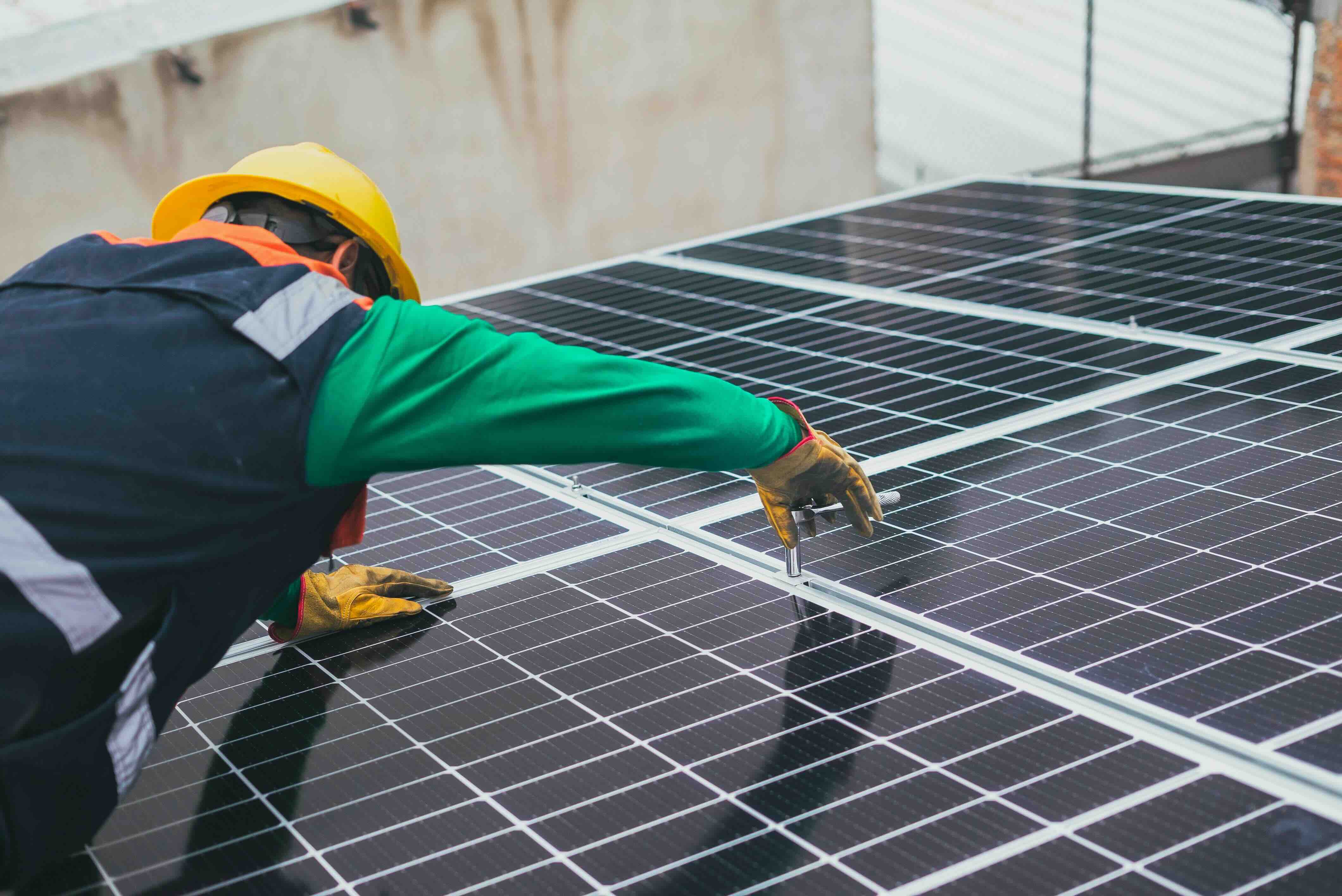
Benefits of solar power
Dr. Christopher Castell, a general surgeon, got solar panels for his home because they have high electric load.
"I decided to install solar panels and batteries to lessen my electricity costs and to provide me with electricity even during brownouts," Castell told PhilSTAR L!fe.
For him, the return was remarkable.
"[Solar power] lowered my monthly electric bill [with] up to 70% savings," he said. "And it can [even] be lowered once I apply for net metering; meaning [I sell] my excess electricity to Meralco. With this, I may get a zero monthly bill."
Similarly, Dennis Gutierrez, a project management officer for a renewable energy startup, installed solar panels on his home to minimize power costs.
"I started using a solar rooftop system last year with a total capacity of 6kWh. My electric bill was reduced by 50%, which translates to [an electric bill of] around P6,000 per month," Gutierrez told L!fe. Previously, he was paying between P10,000 and P12,000 per month for electricity.
Irene Maranan, corporate communications head of ACEN, a leading renewable energy company in the Philippines, added other benefits of solar power: more stable electricity costs and better energy security.
Since the Philippines continues to depend on imported fossil fuels, electricity prices in the country are affected by global fuel prices or, as the world is currently experiencing, geopolitical tensions that disrupt oil supply.
"Solar [power] helps reduce that exposure," Maranan told L!fe. "The Philippines is fortunate to have abundant sunlight year-round, making solar one of the most practical energy resources available locally." Without a fuel requirement, solar power can, over time, stabilize electricity costs.
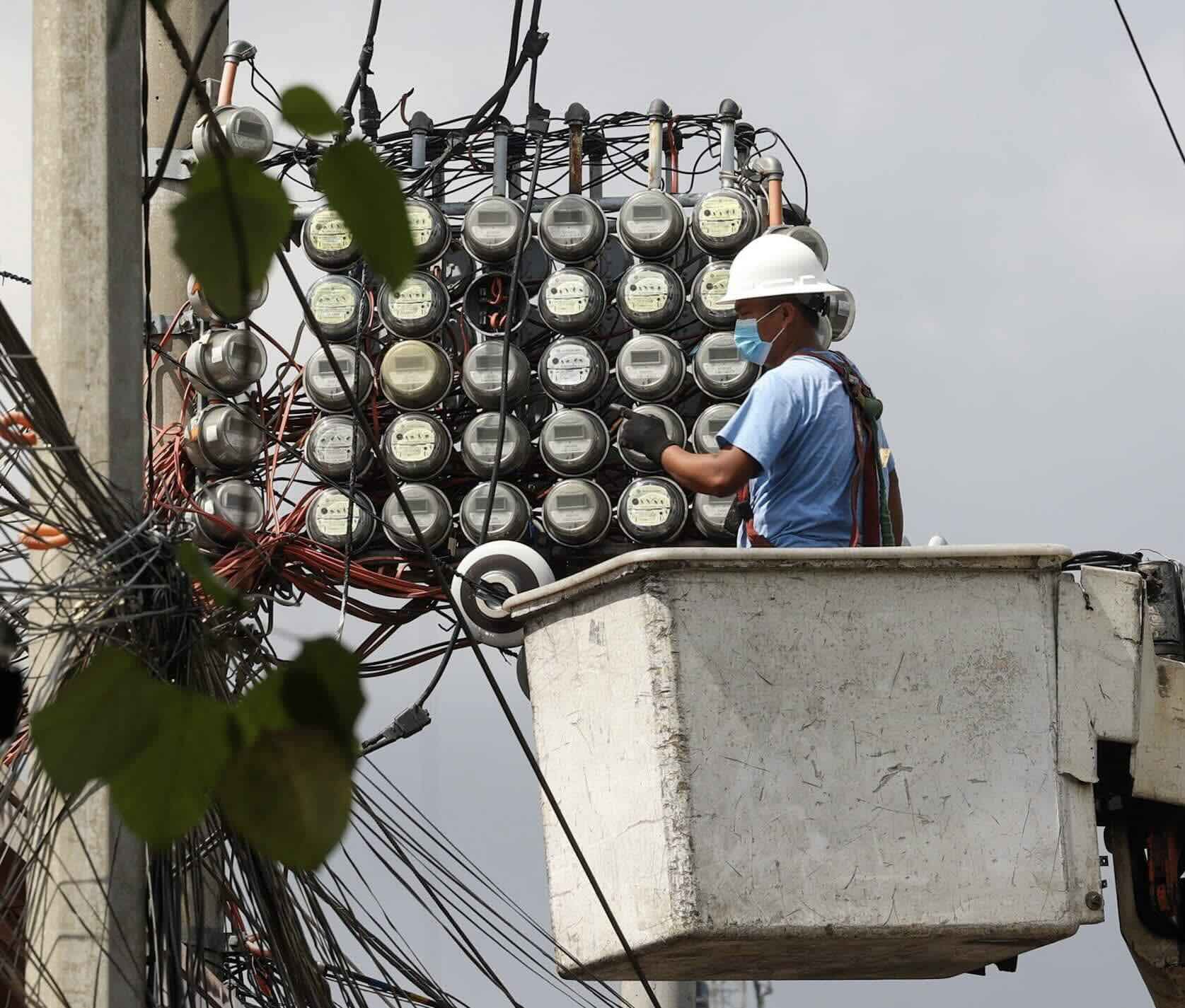
Cons of solar-powered homes
Castell mentioned the cost of the investment as a possible deterrent for homeowners considering solar panels for their own homes.
Since Gutierrez set up a solar panel system that doesn't use batteries for energy storage, he said the disadvantage comes at night, if he needs power.
"The only downside that I can think of is during nighttime, wherein I cannot generate power," Gutierrez shared. "If only I could still harness the excess solar energy during [the day] and store it using batteries."
A system with batteries, however, costs twice Gutierrez's investment. In addition, batteries, according to him, have to be replaced every five years.
On the other hand, the system Gutierrez installed cost about P250,000, where he expects a return on investment to be around four years from his initial investment. The solar panels he uses have a lifespan of around 10 to 12 years.
"Renewable energy offers an important silver lining amid global energy tensions," said Maranan.
The conflict in the Middle East, she added, brought to light the vulnerability of countries like the Philippines to fuel supply disruptions.
"For the Philippines, [the conflict] underscores the importance of developing indigenous energy resources to strengthen energy security," she added. "Solar energy plays a key role in this transition. By harnessing the sun, we can generate electricity without fuel and without emissions."
As the Philippines braces itself for the inevitable rising prices brought on by strained oil supply, it's important to remember that we can optimize solutions like solar power. But if it exceeds your available financial resources at the moment, there are also small habits you can develop to cut your electricity bill. Here are energy-saving moves that could make a difference.

WATCH: Pixar Summer Fest adventure at Hong Kong Disneyland
August 10, 2026