

Did someone copy your product? Here's what to do
It can be frustrating to work really hard to create a product, only for another business to copy it and sell it at a lower price.
Ideas carry about the same value as finished products, maybe even more. After all, without the initial concept, no product would ever be made.
With all kinds of products in the market being sold by thousands of merchants, similarities in design, concept, even packaging, may occur. What happens then? Who will the law protect in those instances?
The first thing to determine is what was exactly copied.
"Not every act of copying a product is automatically illegal," Atty. Enrico Joseph Aguinaldo, who specializes in intellectual property and co-chairs the Philippine Chamber of Commerce and Industry's Corporate Governance Committee, told PhilSTAR L!fe.
One product may be protected by several intellectual property rights at the same time, and each of these may be protected in different ways, such as a trademark registration or a patent.
CONTINUE READING BELOW

If these rights are violated, that's when the original creator may take action. "When a protected IP is used or commercialized by another without consent, then there's infringement, which gives the IP owner a right to sue," IP lawyer Daniel Fordan said.
How to protect your product's rights
Once an entrepreneur develops a design for a product, the next step has to involve protecting the design first, not manufacturing plans.
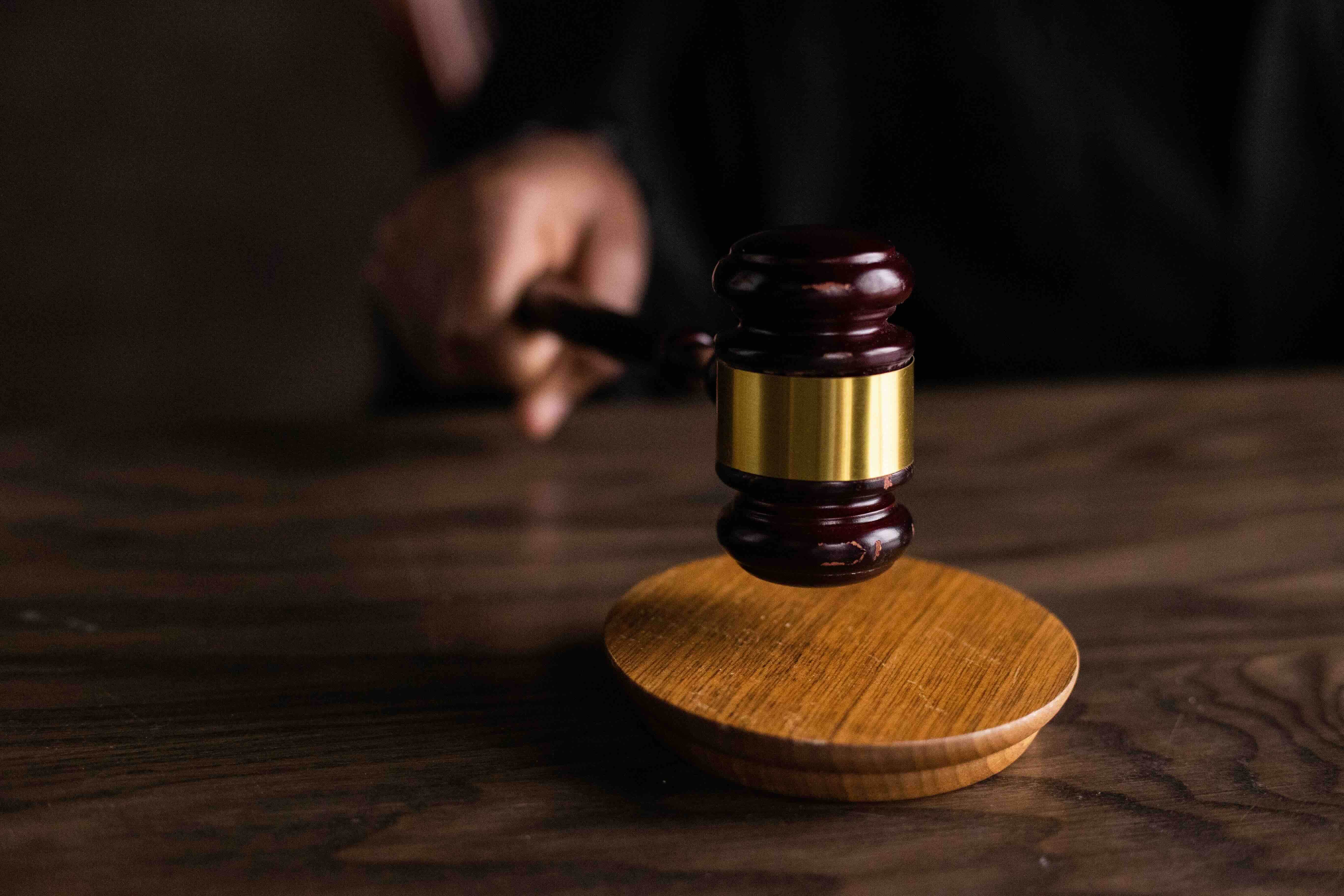
IP lawyer Anton Bengzon emphasized the importance of product registration.
If a business uses another brand's name to sell their product, that is equivalent to counterfeiting, which is a criminal case. It becomes a different matter altogether if it's the product design that was copied without the brand name.
"The design must be registered as an industrial design," Bengzon told L!fe. "If it's registered in the Philippines by the designer, then that person has protection for five years, [during] which the person or entrepreneur can make the products to the exclusion of others."
The exception to this rule is copyright, which protects creative and intellectual works, such as songs, poems, and novels. For these pieces of work, the protection of copyright is automatic upon creation.
An entrepreneur who creates a product to sell in the Philippines can protect their design by registering it in the country under the patent system.
One can register their industrial design online with the IPO using the Office's eIDfile. If an application exceeds 250 pages, however, the application for registration has to be done in person at the IPO.
To register a design, the IPO will require the following: the industrial design application form, a description of the design with a drawing, and payment of the necessary fees.
If one's investment or initial capitalization allows, Aguinaldo suggested conducting an IP audit. It's also important to monitor the market.
"Registration is important, but protection does not end when the certificate is issued. We should do continuous monitoring," he added.
What to do if copying occurs
Aguinaldo's advice is to first document everything. Then, he said, "Identify what specific intellectual property right is involved. Is it a trademark, a patent? Or maybe copyright?"
A creator must also check their documents and ownership registrations.
Atty. Emerson G. Cuyo, CESO III director for the Bureau of Copyright and Related Rights under IPOPHL, suggested to try writing a demand letter to the offending party, too. The letter must clearly state "one's demand: takedown, payment of a fee, recall from the market," Cuyo told L!fe.
"If that fails, then another demand letter this time from a legal counsel may do the trick. If not, then it may be time to bring the matter to court," Cuyo added.

Without a registered design, Fordan said an entrepreneur may have little to no legal options. However, "once you determine that you have a protected IP, e.g., registration over your industrial design, then you may sue for infringement either in the Bureau of Legal Affairs of the Intellectual Property Office or the courts," he said.
Aguinaldo stressed that intellectual property "should not be treated merely as compliance or a legal expense, but a business asset."
"A company may spend years developing a brand, product, or technology, but sometimes only thinks about intellectual property when somebody else starts using it," he said. "By that point, the legalities may already be more complicated."
The IP lawyer has this advice for businesses: "Protect before you promote."
"The objective is to be protected while encouraging innovation and fair competition," he added. "That balance is important for both entrepreneurs and consumers."
And for anyone thinking of copying someone else's ideas and designs, remember that imitation is not always the sincerest form of flattery. Depending on how far you take it, you could find yourself on the wrong side of the law.
