

Lanzones, mangoes, other fruits: How much can you eat in one day?
Big on fruits?
In a viral post shared on Sept. 23, a Facebook user joked about the recommended serving size of lanzones, saying, “OMG, so I read that only three pieces of lanzones are allowed in a day. Akala ko kasi three kilos!” A similar post from two years ago made the rounds, claiming that five to six pieces of lanzones make up one serving, with the user adding, “Sorry, Doc! Akala ko one kilo per day.”
When eating fruit, we sometimes don't realize just how much we've already consumed. But how do you know if it's already too much?
How much fruit can you eat in a day?
Vheejay Tampol, a licensed physician and registered nutritionist-dietitian, told PhilSTAR L!fe that adults aged 20 to 59 should generally consume two to three servings of fruit daily, while adults aged 60 and above should have two servings. According to him, these recommendations are based on the Daily Nutritional Guide Pyramid developed by the Department of Science and Technology–Food and Nutrition Research Institute.
"You don't need to eat 2-3 servings of just one fruit," added registered nutritionist-dietitian Rya Sanchez. "The healthiest approach is to mix and match to get a variety of nutrients.
CONTINUE READING BELOW


If you're craving lanzones, Sanchez recommended consuming only 15-21 pieces (one serving = 5-7 pieces) per day. "Lanzones are bite-sized but pack a lot of natural fructose," she said. "Eating a whole kilo while watching TV is common in the Philippines, but this easily overloads your body with sugar and can cause stomach upset."
For mango lovers, it's best to eat only one and 1/2 large mangoes or three small mangoes, per Sanchez, as they are "extremely sweet and calorie-dense." Tampol added that one serving of mango is one medium slice or “cheek,” or about half a cup when diced. A large Carabao mango, meanwhile, can contain two to three servings. "While rich in Vitamin C and A, eating too many at once provides a massive carbohydrate load similar to eating extra cups of rice," Sanchez said.
For bananas, one small lakatan or latundan counts as one serving. When eating a large imported Cavendish banana, half of the banana counts as one serving. "Bananas are starchy and heavy. They provide excellent quick energy and potassium, but because they are calorie-dense, eating a whole bunch will easily exceed your daily energy needs and lead to weight gain," explained Sanchez.
For grapes, one serving is about 10 small grapes or half a cup. Tampol noted that grapes are particularly easy to overeat, saying that “10 grapes gives you the beneficial antioxidants without overloading your blood sugar.”
For water-rich fruits, one serving can be larger. Tampol said one serving of watermelon and melon is about one cup diced or one medium wedge. Because watermelon is more than 90% water, he noted that “you get a larger volume (1 full cup) for one serving compared to dense fruits like bananas or mangoes.” Sanchez, however, stressed that since these are mostly water, they "digest rapidly, so eating half of a whole can cause a fast spike in your blood sugar."
Love atis? One medium piece of it constitutes one serving, so Sanchez suggested having only three medium pieces per day. "Atis is very high in natural sugars. Sticking to the portion limit satisfies your sweet tooth while giving you the benefits of its natural fiber," she explained.
Eating several servings in one sitting may cause discomfort, according to Tampol. “It introduces a sudden load of fructose and dietary fiber into your digestive tract,” he explained. "For most people, this can lead to bloating, gas, abdominal cramping, and even diarrhea."
Still, he stressed that healthy individuals need not worry too much about fruit simply because it contains natural sugar. “There is a big difference between added sugars (found in sodas, desserts, and processed foods) and intrinsic sugars found in whole fruits,” he said. “The key lies in portion control, not elimination.”
What if you have a medical condition?
While healthy individuals can enjoy fruit as part of a balanced diet, people with medical conditions may need to pay closer attention to their portions or the types of fruit they eat.
For people with diabetes or prediabetes, Tampol said they “can and should eat fruit, but they need to be mindful of total carbohydrate counts, glycemic index (GI), and portion sizes.”
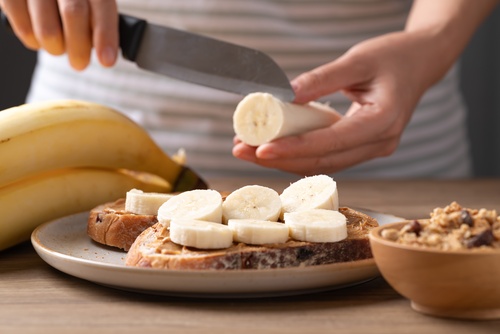
He said pairing fruit with protein or healthy fats can also be beneficial, particularly for people who need to manage their blood sugar.
“Pairing a carbohydrate-rich fruit with a source of protein or healthy fat further slows down gastric emptying,” he said. This can result in “a flatter, more gradual blood sugar curve” and longer-lasting satiety.
For people with chronic kidney disease, fruit choices may also need to be adjusted. Sanchez said those with the condition “may need to restrict high-potassium fruits like bananas, melons, mangoes.”
She also pointed out that CKD patients may have kidneys that struggle to filter out excess minerals and fluids. "You will likely need to restrict high-potassium fruits like bananas, melons, and mangoes," she added. "If your doctor has put you on a fluid restriction, water-heavy fruits like watermelon must be strictly measured and counted toward your daily fluid limit."
“Crucially, CKD patients must avoid starfruit (balimbing), as it contains a neurotoxin that impaired kidneys cannot filter,” Tampol added.
Other conditions may affect how well a person tolerates certain fruits. Tampol noted that people with irritable bowel syndrome (IBS) or fructose malabsorption may experience symptoms from high-FODMAP (poorly absorbed sugar) fruits such as apples, pears, and mangoes. “These can trigger gas, abdominal pain, and altered bowel habits,” he said.
But having a condition that requires closer attention to fruit intake doesn't necessarily mean giving it up altogether.
“Skipping fruits means missing out on vital nutrients that keep your body functioning properly,” she said. “Eating your recommended servings daily provides dietary fiber, antioxidants for disease prevention, vitamins and minerals (C and potassium), and natural craving control.”

WATCH: Can we talk about death and grief? (Generations Ep. 25)
October 14, 2026
WATCH: Pixar Summer Fest adventure at Hong Kong Disneyland
August 10, 2026