

GUIDE: How to avoid tone-deaf social media posts when calamity strikes
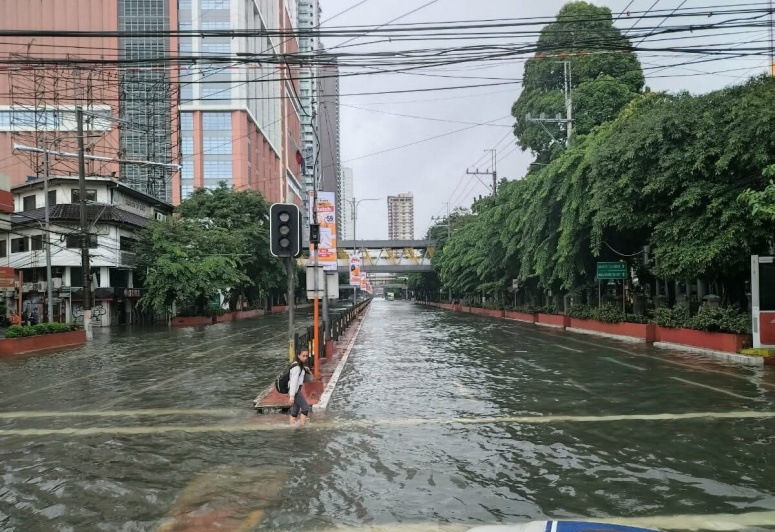
Whenever heavy rains and severe flooding hit the Philippines, social media often highlights a sharp contrast in how people experience disasters.
The biggest problem comes when users post tone-deaf remarks about their personal comfort or security. These posts quickly spark public backlash, showing why being mindful online matters for creators and everyday users alike.
How can one avoid insensitive remarks during disasters? Communication experts shared with PhilSTAR L!fe some valuable advice to influential figures—and even social media users in general—regarding the power that words hold and how they must be handled with enough care in every post, especially during calamities.
Read the news
Kara Santiago-Dagdag, who's been in brand marketing, public relations, and influencer management industries for over a decade, said those who are online ought to read the news because it informs them of what's happening beyond their screens, helping them develop sensitivity.
"You’d be surprised by the number of people who aren’t attuned to what’s happening outside their communities," she said.
CONTINUE READING BELOW

Upon being informed of situations like families getting stranded along NLEX or mall workers who couldn't get home due to the floods, Dagdag noted that it could make users think twice about trying to be viral through funny captions.
"It will make you think like a human again, versus a machine chasing KPIs (key performance indicators)," she added.
Refrain from posting about blessings in the middle of disasters
Treena Tecson, a PR and media relations consultant of 24 years, said one must resist the urge to post about blessings during calamities.
"Even well-meaning posts can come across as dismissive," she told L!fe. "Focus instead on offering help, sharing resources, or simply acknowledging the pain and uncertainty others may be facing."
While it's admirable to showcase stories of strength and community, Tecson warned against glorifying hardship or turning tragedy into inspirational content. She reminded content creators that while engagement is their bread and butter, it's still all about empathy at the end of the day.
"Make sure your words come from genuine concern," she added.
According to Em Sulit, the director of marketing agency GameChanger PH, the unspoken rule is that nobody must talk about having it better than others through statements like, “Buti pa kami, walang baha dito” or “Kahit binagyo, we stayed positive," even using the hashtag #blessed.
"This invalidates others’ pain and centers the story on you," she said, noting that it's also a no-no to romanticize suffering.
Pause scheduled posts and review them
Sulit noted that those who have scheduled posts must pause them immediately amid a tragic situation.
"Check if your queue contains promotions, jokes, or upbeat content. Posts can come off as insensitive when others are flooded or grieving," she said. “What’s harmless in fair weather can be harmful during disasters.”
Avoid engagement baits, memes
One must avoid canned, corporate-sounding statements and opt for conversational Filipino and English instead. But by writing in a more informal and personal manner, Sulit warned against using memes as they run the risk of trivializing real loss.
"Talk to people, not at them. In times of crisis, sincerity beats strategy," she said, advising one to keep things simple when addressing typhoon victims in their post, all while avoiding engagement bait—a tactic asking the public to interact with the post through likes, shares, and comments.
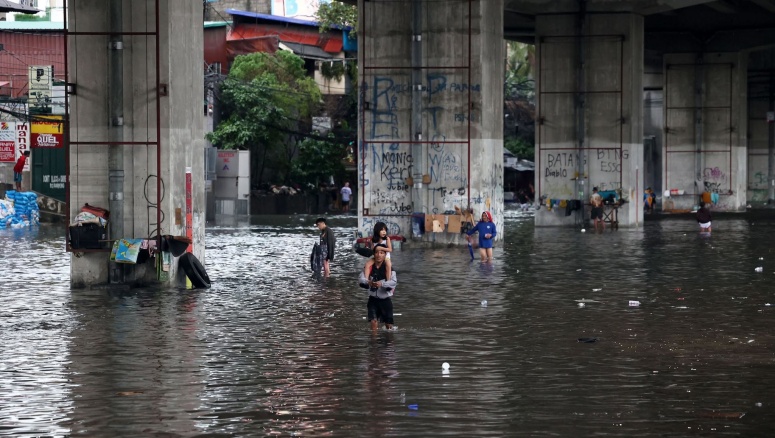
According to Redge Jimenez Lopez, a PR practitioner of over 20 years, one must also think twice about capitalizing on the themes of resilience through posts like people laughing in floods, naked children skimming on wet cement, or men bringing liquor while wading in neck-deep floodwaters.
"It will make you forget the misery but the calamity is still happening. It is actually jarring," Lopez said. "The majority of suffering happens beyond the content produced by mobile phones. Social media impressions of the calamity may show facets of reality but it doesn't show the whole picture. Our infrastructure is in a bad state and our environment is degraded."
Keep in mind pakikiramay and pakikisama
If others choose to remain silent on social media, Sulit noted that absence can feel cold, too. She advised users to, at the very least, try to repost helpful information like important hotlines and donation drives.
Those who would indeed help typhoon victims must also avoid self-serving posts such as those that inform everyone, “We donated to [charity]!”
"If you want to help, let the act speak louder than your announcement," she also told L!fe.
Lopez noted that pakikiramay and pakikisama are embedded in Filipino culture, and one must keep them in mind to help shape their posting etiquette.
Though social media lets everyone freely express their thoughts and feelings, they must be wary of "flexing" or seeking attention, especially during typhoons.
"They would definitely get the response that they're asking for," Lopez said. "I think the furor against insensitivity to the suffering brought by the calamity is a healthy response that brings communicating responsibly to the discourse. It demands you to check your privilege."

WATCH: Save for retirement or enjoy life now? (Generations Ep. 21)
September 16, 2026