

Beneath Bhutan’s clear skies
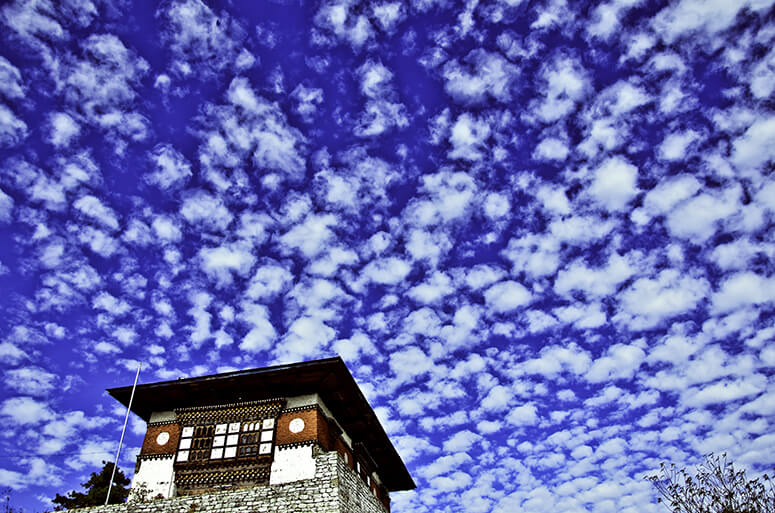
I arrived in Bhutan on a cool, crisp day in early autumn. As our flight made its final approach to Paro International Airport, a range of majestic mountains came into view. The rugged terrain gave way to wide valleys, sloping hillsides, and a winding river beneath clear blue skies. I had come back to the Buddhist kingdom of Bhutan, a land of pristine beauty that remains close to my heart.
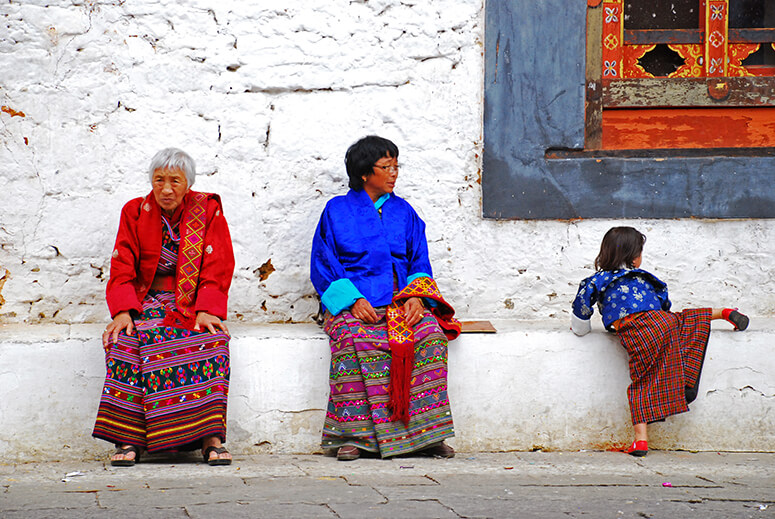
From the airport, I headed to Como Uma Paro. Set on a forested hillside, the resort melded Bhutanese craftsmanship with contemporary design. After lunch, I walked along the road winding past the grounds, taking in the distant mountains and the valley below, covered in a patchwork of rice fields. Elderly villagers came down from the nearby mountains to forage for prized mushrooms. Men in traditional ghos and women in kiras shared the steep road with passing vehicles.
In Bhutan, I would see life in its elemental forms and better appreciate the deep spirituality that has long dwelled in this Himalayan kingdom. Here, the sacred and the ordinary seemed to exist side by side.
The valleys of Paro, Thimphu and Punakha each held a particular attraction: Paro for its bucolic landscape and ancient temples, Thimphu for its lively mix of shops and heritage museums, and Punakha for its sweeping green valleys. The towering fortress of Punakha Dzong stood guard over the valley. Built in 1637 by Zhabdrung Ngawang Namgyal, who founded the nation-state of Bhutan, it remains an important spiritual and administrative center.
In Paro, I visited Kyichu Lhakhang, one of Bhutan’s oldest temples, believed to have been built in the seventh century by the Tibetan king Songtsen Gampo. Set in a grassy field bordered by flowering plants, the compound housed an ancient chapel where a crowned Buddha sat surrounded by eight bodhisattvas. The dark wooden floor before the altar bore the imprints left by those who had prostrated before the image of the Buddha for centuries.
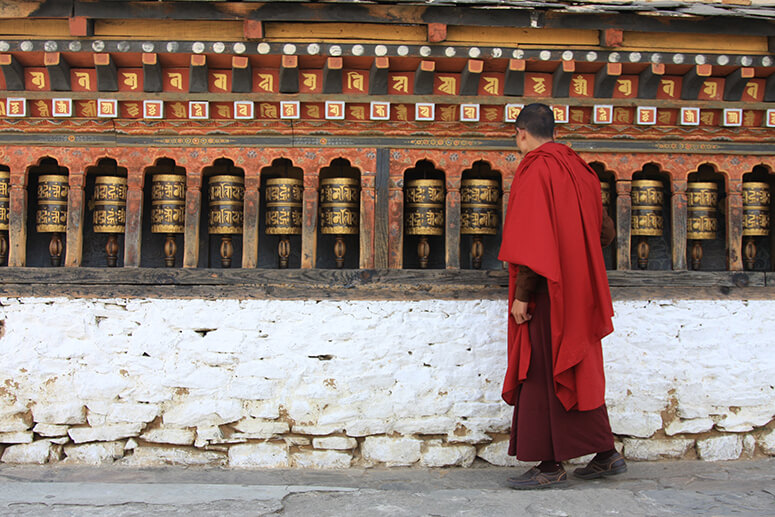
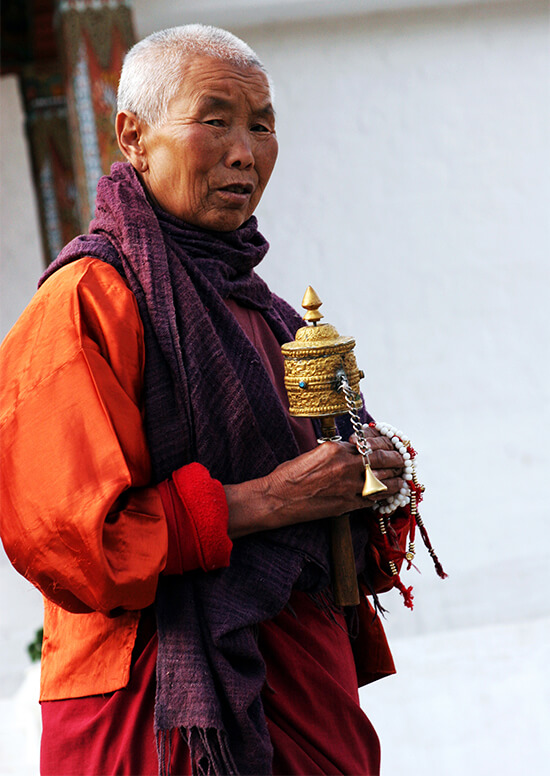
In a temple beside the chapel, believers offered quiet prayers and lit butter lamps before an altar laden with fruit, flowers, and local delicacies. Along the compound’s outer wall, 108 prayer wheels were set inside niches, each inscribed with a sacred verse. Devotees spun them as they walked by, believing each turn accumulated merit along the spiritual path.
CONTINUE READING BELOW

The imposing fortress of Paro Dzong rose above the valley. Completed in 1646, it housed both the monastic body and government offices. A beautiful mural of celestial beings filled the entrance hall, while galleries were painted in shades of gold, amber, and ocher. Window frames were embellished with intricate wood carvings, their motifs drawn from nature and religious imagery.
While I was in Paro, the Ninth Neyphug Trulku Rinpoche invited me to a special gathering for the 60 young monks under his care. I had first met him while attending his Buddhist lectures in Singapore. The Rinpoche is regarded as the reincarnation of one of the 25 disciples of Guru Padmasambhava, also known as Guru Rinpoche, who is revered as the Second Buddha and brought Buddhism to the Himalayas.
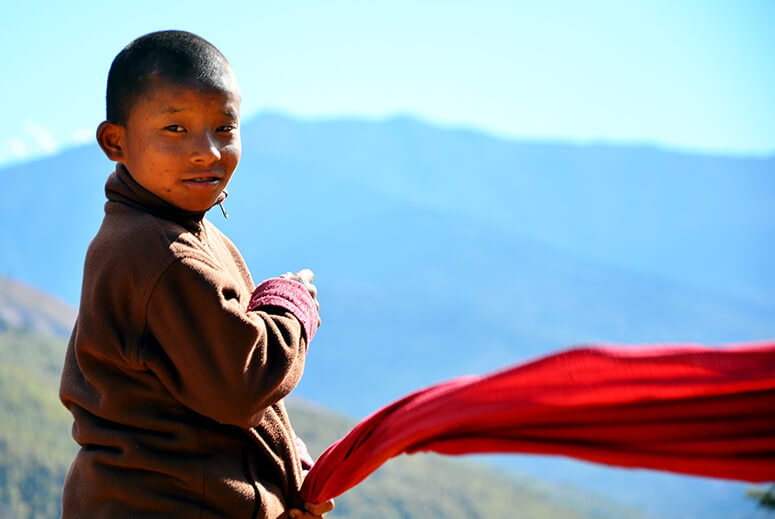
The three-day event, called Happy Mind, gave the young monks a break from monastic discipline and offered days of fun and games on the grounds of the Neyphug Monastery. At a forest campsite, the boys enjoyed flavorful stews and mountain-grown rice. Later they played badminton and soccer, chased one another up and down the hill, and danced as music blared from a sound system.
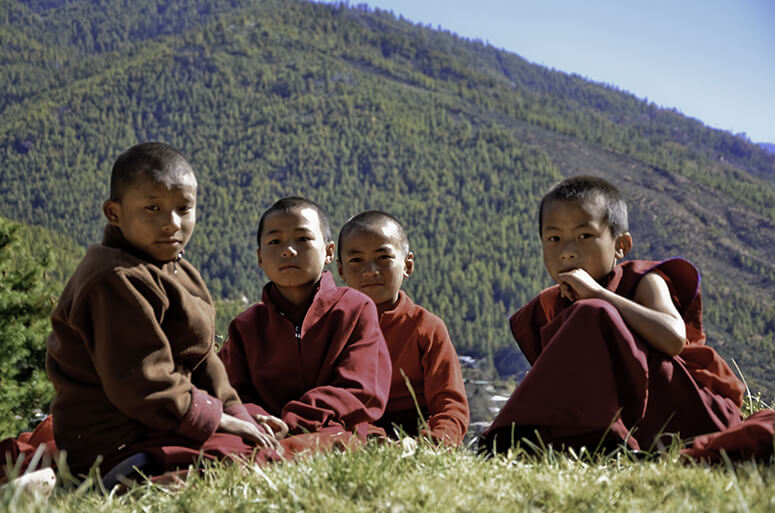
It was hard to believe that they came from underprivileged backgrounds and from far-flung villages across Bhutan. They seemed like happy, well-adjusted boys who had become part of a large family. As they interacted with the Rinpoche, he seemed more like an older brother than the head of a monastery. Happy Mind underscored the monastery’s strong sense of community and family values.
Leaving Paro, I drove to Thimphu and headed to Amankora Thimphu. Its whitewashed stone buildings were inspired by traditional dzong architecture. An air of tranquility filled the place. On clear nights, I could gaze at the stars. By day, the surrounding pine forest brought stillness to my mind.
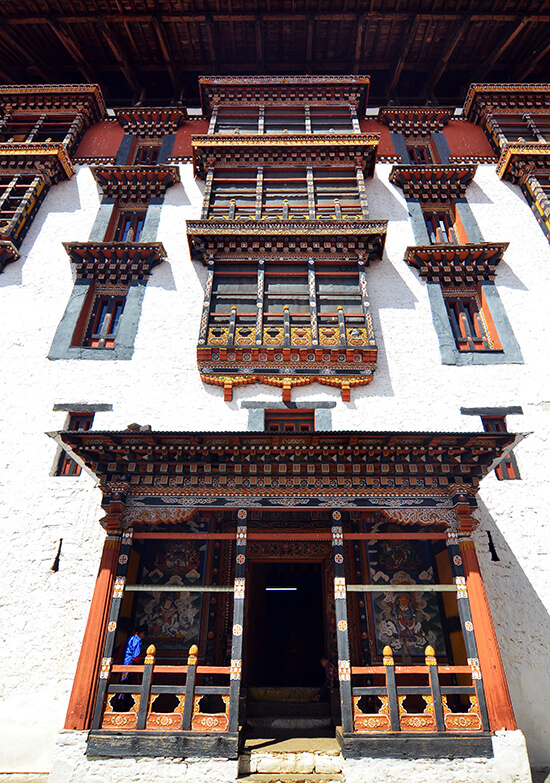
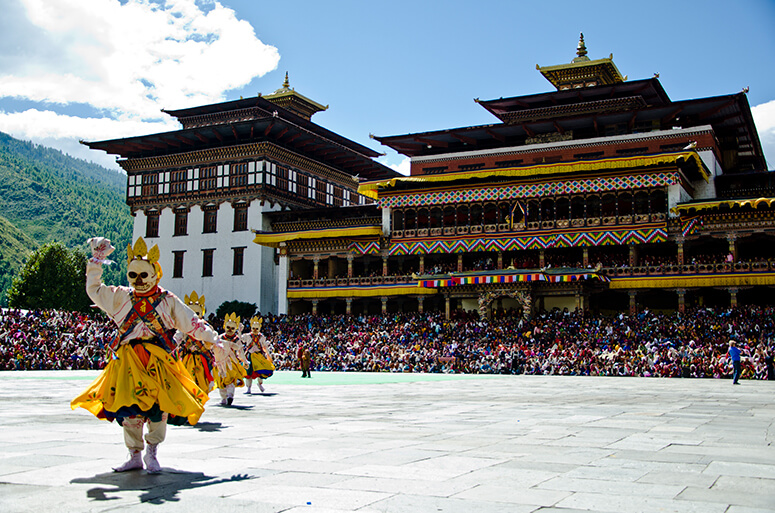
A high point of my visit was the Thimphu Tsechu, a three-day festival of sacred dances held at Thimphu Dzong. The festival was a much-awaited event for which many took time off work to celebrate the storied aspects of their culture.
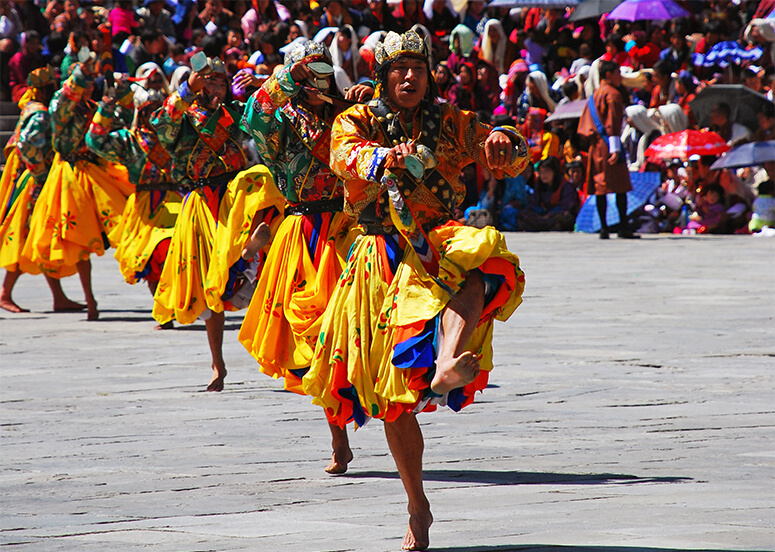
Dressed in colorful, intricately designed costumes, the dancers performed movements rooted in traditions that date back centuries. The dance dramas told stories: some imparted moral lessons, while others were enacted to purify and protect the land from evil spirits. Above all, the dances celebrated the triumph of Buddhism and gave glory to Guru Rinpoche.
After the festival, I proceeded to Dechencholing Palace for a day of prayers dedicated to Guru Rinpoche. The Neyphug Rinpoche led the Seven-Line Prayer, believed to invoke Guru Rinpoche’s presence and blessings. The faithful are said to devote months or even years to accumulating recitations of this prayer.
Afterward, the Rinpoche blessed me with a ritual sword. That evening, he gave me a beautiful painting of Guru Rinpoche and a red silk scarf, both of which he consecrated for my spiritual well-being and protection.
As my stay in Bhutan drew to a close, I thought about the wonders of nature that nourished the spirit. I remembered the kindness and warmth of the people who cared for me during my visit. My guide, Tobgay, looked after me as though I were a member of his family. Tshering Norbu, Amankora’s lodge manager, shared his insights into the sacred places of Thimphu. Sonam, the lodge director, said to me, “Wherever you go, you can leave your soul here until you come bac=k again.” I still cherish those words. Perhaps that is the power of kindness: it leaves lasting imprints on the heart.
In Manila, I placed the painting of Guru Rinpoche in a quiet corner of my home. It would remind me of a land where the pursuit of a spiritual life means everything—and where my heart has found a home.

WATCH: Can we talk about death and grief? (Generations Ep. 25)
October 14, 2026
WATCH: LGBTQIA+ people with unlikely professions
June 28, 2026
WATCH: Discovering Vietnam in three days
June 9, 2026