

Palate Central
A glass of wine, a salted fish milk foam spritz, a Hong Kong-style milk tea egg tart from the Maxim’s Group. At the Hong Kong Wine & Dine Festival 2026, all of these found a place along Central Harbourfront, where more than 340 booths brought wines and delicacies from around the world against the backdrop of Victoria Harbour.
Organized by the Hong Kong Tourism Board, the four-day festival ran from Oct. 29 to Nov. 1, with wines from more than 30 countries and regions.
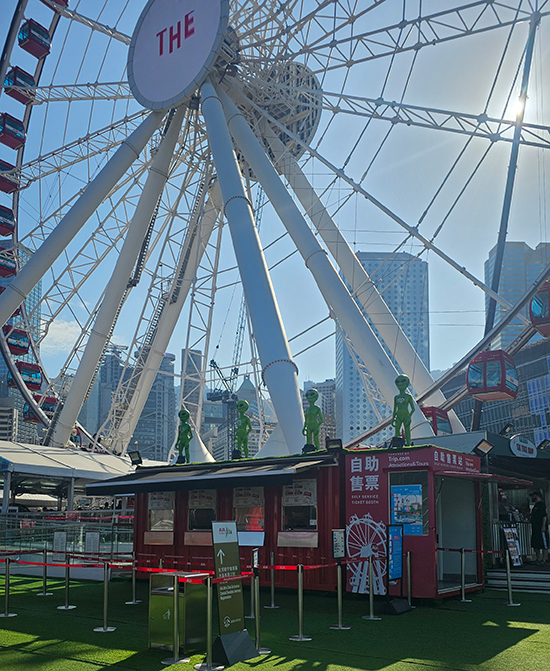
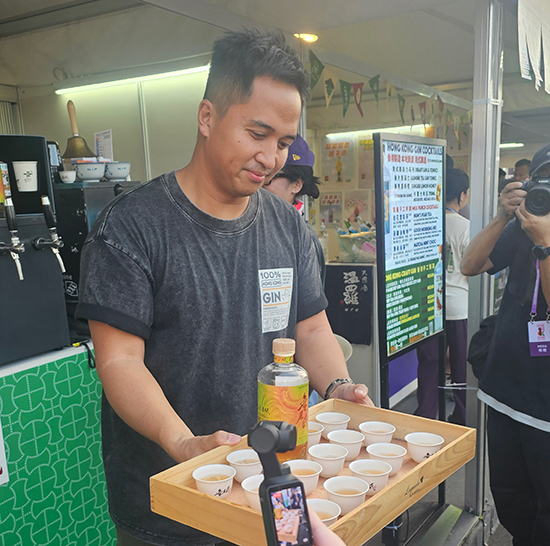
The scale was impressive. I walked from booths showcasing rare Bordeaux vintages and six-liter Imperial bottles of Chilean wine to counters where robotic arms tossed pizza dough. Local flavors got playful updates, including stewed abalone in a crisp savory cone from Abalone Galore and Michelin-starred fish sausages shaped like hot dogs from Fisholic. Belon served brioche beef tartare topped with Petrossian Tsar Impérial caviar, while the Marriott Bonvoy pavilion offered hot bowls of beer-steamed mussels. At N.I.P. Distilling, I ran into co-founder Jeremy Li, whom I had previously met in Manila. The gin label he founded with Nicholas Law captures the city’s humidity, distilling traditional botanicals into a liquid profile of dry tangerine peel and subtropical monsoons.
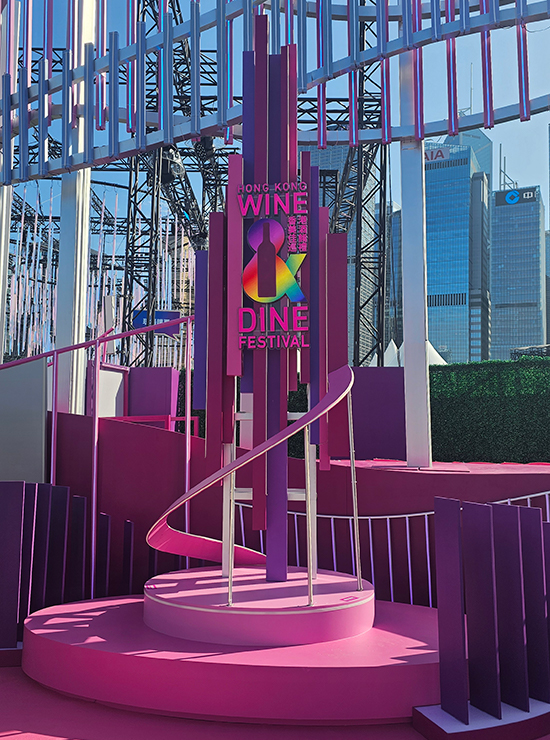
The festival stayed open late, but Hong Kong’s food and drink scene extends well beyond the waterfront.
CONTINUE READING BELOW

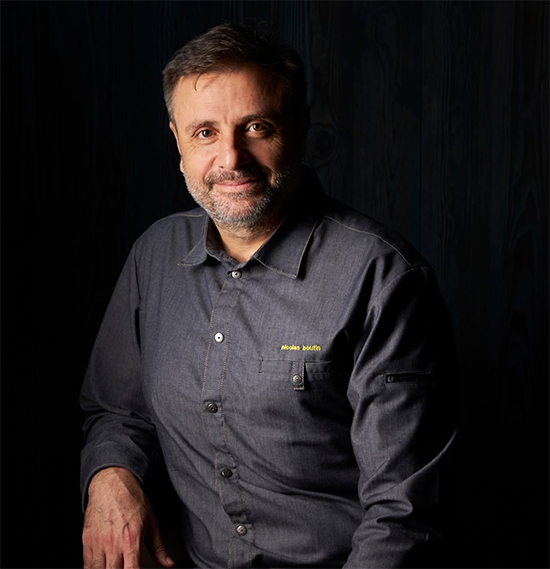
At Ami and Wood Ear in Alexandra House, Central, interiors by Yabu Pushelberg set a different scene, with light and shadow shaping the dining rooms. When executive chef Nicolas Boutin learned of my crustacean allergy, the kitchen replaced the vol-au-vent with yellow chicken, parsnip, and rich Albufera sauce. The adjustment was a reminder that a memorable meal depends as much on a kitchen’s response to its guests as on the menu.
Hong Kong’s international character can make food and wine pairings a challenge. “Hong Kong is still a very international city, with a diverse range of cuisines,” master of wine Jeannie Cho Lee told me. Pairing Western wines with intensely flavored dishes, particularly those with Szechuan heat, can be difficult. Her advice was not to force the match. “Rosé and sparkling wines go well with spicy dishes, but otherwise, enjoy the spicy flavors on their own, and enjoy your wine with the non-spicy items on the menu,” she said.

Cho Lee also spoke about the communal nature of eating in Hong Kong. In some Cantonese restaurants, she noted, the minimum number of people at a table is eight. Food is ordered for sharing, with dishes passed around so everyone can have a taste.

At Ship Kee in Wan Chai, the Cantonese tradition comes through in honey-glazed char siu and sizzling lettuce seasoned with Tai O shrimp paste. For a Filipino, that savory, fermented paste brings guinamos to mind. The resemblance is unmistakable, a familiar flavor on another stretch of the Asian coastline.
Sharing also defines Hong Kong’s contemporary bar scene. At Cóa, named for the tool used to harvest agave in Mexico, mezcal and tequila take center stage. The Bloody Beef Maria combines agave spirits with clarified beef consommé, chipotle chili, and Szechuan pepper. Savory and clear as a broth, it was just the drink I wanted after a long flight. I was sharing the table with new acquaintances from Jakarta, and the conversation was as much a part of the evening as the drink itself.
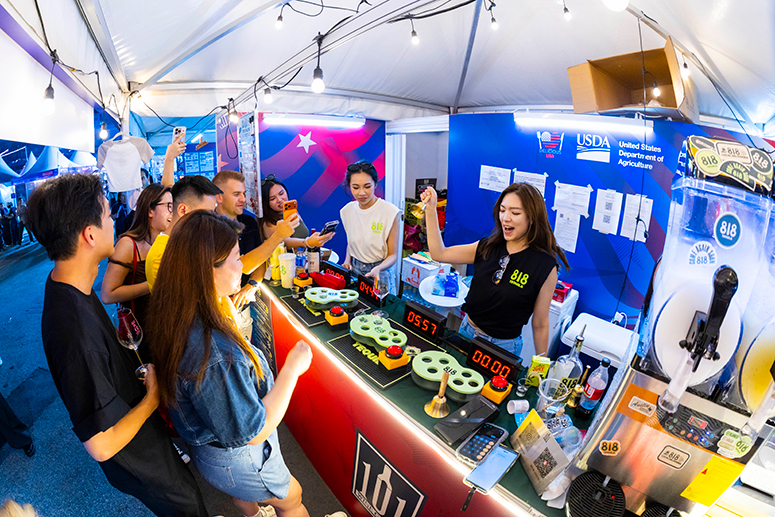
The festival also introduced a sustainability initiative with a practical purpose. Under HKTB’s partnership with renewable fuels company EcoCeres, used cooking oil collected from festival stalls was to be converted into sustainable aviation fuel. Called “From Plate to Plane,” the initiative gave the food and drink consumed on the waterfront a use beyond the festival grounds.
Hong Kong Gourmet Month, also organized by HKTB, runs through Nov. 30, bringing together more than 400 restaurants and bars for special menus and other food and drink experiences across the city. Festivalgoers who received a Gourmet Month Privilege Card with their tasting pass could use it for offers at participating establishments through the end of November.
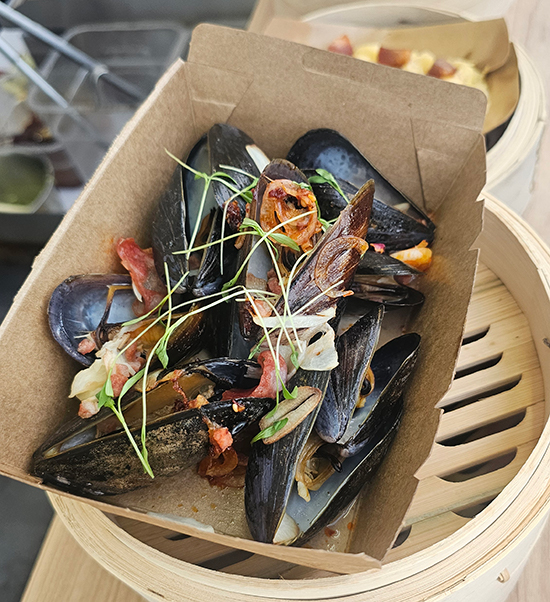
Ocean brew: Steamed in beer and served hot at the Marriott Bonvoy pavilion, these savory mussels bring a comforting, broth-rich warmth to Central Harbourfront. Photo from AA Patawaran
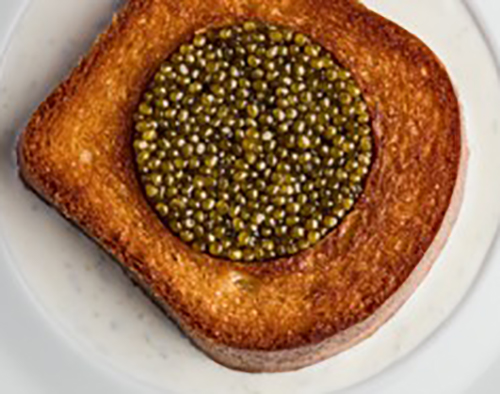
Luxury in every bite: Belon’s decadent brioche beef tartare comes lavishly topped with a rich layer of Petrossian Tsar Impérial caviar. Photo from AA Patawaran
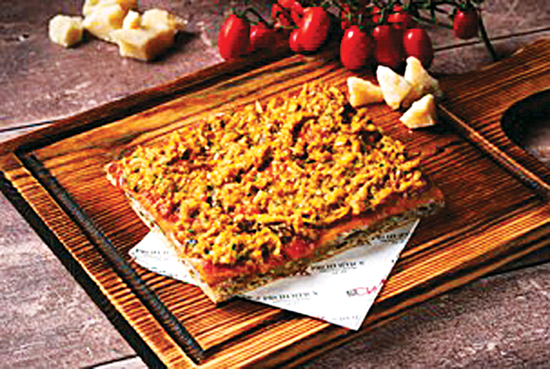
East meets West: Decadent hairy crab meets crispy dough in a playful, seasonal twist on traditional Italian pizza. Photo from AA Patawaran
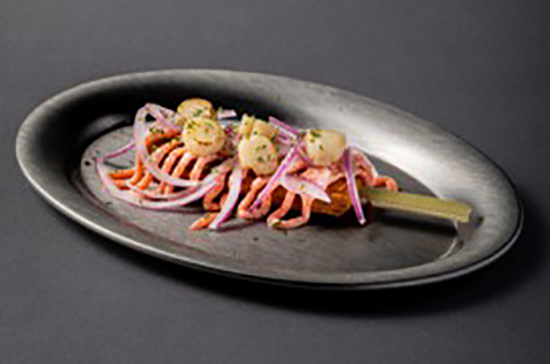
Savory innovation: Seared scallops and rich mentaiko sauce transform a crisp pastry skewer into a bite-sized festival highlight. Photo from AA Patawaran
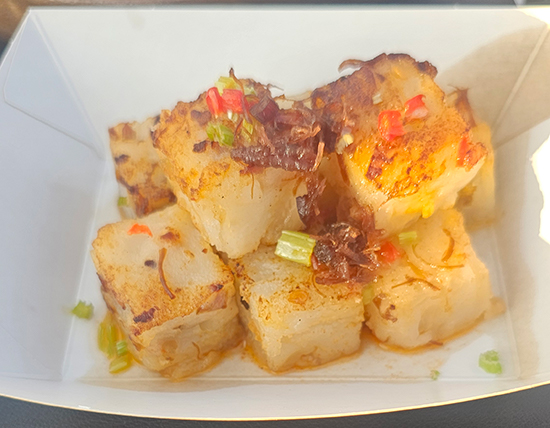
Turnip crunch: Crisped to perfection and topped with spicy XO sauce, these pan-fried turnip pudding bites deliver an irresistible blend of texture and umami punch. Photo from AA Patawaran
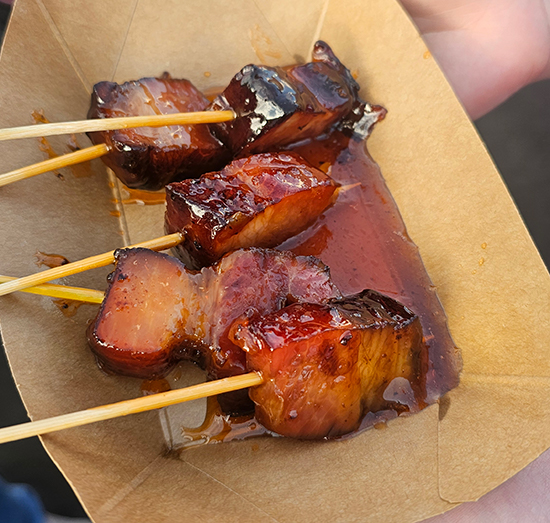
Glazed savory bites: Skewered morsels glistening with rich glaze offer a quick, playful taste of Hong Kong’s street-food heritage right along the waterfront. Photo from AA Patawaran
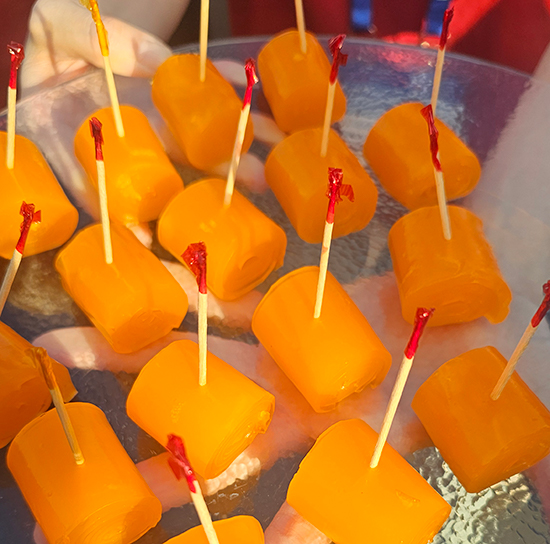
Citrus roll-up: Translucent, vibrant orange juice rolls bring a nostalgic, refreshing burst of fruit flavor to the festival grounds. Photo from AA Patawaran
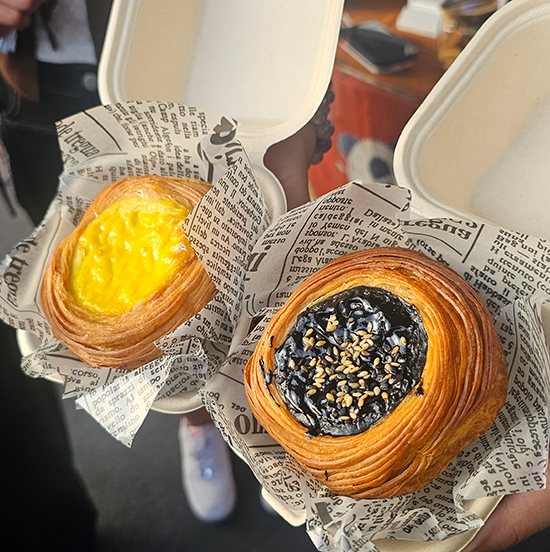
Sweet invention: A classic Hong Kong-style milk tea egg tart and its sesame-crusted counterpart from Maxim’s Group showcase how local pastry traditions get a playful, modern update along Central Harbourfront. Photo from AA Patawaran
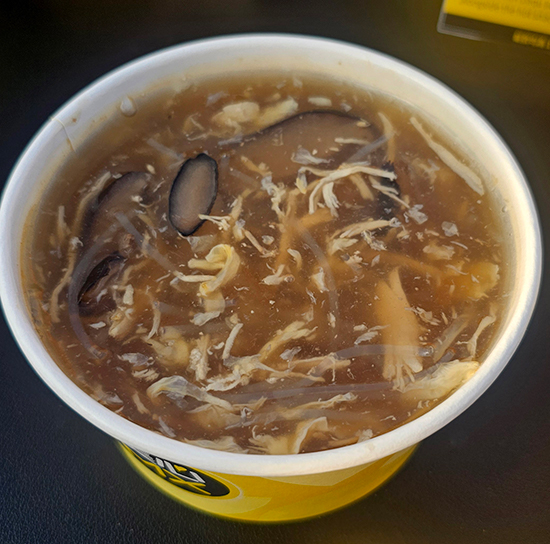
Streetside comfort: Infused with fragrant Huadiao rice wine, this classic imitation shark fin soup offers rich, comforting depth in every steaming bowl. Photo from AA Patawaran
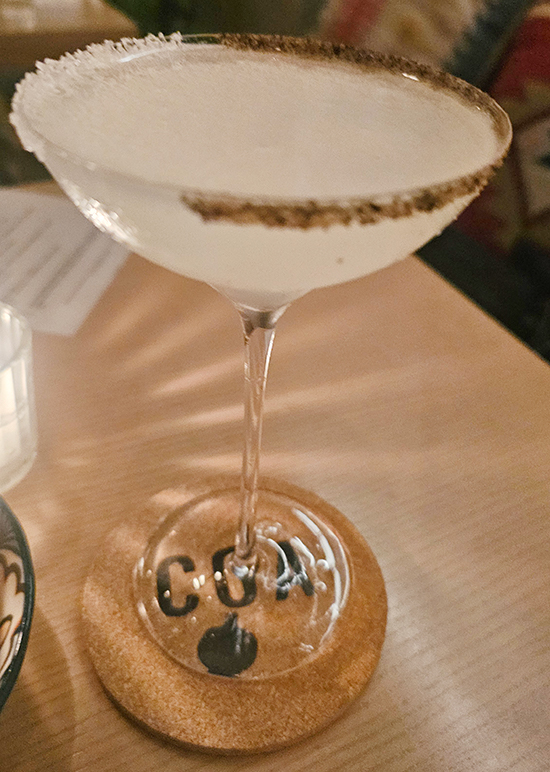
Three Salt Margarita: At Cóa, tequila, Cointreau, lime, and agave nectar find their edge along a rim coated in grasshopper salt, worm salt, and sea salt. Photo from AA Patawaran
Ocean brew: Steamed in beer and served hot at the Marriott Bonvoy pavilion, these savory mussels bring a comforting, broth-rich warmth to Central Harbourfront. Photo from AA Patawaran
Luxury in every bite: Belon’s decadent brioche beef tartare comes lavishly topped with a rich layer of Petrossian Tsar Impérial caviar. Photo from AA Patawaran
East meets West: Decadent hairy crab meets crispy dough in a playful, seasonal twist on traditional Italian pizza. Photo from AA Patawaran
Savory innovation: Seared scallops and rich mentaiko sauce transform a crisp pastry skewer into a bite-sized festival highlight. Photo from AA Patawaran
Turnip crunch: Crisped to perfection and topped with spicy XO sauce, these pan-fried turnip pudding bites deliver an irresistible blend of texture and umami punch. Photo from AA Patawaran
Glazed savory bites: Skewered morsels glistening with rich glaze offer a quick, playful taste of Hong Kong’s street-food heritage right along the waterfront. Photo from AA Patawaran
Citrus roll-up: Translucent, vibrant orange juice rolls bring a nostalgic, refreshing burst of fruit flavor to the festival grounds. Photo from AA Patawaran
Sweet invention: A classic Hong Kong-style milk tea egg tart and its sesame-crusted counterpart from Maxim’s Group showcase how local pastry traditions get a playful, modern update along Central Harbourfront. Photo from AA Patawaran
Streetside comfort: Infused with fragrant Huadiao rice wine, this classic imitation shark fin soup offers rich, comforting depth in every steaming bowl. Photo from AA Patawaran
Three Salt Margarita: At Cóa, tequila, Cointreau, lime, and agave nectar find their edge along a rim coated in grasshopper salt, worm salt, and sea salt. Photo from AA Patawaran
CLOSE
The harborfront makes a grand introduction, but it is only one way into Hong Kong’s food culture. Its pleasures extend from inventive festival fare to a chef adjusting a dish for one diner, a Cantonese restaurant serving familiar flavors in an unfamiliar setting, and a bar where a drink starts a conversation.

WATCH: LGBTQIA+ people with unlikely professions
June 28, 2026
WATCH: Do you still believe in marriage? (Generations Ep. 17)
August 19, 2026