

Why Filipinos feel at home in Edinburgh
When visiting Edinburgh, take a piece of advice from Scots and don’t waste time on extra syllables. Pronounced “Edin-bruh,” rather than “Edin-burrow” or “Edin-burg,” the city is, upon first glance, the Manila antithesis. A sky lined with historic buildings and Gothic spires built upon volcanic rock and the nearby sloping hills of Arthur’s Seat are a far cry from Manila’s towering skyscrapers and the constant common denominator of traffic.
At its core, however, Edinburgh is much like home. While its picturesque scenes are reminiscent of childhood storybooks and fairytales taking place in faraway lands, Edinburgh feels strikingly familiar, whether that’s because of the Jollibee right in city center, or something that courses far deeper.
In many ways, Edinburgh is an unchanging stronghold of the past in a time where cities are rapidly expanding and modernizing, dedicated to preserving its history and traditions. Edinburgh’s Holyrood Park, a go-to running spot for residents who enjoy its rugged terrain and basalt crags, has been largely undeveloped since the 16th century.
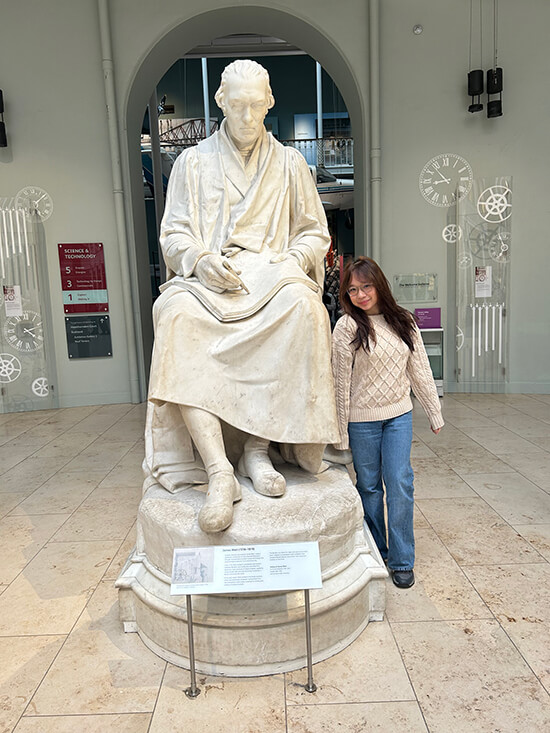
Scotland’s history, from its revered painters and writers to clan warfare and medicine, is splayed out across Edinburgh’s numerous museums.
Traditional gatherings called ceilidhs remain ever popular, where participants are invited to engage in ceilidh dancing to folk music and bagpipes.
While the idea of partaking in traditional Scottish dancing may sound intimidating, it’s a festive and surprisingly beginner-friendly way of immersing oneself in local culture, with strangers ready to lend a helping hand in a show of kinship that can only be encapsulated in the form of dance.
CONTINUE READING BELOW

In Edinburgh, each winter brings on the celebrations of Hogmanay, where streets are filled with the voices of thousands singing Auld Lang Syne, and every summer brings on the Fringe Festival, a vivacious merriment of performing arts. Edinburgh is a city dedicated to its history and culture, as well as its festivities.
However, Edinburgh is also constantly dynamic, growing in diversity and multiculturalism. Many Filipinos have placed down roots in Edinburgh, perhaps due to the city’s shared reputation for rainy weather.

Wandering around, notably the areas of West End and Haymarket, Filipino travelers will spot convenience stores selling pancit canton, Del Monte tomato sauce and nata de coco. When doing groceries, my household favorite Century Tuna is a must. Sometimes, at the end of a full day of classes, I head to the heart of Stockbridge, a quietly quaint yet popular neighborhood filled with independent shops not far from the center, for a quick halo-halo or arroz caldo at a local Filipino café.
While Edinburgh can feel wildly distant from the Manila I have always known, I’ve learned that glimpses of home can always be found even in the most unlikely of places.

In my first weeks of university, I tried haggis, a meat dish made from sheep innards, and a notorious challenge among most students who had moved to the United Kingdom for the first time.
My first thought was simply that it seemed to be the Scottish equivalent of balut! Later on in the semester, my linguistics classes taught me of efforts to preserve the Scottish Gaelic language in face of the dominant English. The fierce protection of Scottish culture reminded me of the push to preserve local dialects, indigenous languages and scripts in the Philippines, particularly with the rise of cultural and artistic uses of Baybayin.
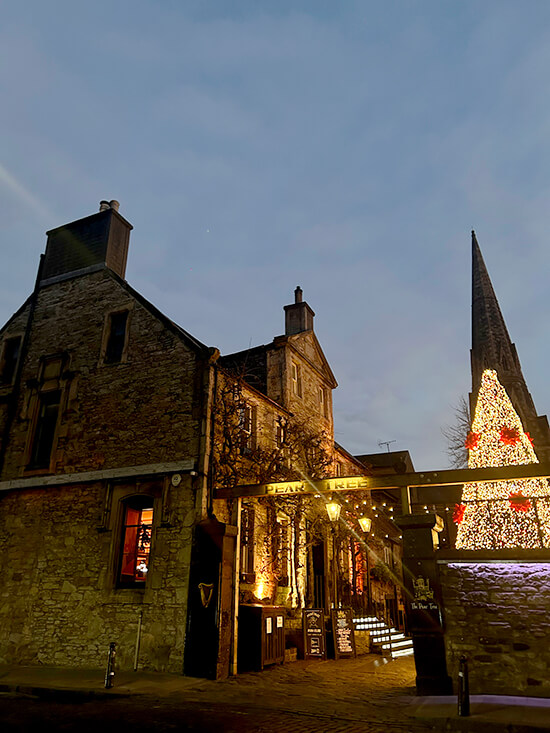
Sitting in the Pear Tree, a local pub near campus, I listen in while those around me tell stories from their family homes in Manila, Isabela or Leyte in Filipino languages tinged with various Filipino, American, English, Scottish, and Irish accents, among others.
Edinburgh University’s Filipino Society is an amalgamation of Filipinos from a multiplicity of cultural upbringings, all joining together to celebrate their familial heritage.
The society hosts frequent karaoke socials and Filipino home-cooked dinners in some of Edinburgh’s historic buildings. Here, where the smell of freshly fried lumpia and homemade adobo floods the room, and the person seated next to me nods in recognition at the mention of destinations like Siargao and Vigan, and someone agrees that Jollibee spaghetti is not too sweet, the sense of homesickness that rests deep in my gut abates.
“It doesn’t cost anything to be kind,” said the Edinburgh taxi driver, in a thick Scottish accent I was still learning to understand. But hearing this, I thought of Manila, and the kindness of Filipinos who always offered smiles and friendly conversation.

Edinburgh’s dedication to tradition and community reminds me so often of home. Its festive nature is rivaled only by the Philippines and its beloved months-long celebrations of Christmas and the art of ceilidhs are reminiscent of the familiar late-night karaokes after family gatherings, where music underscores bonding and a convivial atmosphere.
Continents apart, and despite their fundamentally opposed climates, Edinburgh and Manila come alive through their shared emphasis on community, solidarity, and kinship.

WATCH: Pixar Summer Fest adventure at Hong Kong Disneyland
August 10, 2026
WATCH: Is OPM still as good as it used to be? (Generations Ep. 20)
September 9, 2026