Tipping etiquette among eating buddies
Filipinos are incorrigible foodies. We love to eat—preparing and serving delicious home-cooked meals for our families or setting out to try new restaurants we’ve read about on social media. Eating is simply our favorite pastime, so foreign visitors are often amazed at how we manage to eat more than three times a day.
Celebrating special occasions becomes more fun when dining with family and friends. We rarely run out of excuses to eat out—reunions, catching up with friends, birthday blowouts, and even work-related meetings.
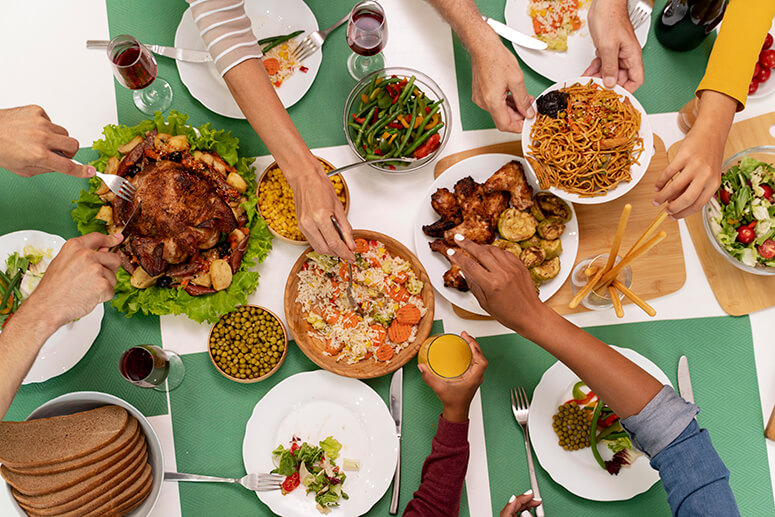
This question came from a millennial lady who has a group of eating buddies who enjoy going to newly opened dining hot spots to check out their food offerings. They consider it an adventure to be among the first to do so.
* * *
Tips on tipping
Q: I have a group of good friends from high school who meet regularly so we can try out the latest exciting places in Manila. TBH, all of us love to eat. I am normally tasked with looking for new restos and organizing the details of our next dining adventure, so I try to come up with at least three choices that we can vote on via our Viber chat group. Since I usually recommend the dining places, I end up making the reservations, too, so they are always under my name.
When our group orders several dishes that everyone gets to try, we usually rack up a hefty tab, which isn’t a problem because we always split the bill evenly.

However, when payment time comes, I have to remind everyone that we need to give a tip because it’s the right thing to do. Some of them say, “May service charge naman!” while others are simply reluctant to contribute. When they do give something, it’s spare change. Since I personally value good service, I usually end up giving more to make our tip decently acceptable.
How do I convince my friends that sharing in a generous tip should be part of the deal?
A: Tipping in the Philippines is not mandatory, unlike in the US, where 15 to 20% of the bill is the minimum expectation. That said, the amount we spend on tips should depend on the assigned waitstaff’s quality of service. If the waiters are extra solicitous and efficient, you should give them at least 10% of the bill as a tip. If you’re feeling generous, perhaps 15%.
In your case, you are right to expect your friends to share in the cost of the tip. I suggest establishing a rule or agreeing at the outset that when you split the bill among yourselves, you should also split at least 10% of the total for the tip. For example, if your tab comes to P5,000, the tip should be P500. For a group of five or six people, that would amount to less than P100 each. Think of how your P500 gratuity will be divided among the entire service crew.
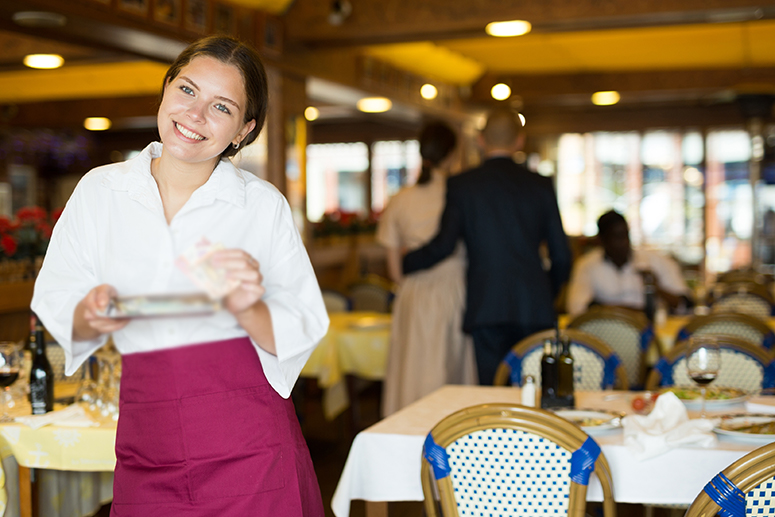
Filipino waitstaff are generally courteous, helpful, and willing to “bend over backwards” to accommodate your requests. We must show our appreciation for our hardworking Pinoy service crews by giving them the tips they deserve. Tell your eating buddies that generous tipping raises the morale of the service crew—and goes a long way in helping support their future and their families.
On the other hand, if the service is unsatisfactory and the waitstaff walk around with a scowl, you can certainly reconsider leaving a tip.
Although tipping is usually expected at high-end restos and family dining places where waiters are well-trained and work extra hard to please you, diners should also consider giving minimal tips to staff in fast-food shops, or even more so in local eateries that you frequent. Remember, these are often younger workers who are just starting their careers in the service industry, so reward good work early.
* * *
‘My treat, my tab’
Q: When dining in a restaurant with invited friends, how can we avoid the very Filipino habit of “insisting” on paying the bill, especially when both parties strongly feel about picking up the tab? Can we bring extra guests when we are invited by a host?
A: I have encountered this situation many times, here in the Philippines and abroad. I think it’s very sweet that both parties try to grab the bill, which generally leaves the poor waiter flustered—especially when credit cards are being held out to him.
To avoid such potentially awkward moments, I believe the basic rules should be:
Whoever invited the other person is expected to foot the bill, especially if you are the only guest.
If you are the host and you know your guest might attempt to pay the bill, you can inform the manager beforehand (upon arriving at the restaurant) of your intention so they can hand the bill directly to you.
You could also discreetly excuse yourself from the table in the middle of your meal and hand your credit card to the waiter or manager, with instructions to charge the bill to it. Then you can simply sign at your table or at the counter.
The rules slightly change when you decide to bring company. In that case, it is good manners to offer to split the bill with your host. If the latter insists that it’s their treat, then accept the offer graciously and offer to treat them another time.
When you are invited for lunch or dinner at a restaurant or to your host’s home, it is good manners to inform your host if you plan to bring someone along.
Here are some valid reasons:
“My son is driving me.”
“I have to pick up my daughter from school before our lunch, so may I bring her, please?”