

What the sea finds
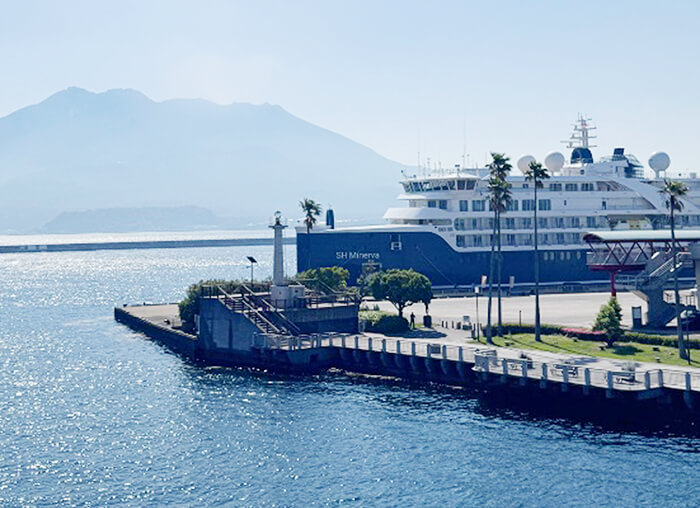
To those more acquainted with big-box entertainment cruise travel, the Swan Hellenic Minerva is a deceptively modest affair. Instead of the hundreds or thousands of cabins on many cruise ships, there are only 76 suites and staterooms on the Minerva, room for about 150 guests, serviced by about 120 crew.
Veterans and enthusiasts will know that this spells luxury, and not lack—one may liken the ship to a boutique hotel offering an impeccable degree of personalized service and care. A few days in, and everything turned friendly and familiar: the breakfast chef knew his way around my morning eggs; I knew the bartender by name and they knew my drinking schedule; and the guests all knew where everyone liked to sit at meals, whether at the cozy Swan restaurant or the spacious Scandi-style dining area on Deck 7.

But more precisely, the Minerva’s size is an indicator of its versatility and, shall we say, its sense of purpose. Smaller cruise ships mean rarer and more adventurous routes, especially those that figure on the bucket lists of those who have it all and have seen it all. The Minerva is designed to do it all—enable its passengers to “see what others don’t,” by being small enough and tough enough to be where other ships can’t, from the narrow passages to the remote anchorages charted into the map of our journey.
We had boarded just a couple of days before, at the port of Manila, after filling up a three-page form that lined up our stops and landings from northern Philippines to the southern islands of Japan. Conscious of my unreliable late-middle-age fitness and my fluctuating span of interest and attention, I carefully chose cultural tours over hiking adventures, castle grounds and gardens over stairs and terraces.
But seeing my fellow travelers at the mandatory briefing on the observation deck, I was reassured by the range of ages and persuasions. There were men and women surely 20 years older than me, there was a young, leggy couple who seemed used to such adventures, and I caught sight of a couple of toddlers traipsing around their parents. I’d been told that this was the luxury segment, but I was comforted by the fact that there was not a single loud designer logo in sight.
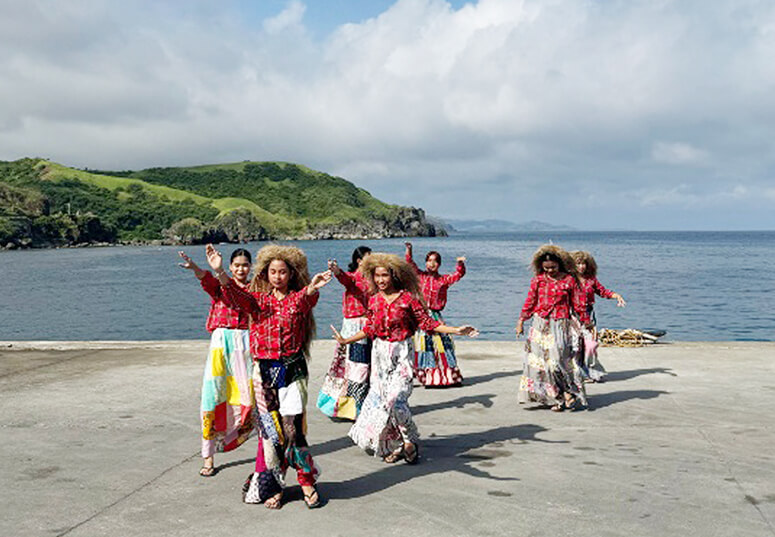
As we sailed the waters of the Lingayen Gulf and skirted the scattered islands of Pangasinan, the Minerva cut a compact, sturdy figure on the water. I looked back at it with affection as we perched on our heavy duty Zodiacs, lurching toward our next landing on the master itinerary, each different from the last. At the Hundred Islands in the Lingayen Gulf, the colossal religious monuments bewildered me as much as the bizarre karst formations did. As we exited the archipelago a day later, at Sabtang island, part of the Batanes Group, the green, rolling landscape was as wide as the seascapes we sailed through in between.
CONTINUE READING BELOW

Each time we headed back, energized by the day’s outing, I found myself very much in the moment, gripping the nylon rope, grinning nervously at my companions, thrilled to the thought of overturning as we skimmed across the whitecaps. Ten minutes later, I was in another kind of zone, picking off appetizers from a continental buffet.
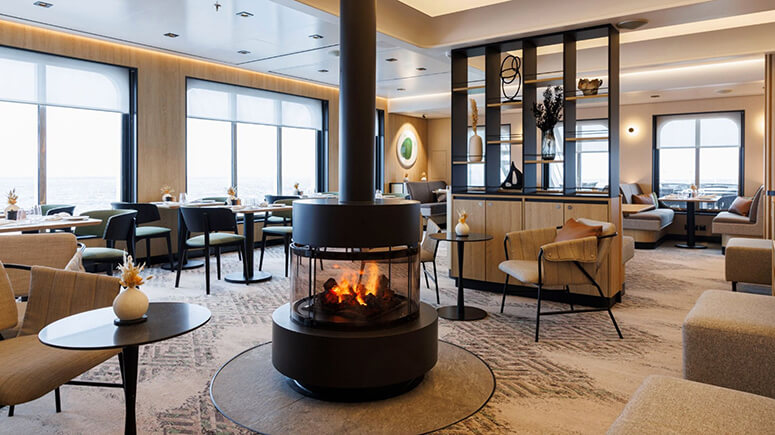
The days at sea, when there were no scheduled landings, and the Minerva was completely surrounded by the horizon, gave me the downtime I had expected out of this voyage. There were thoughtful lectures on history and science at the observation deck, designed around where we’d come from and where we were headed. I was particularly struck by the presentations of cultural anthropologist and resident lecturer Wade Davis, whose reflections on Filipino culture and history displayed an attentiveness not always found in foreign observers. There was much to explore in the rest of the ship, offering a range of social configurations—a library and a spa for those who sought personal time, a jacuzzi for couples and small groups, and a lounge for work, conversation, and afternoon tea.
We made quick, polite friends with quiet heirs and silent luminaries, testy adventurers and hardboiled travelers who were on their hundredth cruise. Because we were all soon to call on unfamiliar ports together, there was a weird camaraderie. I felt no need to introduce myself or tell them what I did for a living. I didn’t have to be funny or entertaining.
But the most seductive retreat was perhaps our stateroom itself. A round-the-clock room service menu, included in the cruise fare, offered the catch and the cut of the day, among a reassuringly wide range of hotel staples and favorites. If the going got tough, a rough seas package of crackers, apples, and bullion was always available. To complete the hygge experience, especially for colder expeditions, an electric fireplace crackled at the foot of the bed. I marveled at the ultra-realistic contraption, switched it off after enjoying the novelty—and hurriedly switched it on again a day later after I realized how much I had missed it.
At that moment, in a ship filled with every conceivable need and pleasure, surrounded by friendly strangers and strange new friends, set on a course for somewhere I had never been, I began to understand what expedition cruises were all about.
At the Swan Restaurant that evening, a dinner companion spoke glowingly of landing on Svalbard, of crossing the Drake Passage, and of seeing emperor penguins on the Antarctic mainland. This was the very ship, she explained, that had taken her there. I looked out through the wide windows into the dark, restless sea and imagined ice floes and glaciers far beyond our present voyage. For the first time since boarding, I felt the full measure of what the Minerva represented—not simply a means of travel, but a vessel of possibility.
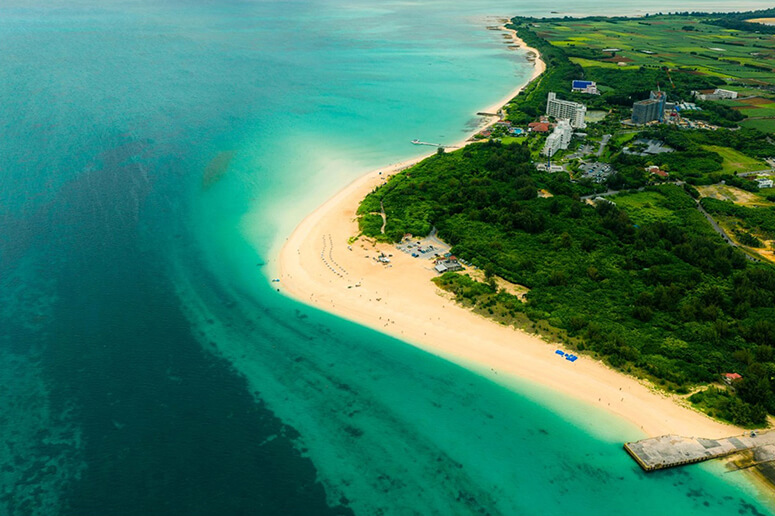
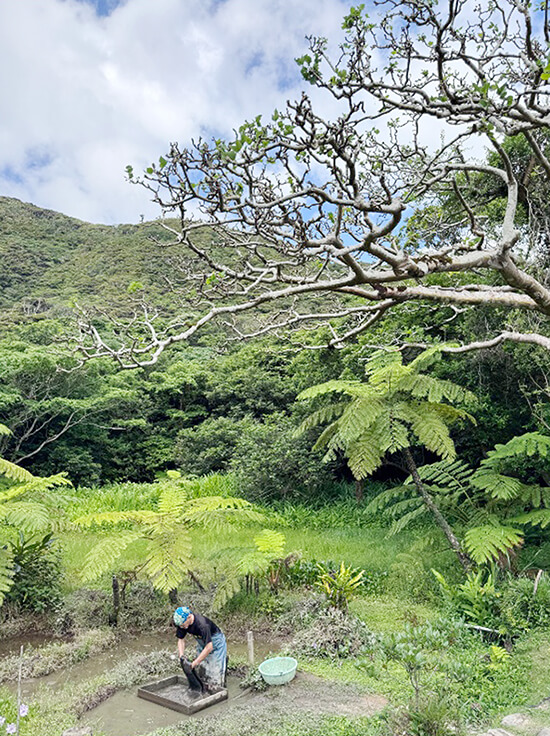
The route at hand had its own geography of discovery. I was an avid and frequent visitor of Japan, but it had never occurred to me to explore its warmer regions. The Ryukyu Islands—Miyakojima, Okinawa, and Amami Oshima—were also part of another history of island kingdoms, textile traditions, sacred forests, and hidden religious culture.
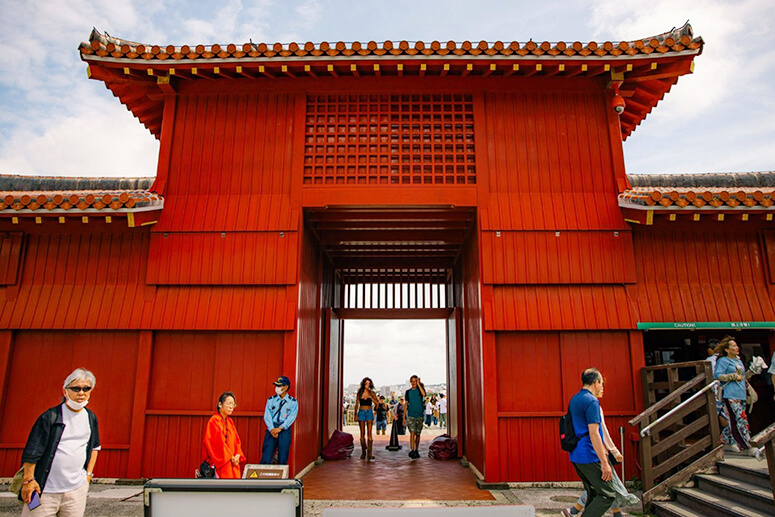
At Miyakojima, I was reminded once more of the Japanese devotion to exacting standards, whether it involved kimono making, salt production, or an unforgettable serving of soft-serve ice cream. Along the bright coast, the subtropical climate and decades of American influence produced a more relaxed, more outward-looking culture, with traces of California and the Pacific woven into everyday life. But the claustrophobic wartime tunnels and the adjoining Okinawa Peace Museum on Naha, Okinawa Island reminded me that wherever there is history, war is never far away.
The ship moved deeper into Japan. Unlike air travel, the journey introduced no hard borders, no yellow lines at immigration, no sharp distinctions of geography. From Filipino colonial life in Vigan to the indigenous Ivatan spirit in Batanes, and then to the distinct, hard-fought Okinawan identity, the only transition was the unremarkable sea. In between, the Minerva rocked and swayed through the night, gentle enough to give unexpectedly peaceful slumber, strong enough to carry our excitement for the days ahead.
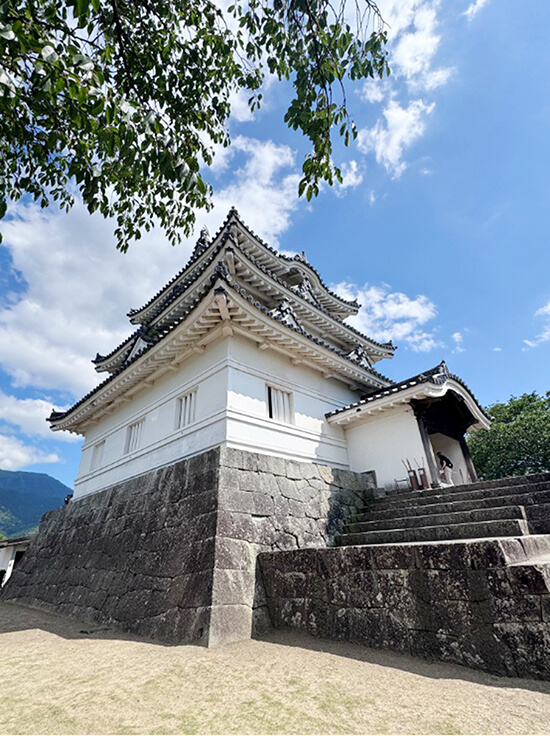
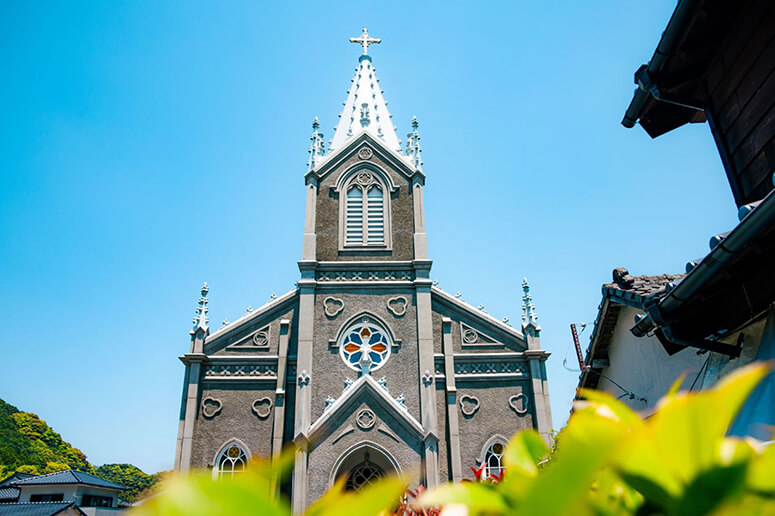
A bright, hot morning brought us to Sakitsu Village, a disturbingly quaint fishing community that secretly harbored Christians for centuries despite government persecution. Within walking distance of each other stood a Catholic Church, a Shinto shrine that provided religious cover, and the requisite Buddhist temple. When the heat turned harsh, we ducked into a café where the owner proudly told us that the tuna she served had been caught by her brother, a Sakitsu fisherman. At Kagoshima island, the Sakurajima volcano, active and smoking, loomed over the town that tenaciously clung to its slopes. But at Uwajima, it was its eponymous castle that held the high ground.
Back on deck, the atmosphere turned festive as the crew welcomed a Japanese chef and their fresh catch onboard. With the stories of tunnels, mountains, castles, and empires behind us, it would soon be time for a farewell party where the resident DJ—Pinoy, of course—quickly set the mood for a conga line, and for me, a last walk on the deck under the stars.
After 12 days of sailing, we docked at Hiroshima, where most of us would send the Minerva off to its onward travels to Korea and beyond. Hiroshima gave us stillness and silence. The dark narrative that ran through the Peace Memorial Museum was suddenly too familiar. We had all read and heard something about the bomb, the overwhelming numbers of magnitude and loss, the uncountable toll that swept through generations. This close to the stories of their interrupted lives, I understood that we owed them peace.
On our connecting flight home, looking out the window at the living map of Tokyo at midnight, I began to miss the ship. I longed for its gentle routines, its people and its ports of call, and all its future destinations.
***
To book your own Swan Hellenic journey, contact Executive Resources, Inc., General Sales Agent for Swan Hellenic Expedition Cruises, at sh@executiveresources.com.ph or at +639175781642.

WATCH: Can you still trust someone who betrayed you? (Generations Ep. 22)
September 23, 2026
WATCH: How to experience Bangkok and Kanchanaburi in one trip
October 21, 2026
WATCH: Do you still believe in marriage? (Generations Ep. 17)
August 19, 2026