

Of homes and happy places
We often think of home as the place where one resides. But it is much more than that. It is where one’s heart feels most comfortable and at ease. It could be more than one place, and wherever that may be, it becomes part of who one is. For some, there is one spot or locale they think of as their happy place, which triggers positive emotions.
As I look back at my travels and the places I’ve lived, I’ve come to think of some of these places as home, while others have opened my eyes to the wonders of our world and taught me valuable lessons about life. They still bring back cherished memories.

The beaches of Palawan have been a refuge for me over the years—ideal spots for reflection and solitude. They have provided respite from the chaotic and harried aspects of city life. Here, you are one with the sea and sky, and every sunrise and sunset seems to bring fresh perspectives on life. I’ve always been drawn to its dramatic sunsets, each one remarkably different. As the day draws to a close, the horizon takes on many moods and hues. Here, where there is a calm stillness in the air, everything comes into sharper focus. All it takes is a few days spent by the sea to refresh one’s spirit and bring forth new insights.
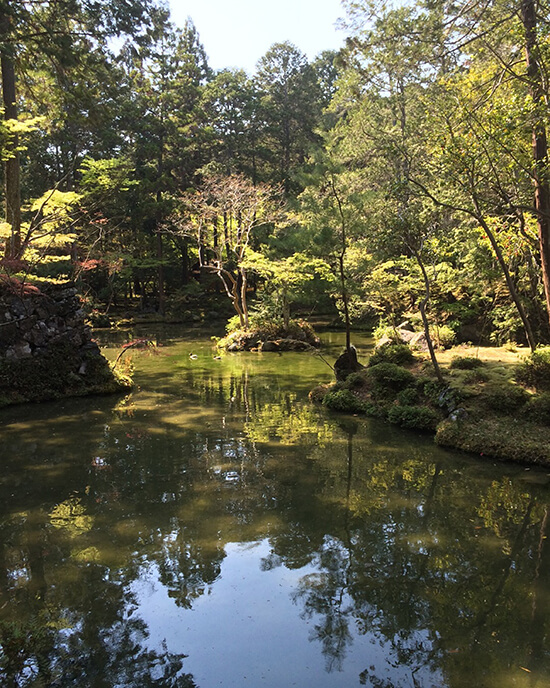
The city of Kyoto is home to some of the world’s most beautiful and sublime gardens. In its varied forms, the Japanese garden speaks to the people’s affinity with nature and the need to live in harmony with it. In early spring, when cherry blossoms come into bloom, people turn out in full force to celebrate their arrival. It is a time when everyone reflects on the transitory nature of life and truly lives in the moment. Visiting the Zen temple gardens of Kyoto—in the austere rock garden of Ryoan-ji or the ethereal moss garden at Saiho-ji—nature and manmade beauty come together. Here, time seems to stand still, and you feel as though you are one with the garden. I often think about those moments and how they inspired reflective pause.
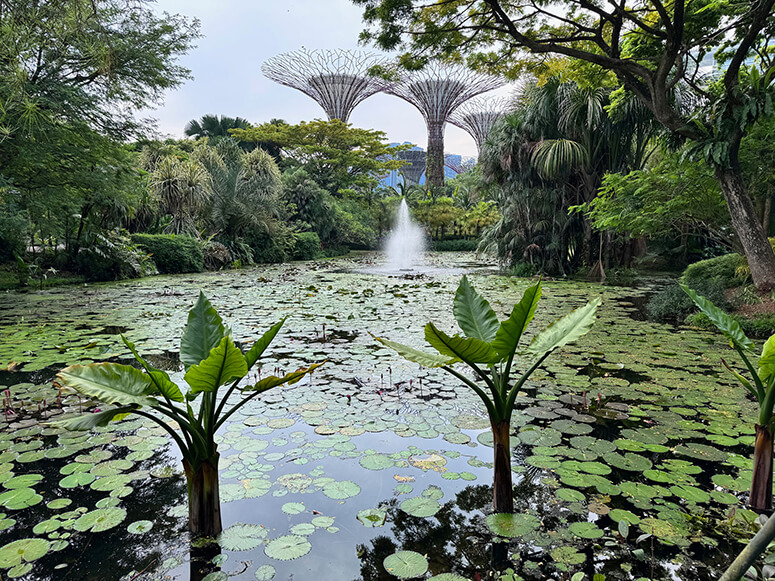
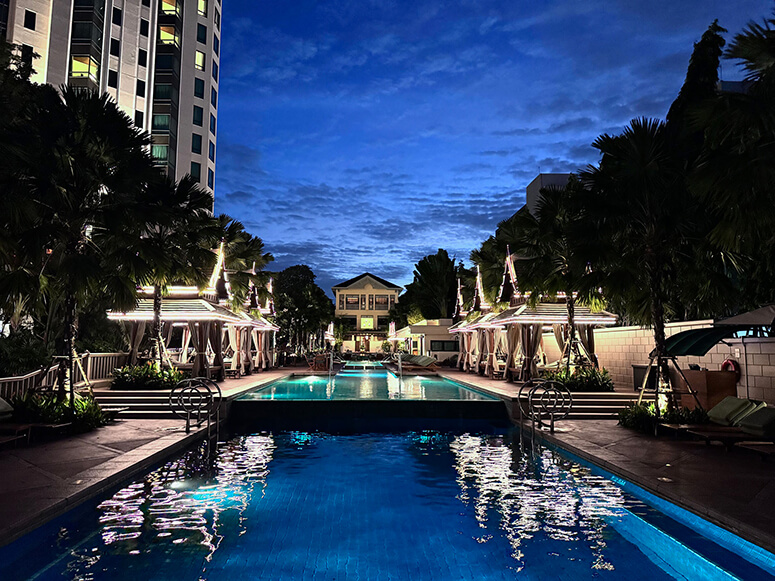
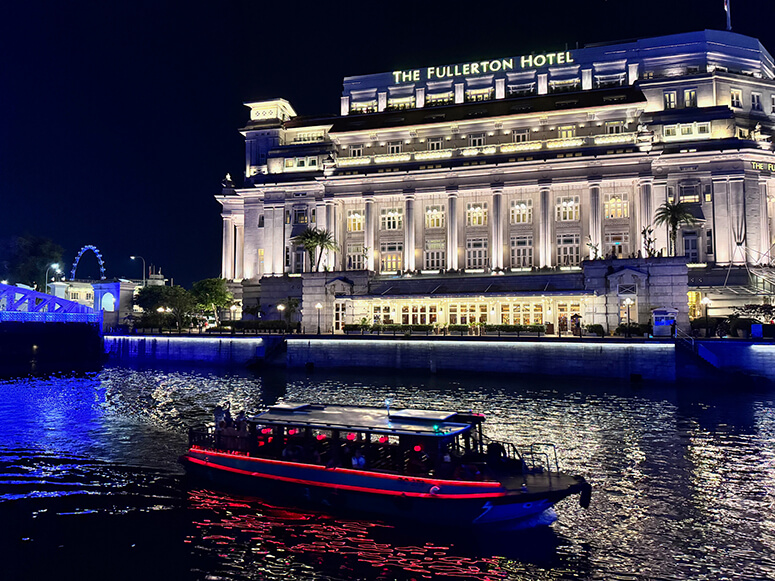
I’ve visited Singapore and Bangkok regularly over the years. Each is distinct in character and appeal, but both show how far Southeast Asian cities have come. It’s easy to feel at home in Singapore. The city is green, clean, and equipped with all the conveniences of a thriving metropolis. The cityscape is marked by contrasting elements of contemporary and local life, reflecting its multicultural heritage and growth story. There is an ease of movement when traversing different parts of the city. Varied diversions are likely to suit just about any visitor—from indoor and outdoor gardens, riverside promenades, and nature walks to upscale shopping and dining, a burgeoning restaurant and art scene, and ethnic neighborhoods brimming with souvenirs and collectibles. Once a humble fishing village, Singapore has risen to become one of the most dynamic cities of the 21st century.
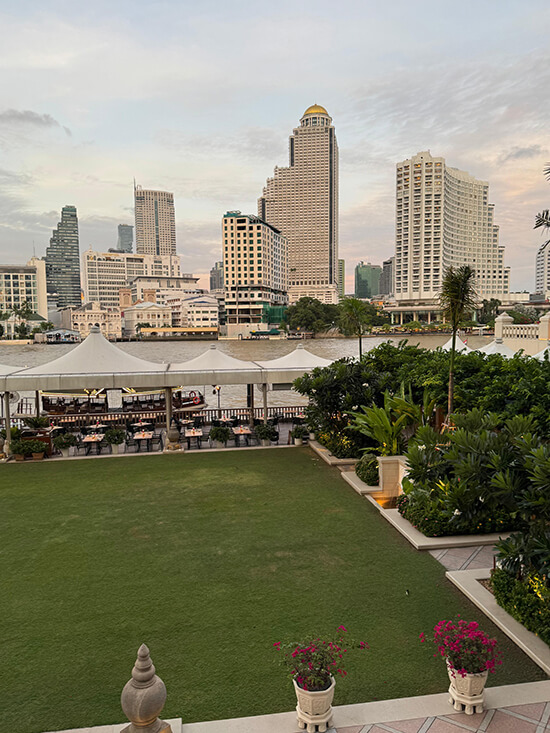
The tradition-bound culture of Bangkok embraces contemporary influences while holding on to the legacy of Thailand’s historic past. It does so with verve, daring and exuberance. Global trends and recent developments continue to shape and reshape the urban skyline. The Thai concept of sanuk, or living life to the fullest, is evident in the rhythms of daily life. Whether savoring the staples from street kiosks and roving vendors or taking in temple fairs and dazzling festivals, city dwellers always carve out time for fun. These multilayered aspects of life still lure me back to this city, where something new and fascinating always awaits visitors.
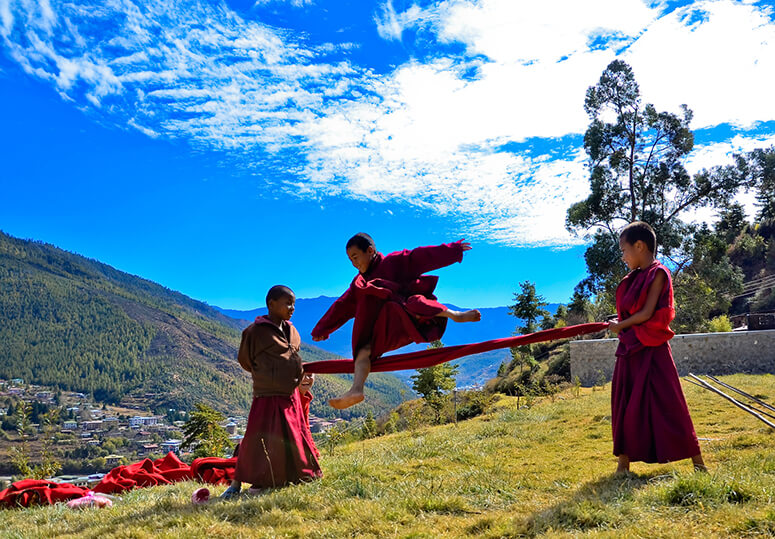

In the Himalayas, the breathtaking landscapes of Bhutan remain clear in my mind’s eye. The mountainous terrain gives way to wide valleys, sloping hillsides punctuated by clear rivers and streams, and rice fields that glisten golden in early fall. Centuries-old Buddhist teachings shape everyday life—from the kindness and compassion of the people to the religious rituals that give meaning to life. All forms of nature are regarded with deep respect, and all things are seen as interdependent parts of a greater whole. During my two visits to Bhutan, I felt a sense of belonging and of home in a place and culture that could not be more different from my own. What I still hold close to heart and mind are the wonders of the natural environment and the deep spirituality that dwells in the land.
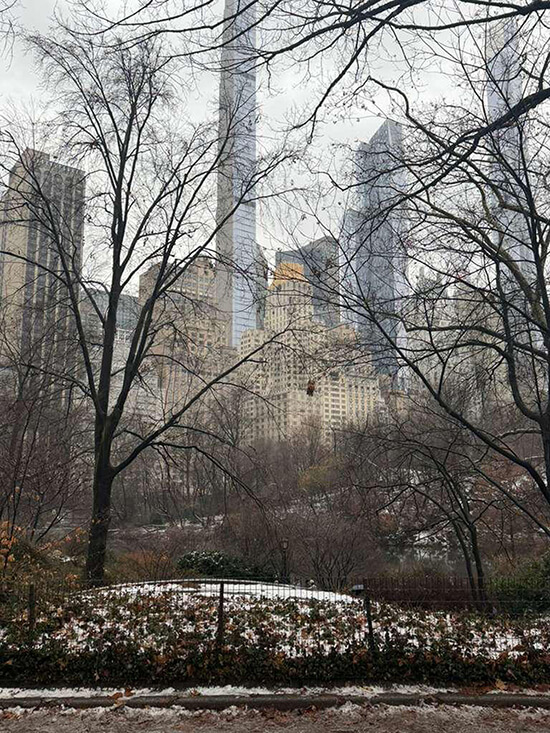
New York was home to me for several years while I was in college and graduate school. Those years nurtured my creative spirit and later shaped me as a writer. New York may seem larger than life, but it is really a series of neighborhoods, each part of the mosaic of city life. Bursting with unmatched energy and dynamism, the city is defined by transformation and regeneration. With year-round events that highlight the arts and culture, as well as political and international affairs, I’ve come to think of it as an extension of the university, where opportunities for learning are everywhere. Still, there is nothing more magical than seeing the city change with the seasons—the tulips that come to life in early spring, the russet leaves of autumn, the snow that blankets the grounds of Central Park in winter, the leafless trees that frame the park’s vistas. In New York, change gives way to endless possibilities. The city lives by this premise and thrives on it.
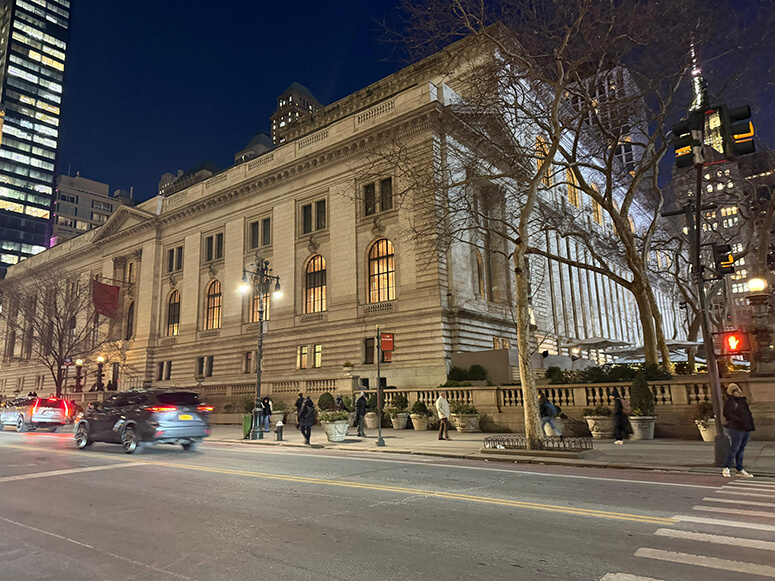
In a world that has become ever more complex and fractious, we need a sense of constancy that comes from taking refuge in our ideas of home—our happy places—where we can relive precious memories or create new ones all over again.

WATCH: Pixar Summer Fest adventure at Hong Kong Disneyland
August 10, 2026
WATCH: Is Gen Z too soft? (Generations Ep. 23)
September 30, 2026