

Suited for the presidency
It’s not often that a world leader’s sartorial choices get noticed, since they’re usually staid and businesslike. So it was unusual that President Ferdinand “Bongbong” Marcos Jr.’s landing outfit in New York for his United Nations address and business trip generated a lot of memes and became a trending topic online. The dark overcoat may have been the usual, but what set him apart were the accessories: a fedora that gave an air of Old World sophistication and a red foulard that punctuated the look with youthful élan.
At the UN, of course, it was a perfectly tailored three-piece suit that was befitting of a head of state, giving him authority and credibility in addressing the international body. Back home, he is known for his impeccably cut barongs, and even when he does his rounds, it’s a smart polo barong or linen shirts in cool pastels.
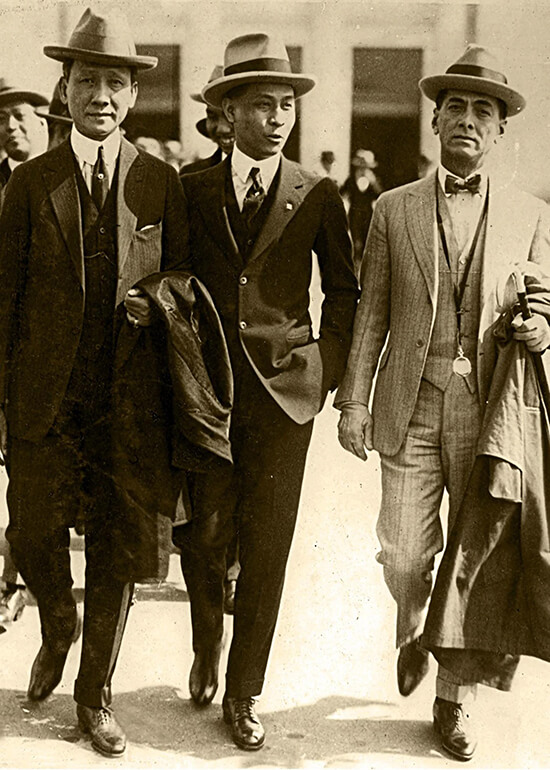
The fedora was actually a standard accessory for our grandfathers, worn together with sharkskin suits and co-respondent shoes. There’s a photo of three Philippine presidents—Manuel Quezon, Sergio Osmeña and Manuel Roxas—wearing them during a US visit in 1935. They were also known as sharp dressers. Although Quezon has a photo wearing a beautifully embroidered barong, it was Ramon Magsaysay who made it de rigueur for official functions and formal affairs after becoming the first president to wear it at his inauguration in 1953, signaling his pro-Filipino administration.
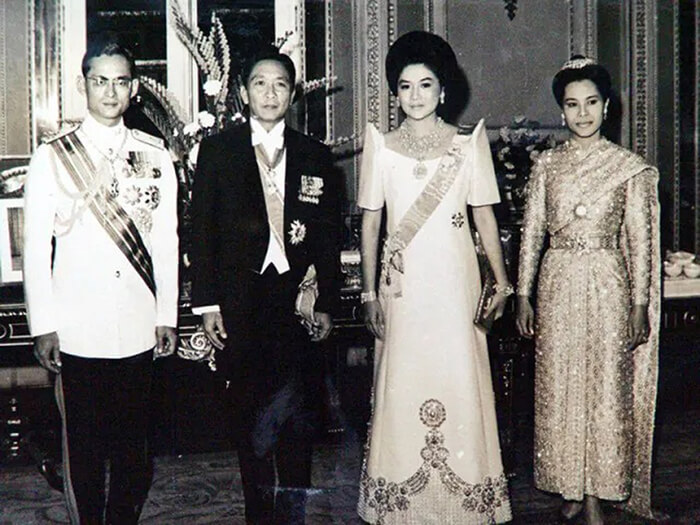
The president’s father, Ferdinand E. Marcos Sr., was also known for his sartorial elegance, with a fit body to showcase the Pierre Cardin barong (introduced in 1971 by Giovanni Sanna at the designer’s Manila boutique but later known as the “Barong Marcos Style”) and other styles with intricate embroidery, elevating the national attire in international diplomacy while promoting our design and craft industries.
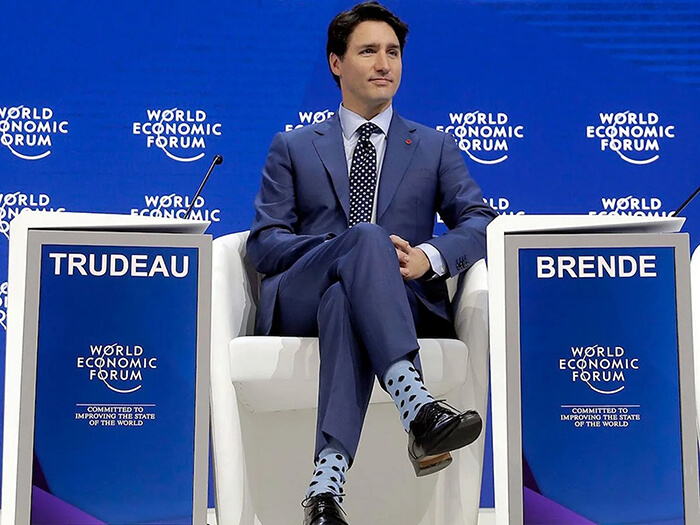
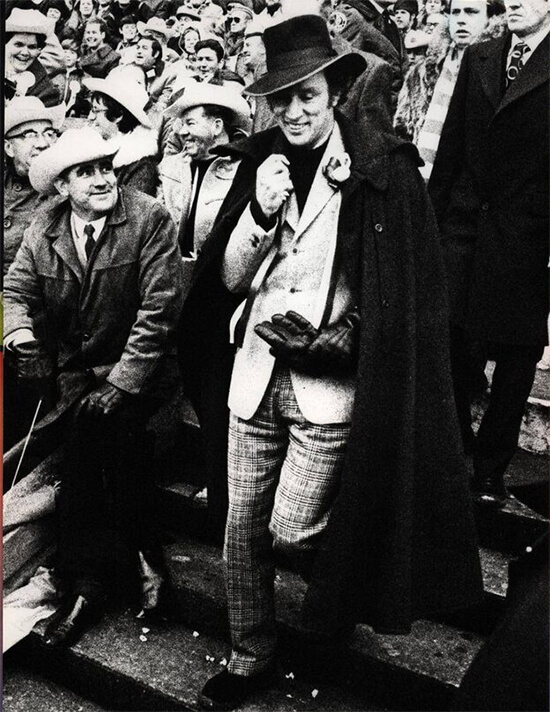

Another father-son style duo was former Canadian prime ministers Pierre Trudeau and Justin Trudeau. The father’s style—capes, cravats, and more casual attire—was a key part of “Trudeaumania,” which broke the mold of conservative politicians in the late 1960s. It also influenced the son’s classic looks of well-cut suits worn with a wink through witty patterned socks featuring skulls and maple leaves, which landed him on the well-dressed lists of fashion magazines. Post-politics, he continues to make headlines in his relaxed looks with pop star Katy Perry by his side.
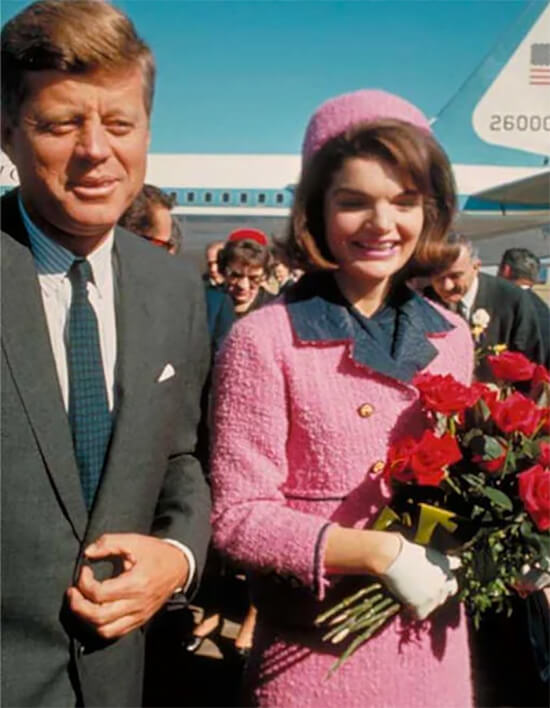
It’s a winning formula to have fashionable women in tandem with powerful men, as exemplified by former president John F. Kennedy and his wife Jackie, who became an enduring style icon. He popularized Ivy League-style suits and narrow ties, while his First Lady redefined American elegance with Chanel suits, pillbox hats, and clean silhouettes in the early 1960s. His assassination cut short his term, which came to be described as “one brief shining moment that was known as Camelot.”
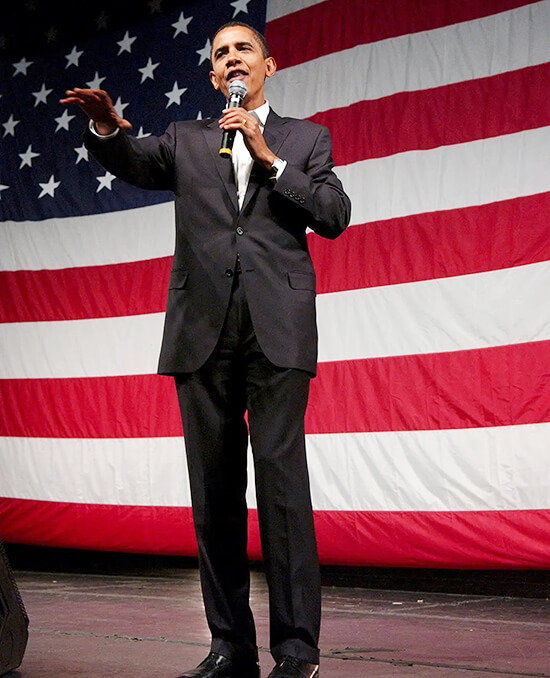
Four decades later, the couple would inspire president Barack Obama and Michelle Obama, whose term was described by fashion editor Robin Givhan as “Camelot with a tan.” Their version, however, is a deliberate, studied classicism updated with modernity and youth. He favors slim-fitting black suits that emphasize his lean, muscular frame while helping him stand out against the conventional blue suits on Capitol Hill.
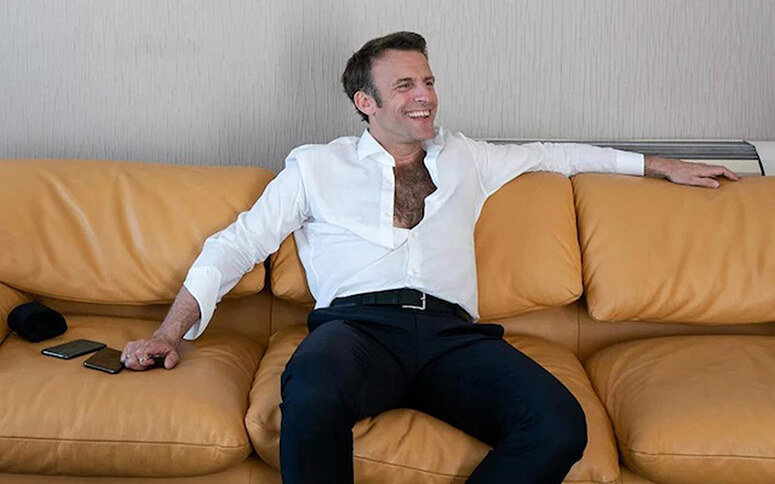
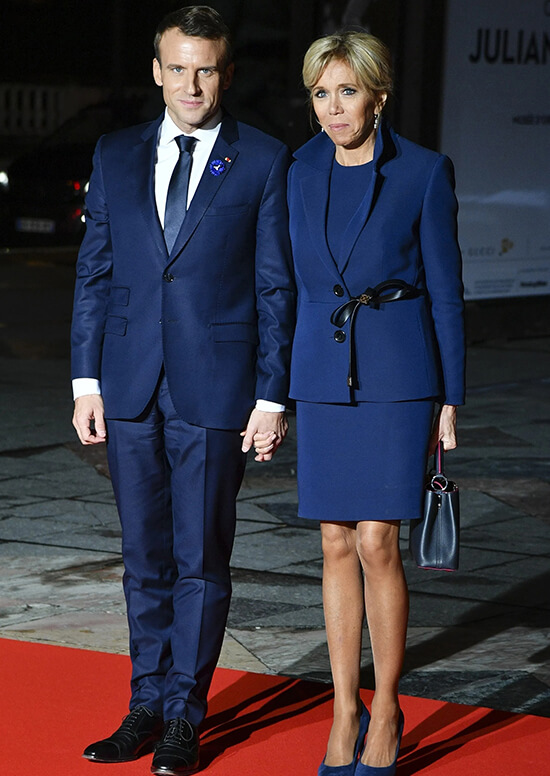
Across the Atlantic, Gallic elegance is exemplified by president Emmanuel Macron, who also has his wife Brigitte as a partner in promoting French fashion. Like Obama, he maintains a trim physique complemented by slim suits. Careful not to bolster his reputation for favoring the rich, he sticks to modestly priced pieces designed by Jonas et Cie. French as he is, however, he can also go for the dramatic and unexpected —wearing a hoodie in solidarity with President Zelensky of Ukraine or rolling up his sleeves and unbuttoning his shirt to reveal a hairy chest while on the campaign trail.
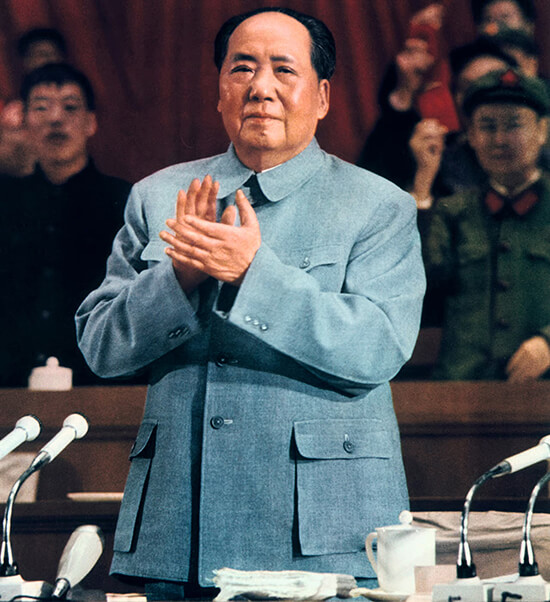
The visibility of world leaders no doubt makes them influential in fashion. Chairman Mao Zedong’s Mao suit—originally the Zhongshan suit introduced by republican leader Sun Yat-sen as a form of national dress with political overtones—came to be widely worn by male citizens and government leaders after the Chinese Civil War and the establishment of the People’s Republic of China in 1949. It was adopted by activists in the Philippines in the late 1960s to early ’70s, when Maoist ideology was in vogue, and also in other countries like France, where it represented left-wing leanings.
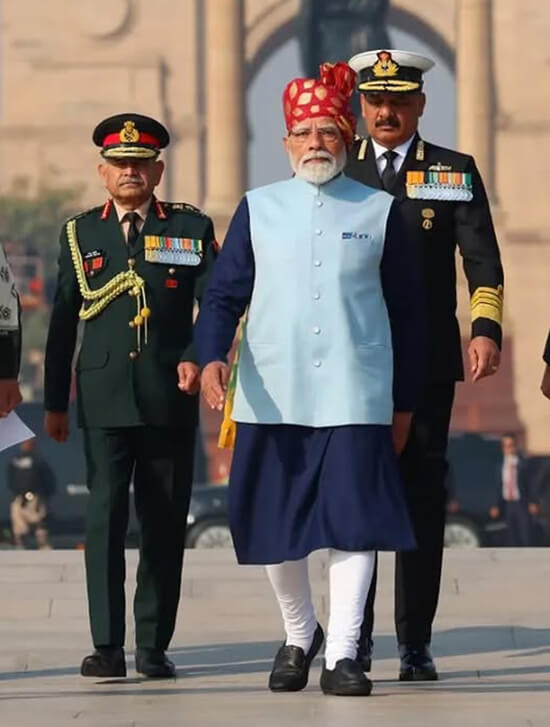
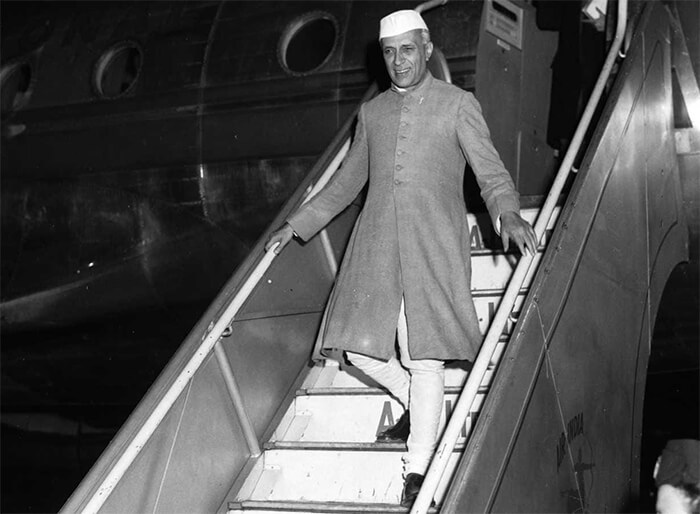
Another national attire was the Nehru jacket, named after India’s first prime minister Jawaharlal Nehru, who made the distinctive achkan short-collared coats famous. This prompted Western retailers to market shorter versions, which celebrities like the Beatles began wearing, fueling a fad among teens even in the Philippines. The current prime minister, Narendra Modi, considered a fashion plate, still wears them but with his own take. He has popularized the Modi kurta with its more modern and climate-friendly half sleeves, though he also has a wardrobe of full-sleeve kurtas that he pairs with vests in vivid colors and matching turbans, distinguishing him from other leaders at world summits.
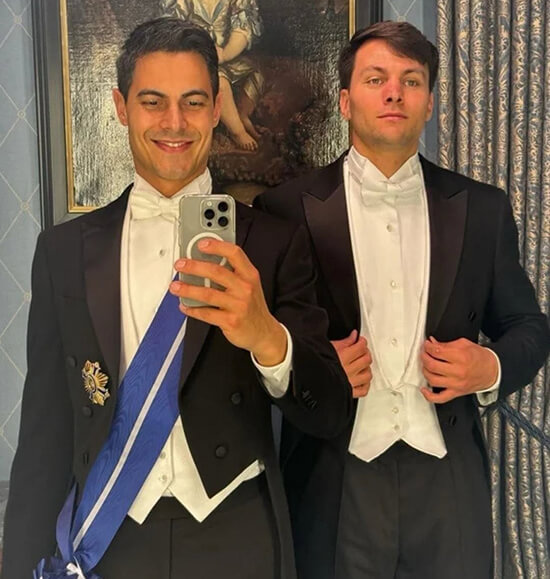
Among the new generation, The Netherlands Prime Minister Rob Jetten stands out for being his country’s youngest-ever and first openly gay leader, as well as one of the best dressed, with clean tailoring and athletic looks that have earned him the title “political pin-up.” What makes him even more fashionable is the fact that he is the living version of the viral TV series Heated Rivalry: engaged to Argentine professional field hockey player Nicolás Keenan, who is just as gorgeous. The couple appears together in fashion shoots dressed in Armani and has no qualms about their PDAs on TikTok. Just like what the series does for television, Jetten is changing the game for world leaders by making inroads for inclusivity and diversity.

WATCH: Save for retirement or enjoy life now? (Generations Ep. 21)
September 16, 2026