

From the villages of Guizhou to the world
(Part 2 of 2)
At the Langde Miao Minority Village, nestled in the mountains of the Qiandongnan Autonomous Prefecture in southeast Guizhou, members of the Miao ethnic group were already lined up to greet us as we alighted from our van—all in their embroidered finery and bejeweled in silver from head to toe. It was a most spectacular sight to behold as bamboo reed-pipe musicians heralded our arrival with the “12 courses of blocking wine” ceremony, a ritual welcome featuring rice wine served from buffalo horns that expresses friendship and hospitality.
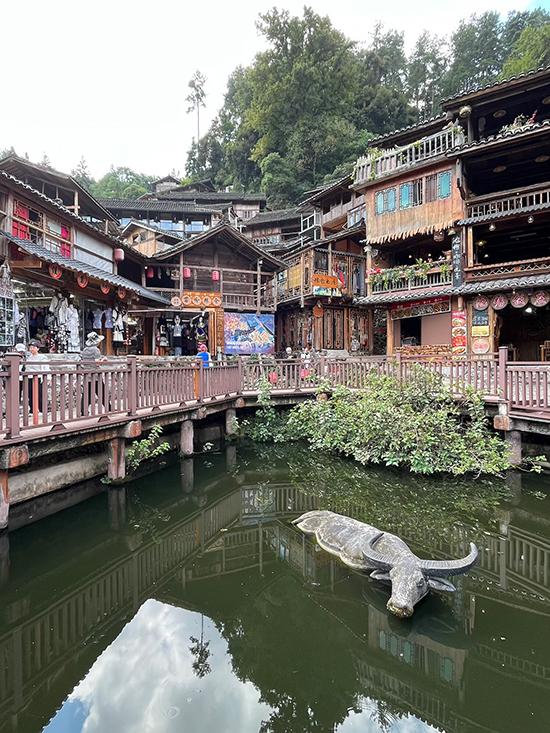
One can explore the village’s multi-story Diaojiaolou wooden stilt houses, which also house craft studios, stores and restaurants. Built above the ground and supported by wooden pillars, they adapt perfectly to the mountainous environment, reminding us of the ancient French town of Mont Saint-Michel, where trails of descents and ascents make exploration exciting.
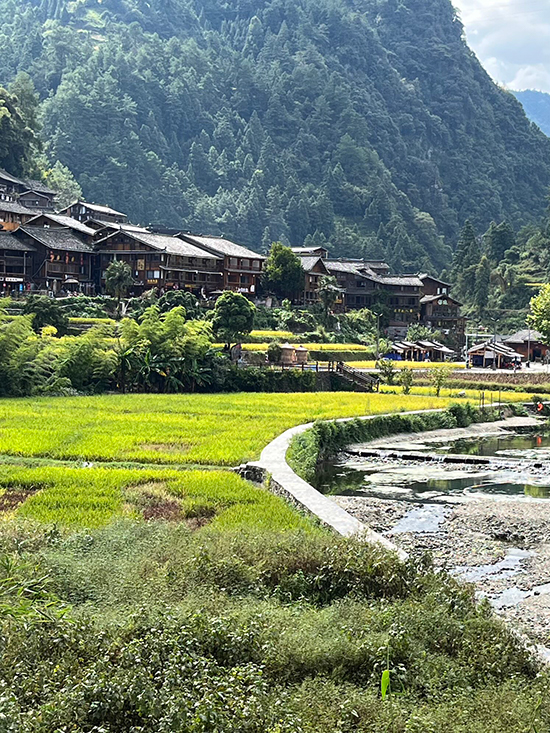
You sense the authenticity of homegrown elders and youth who are proud of their traditions, keeping them alive and happily sharing them with visitors, who include some foreigners but are mostly Chinese tourists. They are enough to fuel the tourism industry in Guizhou and elsewhere. The Miaos, in fact, have deep roots in resistance against imperial dynasties, and even though they have been forced to migrate to Laos, Vietnam, Thailand, Myanmar, and the US, they have fought to keep their culture alive.
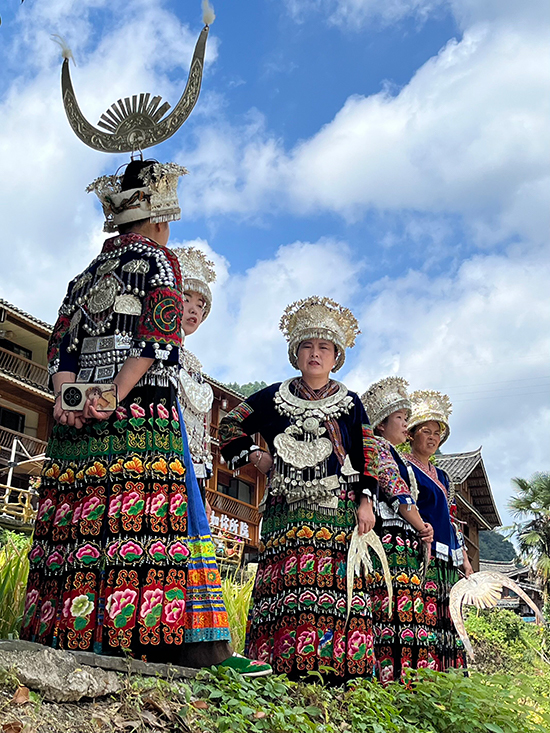

And it is, indeed, worth preserving. Their embroidery alone is exquisite, globally renowned for its visual artistry and depth of storytelling. It is often called “the Miao epic worn on the body,” reflecting their myths and histories through dragons, phoenixes, insects, fish, flowers, and the Butterfly Mother, their most venerated deity, who gave birth to Jiangyang, the ancestor of all Miaos. Waves represent the rivers crossed during migrations.
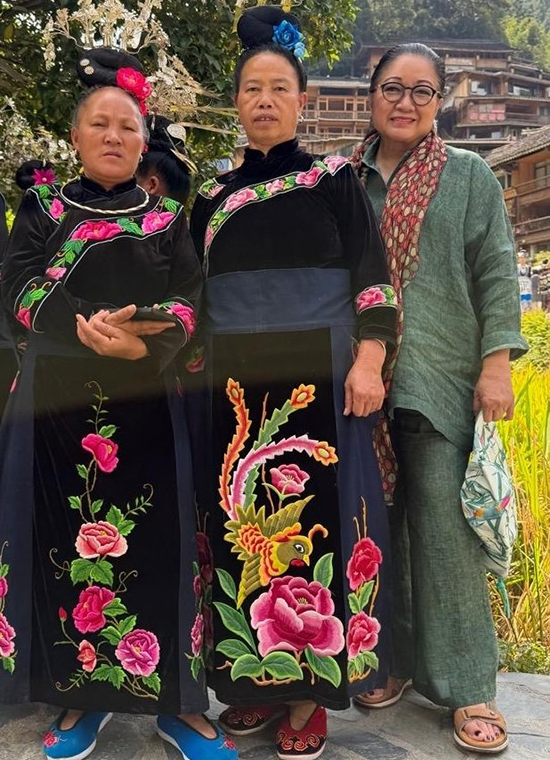
While other Miao subgroups wear short skirts or trousers, the Langde women wear ankle-length skirts, earning their branch the name Long Skirt Miao. At ceremonies, older ladies wear black velvet tops and pleated skirts, while the younger ones wear vibrant blue tops and skirts layered with embroidered panels that sway as they dance. A dress can take a girl up to two years to create by hand. Men wear symmetrical short gowns or left-buttoned long gowns over blue-black trousers.
There are elaborate indigo batiks, including a pristine, uncommercialized form called au tao, using the ancient wax-resist dyeing method for clothing, household items, and baby-carrying sashes. We made our own versions of batik scarves during a craft studio session, with varying degrees of success, LOL. Unlike master artisans who draw freehand entirely from memory, we used stencils that included pop designs like Labubu, a more relatable motif for the younger generation.
The Miaos are definitely maximalists when it comes to jewelry, piling on the silver like there’s no tomorrow, with some of the most massive and intricate crowns and necklaces weighing 10 to 15 kilos per set. The most striking are the bull-horn headdresses worn by younger women, honoring the water buffalo, which is sacred in their culture. In any case, silver is not just for display; the Miao believe it reflects pure light, symbolizes good fortune, and physically wards off evil spirits. In marriage, women wear specific “soul-locking” pieces to symbolically tie their spirit to their partner.
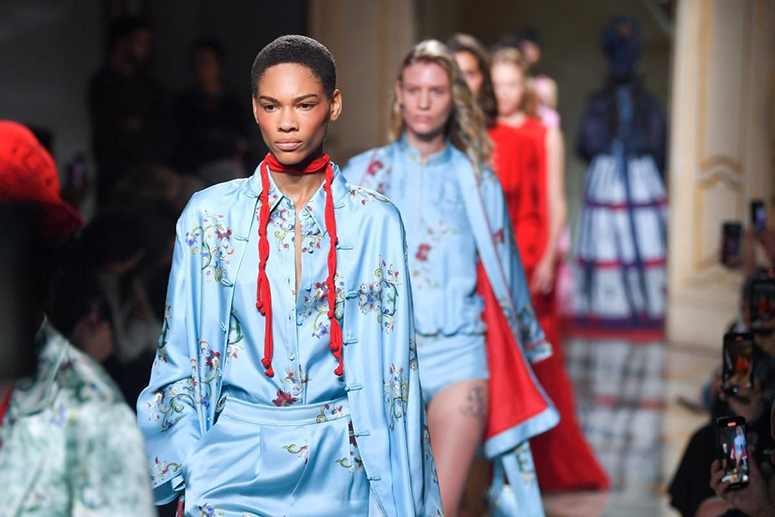
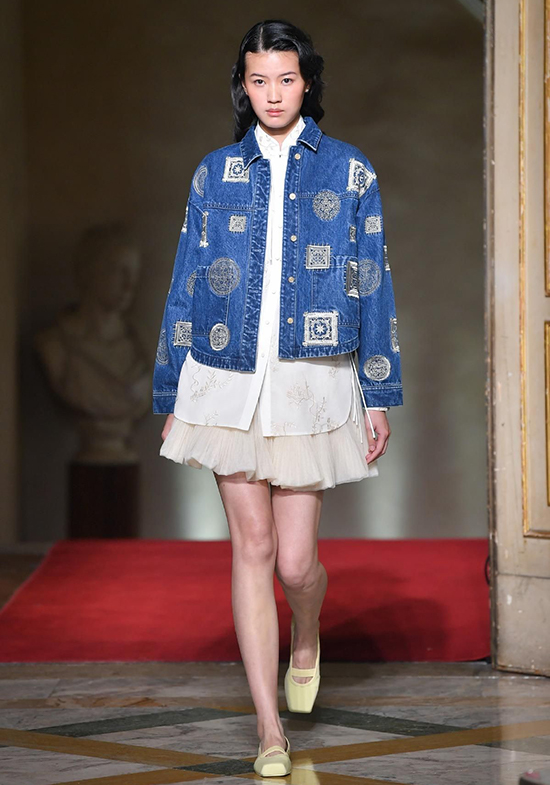
It’s no surprise that the Miaos have made waves on the world stage, with their embroidery and accessories featured in an exhibit and on the catwalk by Chinese designer Zhao Huizhou at Milan Fashion Week and incorporated into collections by Zhang Han at New York Fashion Week.
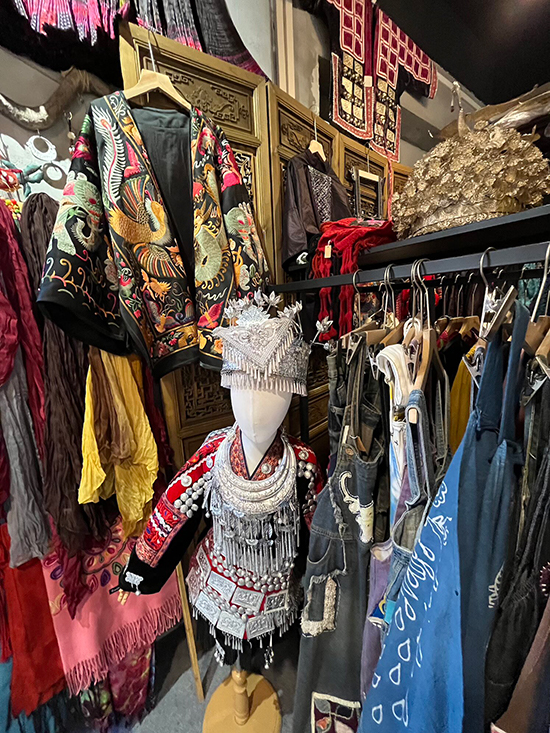
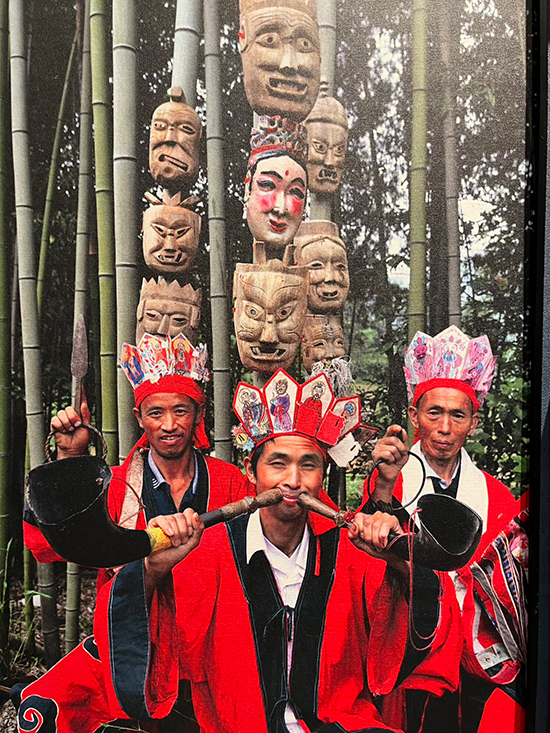
The importance of the Miao, as well as the other ethnic minorities, cannot be stressed enough, with a special museum, the Qiandongnan Minority Museum of Intangible Heritage, dedicated to them. Located in Kaili City, 27 km from Langde village, it allows visitors to examine costumes and accessories in detail, as well as learn about other aspects of their culture and history through dioramas and displays that include cuisine and shamanic rites. At the back of the museum is the Market of Intangible Heritage, where all your ethnic garment and jewelry dreams can come true, as well as home décor and antiques.
But there’s nothing like being immersed right in their home turf in Langde, witnessing them create crafts and perform their artistry through dances and songs reflecting their rich oral literature of legends and folk tales. The Miao men play deep, echoing melodies on the lusheng, an ancient bamboo reed-pipe instrument that can stretch up to 10 feet high, as the women perform synchronized folk dances to the beat. What is most touching is when the elders join the younger generation to sing hauntingly beautiful choral songs of their history—a poignant affirmation of identity and spiritual cosmology that spans centuries and generations. It is made even more meaningful as they ask visitors to join them, holding hands as they form a circle in a procession around the ceremonial drum, uniting with them to celebrate the struggle and resilience of a proud people—a universal acknowledgment of how humanity persists and triumphs over the vagaries of time and circumstance.
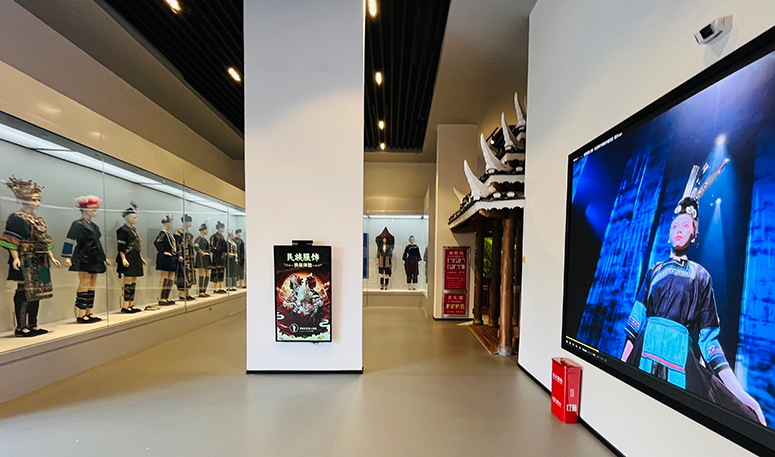
Costumes from the Dong, Miao and other ethnic groups on display at the Qiandongnan Minority Museum of Intangible Heritage. Photos from @rickytchitov
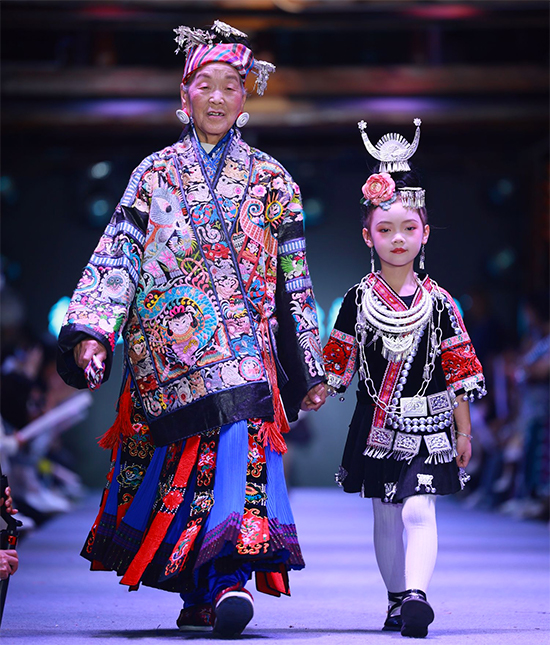
Miao costumes on the China Fashion Week runway. Photos from Li Jing of Guizhou’s Village Runway Show
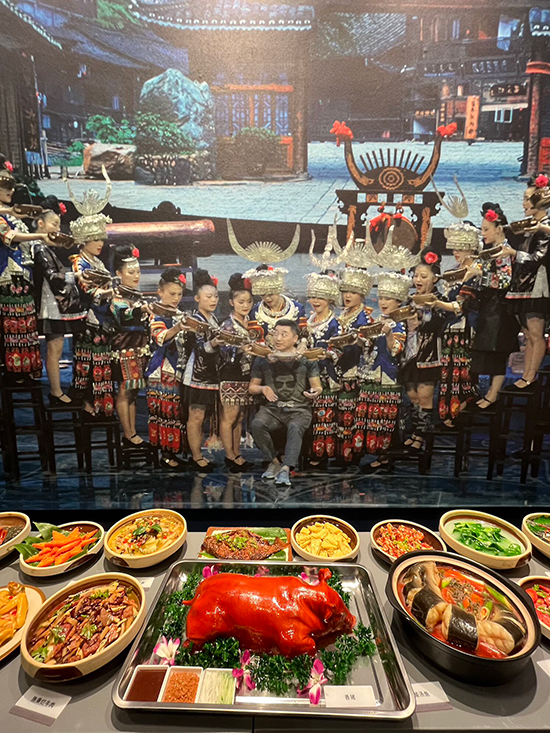
Miao culinary arts exhibit at the Qiandongnan Minority Museum of Intangible Heritage. Photos from @rickytchitov
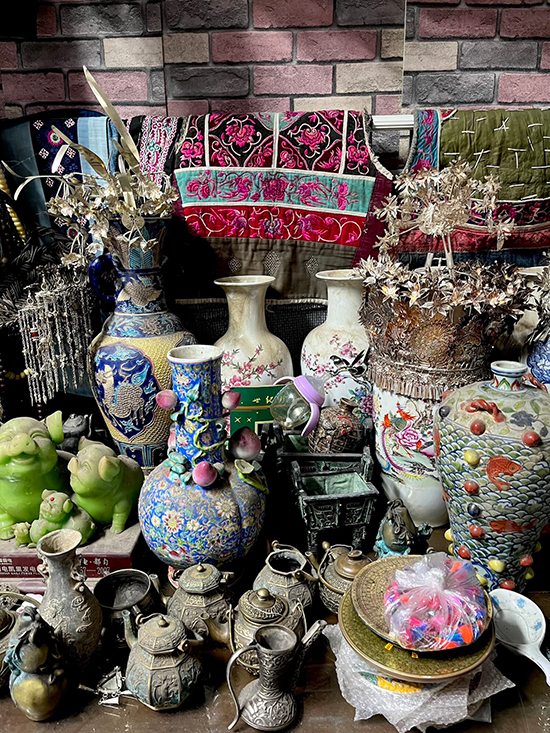
Home décor and accessories at the Market of Intangible Heritage. Photos from @rickytchitov
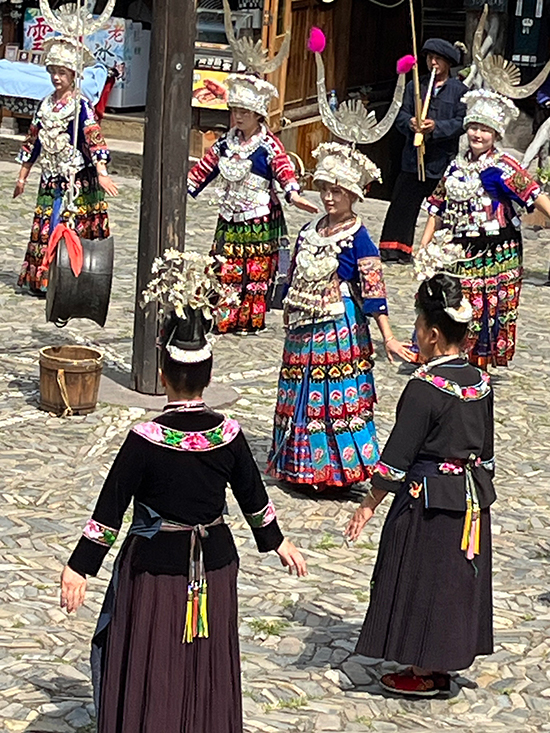
Miao women dance around the ceremonial gong. Photos from @rickytchitov
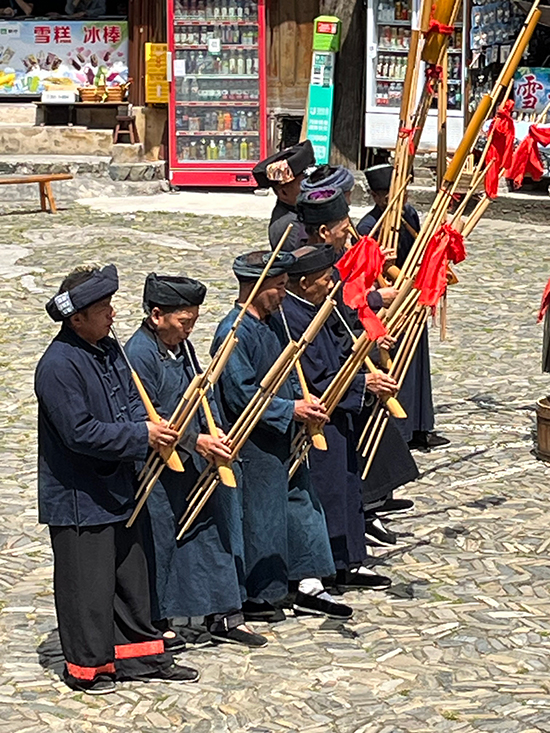
Miao men playing lusheng pipes. Photos from @rickytchitov
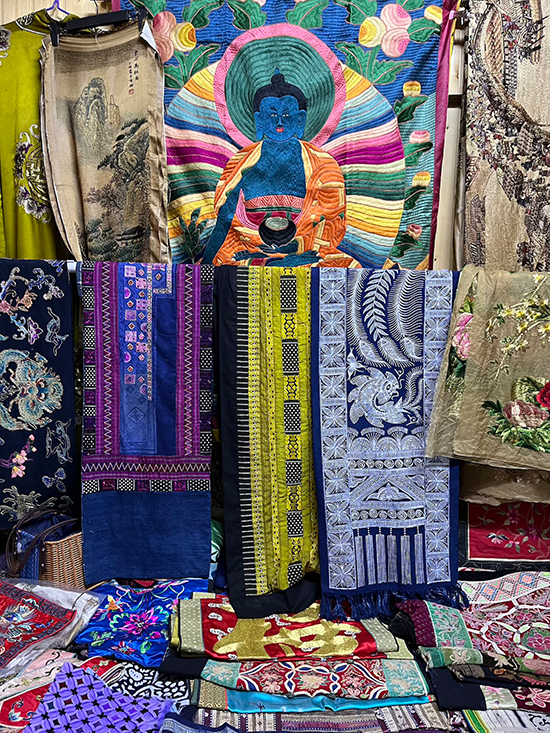
Handwoven, batik and embroidered fabrics at a boutique. Photos from @rickytchitov
Costumes from the Dong, Miao and other ethnic groups on display at the Qiandongnan Minority Museum of Intangible Heritage. Photos from @rickytchitov
Miao costumes on the China Fashion Week runway. Photos from Li Jing of Guizhou’s Village Runway Show
Miao culinary arts exhibit at the Qiandongnan Minority Museum of Intangible Heritage. Photos from @rickytchitov
Home décor and accessories at the Market of Intangible Heritage. Photos from @rickytchitov
Miao women dance around the ceremonial gong. Photos from @rickytchitov
Miao men playing lusheng pipes. Photos from @rickytchitov
Handwoven, batik and embroidered fabrics at a boutique. Photos from @rickytchitov
CLOSE
The Philippine-Chinese Friendship Tour was organized by former Senator Nikki Coseteng with the Federation of Filipino-Chinese Associations of the Philippines Foundation Inc., and the Federation of Filipino-Chinese Chambers of Commerce and Industry, Inc.

WATCH: How does impeachment in the Philippines work?
May 19, 2026