

Hong Kong has changed, but not my wonton noodles
Nathan Road was once our first glimpse of the world. For many Filipinos, myself included, Hong Kong marked that first trip abroad, the point where travel stopped being a mere concept and became something we could touch, taste, and smell. It sat close enough to feel manageable, safe enough to reassure our anxious parents, and affordable enough to make the decision easy. We learned quickly there. We learned how to read a subway map under the humming lights of the MTR, how to haggle in the markets of Mong Kok without embarrassment, and how to keep pace with a city that moved faster than anything we knew back home.
That early imprint stays with you. It shapes how you remember a place long after it has moved on, long after the skyline has been rewritten and the politics have shifted. Hong Kong has weathered so much since those golden years of our youth. We watched from across the sea during the handover in 1997. We saw the rents climb until they became among the highest in the world, making every square foot of the city a precious commodity. There were the riots that shook the pavements just before the pandemic, followed by a long period of isolation, and now the reinstatement of accommodation taxes. The city has transformed into a complex metropolis, yet the heart of our affection remains unchanged. You never really forget your first love. You simply learn to appreciate the way it carries its scars.
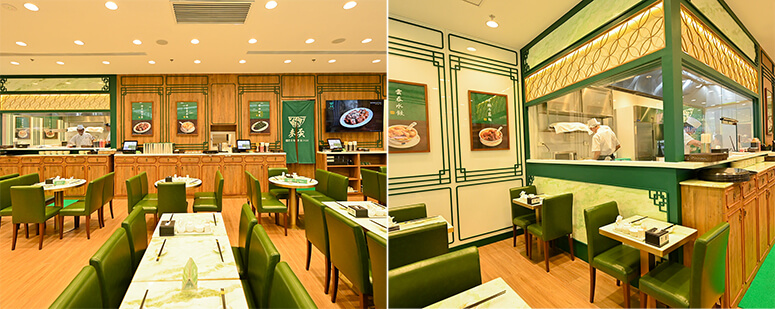
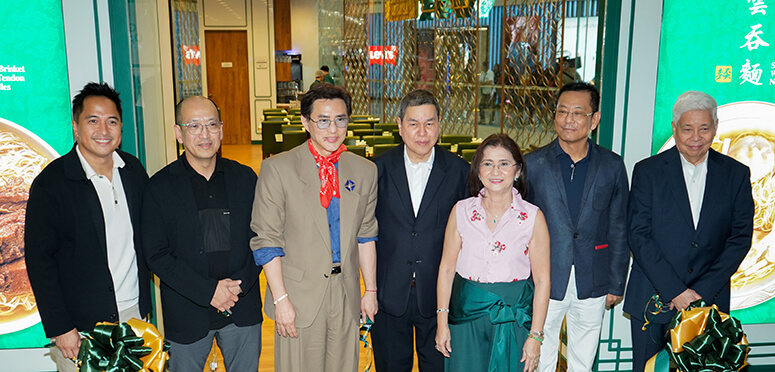
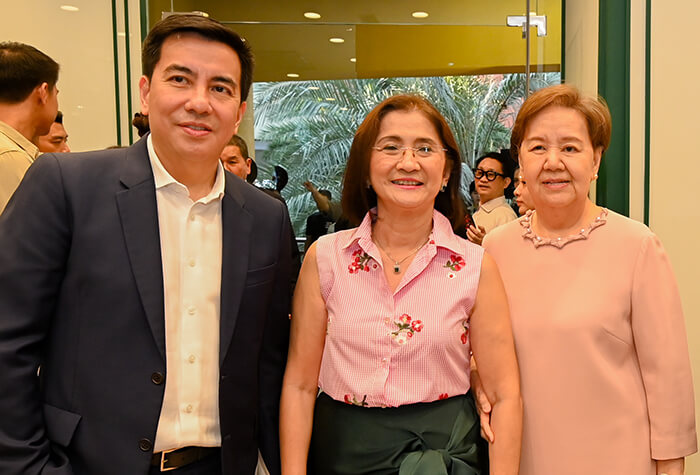
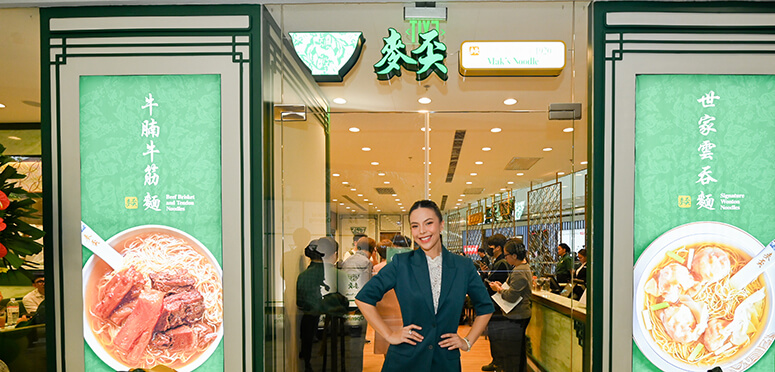
This is why the arrival of Mak’s Noodle at the SM Mall of Asia feels like a homecoming for our collective memory. There is also a second branch at SM Megamall, ensuring that this storied comfort is accessible whether you are by the bay or in the heart of the city. Brought here by Suyen Corporation, the same group that gifted us with the likes of Marugame Udon and Maisen, this Michelin Bib Gourmand awardee is not just another import with impressive credentials. It carries a memory many of us share. The roots go back to the Xiguan tradition, held together through a century that has seen more than its share of upheaval.
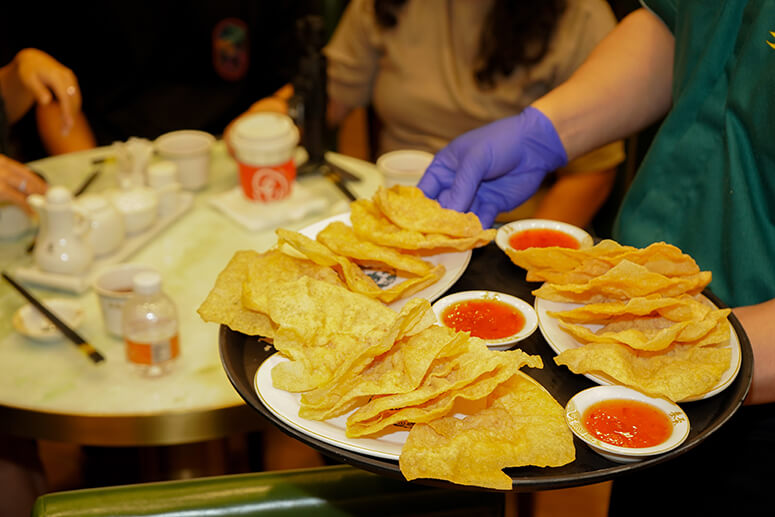
The story began in 1920 with Mak Woon-chi in Guangzhou. He was the man celebrated as the King of Wonton Noodle. His son, Mak King-hung, eventually carried that legacy to Hong Kong in 1949. What started as a humble dai-pai-dong on the street settled into a culinary institution that refused to loosen its standards. The flavors stayed precise. Time passed, the city changed, but the bowl did not drift.
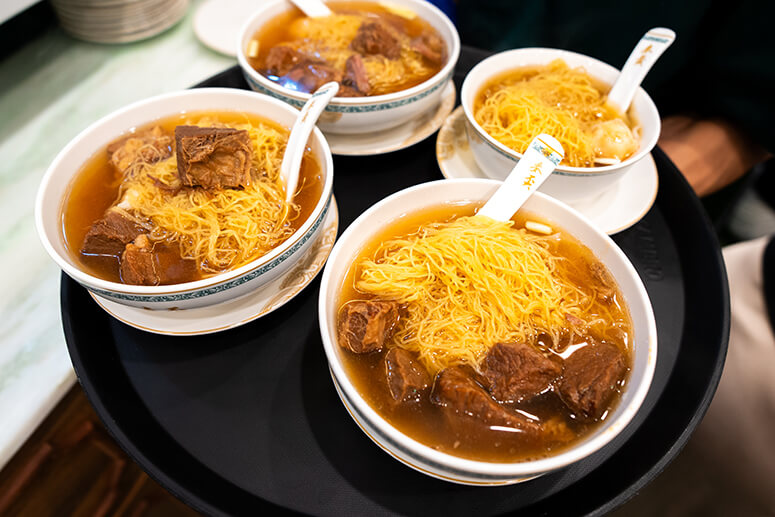
When you sit down at the SM Mall of Asia branch, you see that discipline the moment the soup is set on the table. The space is defined by a deep, forest green, a lush and moody backdrop that feels more like a quiet sanctuary than a bustling mall. This green is a deliberate choice, and it works to set off the vibrant yellow of the noodles and the amber glow of the broth. The bowls used here carry a classic Cantonese dignity, but they feel refreshed in this setting, stripped of the predictable reds of the old world. Under these lights, the colors feel intentional, a sophisticated pairing that mirrors the way our own tastes have matured over the years. The size of the bowl remains modest, and for a good reason. It is a functional choice. The small diameter ensures that the noodles do not sit too long in the hot broth, which would cause them to lose their essential snap.
The noodles themselves are a revelation of texture. They come thin, golden, and famously firm to the bite. They are made with duck eggs and kansui or alkaline water in proportions that have been perfected over decades. There is a specific springiness to them that tells you they were prepared with an eye for tradition.
CONTINUE READING BELOW

The broth meets them with absolute clarity. It is an amber liquid, clean and fragrant, carrying the deep, savory essence of dried flounder, shrimp roe, and pork bones. It does not overwhelm the palate with grease. Instead, it holds everything together, letting the wontons do their part. In the traditional way, those wontons sit at the bottom of the bowl. They are delicate parcels filled with shrimp, placed there to stay warm while the noodles keep their structure on top.
For many of us, that first spoonful brings something back. It might be a memory of a chilly evening in Central, or a quick lunch in Tsim Sha Tsui between shopping trips that felt so important at the time. It reminds us of a period when the world felt wide open and full of promise. We did not need much back then. We just needed a good pair of walking shoes, a map we barely needed after a few days, and a reliable place to eat.

Suyen Corporation understands this emotional connection. Their lineup of food concepts has always leaned toward places with deep histories, brands that arrive with their own internal logic intact. By adding Mak’s Noodle to a family that includes Paul Boulangerie, Fire Tiger, and Chuka Soba Tomita, they are ensuring that the Filipino palate remains connected to a certain level of global heritage. They know that we are a people who value the stories behind our food as much as the flavors on the plate.
There is a profound comfort in that kind of continuity. A recipe that holds steady across decades offers something you can return to, even as everything around it shifts. Finding that same bowl in Manila speaks to how close the world has become, how easily memory travels when given the chance.

We may not find ourselves in Hong Kong as often as we once did, but a bowl like this bridges the distance. It brings back the version of ourselves that first stepped onto Nathan Road or Hollywood Road or Lan Kwai Fong, looking up at the neon signs and taking it all in. We go to Mak’s Noodle for that recognition, and we stay because it still tastes exactly the way we remember. It is a simple joy, a reliable standard, and a beautiful reminder that even in a changing world, some flavors are meant to stay exactly as they are.

WATCH: Pixar Summer Fest adventure at Hong Kong Disneyland
August 10, 2026
WATCH: How to experience Bangkok and Kanchanaburi in one trip
October 21, 2026