

‘Knife Edge’: Inside the pressure cooker of Michelin dreams
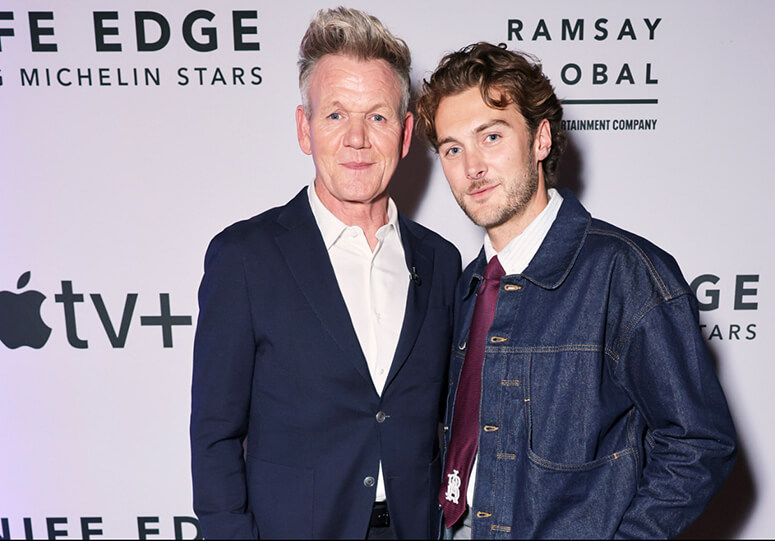
Knife Edge: Chasing Michelin Stars opens like service on a busy night: no introductions, no easing in, just the hum of kitchens already in motion. Executive-produced by Gordon Ramsay, the series could have leaned heavily on spectacle, but instead it takes a more restrained, observant tack. The camera listens. It watches. It holds. And in that stillness, the chase for Michelin stars becomes less a competition than a study of the people who willingly place themselves in the line of fire.
Guiding the viewer is Jesse Burgess, whose hosting style resembles a conversation more than reportage. He slips in and out of kitchens across continents—New York, Chicago, California, the Nordics, Great Britain and Ireland, Italy, Mexico—carrying with him a disarming, almost tender curiosity. In each episode, Burgess allows chefs to show the rhythms that shape them: the rituals that steady their hands, the voices that echo in their heads, the private moments when ambition mutates into doubt.
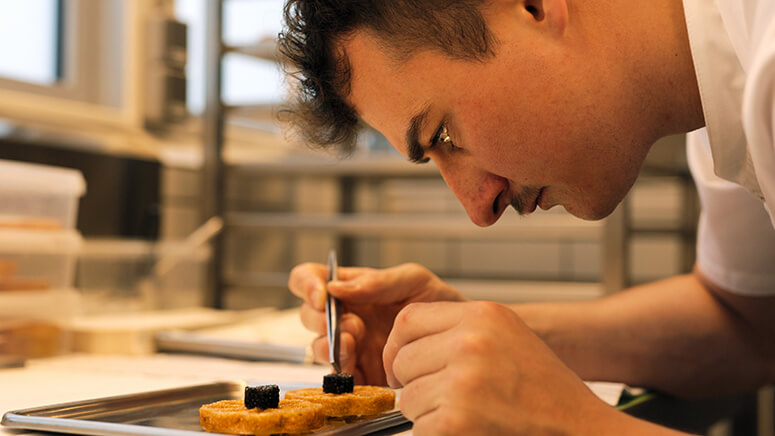
The eight-part format is tight but immersive. One episode follows a New York chef rebuilding after losing his star, retraining a staff shaken by disappointment. Another observes a young Nordic team whose hyperlocal tasting menu edges toward perfection but threatens to collapse under the weight of its own precision. A London kitchen battles rising costs and a shrinking workforce, the chef admitting that the financial strain is sometimes louder than the creative joy. In Mexico, a chef fights to keep his culinary heritage intact while fielding pressure to adapt his flavors to international palates. The contrasts are sharp, but the emotional terrain—fear, grit, stubborn hope—remains universal.
The show’s most intriguing moments come when anonymous Michelin inspectors speak. Their voices are masked, their identities concealed, yet their comments offer rare clarity: what matters, what doesn’t, and how little chefs can truly control despite staking their lives on a star. It is here that the title, Knife Edge, reveals its full meaning—not just the precariousness of the craft but the thin emotional line between validation and undoing.

Watching the series now feels especially pointed for Filipinos, as the Philippines navigates life after its first-ever Michelin recognitions. The buzz after the awarding has been loud—tables fully booked for months, diners flying in for weekend gastronomic pilgrimages, local chefs suddenly thrust into global conversations. There is pride, unquestionably. But beneath it is a quiet recalibration. Kitchens long used to cooking for regulars must now consider inspectors. Restaurants accustomed to steady pacing must manage the sudden crush of attention. Diners, too, are reorienting their expectations, sometimes forgetting that excellence takes time, training, and no small amount of sacrifice.

What Knife Edge offers the Philippines, in this moment, is perspective. It shows how restaurants in Michelin-saturated cities evolve after the initial euphoria: Some soar, expanding into empires; others fracture under pressure; many simply choose to stay small, guarding the soul of their food even if it means surrendering the chase. The chefs featured in the series speak a truth that now feels close to home—that stars can build reputations but cannot sustain kitchens on their own. Execution, consistency, and the wellbeing of the team matter far more than any plaque on the wall.
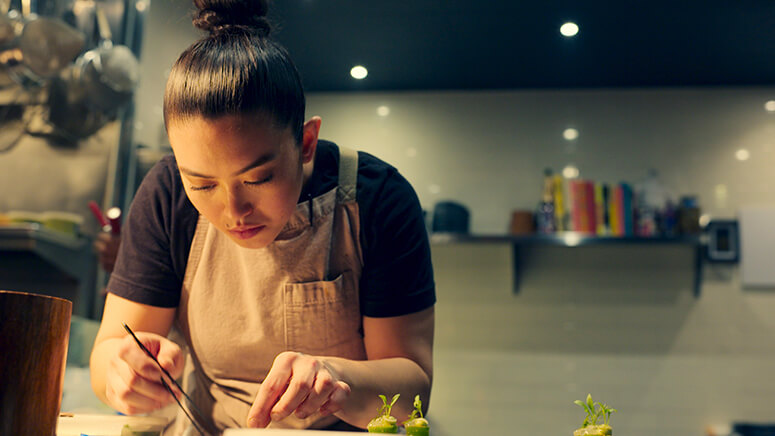
The documentary is careful, though, not to vilify the pursuit. It captures the tiny, luminous joys that keep chefs tethered to their craft: a perfectly emulsified sauce, a dish that finally “clicks” after months of testing, a staff meal that turns exhaustion into camaraderie. These are the moments Filipino chefs know well, the same moments that built the dining culture now stepping onto a global stage.
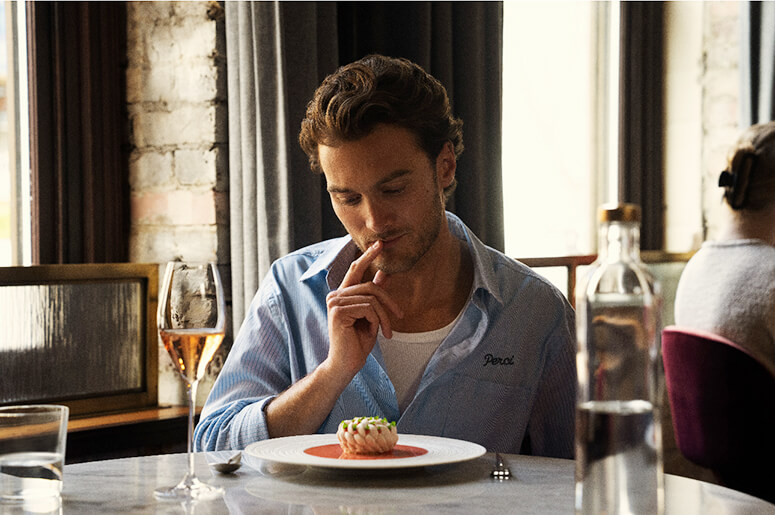
Jesse Burgess’ hosting style resembles a conversation more than a reportage.
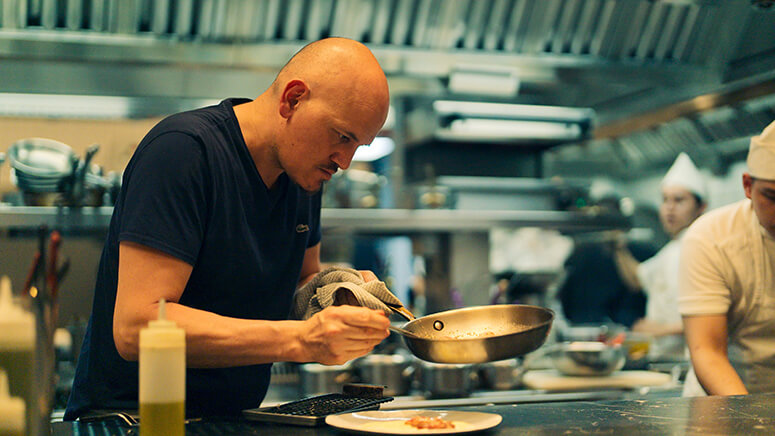
Máximo Bistrot chef Eduardo “Lalo” Garcia strives to earn a star as Michelin Guide arrives in Mexico for the first time.
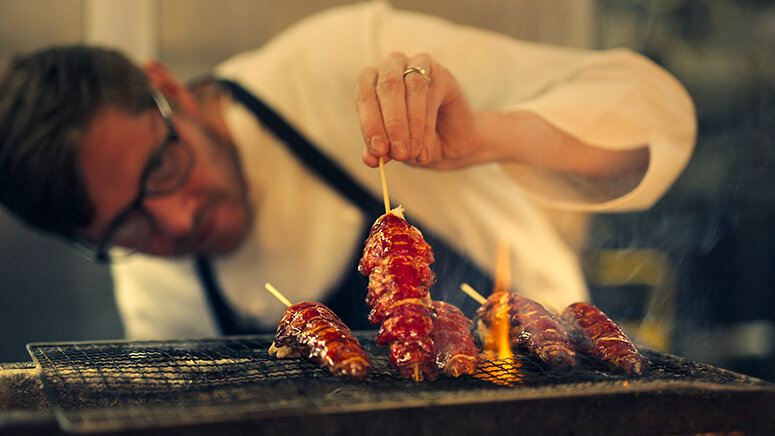
Michelin-starred chef Tony Parkin of Ireland
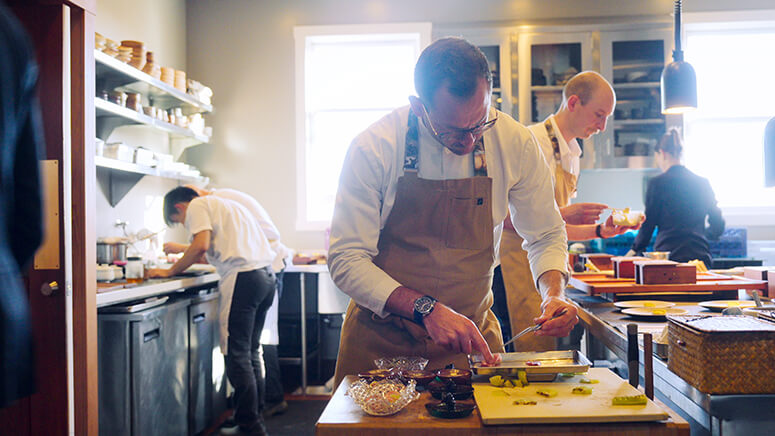
The Harbor House Inn chef Matthew Kammerer of California in pursuit of a third star.
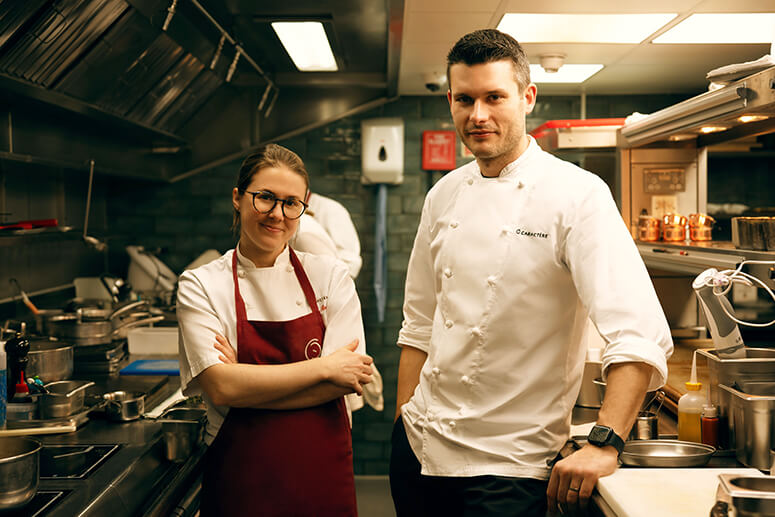
Caractère chefs Emily Roux and Diego Ferrari in London
Jesse Burgess’ hosting style resembles a conversation more than a reportage.
Máximo Bistrot chef Eduardo “Lalo” Garcia strives to earn a star as Michelin Guide arrives in Mexico for the first time.
Michelin-starred chef Tony Parkin of Ireland
The Harbor House Inn chef Matthew Kammerer of California in pursuit of a third star.
Caractère chefs Emily Roux and Diego Ferrari in London
CLOSE
In the end, Knife Edge is less about Michelin stars than about the people who risk so much to touch them, however briefly. For the Philippines —newly recognized, newly scrutinized, newly dreaming—it becomes both mirror and map. The series doesn’t tell us what our culinary future should be. It simply shows what the road ahead might look like: exacting, exhilarating, and, for those who choose to walk it, worth every burn and every beautiful plate along the way.
***
Knife Edge: Chasing Michelin Stars streams on AppleTV.