

Is Chongqing China’s most surreal city?
Some places are not what you expect—they are far better than anything you could have imagined.
From the magnificent skyline of Shanghai to the majestic charm of Beijing, the mystical allure of Tibet, and the peaceful spirit of Chengdu, I have come to embrace the fact that each city possesses its own distinct color, rhythm and soul.
China is an endless delight for every traveler. And it continues to mesmerize with Chongqing.
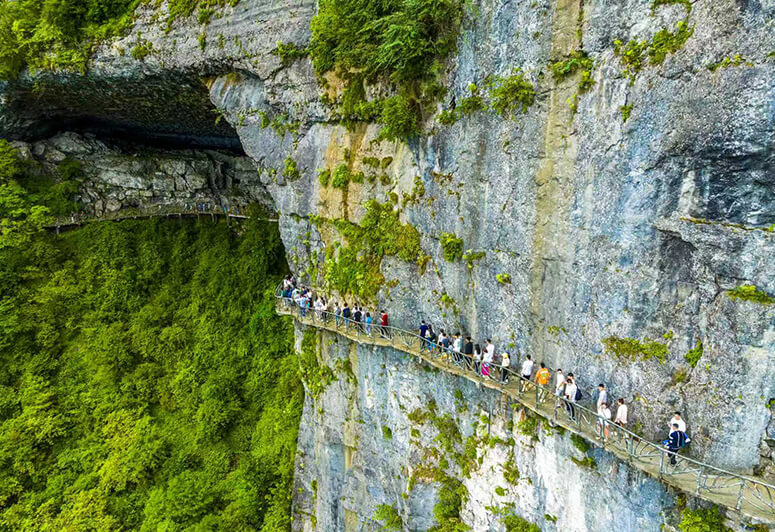
Light defines the beauty, tranquility, and futuristic character of Chongqing. It illuminates not only the city's many skylines but also its historic landmarks. The ever-changing hues reflected on its rivers and bridges transform the landscape into something almost whimsical.
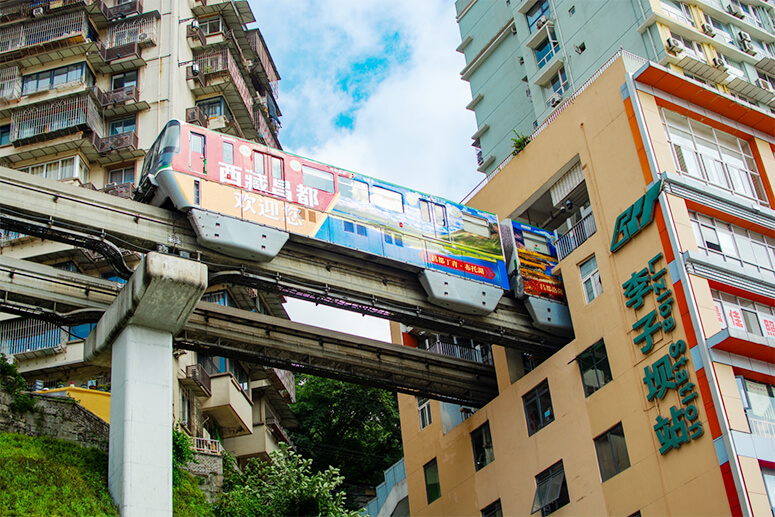
Located in southwest China, just four hours from Manila by plane, Chongqing feels worlds away—a city where imagination comes to life. Built where the mighty Yangtze and Jialing rivers converge, it is a metropolis unlike any other. The iconic Liziba Station, where a monorail appears to race straight through a residential building, seems almost surreal. Beyond it, mist-covered mountains rise dramatically like the backdrop of a painting. Amid the gleaming skyscrapers, wartime relics, and treasured vestiges of Chinese history remain woven into the urban landscape.
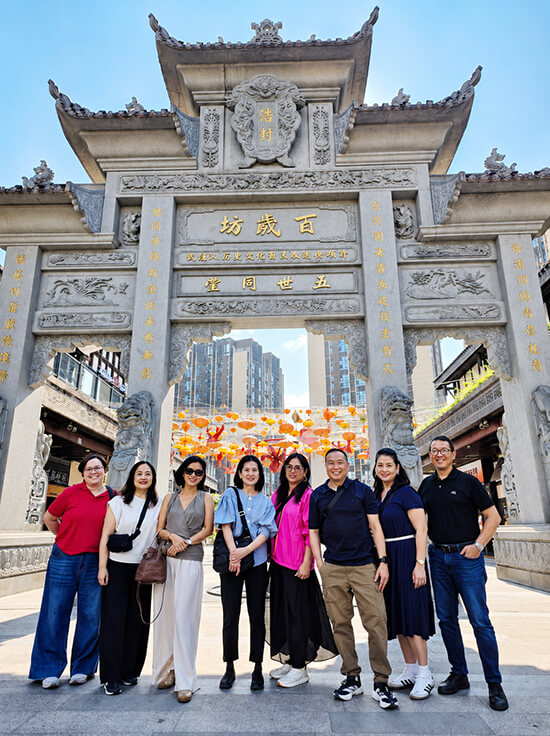
The cozy and spacious Somerset Yangtze River Service Apartment became our home away from home, offering comfort, convenience and mesmerizing views of the Yangtze River. From there, we headed to the Chongqing Planning Exhibition Center for a glimpse into the city's future. It is a remarkable venue showcasing Chongqing's architectural vision, urban planning, and rich history. Here, visitors discover how this historic river port has evolved into one of China's most progressive mountain metropolises.
CONTINUE READING BELOW

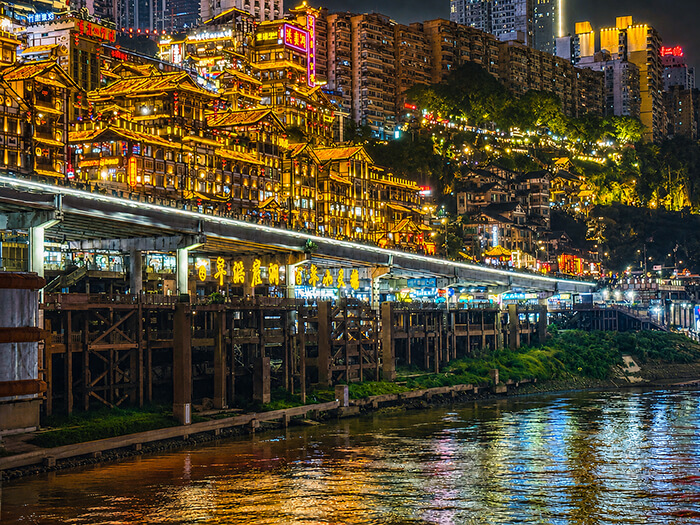
Experiencing the dazzling 8D landscape of Hongyadong, or Hongya Cave, by night is unforgettable. As we cruised along the Jialing River, this cyberpunk-inspired wonder cast a spell over us, revealing a city that seems to awaken even more brilliantly after darkness falls.
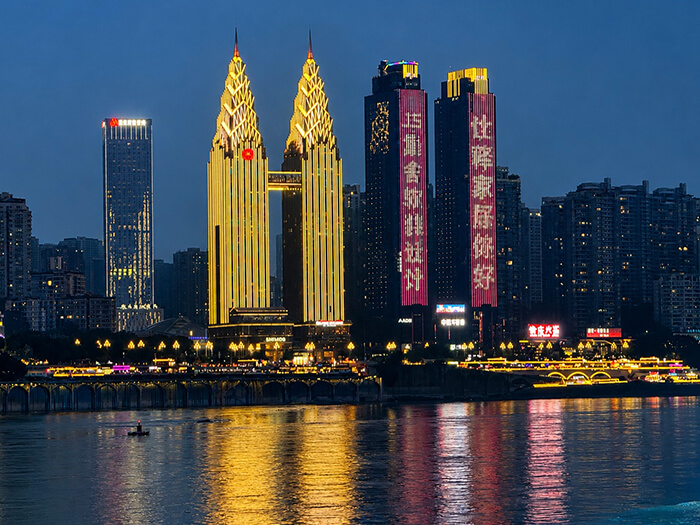
Like curious children, we wandered through Danzishi Old Street, where beautifully restored heritage buildings stand beside modern shops and cafés. At night, the illuminated street resembles millions of fireflies shimmering against the skyline.
Chongqing's greatest treasures are not confined to its glittering skyline. Beyond the city's energetic rhythm lies a gentler side, where nature offers moments of quiet wonder rarely expected in a bustling metropolis.
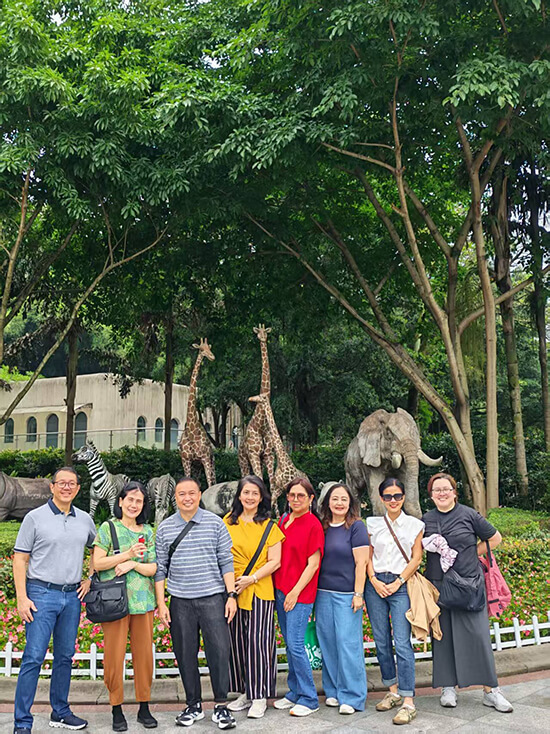
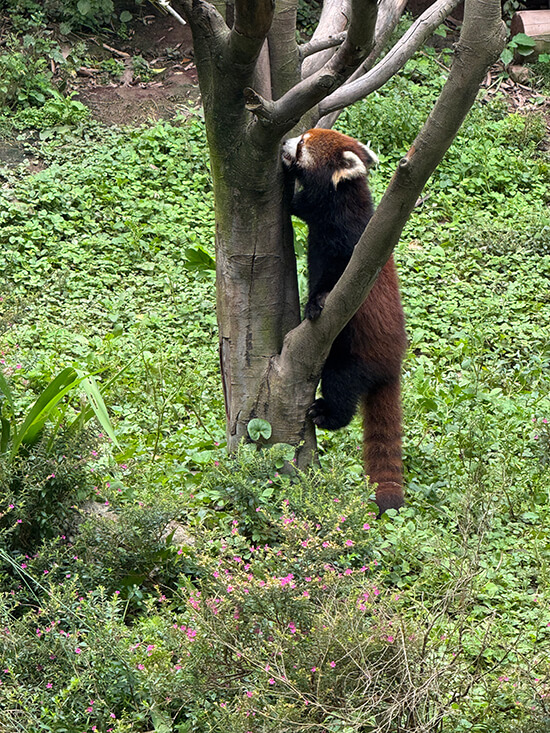
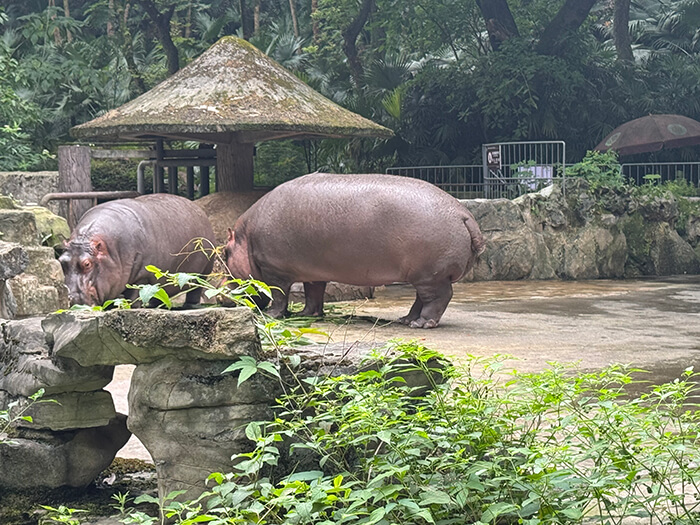
We marveled at the animals in Chongqing Zoo. The adorable giant pandas and rare red pandas stole the show, frolicking obliviously while deer, elephants, hippos, and many other animals appeared almost suspended in time. It was a gentle reminder that nature and modernity can thrive side by side—a lasting symbol of balance and harmony.
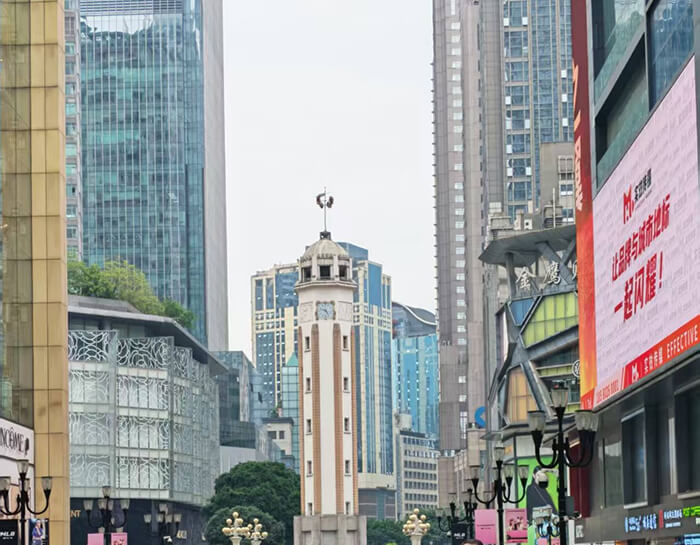
The Liberation Monument, locally known as Jiefangbei, is the vibrant heart of Chongqing. Built to commemorate China's victory in the War of Resistance Against Japanese Aggression, it now stands amid enormous shopping malls and flagship stores of leading international brands. We delighted in browsing local markets filled with finely crafted leather bags and shoes. Among the area's many attractions, the Ring Mall particularly captured our attention. This remarkable eco-friendly structure features a spectacular 42-meter-tall vertical garden spanning seven levels of lush terraces—a beautiful reminder that nature can coexist with modern architecture.
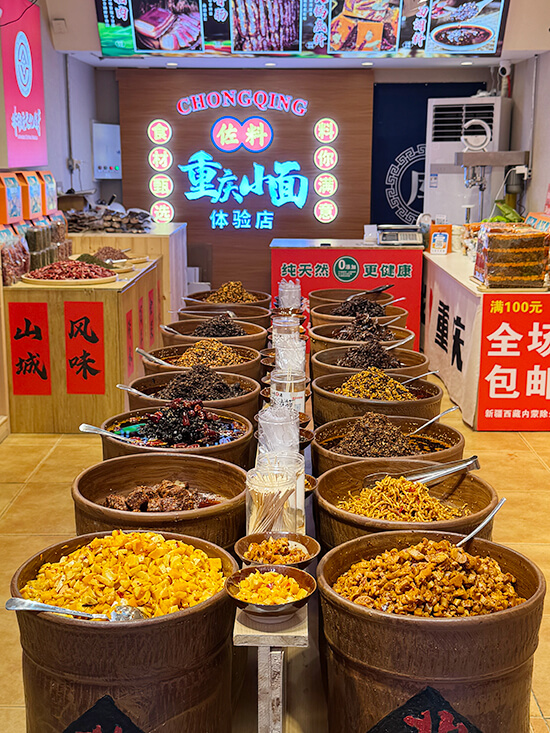
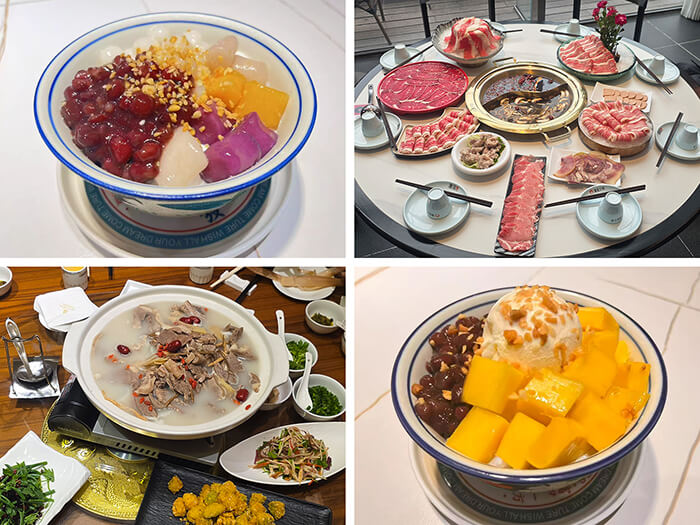
In Chongqing, we immersed ourselves in its vibrant food culture. At Guanyinqiao Food Street, every dish felt like a tribute to culinary excellence. The irresistible aromas of simmering broth, fragrant spices, and fiery Sichuan peppercorns created a feast for the senses. We also indulged in hotpot, Korean barbecue, lavish buffets, and an array of local delicacies throughout this gourmet paradise.
The Three Gorges Museum, one of western China's largest museums, preserves Chongqing's history like a carefully guarded memory. As I examined each remarkable exhibit, it became easy to understand why generations of poets have drawn inspiration from China's rivers and mountains. Standing amid such breathtaking beauty, I could almost imagine my favorite Tang Dynasty poet, Li Bai—the “Immortal Poet”— pausing to admire the landscape before him, completely captivated by its splendor.
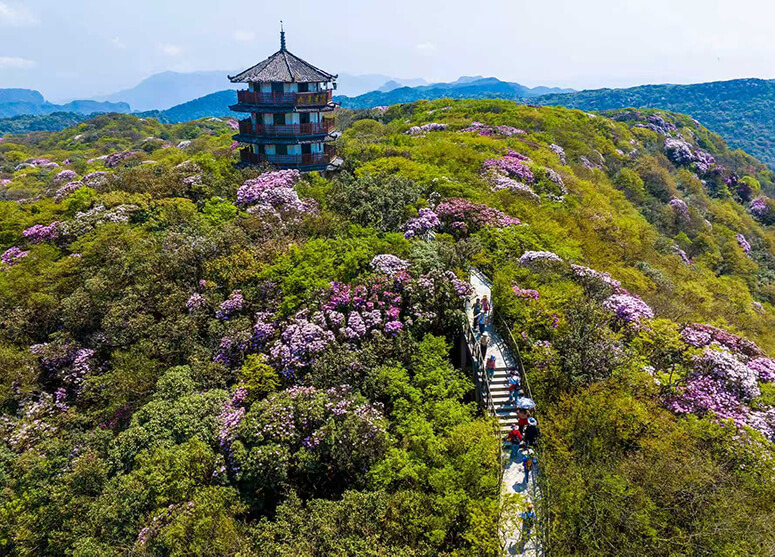
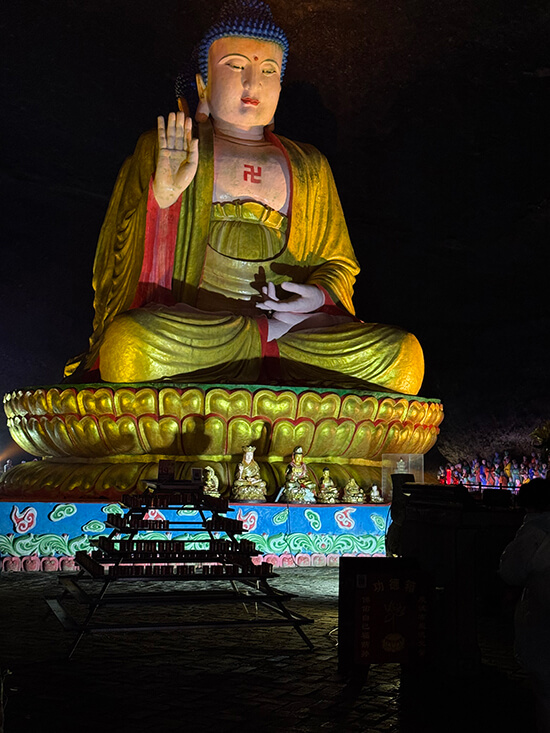
We ventured beyond the city to Jinfo Mountain Scenic Area, also known as Golden Buddha Mountain, in Chongqing's Nanchuan District. Bathed in tranquil sunlight, the towering Buddha greeted us as though watching over the mountains. Like stepping into the cinematic world of Avatar, we marveled at the extraordinary geological formations surrounding the Sky-Sent Buddha and the magnificent Ancient Buddha Cave.
Still, as magnificent as Chongqing's landmarks may be, they are not what I remember most. The journey became even more meaningful because of the wonderful company we shared: The Philippine STAR president and CEO Miguel Belmonte and his lovely wife, Milette; editor-in-chief Ana Marie Pamintuan; business editor Iris Cecilia Gonzales; executive vice president Lucien Dy Tioco; vice president for sales and marketing Jay Sarmiento; business development manager Boo Alvendia; and Tiantian Liu and Bangbing Jian from the Foreign Affairs Office of the Chongqing Municipal People's Government.
What remains in my heart are illuminated bridges, dramatic skyscrapers, mist-covered mountains, unforgettable flavors, vibrant markets, and treasured moments shared with wonderful companions. These memories are every bit as enduring as the landmarks themselves.
There is a fine line between dream and reality.
Chongqing blurs that line.
***
Air China flies direct from Manila to Chongqing. For more information, visit www.airchina.com.ph. Email the author at miladay.star@gmail.com.

WATCH: Save for retirement or enjoy life now? (Generations Ep. 21)
September 16, 2026