

I ate ant eggs at Sitio Remedios
I did not know eggs of ants were edible until I joined a degustacion of Ilocano cuisine at the picturesque Sitio Remedios, a 20-year-old heritage village resort in Currimao, Ilocos Norte.
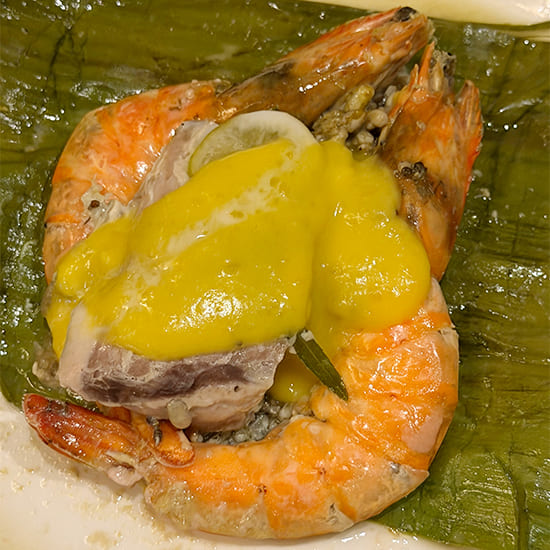
The ant eggs, called locally as abuos, came incognito in a dish of steamed tuna and ulang (river prawns) wrapped in banana leaves. The fish was tender, and the prawns were cooked to perfection. Both fish and prawns, from the waters of Currimao, lounged gloriously on a bed of abuos, which was earlier sautéed in onion and garlic and a dash of salt and pepper. The dish came with kalabasa puree. When the banana leaves were splayed, a stream of kakang gata was added. In the creamy sauce were ant’s eggs that popped in the mouth. Every pop was a refreshing excursion on the palate. Delicious!
If only for the ant eggs, the eight-hour bus ride from Farinas terminal in Sampaloc, Manila to Sitio Remedios in the middle of the night was all worth it.
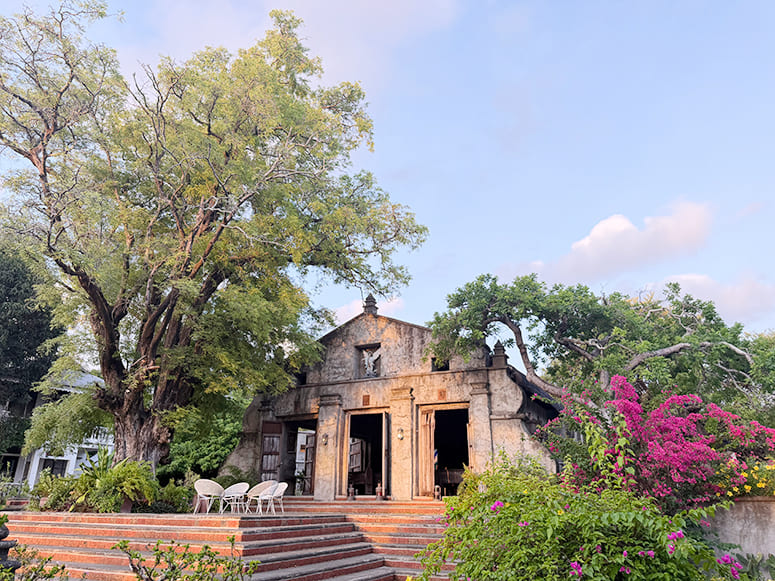
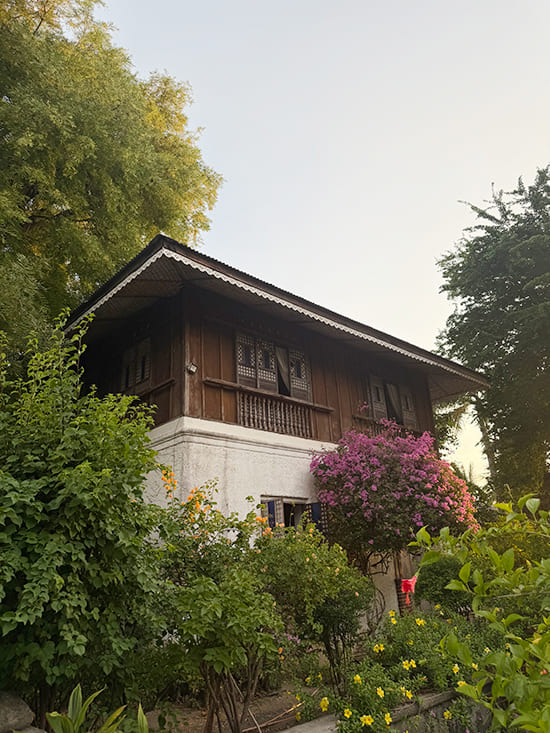
“Ant eggs are a delicacy in Ilocos Norte,” said Dr. Joven Cuanang, a top-notch neurologist, formidable art collector and owner of Sitio Remedios, which is named after his mother. The seafront resort—consisting of six bahay na bato (stone-and-wood houses) that are each a century old, a chapel dedicated to St. Michael and a newly launched art museum called Amianan—is a love letter from Dr. Cuanang to his late mother. She remains his muse and inspiration. He also put up the expansive Pinto Art Museum in Antipolo City, a repository of exquisite contemporary Filipino art, as his ode to his mother, a school teacher, who taught him about love and loving, life and living.
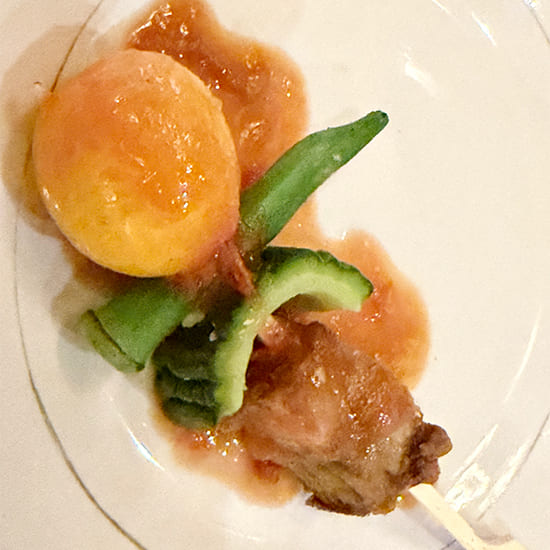
The event two Fridays ago at Sitio Remedios was called “An Elevated Ilocano Degustacion,” a 14-course dinner that included the mouthwatering Pakbet Tinudok where a piece or slice of tomato, okra, ampalaya and bagnet were skewered and drenched in a tasty tomato emulsion. (If you crave more servings of bagnet, you can connive with the waiter to give you more. Ilocos is bagnet country, after all.)
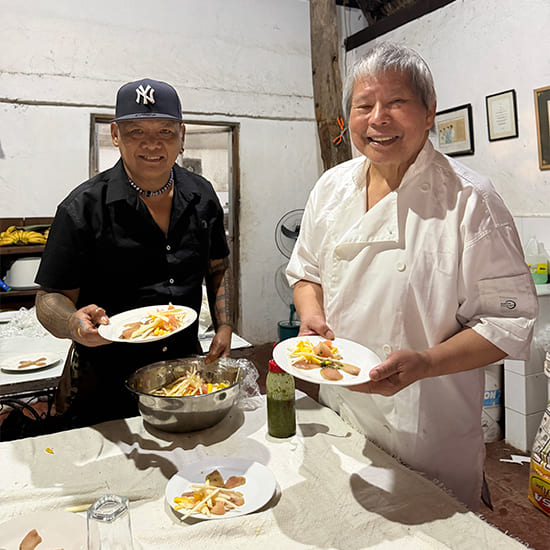
The degustacion was prepared by chefs Romy Dorotan and Perry Mamaril. Dr. Cuanang said he chose these kitchen geniuses because “they are two pioneers who helped redefine Filipino cuisine for an international audience.” He added that Dorotan is the co-founder and executive chef of the landmark New York restaurants Cendrillon and Purple Yam, “establishments that introduced generations of international diners to the sophistication of Filipino cooking for more than 20 years.”
CONTINUE READING BELOW

Ilocos Norte’s artsy and erudite crowd enjoyed the degustacion that started with cocktails with the famed Currimao sunset as the backdrop. Guests began to munch on popcorn with dilis, washed down by tamarind martini.
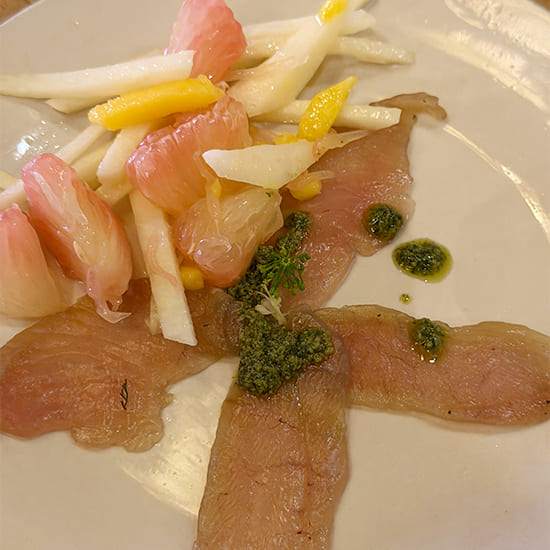
When the cured fish carpaccio was served, each plate was wiped out right away. Only the sheen of the olive oil was left on the plate.
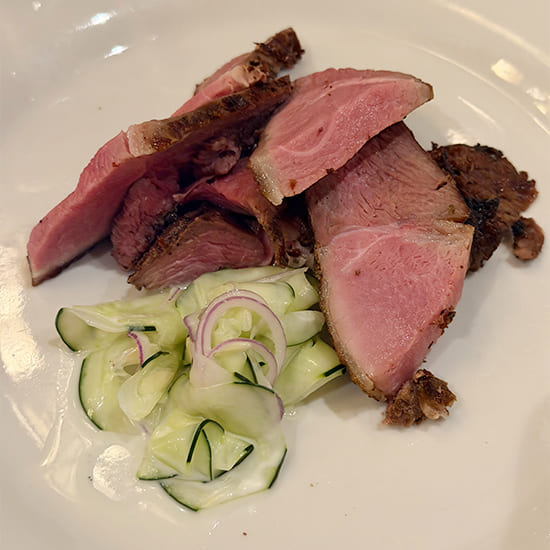
If other provinces have a tug-of-war on who has the best lechon baboy, Ilocos Norte is content serving the best lechon carnero. The roasted lamb at the degustacion was marinated in yogurt, garlic, lemongrass, and mint. The medium-rare doneness of the meat did not wrestle with the fork and knife. The little gamy taste was present, but it was subdued by the habanero sauce made by Perry. Hot and divine!
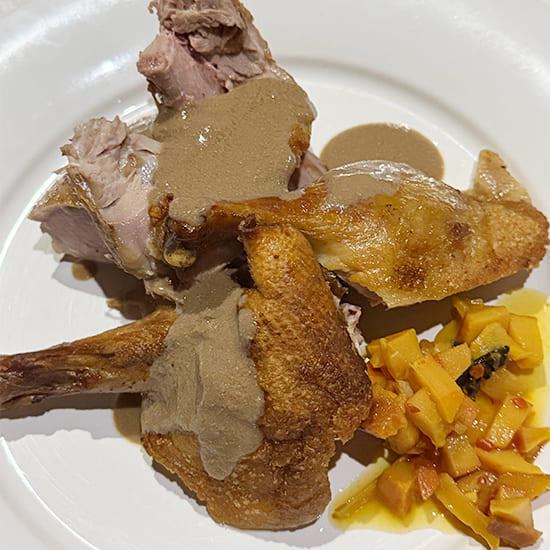
The native duck dish called Pato Asin Pasuquin is another heritage dish. First, the duck was blanched to firm its skin. When already pat-dried, it was stuffed with slices and slivers of orange, lemon, lemongrass, tarragon, onion, ginger, and other spices. Then it was put in a pan covered generously with salt from Pasuquin, a town in Ilocos Norte that is famous for artisanal salt-making. Then it was baked for 1.5 hours. After that, the salt was removed before the duck was put in the oven again to crisp the skin.
The Pato Asin Pasuquin was a mouthwatering hit, more so when it was served with the delightful santol chutney. (Sitio Remedios should bottle santol chutney and sell it. What a wonderful, tasty creation it is!)
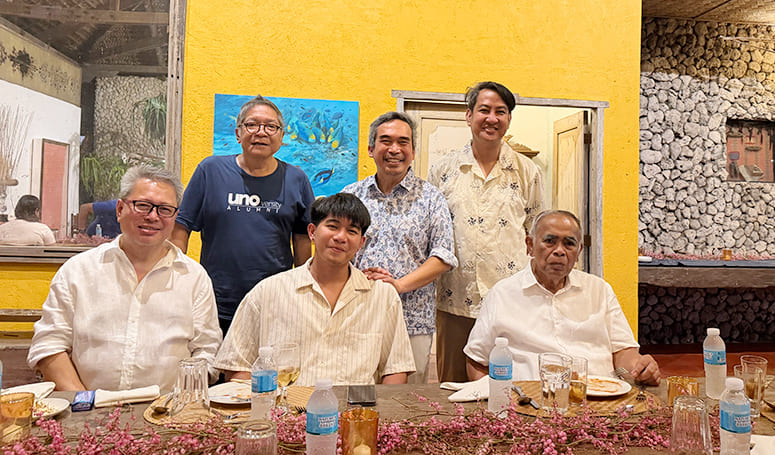
“I will bring this degustacion to Pinto because I want my Manila-based friends to experience the richness of the flavors of the North through a menu of remarkable refinement,” said Dr. Cuanang while partaking of the night’s sweetest ending: chocolate crepe with mango and latik.
The concept of elevated cuisine is a borrowed foreign concept to transition dining from common food consumption to a celebrated art form.
Dr. Cuanang added: “From the point of view of the Westerners, it’s elevated cuisine. But the truth is, this degustacion is about going down to our roots.”
And “going down” means presenting Ilocano cuisine as faithfully as possible while utilizing “flavors, techniques and culinary memories” from all over the world.
Familiar ingredients create familiar memories. That’s the promise of an Ilocano degustacion.

WATCH: Is Philippine cinema still thriving? (Generations Ep. 19)
September 2, 2026
WATCH: How to experience Bangkok and Kanchanaburi in one trip
October 21, 2026