

The unsung heroes of the table
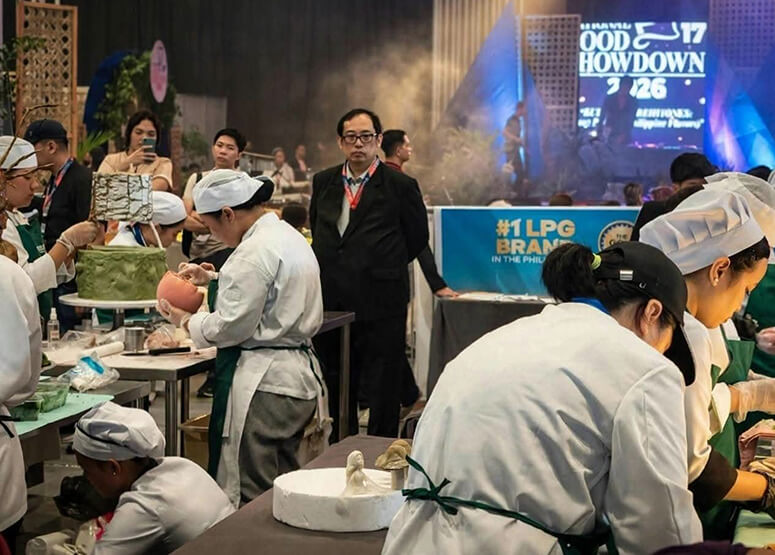
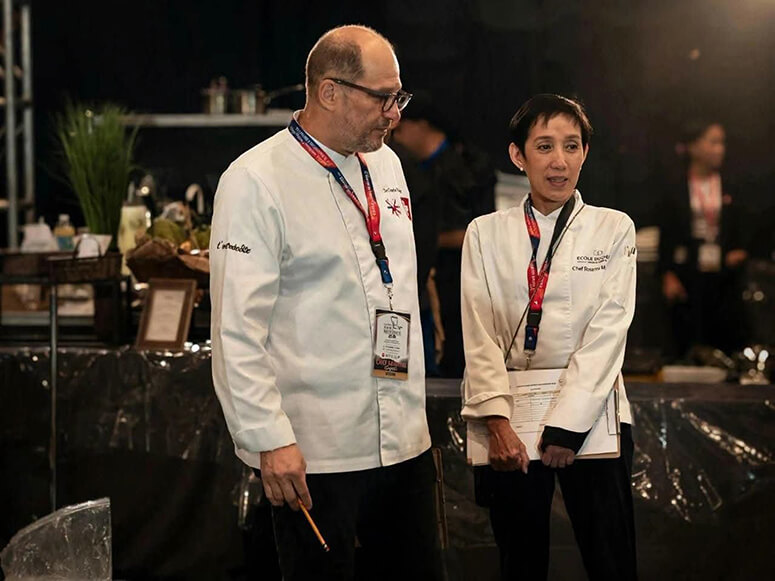
I cannot boil an egg, but I can hold my drink, so I found myself judging the beverage competitions at the 17th National Food Showdown (NFS) in Iloilo, from cocktail mixing and bartending to bar flairing. I also got to judge flambé-making and table setting, which required a different set of eyes, although precision mattered just as much as it did when bottles were flying through the air. For two days, we judged competitions back to back, starting at 8 a.m. and carrying on through long hours that tested our stamina as much as our expertise.
It was a pleasure to be reunited with Tina Legarda, Christian Valdes, Rita Neri, Ginny Roces de Guzman, Robert Blancaflor, and Robby Goco, alongside Suzette Montinola, Martin Kaspar, Thomas Wenger, Manny Torrejon, Ryan Viray, Noreen de Guzman and Geronimo Gavilan. Between us were decades of diverse hospitality experience. We did not always see eye to eye, which was precisely the point.
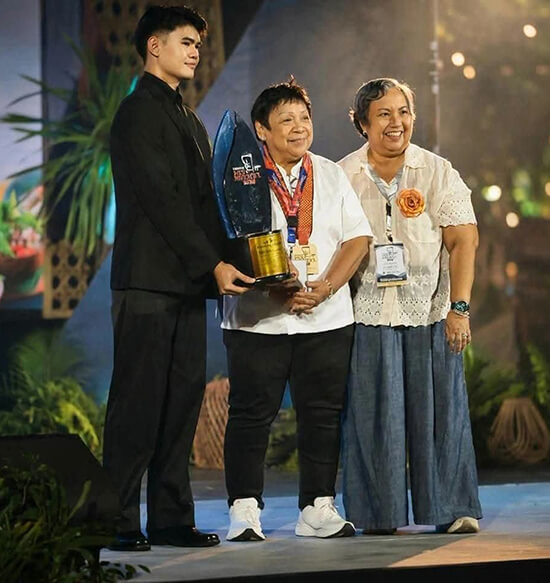
The woman who brought us together was Myrna Segismundo, whose NFS is now in its 17th year. Listening to her talk about how it all began took me back to a chapter in Philippine corporate life that younger generations may know little about, when banks had their own exclusive dining facilities and fine dining was part of the education of executives climbing the corporate ladder.
Myrna had come from the five-star hotel industry when she moved into corporate dining at PCI Bank’s Sign of the Anvil, an exclusive dining facility she remembers as a beautiful restaurant. At the Anvil, she had to understand the operation as a whole, down to its smallest details. It was a good training ground, and she soon found herself competing at Chefs on Parade against some of the biggest names in the business, including the dining rooms of the Mandarin Oriental and the Shangri-La, alongside Via Mare and the LJC Group.
“Lo and behold, we would win,” she recalled, amused by the surprise of competitors who had barely heard of the little restaurant at PCI Bank. “I wanted to benchmark against the outside world to see whether I was at par with the industry. So I started to compete against the big names.”
There was a larger corporate culture behind the enterprise, where figures such as Tony Ozaeta helped establish the place of fine dining in the lives of bank executives. When the Lopez family divested from banking to build ABS-CBN, Geny Lopez gave Myrna his blessing to move over. There, she brought the spirit of the Anvil to Restaurant 9501, trading corporate bankers for show business. Later, as editor in chief of Foodie, she launched a modest cooking contest to promote the magazine, a small exercise that grew to become the NFS.
CONTINUE READING BELOW

The competition has evolved considerably since those early days, when international categories once took center stage. Today, regional cooking has become central to the program, with provinces challenged to showcase their own culinary strengths. Highlighting Iloilo, a UNESCO Creative City of Gastronomy, was a fitting way to celebrate that shift.
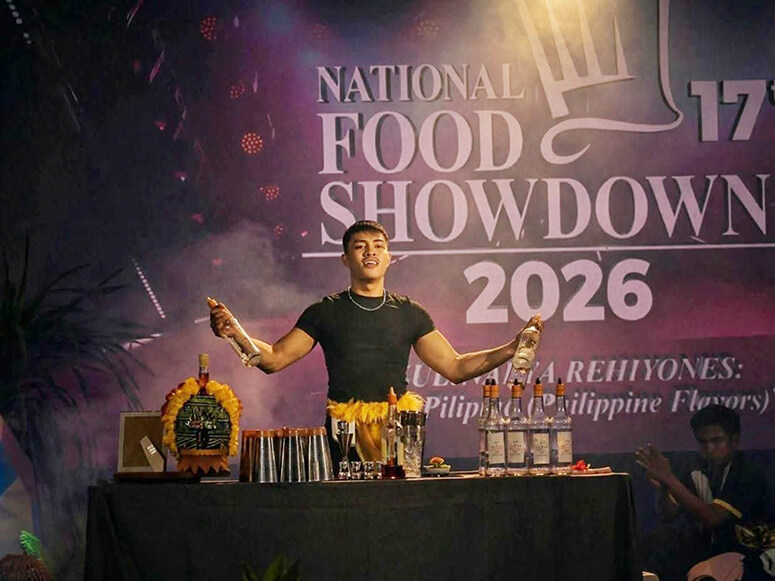
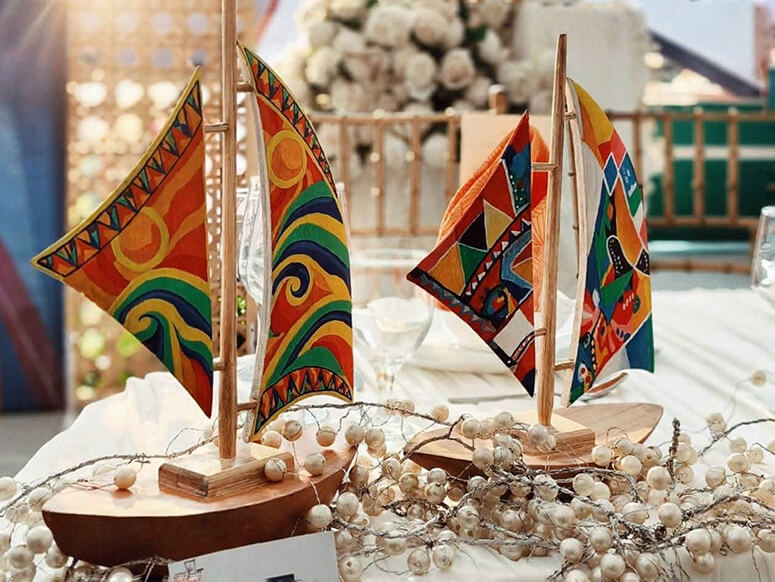
On the competition floor poured out distinct Visayan flavors and craftsmanship. In the cocktail mixing rounds, the young bartenders infused their drinks with local batuan fruit, fresh buko water, and infusions of native ginger. Even the table setting categories felt rooted in the soil, with students incorporating handwoven hablon fabrics and local pottery into contemporary setups.
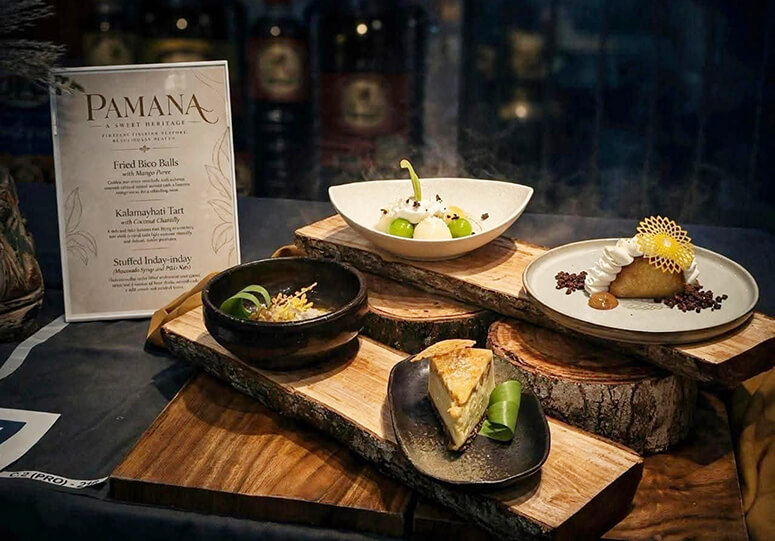
The core mission of the competition has turned toward the grassroots, built on the reality that not everyone is meant to stand at the pass as a celebrity chef. The answer lay in the provinces, where the essential workforce of the industry is being trained. “These are not going to be the chef patrons of their own restaurants, but these are the moving force of the celebrity chefs, who are going to be the unsung heroes or the backend staff, who’ll really do all the chopping, dishwashing and cooking,” she said.
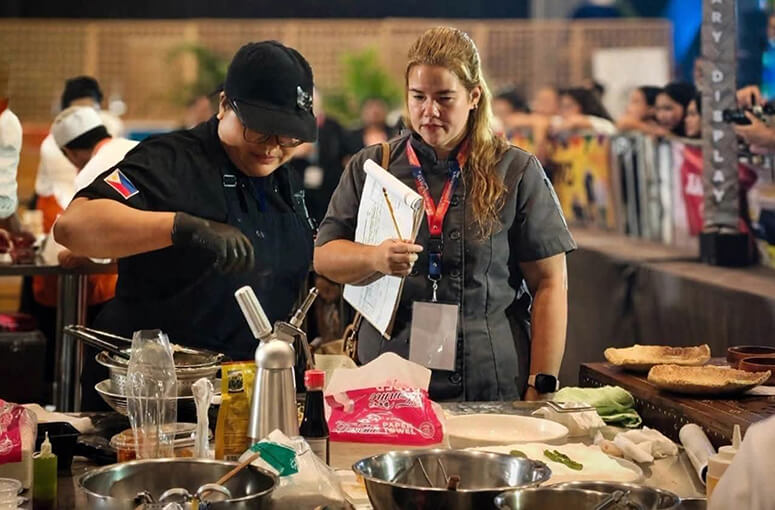
There is an entrepreneurial side to this advocacy, mirroring Iloilo’s recent Hall of Fame recognition for supporting small enterprises. A well-made regional dish or local jam can spark a livelihood. Yet for all its scale, the competition operates on a surprisingly personal foundation. “The National Food Showdown is just me,” Myrna said. “I don’t have any contract with any of these regions. It’s an advocacy. I do not make a single centavo out of this.”
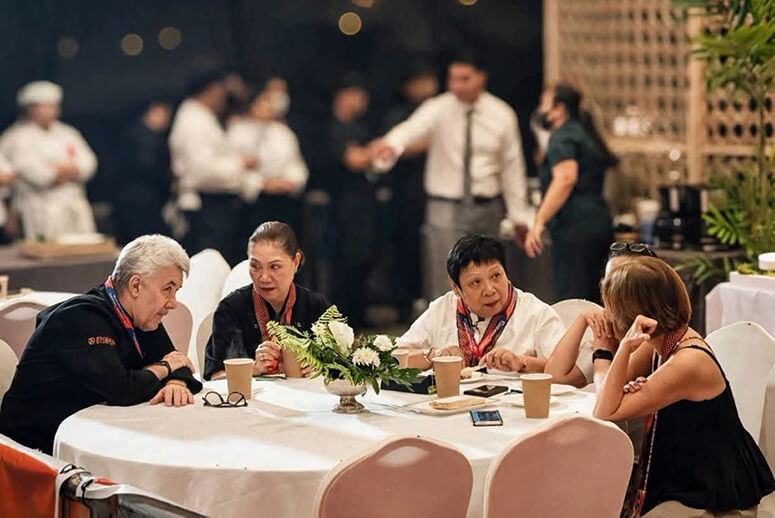
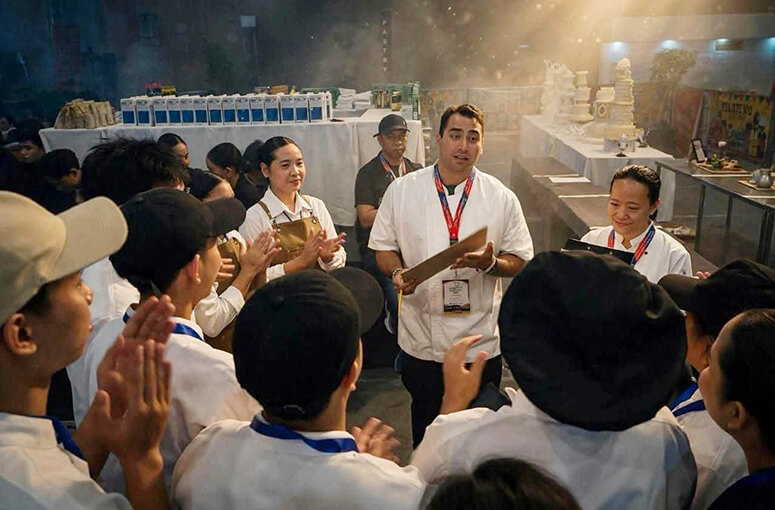
For me, judging these hopefuls was an education. The chefs on the panels tended to look at the technical aspects, while the event designers focused on the overall presentation. I looked at things from the customer’s point of view, with particular attention to hospitality, while our colleagues concerned with sustainability raised questions about using imported items when a local alternative might have done the job.
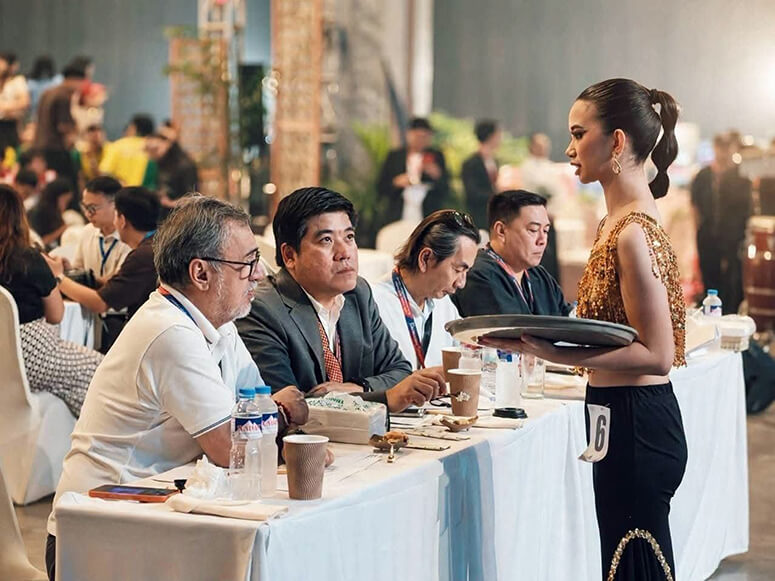
These differences make for useful discussions during the debriefings afterward, where we would openly talk about strengths and shortcomings. “It’s not about the winning, it’s about the learning,” Myrna said.
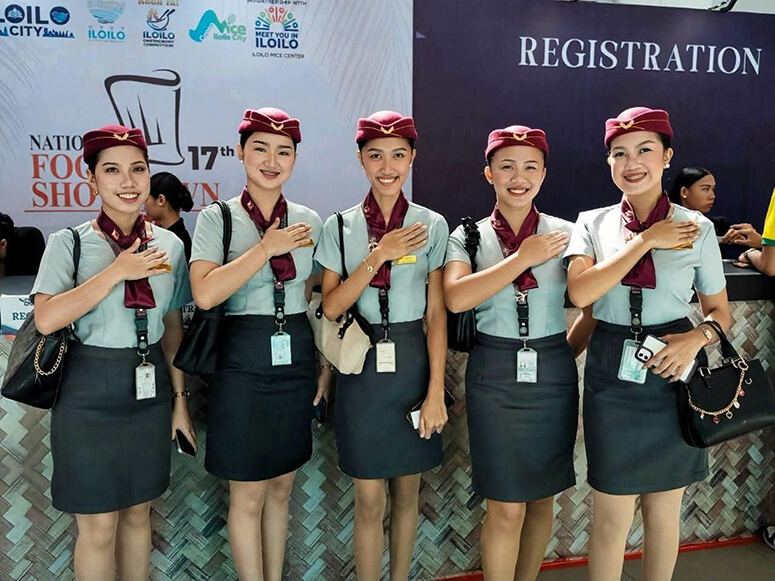
For the next chapter, she wants to focus heavily on front-of-house service, introducing lost tableside traditions like a classic Caesar salad or the intricate carving of a French duck à la presse. These old-fashioned techniques remind us that hospitality extends beyond what is served on a plate. It includes the person who welcomes a guest and the team that makes a meal worth remembering.
After two days on the floor, I realized the NFS does more than award medals. It helps people discover what they can achieve with their hands, knowledge, and ambition. Seventeen years after launching a simple magazine promotion, Myrna is building paths for an essential workforce that deserves true recognition. For someone who cannot boil an egg, there was quite a lot to learn.

WATCH: Do you still believe in marriage? (Generations Ep. 17)
August 19, 2026
WATCH: Is Philippine cinema still thriving? (Generations Ep. 19)
September 2, 2026