Why your neighbor’s advice could kill you
Filipinos are famously helpful. Need sugar? Your kapitbahay will hand you a cup. Missing an onion? Someone next door has one. But mention a cough, fever, or chest pain and—voila!—the entire barangay becomes a medical board.
“Uminom ka ng salabat.”
“Mag-garlic ka, pampababa ng cholesterol.”
“Wag ka nang mag-hospital, mahal magpa-check-up.”
The intentions are warm, the advice free, and the confidence absolute. Unfortunately, some of these neighborly prescriptions can delay treatment, worsen disease—or send you straight from the sari-sari store to the emergency room.
Why we trust the neighborhood ‘experts’
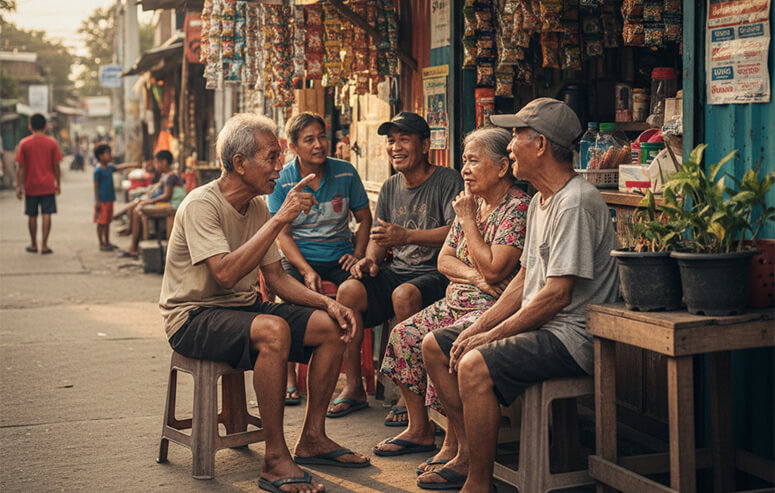
Accessibility. They’re always there—no appointment, no waiting room, no consultation fee.
Shared experience. If it worked for them, surely it will work for you.
Affordability. Free advice is cheaper than a laboratory test.
Cultural habit. Word-of-mouth wisdom is part of our DNA; it built our recipe books and, sadly, our medical myths.
In many rural towns, kapitbahay medicine is the first—and sometimes the only—resort. Doctors are few, hospitals far, and transportation costly. A friendly neighbor with an herbal garden and a loud voice easily fills the gap.
The risks of anecdotal medicine
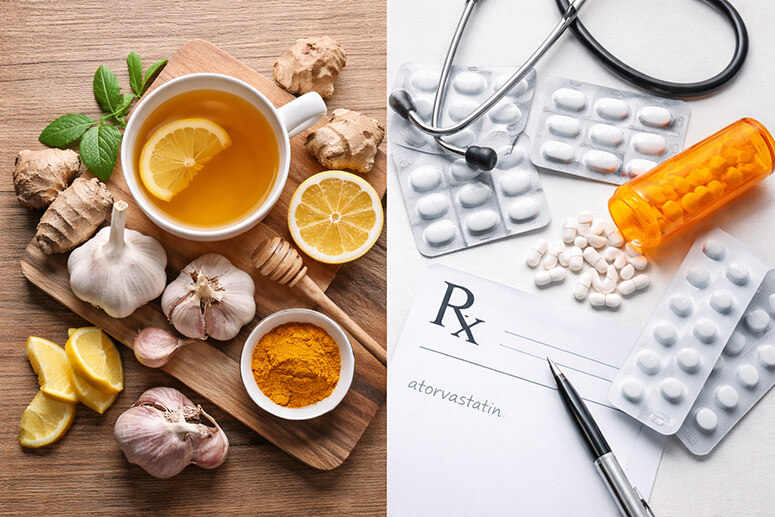
False security. Believing garlic alone can tame cholesterol may lead someone to stop life-saving statins.
Delayed care. Weeks of herbal tea before seeing a doctor give diseases time to graduate from mild to malignant.
Dangerous interactions. Some “natural” concoctions interfere with prescription drugs.
One-size-fits-all danger. What soothed your kapitbahay’s kabag (bloating) may trigger your ulcer—or worse.
True (and truly alarming) stories from the clinic
A 54-year-old man ignored his chest pain because a neighbor swore it was “kabag.” When he finally arrived at the ER, his “gas” turned out to be a heart attack big enough to light a barangay Christmas tree.
A mother stopped her diabetic child’s insulin, convinced by friends that bitter gourd (ampalaya) juice was enough. The child ended up in intensive care with blood sugar high enough to sweeten a glass of halo-halo.
During COVID, garlic necklaces, ginger teas, and sukob (steam inhalations) became our unofficial vaccines. Some patients arrived gasping, clutching plastic basins and towels—the remains of their “steam therapy.” The virus, alas, did not surrender to eucalyptus oil.
Neighborly love is one of the best things about being Filipino. Let’s keep the warmth — but leave the prescriptions to professionals.
Why the ‘barkadoc’ sounds convincing
Personal testimony beats statistics. “Gumaling ako diyan!” feels more persuasive than “Clinical trials show ….”
Community trust. We believe those we know over strangers in white coats.
Fear of hospitals. Bills, needles, long waits—compared with a free herbal drink, who wouldn’t choose the latter?
Mistrust of “big medicine.” Some think pharmaceutical companies hide cures, while nature and Nanay know best.
Confidence bias. Your neighbor delivers her advice with the authority of a TED Talk and the conviction of a faith healer.
The comedic side of ‘kabitbahay’ care
Ask about one symptom, and you get an entire barangay meeting. One neighbor prescribes ampalaya, another insists on turmeric, while an elder swears by rubbing Vicks from forehead to talampakan. A well-meaning tita hands you coconut oil “for immunity” and an egg for pasma. Someone starts a prayer circle; another offers tuba “pang-relax ng ugat.” By the time you reach the doctor, you smell like a salad and wonder why your blood pressure has risen from all the advice.
In one memorable consult, a patient admitted taking his neighbor’s “cholesterol tea.” When asked the ingredients, he proudly listed 23 plants— plus a dash of gin. “Para lumabas ang lasa, Doc!” he said. It certainly did: straight onto his liver function tests.
The good side of ‘kabitbahay’ medicine
Not all homegrown remedies are bad. Salabat soothes sore throats. Vicks clears noses (and memories). Lagundi eases coughs. Warm arroz caldo and rest are unbeatable comfort food.
These help, but they don’t cure. The danger begins when comfort replaces cure—when tea stands in for antibiotics or a massage substitutes for medical diagnosis. Relief is not recovery.
A short history of barangay pharmacology
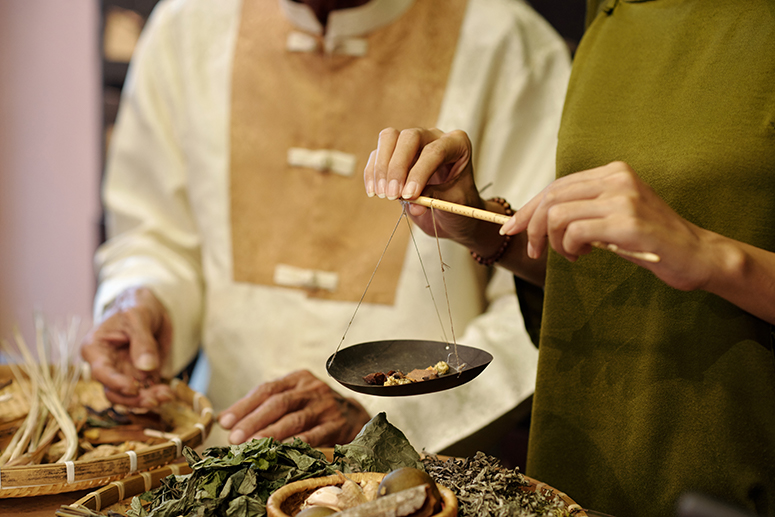
Before hospitals, our lolos and lolas relied on herbalists and albularyos. Some remedies had genuine pharmacologic value: Guava leaves contain antiseptic tannins; ginger reduces inflammation. Over generations, folk medicine and faith intertwined—creating a colorful, if chaotic, healthcare system.
Fast-forward to today’s digital age: the albularyo has Wi-Fi. “Kapitbahay Doc Version 2.0” now comes with a YouTube channel and TikTok following. Instead of chants, they recite studies they never read, and instead of anting-anting (charms), they wield ring lights.
What science and (common sense) say
Modern medicine doesn’t dismiss tradition—it tests it. When herbal remedies prove effective and safe, they’re adopted. Lagundi and sambong, for example, are recognized by the Department of Health. But dosage, purity, and interaction matter. Boiling random leaves in a dented pot isn’t the same as standardized medicine.
Doctors also know the emotional side of illness. A cup of salabat (ginger) given with love can heal loneliness, but it can’t unclog arteries. Compassion is priceless—but must come with prudence.
How to survive neighborly medicine
Listen politely, verify scientifically. Appreciate the concern, then check credible sources or your physician.
Don’t mix prescriptions and potions. Inform your doctor about all supplements or herbs you take.
Watch for red flags. If you’re in severe pain, short of breath, or dizzy—no amount of ginger tea is diagnostic. Go to the ER.
Educate gently. Correct misinformation with kindness, not condescension. No one likes being told they’re wrong—especially the kapitbahay who lent you sugar.
Be the better neighbor. Instead of prescribing, accompany someone to a clinic, help them find affordable check-ups, or share credible health articles.
Faith, humor, and healing
Filipinos survive crises with laughter and prayer. God gifted us both. The Bible doesn’t condemn medicine—it celebrates wisdom. “The Lord created medicines out of the earth, and a sensible man will not despise them.” (Ecclesiasticus 38:4)
Faith comforts; science cures; humor keeps us sane. A patient once told me, “Doc, I believe in both you and generic drugs—just in case one gets busy.” He’s now healthier and still hilarious.
A final dose of advice
Neighborly love is one of the best things about being Filipino. Let’s keep the warmth—but leave the prescriptions to professionals. Your kapitbahay can lend sugar and sympathy, but not statins or surgery.
So the next time someone offers you a miracle tea for chest pain, smile, say “Salamat, kapitbahay, (thanks, neighbor)” and head to your doctor — preferably before the salabat cools.
Because friendly advice can sweeten your day—but if you’re not careful, it can also be your final cup of tea.