

Historian Nick Deocampo discovers 'PH's oldest existing film' made in 1936. Here's how he found it
Ever wondered what the Philippines' oldest existing film looks like? The mystery is finally solved as film historian Nick Deocampo uncovered a copy of it in Brussels, Belgium.
In a Facebook post in late October, Deocampo shared the good news that he had discovered a copy of Diwata ng Karagatan tucked away in a Belgian film archive for decades now.
According to him, the long-lost movie starred the likes of Rogelio de la Rosa and Mari Velez and was first produced and shown in Manila in 1936 before being screened in Paris in 1937. No less than the Father of Philippine Cinema, José Nepomuceno, and pioneering director, Carlos Vander Tolosa, were behind the making of the film.
But as decades went by, Diwata ng Karagatan faded into obscurity, and it didn't help that the country of origin and the names of its creators had been completely erased.
Through Deocampo's efforts, however, the film is now on its way to being properly restored and reinstated into the country’s cinematic history.
How the film was found
CONTINUE READING BELOW

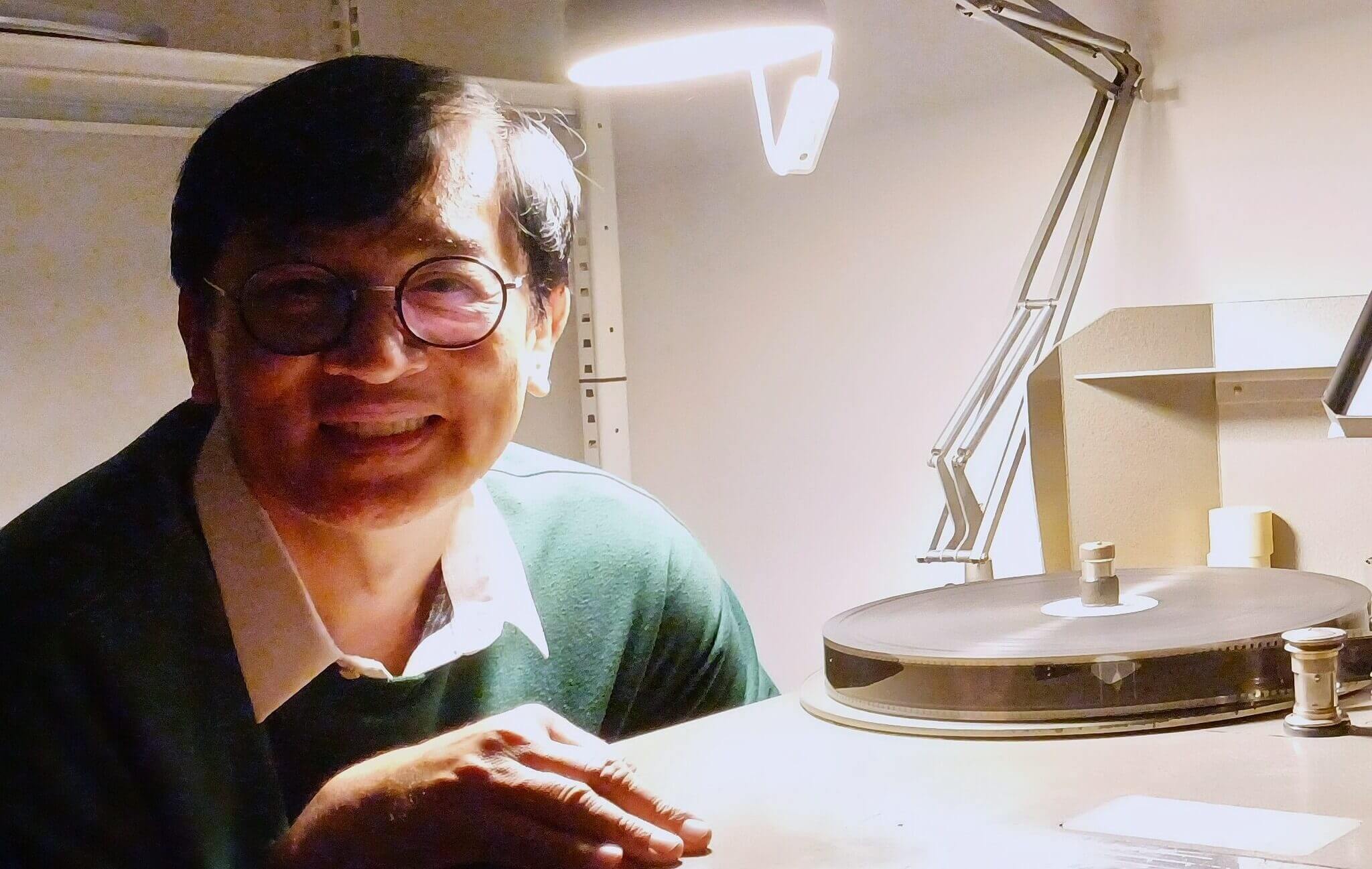
In an interview with PhilSTAR L!fe, Deocampo shared that Diwata ng Karagatan was part of his list of long-lost films that he has been on a mission to find. Whenever he traveled to a country to attend events, he made it a point to head to their film archive and look for movies about the Philippines.
"I was in Brussels in the 1990s, joining some film festivals and winning some awards. I visited the archive, the Cinematographique Royale de Belgique, and I left some [a message] and my contact and told them that, 'If you find anything about the Philippines, please let me know,'" he said.
Years later, he got in touch with his friend, Louise Baterna, and asked her if she could help liaise with the Belgian film archive to find the movie.
"Sabi niya, 'Huy, may kopya raw dito pero hindi sila sure kung 'yan ang hinahanap mo.' So immediately, using my own money, I bought my ticket from Berlin [to] Brussels. I could only be there for three days kasi limited nga ang aking time and budget," Deocampo said.
Fortunately, those three short days turned out to be productive as he managed to watch the film with his own eyes through an editing machine. Diwata ng Karagatan now only exists in a 35 mm print, as no copy has yet been digitized ever since the nitrate original was deposited at the archive.
"I was very surprised that finally, we found a film that is already going to be 90 years old by next year. Of course, the face of Rogelio De La Rosa when he was still [young] was familiar to me. Sabi ko, 'Siya na nga ito,'" Deocampo said.
"It filled me with a lot of excitement because here is another film that has been missing for so long, and the important thing is this film is a national treasure because it is the only film that we can attribute to the father of Philippine cinema, Jose Nepomuceno, as a producer," he added.
Diwata ng Karagatan tells the story of two lovers, Jose and Ligaya, who live contentedly on an island until a stranger named Wong comes with a retinue of his men, wanting the lovely maiden for himself.
"We can see exactly that this Filipino film is very much influenced by the Hollywood romance movies of the 1930s," Deocampo said.
Challenges in verifying the film's origins
One of the reasons why Diwata ng Karagatan was nearly impossible to track down is that it had four different titles that muddled its true identity.
"Can you imagine Diwata ng Karagatan has four different French titles, which I suspect is the reason why this sort of accusation of piracy is being lodged against the distributor of this film," Deocampo claimed.
"Mislabeling is a major difficulty to handle, because if you do not give them the right title, or even if I give them the right title from the Philippines, it's not the title that they keep there for that particular film," he added.
He further lamented how it was filled with misrepresentations in its re-edited versions and how the film's country of origin was erased, the credit having gone to Frenchmen such as Vicente Scotto for turning the film into a musical film adaptation; Lucien Viard for music edition; and Geo Kooer for voice-over commentary.
"Kung hindi ka pirata, bakit mo itatago 'yung country of origin? Ang tingin nila sa Pilipinas, maybe we were so backward—wala tayong movie industry and therefore, why would you even honor a country that is so 'primitive' in terms of filmmaking that it's not yet known in the cinematographic world?" Deocampo said.
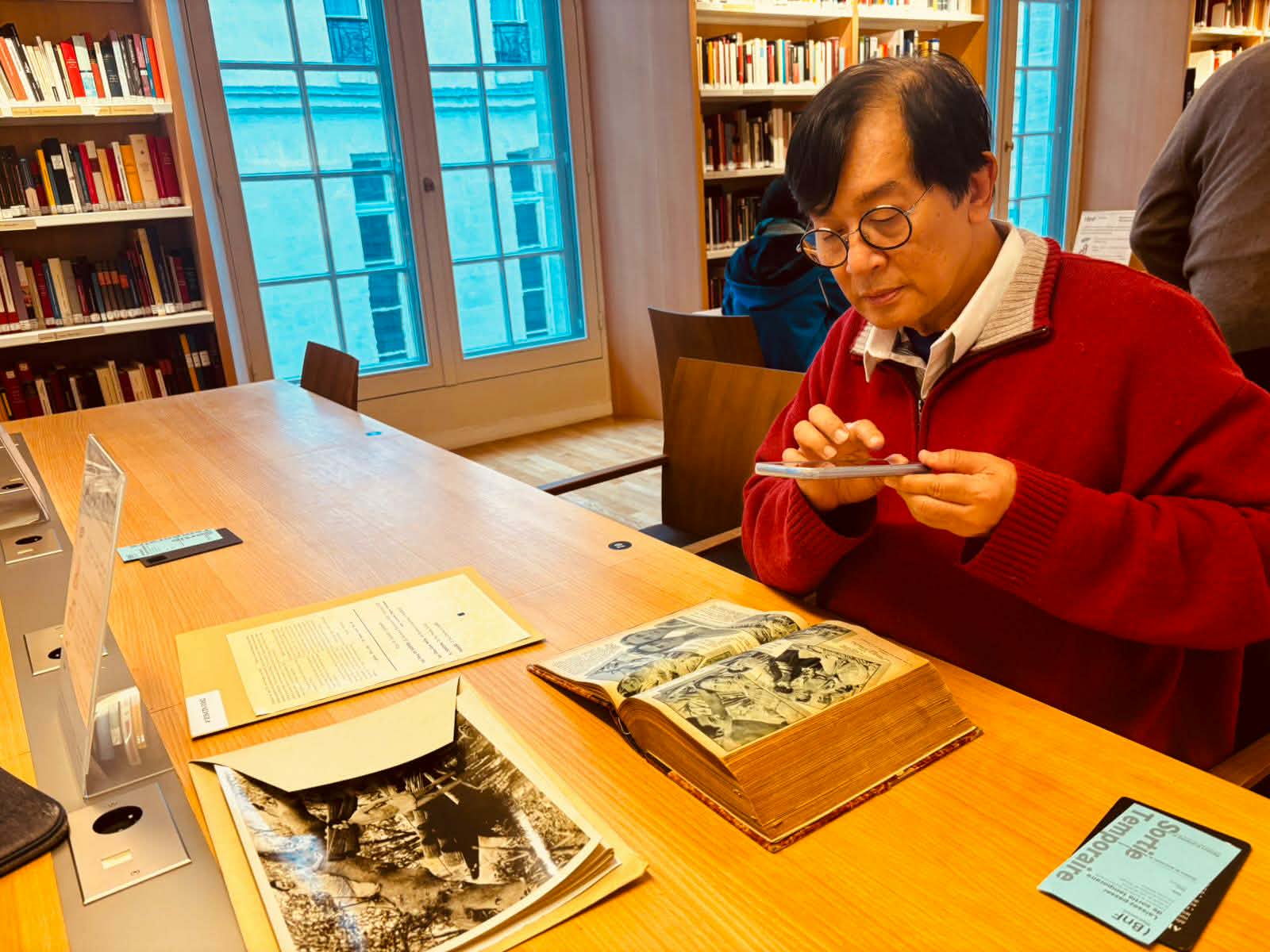
But he took it upon himself to dig deeper. Through magazines he found at the Bibliothèque Nationale de France, he found articles, documents, and photos published in 1937 confirming the film's Filipino creatives.
"May discrepancy lang. Pagdating sa pelikula, inangkin ng France na parang ginawa nila 'yan. Pero pagdating sa magazines naman, nandun naman ang katotohanan at magpapatunay na gawa nga ng Pilipino ito, gawa nga ito ni Nepomuceno. So medyo gumaan ang pakiramdam ko doon," Deocampo said.
Next steps
If there's one thing that Deocampo is hoping for, it's for the Philippine government to be more proactive in locating and preserving long-lost films, as historians like himself don't have the budget that agencies have.
"Ang orientation kasi natin puro production. Ang ambition natin is to win in the Oscars, to win in Cannes, to win in Busan, to be the best director of all time. We are overtraining na and we are already overproducing. I'm not saying that this is wrong. We go on doing that. My point is we almost don't have the budget for research," he said.
"We need to preserve our documents because they are bound to be lost. The photographs, the maps, the sound recordings, and so many things. We really need to put some budget into this," he continued.
Being the chairman of the UNESCO Memory of the World Committee, he noted how he has a list of a hundred more films and documentaries that have yet to be found and stressed that he knows where they may be located.
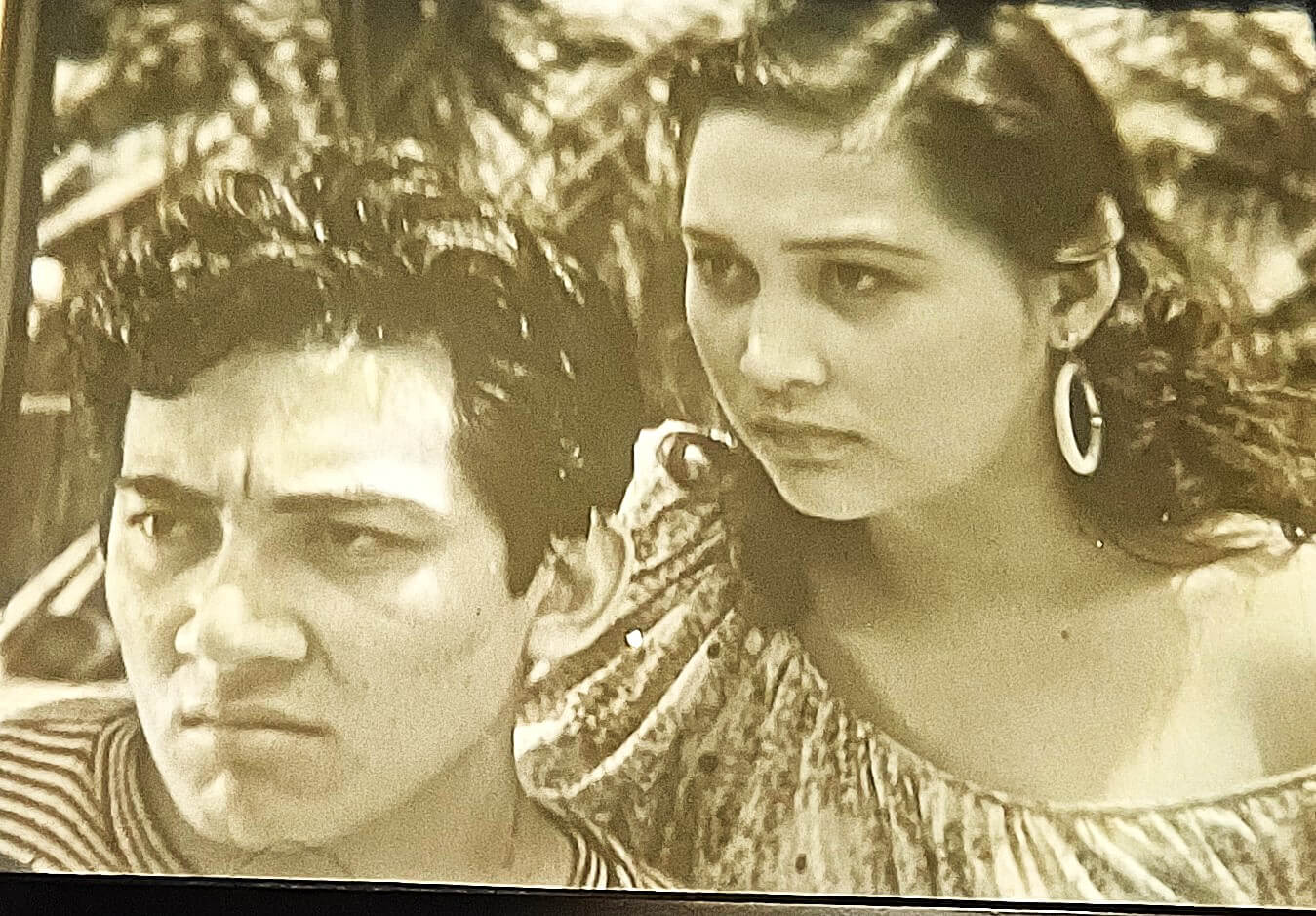
"Some of them are in Latin America, some of them are here in Asia, and some of them are in Europe... I-uwi naman natin 'yung mga nawawalang pelikula natin. Mga 400 ang ginawa nating pelikula before World War II. Anim pa lang nahanap natin, and I have a list of 100," Deocampo said.
In the meantime, he is focusing his attention on restoring Diwata ng Karagatan to its former glory. He shared that the Film Development Council of the Philippines is now negotiating with the Belgian archive for a restored copy to be made.
In its present state, the extant version is "jumbled up," with some characters appearing without getting their proper introduction and scenes inserted without motivation. It still needs to undergo the tedious process of digitization, re-editing, and other processes to restore the film.
For now, Deocampo is doing his best to bring the film home as early as February for selected screenings in Manila in time for Arts Month.
While no promises are made, he hopes to give a lecture about the film and for Filipinos can get a glimpse of the historic title in the country.

WATCH: Do you still believe in marriage? (Generations Ep. 17)
August 19, 2026