

Future of PH cinema? Emerging and veteran filmmakers talk AI, crafting stories that matter
Since 1979, the Mowelfund Film Institute (MFI) has helped shape the next generation of Filipino filmmakers. Every other year, it conducts an intensive filmmaking workshop, which has produced notable alumni like Yam Laranas, Brillante Mendoza, Cannes winner Raymond Red, and Lav Diaz.
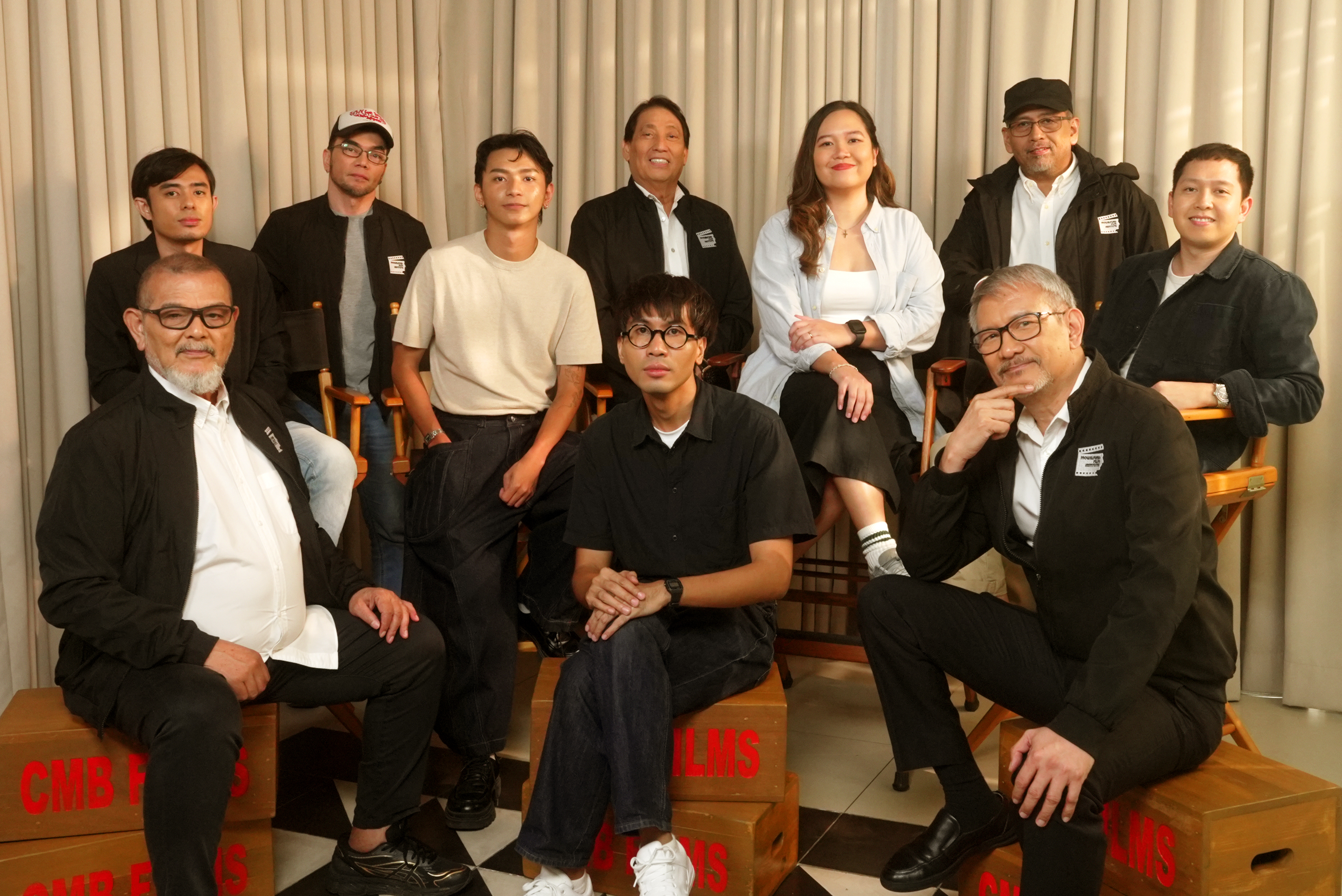
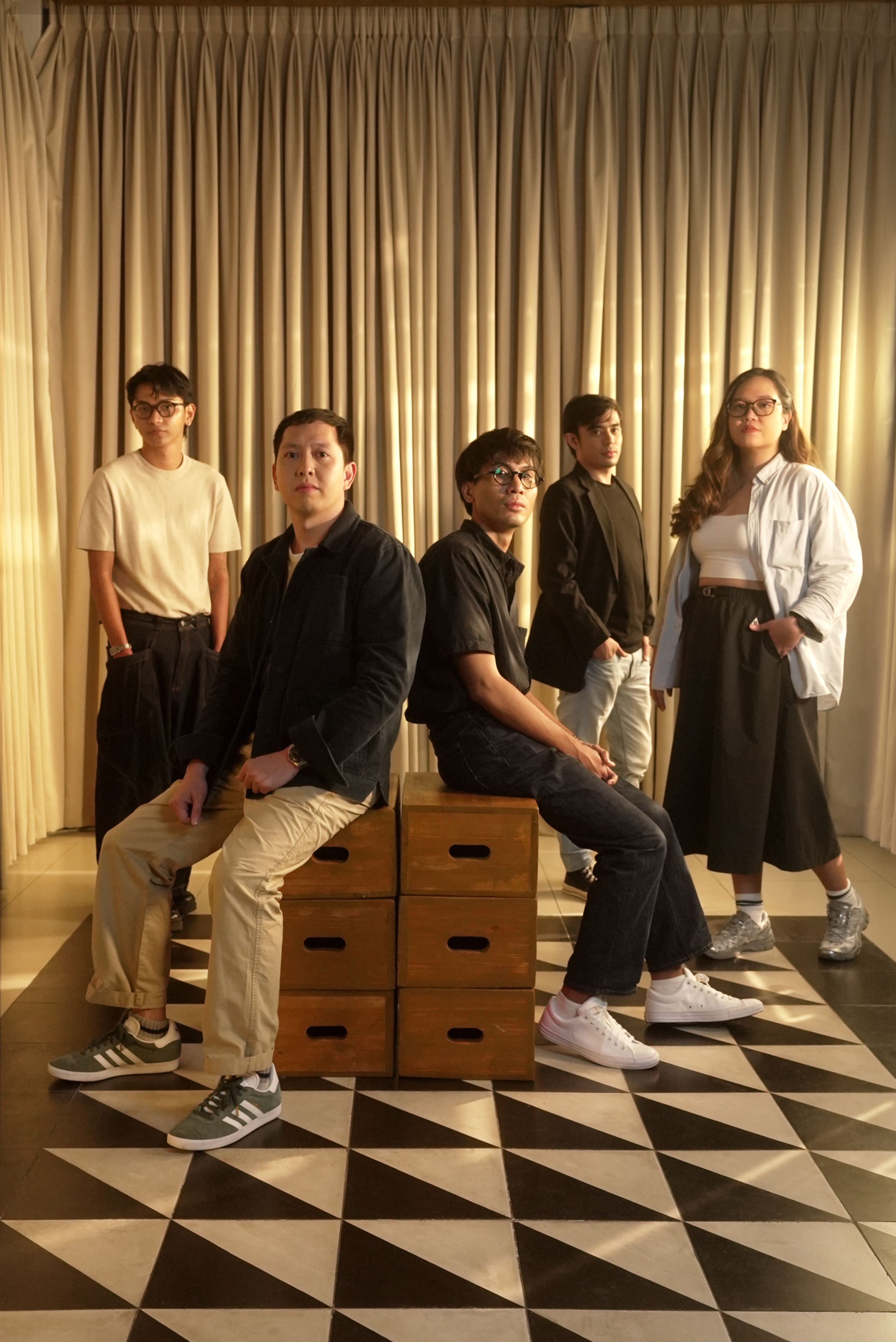
This year, a new batch of emerging directors are bringing their stories to life, including Angela Jed Silvestre, Patrick Pangan, Raymart Avellaneda, Jay Angeles, and Mio Dagsaan.
"The process really allows you to confront uncomfortable truths about yourself, about life, about the society we live in," Silvestre shared about her experience in an interview with PhilSTAR L!fe.
For Pangan, the workshop was like being back in school. "[Communication] student ako, nag-major din ako ng Film, but at this point in my life, parang there are certain things that siyempre I don't know, na dito, maraming discoveries," he said.
Throughout the process, their craft has been elevated with the help of industry veterans Mowelfund Inc. president Res Cortez, MFI director Ricky Orellana, Direk Mel Bacani III, CMB Film Services president and managing director Jim Baltazar, Film Academy of the Philippines Director General Paolo Villauna, and Direk Martika Ramirez Escobar.
The democratization of filmmaking
Villaluna, a film and TV commercial director who is known for films Selda in 2007 and Pedicab in 2016, described today's emerging filmmakers as belonging to the "luckiest and unluckiest generation." They are the luckiest due to access to technology and different formats.

"You can shoot a film with a cellphone, cheaper digital cameras, wala nang negatives, wala nang separate audio, pwedeng recording na," he noted.
This also rings true for Bacani, known for his films Delirious (1989) and Minsan Isang Panahon (1990).
"Before, if you shot on video, you were considered cheap. Now, there's no such thing. My only wish is that when we were starting, the technology was already with us," he noted.
Baltazar, who owns production supplier CMB Film Services, said that it was both "easy and difficult" to work with old tech like negatives.
"Ngayon, digital na tayo, 'di ba? Before, we had to go through negatives," he said.
And because anyone can make films, it has been democratized. Villaluna highlighted how this can be a double-edged sword.
"That's a good thing. However, mas malaki rin ang responsibilidad ng filmmaker ngayon," he said.
"Everyone wants to be a director. So walang nag-emerge talaga na boses. So it's a bigger struggle to be heard from the marketplace of several voices."
Whether it was during National Artist for Film Lino Brocka's time in the 70s and 80s or today's modern film scene, Villaluna added that emerging directors still face the "behavioral struggle" of finding materials, the right story, and crucial support.
Future of PH cinema
From negatives spliced by hand to films shot on smartphones, the tools may change, but the heartbeat of Philippine cinema remains the same—to bring stories worth telling to the screen.
"I've been in the business for more than 40 years and now [I'm] doing things na magiging legacy ko naman sa industry at kahit na nga ako tinaguriang 'Pambansang Manggagahasa ng Pilipinas,' iniisip ko rin yung paano ma-upgrade, or [level[ up ang industry," Cortez said, referring to he's most known for playing villains in TV shows and films.
"Ang future ng ating industry ay nasa mga youth or young filmmakers," he continued, adding that the MFI is an avenue for up-and-coming directors to explore opportunities.
Orellana echoed this, saying that he's worked as MFI director because he believes in the importance of education.
"Nahubog ako sa education. Talagang nag-iba 'yung pananaw ko [sa] pelikula at ang dami kong natutunan gusto kong ibalik din sa mga bagong generation," he said.
Bacani, who was batchmates with Orellana, shared that the 2025 batch has shown enthusiasm toward the craft in times when he'd join the online workshops.
"Nakikita namin how enthusiastic sila, how [it] brightens up their faces 'pag nakikita mong they really learn something from the workshop that we're handling," he said.
Young guns
The current MFI Class of 2025 carries a sense of hope for the future of Philippine cinema, even as they acknowledge the looming presence of artificial intelligence and the democratization of filmmaking.
"I think what's relevant right now with emergence of different platforms, the way that the youth are educated through what they see," Angeles told L!fe, adding that he envisions Filipino audiences to grow more discerning.
He added, "I believe that the youth are gonna be more equipped to shape the way that cinema is gonna select what we consider as good films."
Silvestre echoed this optimism, emphasizing the power of cinema to heal and connect. She highlighted that while AI may threaten jobs, it cannot make films the same way humans do.
'I'm very hopeful that the stories that we want to tell will find or will be watched and found by the people that we hope will help," she said.
"AI can't replicate human experience. And that's where we get a lot of the inspiration that we use to make art."
Meanwhile, Pangan hope for something simpler: for Filipinos to return to theaters.
"Right now, I think may progress naman na siya at this point. But like, for sure nagkaroon ng decline when it comes to people going back to theaters or cinema."
According to Box Office Mojo, total gross ticket sales fell by 3.7% in 2024. So far, movies in 2025 have earned $39.7 million, but it still hasn't reached pre-COVID levels of $144.5 million in 2019.
"'May malaking hope na din naman na for sure na magkaroon pa ng mas malawak, more budget for filmmaking support," Pangan added.
For Avellaneda, he believes that cinema is open to a fresh generations of storytellers who want to enter the field.
"Naniniwala ako na ang kwentong ginagawa ng mga manlilikha ay sumasalamin sa kung anong panahon na meron siya. So lilipas kami—kung kami 'yung bago ngayon, maluluma kami magkakaroon ng mga bagong pagsibol," he said.

WATCH: Pixar Summer Fest adventure at Hong Kong Disneyland
August 10, 2026
WATCH: Can you still trust someone who betrayed you? (Generations Ep. 22)
September 23, 2026
WATCH: Is OPM still as good as it used to be? (Generations Ep. 20)
September 9, 2026