

A rich harvest of art
Long before climate change began wreaking relentless havoc on our planet, threatening food security as a result, humans had turned to the natural world for sources of food, healing, materials for shelter, tools and clothes. In an age where commercialization has filled our shelves with artificial, processed food and our medicine cabinets with pills and powders derived from chemicals, it’s good to look back to nature for the ingredients and cures that have sustained centuries of human life.
The beloved late botanist Leonardo Co was one of those who helped the poor communities of the Cordilleras rediscover the edible and medicinal plants that are abundant in these mountain provinces. Despite his unfortunate death in 2010 (when he was mistaken for an NPA and shot), his legacy lives on in the book he left behind entitled Common Medicinal Plants of the Cordillera Region (Chestcore, Baguio City): it’s a treasure trove of useful plants that can be found not just in the uplands but throughout the archipelago.
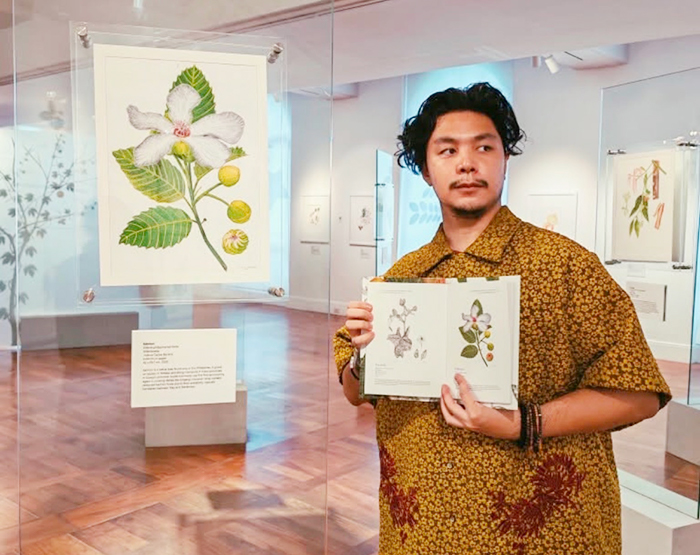
More recently, the like-minded Bing Formoso Tac-an discovered Botanical Art Worldwide,a global collective of 25 nations that hold art exhibits, sharing the riches of each countries’ native flora.
“I was struck by the absence of the Philippines, a megadiverse country with more than 10,000 vascular plant species, over half of them endemic,” she says. “The absence highlighted a gap not only in participation but also in recognition of our botanical heritage through art.”
This inspired her to found the Philippine Botanical Art Society, which last year, with the help of director general of the National Museum of the Philippines Jeremy Barns, officially joined the second Botanical Art Worldwide exhibitions taking place simultaneously all over the world.
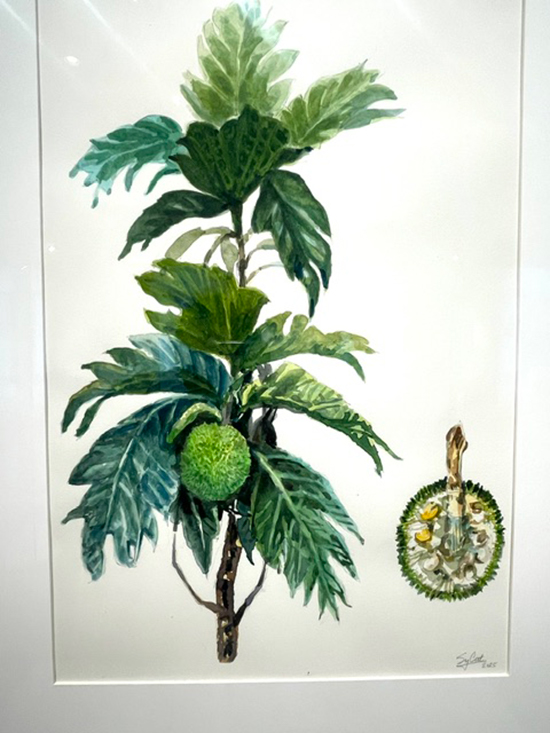
The ongoing “Ani: Our Assets, Natural Heritage and Cultural Identity” exhibit at the National Museum of Natural History blends art with the issue of recognizing our heritage and ancient Philippine crops, which can play a crucial role in the food security of our country. The very title “ani,” which means harvest, is of great significance to an agriculturally challenged nation. The show features poignant, beautiful and artistic renditions of these almost-forgotten native crops.
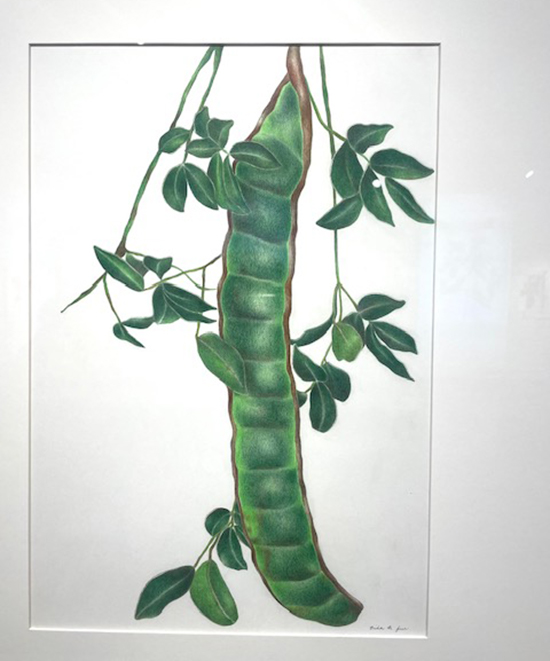

This Philippines is home to thousands of plants, more than half of which are only found in this country. The vast majority of native wild relatives of plants introduced by the galleon trade are underutilized despite the fact that they have great economic potential and can help feed our growing population. Support for conserving these various plants that are used not only for food but also for textiles, building, energy and medicine is needed.
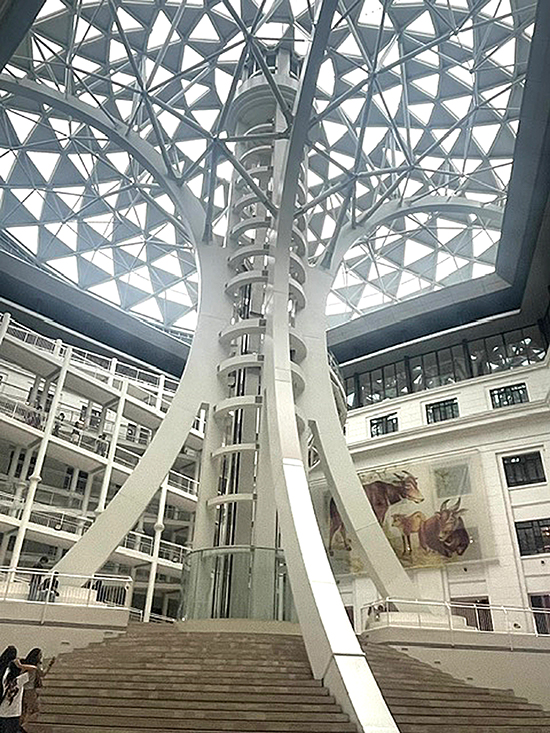
If you have never stepped into the National Museum of Natural History, this is one of the best reasons to visit. Apart from gazing upon the beautiful artworks of the 53 members of the Philippine Botanical Art Society, the museum itself is a knockout: housed in a 1930s neoclassical building by architect Antonio Toledo. The stunning central “Tree of Life” anchored in the atrium was designed by architect Dom Galicia and interior designer Tina Periquet.
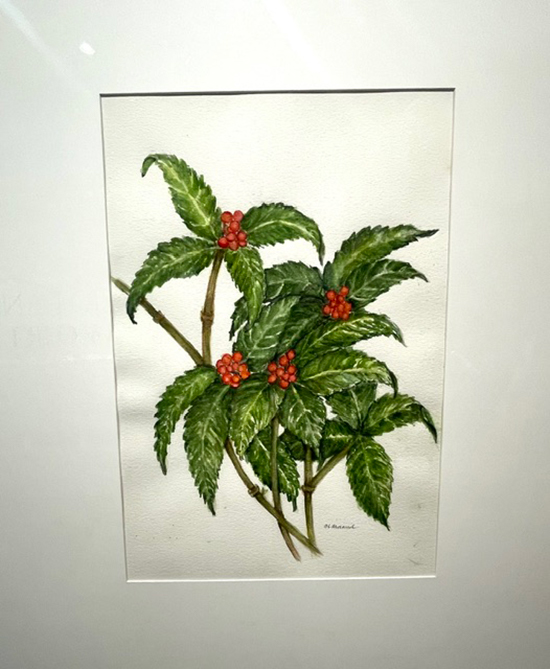
The “Ani” exhibit space also includes a display of ethnic clothing, implements, tools and thatching materials that supplied generations of Filipinos. A “Wild and Free” section shows the edible plants early hunter-gatherer Filipinos added to their diets and later domesticated. A wall dedicated to dried specimens of plants from the Philippines belongs to the extensive collection of the Philippine National Herbarium of the National Museum. Scientists continue to study these specimens to understand our biodiversity, impacts of climate change and future food security.
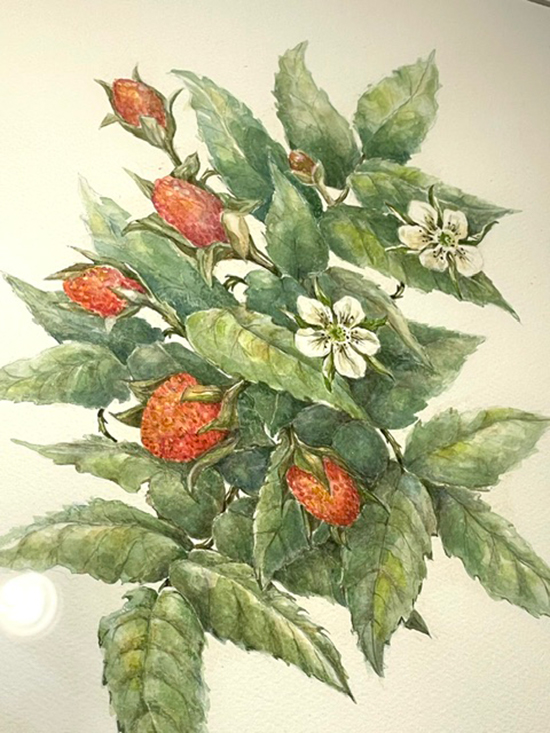
Rendered in water color, oil, pen and ink, colored pencils, acrylic, gouache and graphite, the over 70 depictions of botanical beauties produced by the members of the Philippine Botanical Art Society are a delight. Read the captions and you can learn about the many uses of these plants, some of which you may have never heard of and some of which are already growing in your garden.
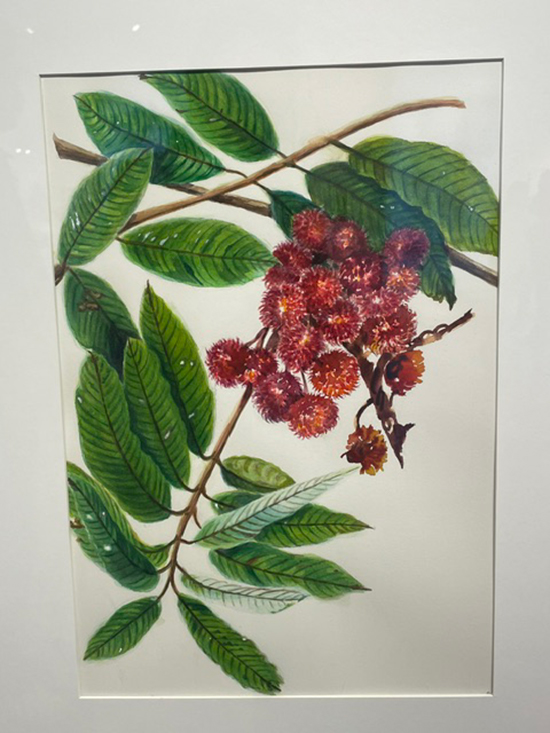
In a time when we keep turning to the same fruit, vegetables and herbs over and over for our sustenance, “Ani” opens our eyes to the botanical richness and diversity of our country. Better still, you might find just a few of these useful plants right in your backyard.
“Ani: Our Assets, Natural Heritage and Cultural Identity” is extended until 2027 at National Museum of Natural History.

WATCH: LGBTQIA+ people with unlikely professions
June 28, 2026
WATCH: Is OPM still as good as it used to be? (Generations Ep. 20)
September 9, 2026