

Bakit ikinahihiya ng Pinoy ang scalp concerns?
BrandedUp in partnership with

Some things people talk about easily, like traffic, the weather, stress at work.
Other things rarely come up in conversation.
Scalp concerns often belong to that second group.
A few flakes on a dark shirt before a meeting. Strands of hair left on a brush after a long day. An oily scalp after commuting through heat and humidity. Moments like these are familiar to many people, yet they often come with a quiet sense of hiya.
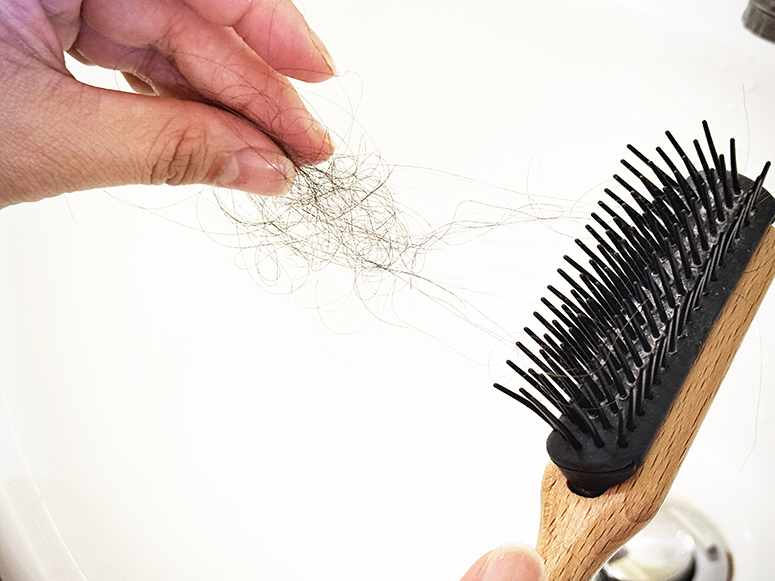
For many Filipinos, dandruff, oiliness, or hair fall can feel embarrassing. It is something to quickly brush off, hide, or hope no one notices.
It may seem like a small issue, but the feeling of hiya can influence how people carry themselves throughout the day.
When hiya gets in the way
CONTINUE READING BELOW

The impact is not always obvious.
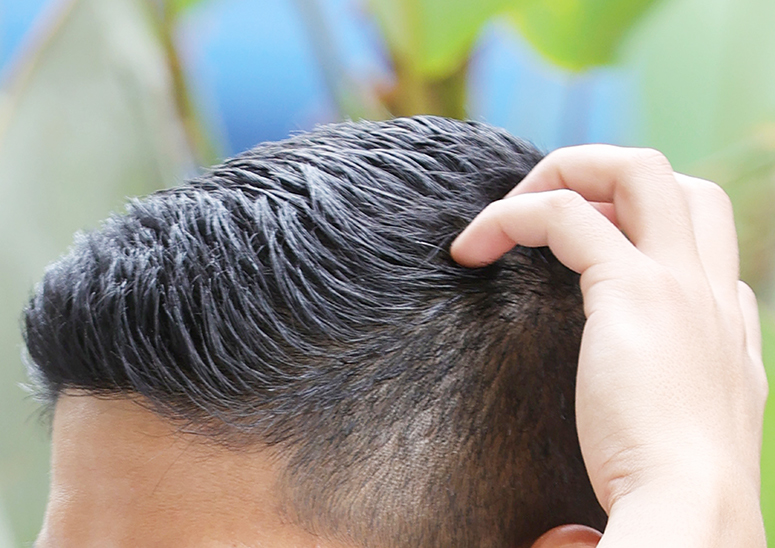
Someone might avoid wearing dark clothes because flakes could show. Another might feel uneasy in close conversations, worrying that others might notice their scalp. Some may even hesitate to talk about the concern at all, assuming it is something they simply have to live with.
Over time, these small adjustments can affect a person’s sense of comfort and confidence in everyday situations, from work meetings to social gatherings.
Dermatologists often describe the scalp as an extension of the skin. Like the rest of the body’s skin, it can become imbalanced, sometimes leading to dandruff, excess oil, or hair fall.
But because these concerns appear in visible ways, they can easily become tied to how people feel about themselves.
Starting the conversation
That is why talking about scalp health matters.
Recognizing that these concerns are common—and that they can be addressed—can help remove the stigma around them. Instead of something to hide, scalp health can become part of everyday self-care.
Brands like Dove Derma Scalp are helping encourage this shift by promoting routines that support a healthier scalp environment.
In the coming weeks, The Philippine STAR and Philstar Life will share stories of Filipinos from different walks of life whose routines, environments, and daily pressures shape their scalp health experiences.
Their stories may reveal something many people quietly suspect: that the concerns we feel hiya about are often the ones more people share than we realize.
* * *
Editor’s Note: This article was provided by Dove.

WATCH: Can we talk about death and grief? (Generations Ep. 25)
October 14, 2026
WATCH: How to experience Bangkok and Kanchanaburi in one trip
October 21, 2026
WATCH: Pixar Summer Fest adventure at Hong Kong Disneyland
August 10, 2026