

Made-to-measure gets younger
There was a time—before malls, before racks—when every household had two constants: a modista or dressmaker, and a tailor.
Ours was a man in Kapitolyo named Lakandula Navea, though no one ever called him that. He was Duls Duls—a name that belonged to the same rhythm as Nik-Nik and Bang-Bang, those labels that moved through the ’70s with a kind of ease, worn and spoken in the same breath. It was a different cadence then—body-hugging shiny polyester and bellbottom trousers. You heard it in the way people dressed, and somehow, even in the names they carried.
He worked out of a walk-up near what is now Capital Commons. You climbed a short flight of stairs, knocked, and stepped into a room that felt less like a shop and more like someone’s living space. Fabric laid out on the table. Chalk marks left where they fell. Scissors always within reach. He cut cloth in front of you, without ceremony. Small swatches were stapled to receipts, your name written across them, and that was how things were kept—simple, direct, enough.
And when you needed a reference, he would reach for a dog-eared Sears Roebuck catalog, flip through a few pages, pause, point—and that was it.
My father had his. Eventually, I had mine.
He measured you once, maybe twice, commented on your weight and then you left it with him. When you came back, it was right—or close enough that he would fix it without making a point of it.
CONTINUE READING BELOW

That was how I learned clothes. Not from brands, not from trends, but from being measured.
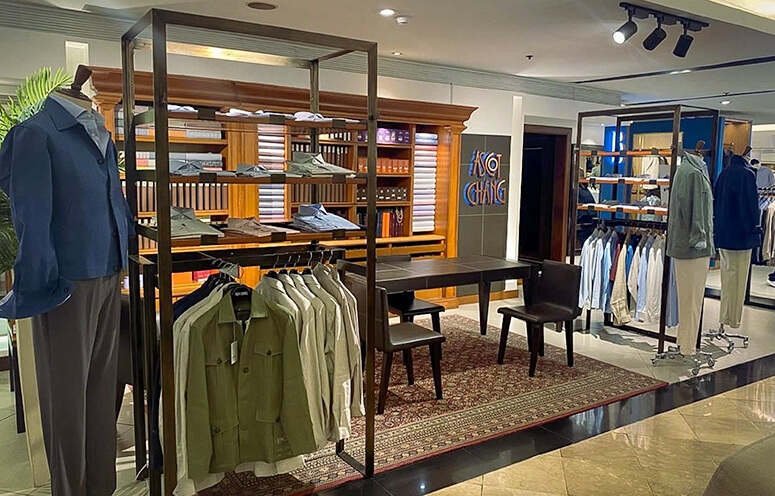
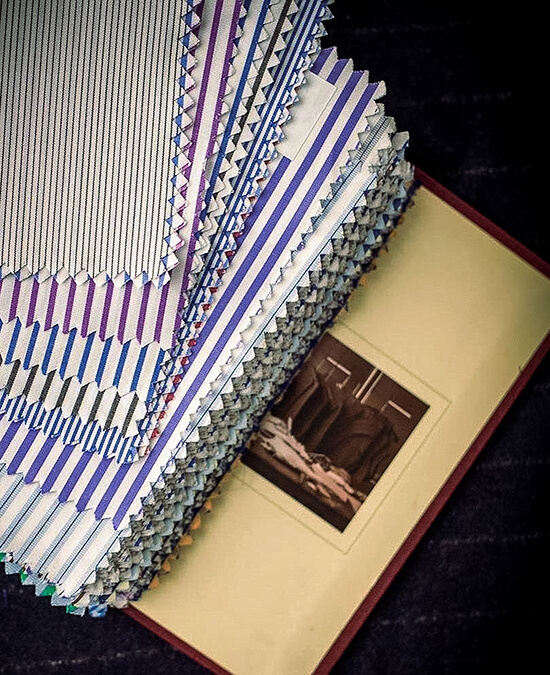
Decades later, I found myself in a different kind of walk-up—Ascot Chang at Makati Shangri-La. Cooler, quieter, more composed. Shirts laid out with a sense of control rather than abundance. Fabrics that felt familiar in the hand, but laid out in shelves with the kind of precision of a library that I hadn’t quite seen before.
And yet, the steps never really changed.
Measure. Adjust. A brief exchange about the collar—how it should sit, how it should open—spoken without urgency. No performance to it. Just the work, done properly.
It didn’t feel new so much as it felt like a continuation, only tightened, and yes, far more refined.
My relationship with Ascot Chang was simple. I had to be making money to afford it—and that, in itself, made you pay attention. You didn’t wander into it. I had to give it a lot of thought. It was a far cry from ready to wear. You arrived, quietly, the same way you might with your first proper watch.
Back then, it carried gravitas—not because it was rare, but because it marked a point in your sartorial journey. Not where you started, but where you had worked your way toward.
Ascot Chang was a ‘tito’ thing. Now, a new affluence and travel have made the bespoke market appeal accessible.
The house itself has always followed a line that is easy to trace. Shanghai in the 1940s, where Ascot Chang learned the trade properly, in a city that already understood the language of tailoring. Then Hong Kong, where he carried that knowledge across and built something from it—first going to office, taking orders, and by 1953, opening on Kimberley Road.
The second generation, through Tony Chang, expanded the reach—New York, trunk shows—but kept the work unchanged.
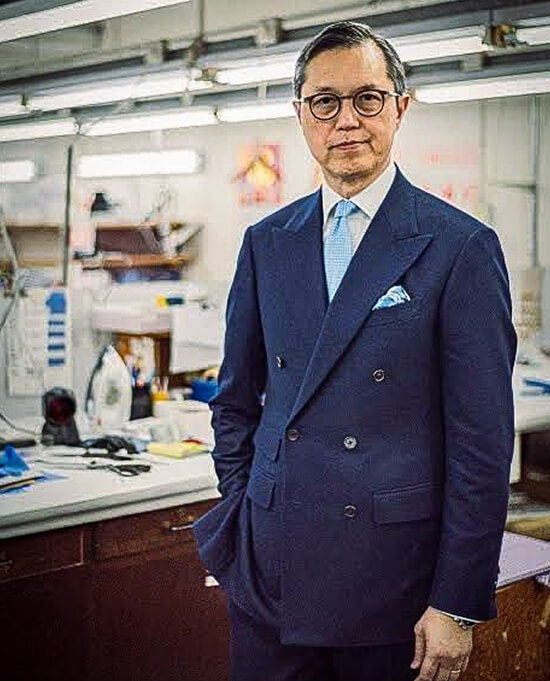
Now it sits with Justin Chang.
He is in his early forties, which is to say, at that point where you are no longer really needing to proving something new, but responsible for that already exists.
Because that is what this is now.
Not a brand to be built, but a house to be kept.
And that becomes heavier when you realize it is moving toward a hundred years.
By the time it gets there, Justin will be in his late sixties—much closer to where his father stands today.
That’s the seam.
Hong Kong, for a long time, stood in a particular place—part British, part something else entirely. The discipline of Savile Row arrived with the colony, but it did not stay untouched. It was absorbed, reworked, translated by local craftsmen who understood that clothes had to function differently here.
That was the system Ascot Chang grew in. Not fashion in the seasonal sense, but something steadier—measurement, repetition, the quiet discipline of doing the same thing well until it becomes instinct.
But that world has thinned.
There are fewer shirtmakers now. The pace has changed. Ready-to-wear has taken ground that once belonged to the needle. The customer is still there, but he moves faster, knows more, expects things sooner.
That is where the pressure sits.
Not in making more, but in holding the line without letting it slip.
Justin doesn’t dress it up. He doesn’t need to. He keeps the standard. Adjust where you must. Let the work speak.
Because once the seam is ripped, it doesn’t come back. And yet the work itself hasn’t changed. Only the world around it has.
Manila came later, through Rustan’s—an outpost where the work could be seen, handled, and understood here.
I remember a dinner at Mirèio in Raffles Makati, hosted by Donnie Tantoco, sometime in 2013. Nothing was formally announced, but you could feel the shift. The house reborn into the rhythm of the city.
A decade on, the picture is clearer. The customer is younger now. More informed.
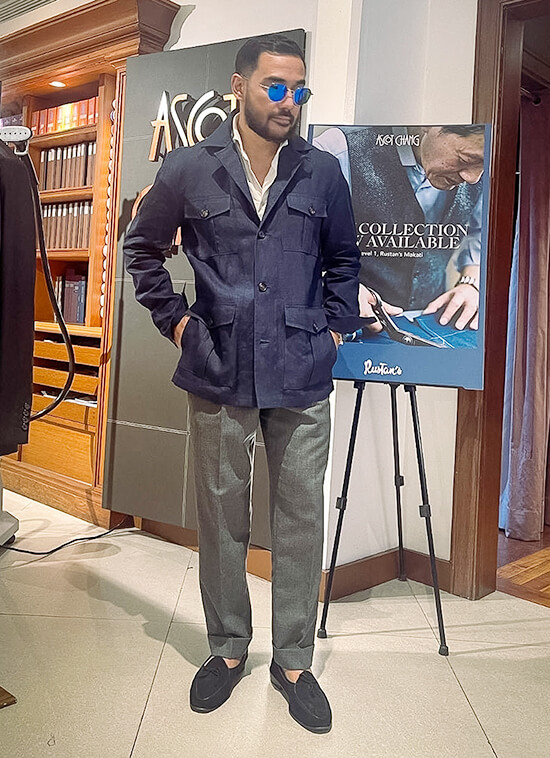
Before, something like Ascot Chang came later in your life. It was a “tito” thing. Well, not anymore. You worked your way toward it. Now, the entry point has moved. A new affluence, brought with travel and, yes, social media, has made the bespoke market appeal accessible. And with it, educating the modern Filipino with the essence of global yet understated style.
It was in talking through that shift with Justin Chang that things began to settle.
Not as a list at first, but in the way certain pieces kept returning to the conversation—what holds, what still works, what a man reaches for without thinking too much about it. At one point, Justin put it plainly.
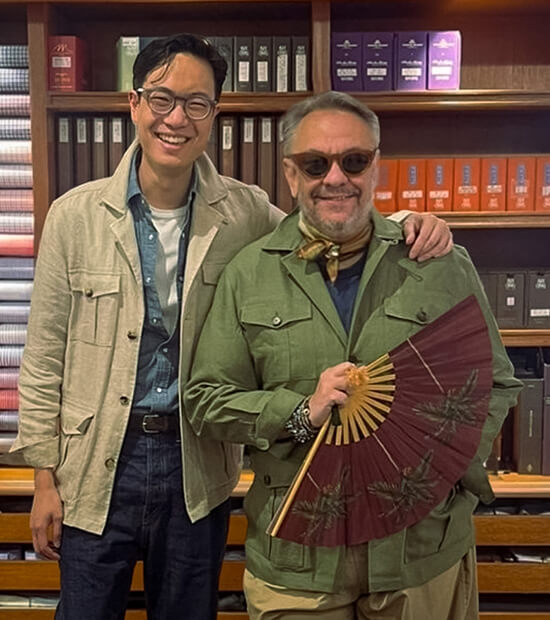
If you stripped everything back, there are a few essentials a modern wardrobe still rests on.
Five, if you had to name them.
The shirt came first.
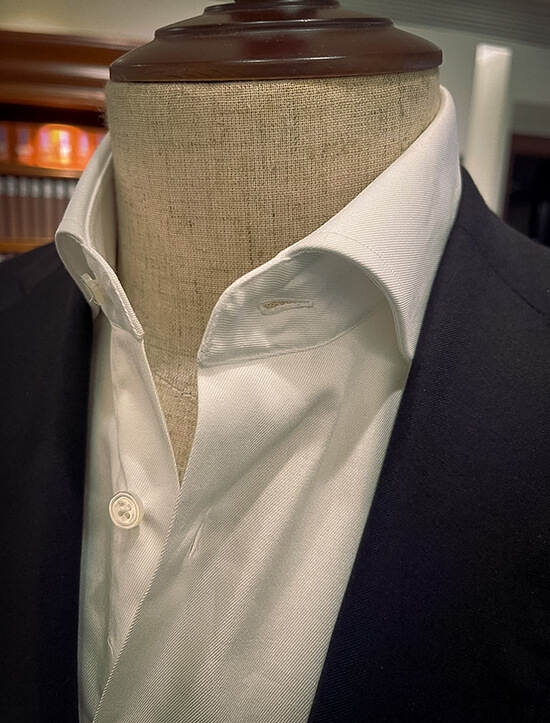
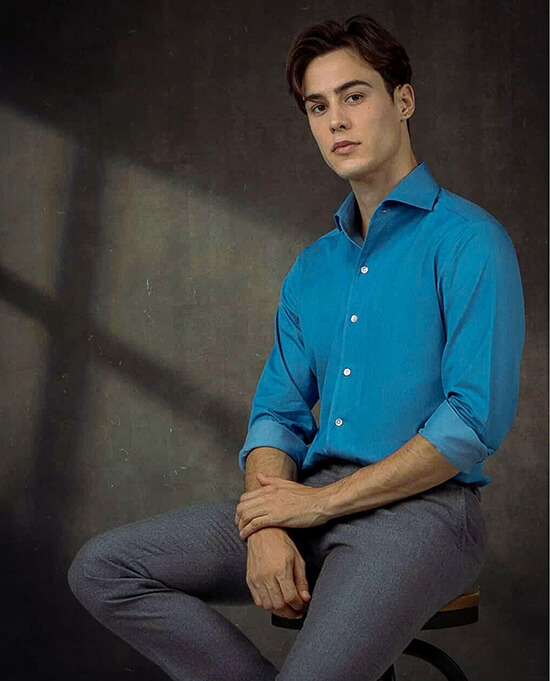
What he is shaping is an Ascot Chang interpretation of the one-piece Italian collar—something that carries that openness, that roll, but with more control built into it.
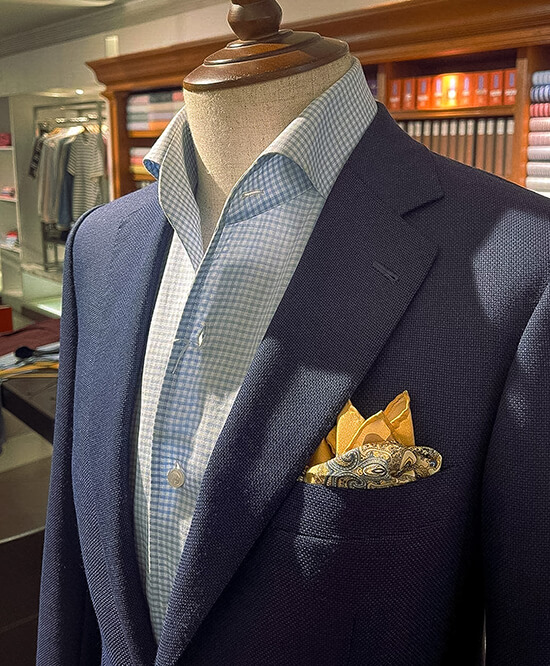
That matters now. The tie has stepped back, but the suit hasn’t disappeared. Which means the shirt has to carry the line on its own.
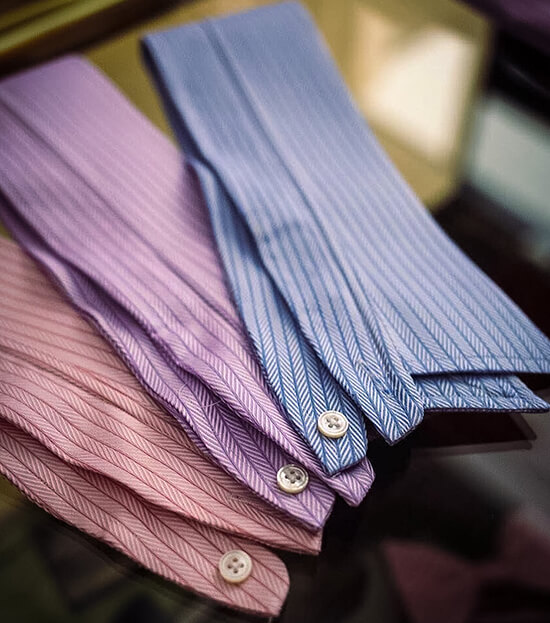
Worn open, it holds its shape. It doesn’t collapse into the jacket, doesn’t flare out. It sits properly, even without a tie anchoring it. That balance—ease without losing structure—is where the work is. Finished with a simple barrel cuff, it stays grounded. No excess. Just something that holds through the day.
Then the tone softens.
A chambray shirt—less about formality, more about balance. It takes the edge off tailoring, sits easily on its own, and moves between the two without effort.
The suit, inevitably, came up—but not in the way it used to.
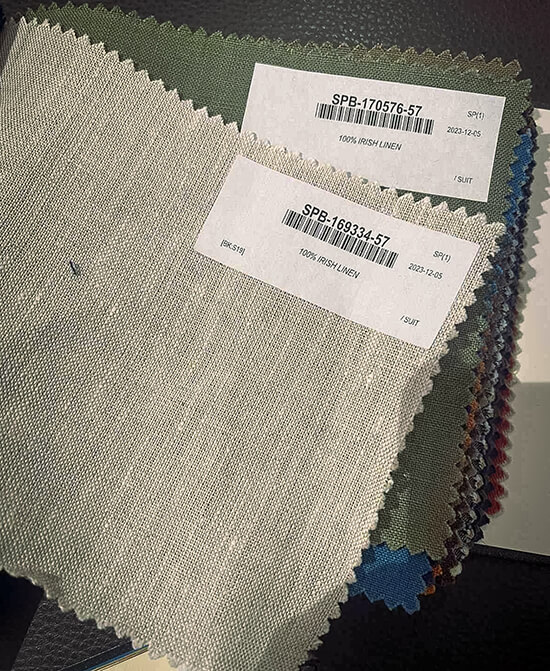
Less about presence. More about how it lives. Navy, unstructured, with a single pleat trouser. Cut in Crispaire—an open weave by Holland and Sherry—allows the suit to breathe, to move, to sit in this climate without fighting it.
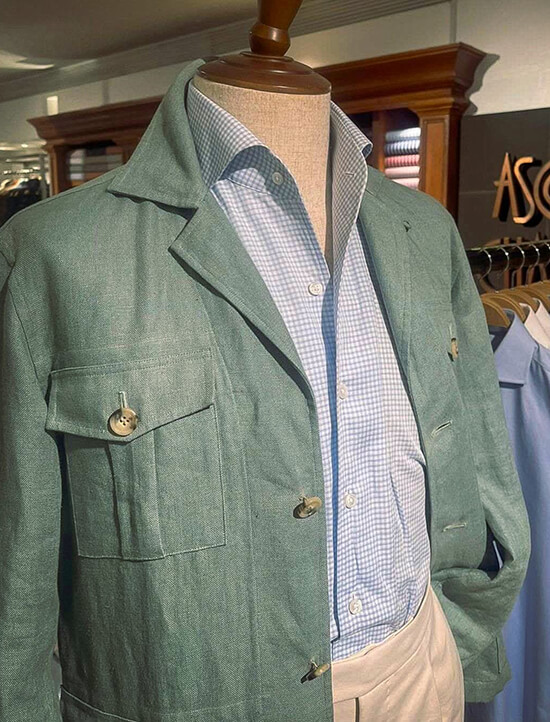
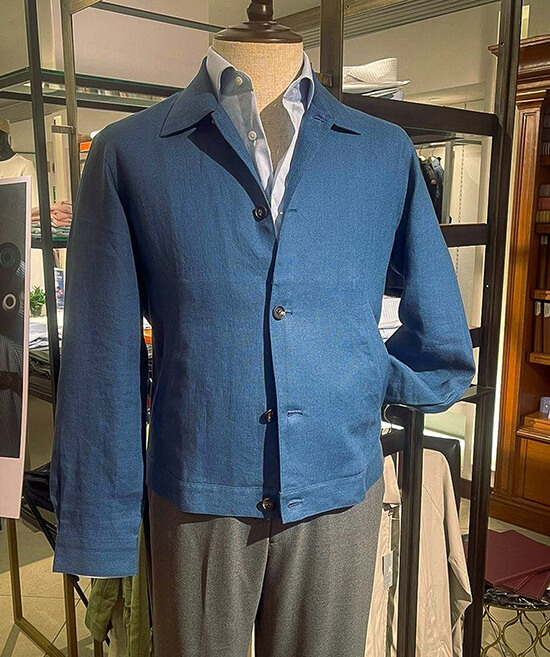
A safari jacket, when a blazer feels like too much. Enough structure to hold its place, but without the formality.
And a pair of brown loafers—worn in, not overworked—carrying everything else without calling attention to themselves.
And that was really the thread through it all. Needing someone local in the rag trade that knew the clientele.
For me, that has meant Bryce Salhab.
He didn’t just arrive at it.
Years on the floor at Hermès taught him the discipline of how things sit, how they’re worn, how they move from rack to life. He learned about the affluent buyer.
But it was at The Signet Store where that sharpened. Signet has become a place for those who care—where tailoring sits alongside shoes, denim, and a broader, more considered view of menswear. Not just a shop, but a way of seeing. Interestingly enough, the change in how people dress in Manila is defined as pre- and post-Signet. It helped brands available to ramp up their game.
That’s the ground he comes from.
And Justin sees that for what it is.
Not just a working relationship, but a way in.
Someone who understands the house, but also understands the man standing in front of it. In that sense, Bryce brings in a different customer.
And you have Carlo Domingo—four years on the floor at Rustan’s, now working alongside Ascot Chang—part of that layer that carries the house into Manila.
He understands how it lands here, what needs adjusting and what doesn’t, keeping the line intact without making a point of it.
So there it is. From Duls Duls in Kapitolyo to a fitting room at Rustan’s Makati, you begin to see that it was never really about adding more. A few items can help the way to dress, better. It is never about quantity or flash. Keep it understated. It is about quality.

WATCH: Can we talk about death and grief? (Generations Ep. 25)
October 14, 2026