

The terno made modern and desirable in 2025
If there’s any doubt that ternos and barongs are now seen more in mainstream fashion than just a few years ago, you just have to look online to see how they have become ubiquitous in the market, with even copies of a designer’s work making headlines last month after a government official was seen wearing one of the facsimiles.
If plagiarists are on the prowl scouting on social media, it’s only because our national dress has achieved a status and cultural currency that can be attributed to the influence of Ternocon, organized by Bench/Suyen and the Cultural Center of the Philippines, which had its first edition in 2018 and has been making headway by leaps and bounds in educating designers and the public, starting with the terno in the first two editions, progressing to the balintawak in 2023 and adding the kimona to the mix this year when it had its fashion show and awarding in January after finalists chosen from all over the country had almost a year of rigorous workshops, lectures and mentoring from established designers.
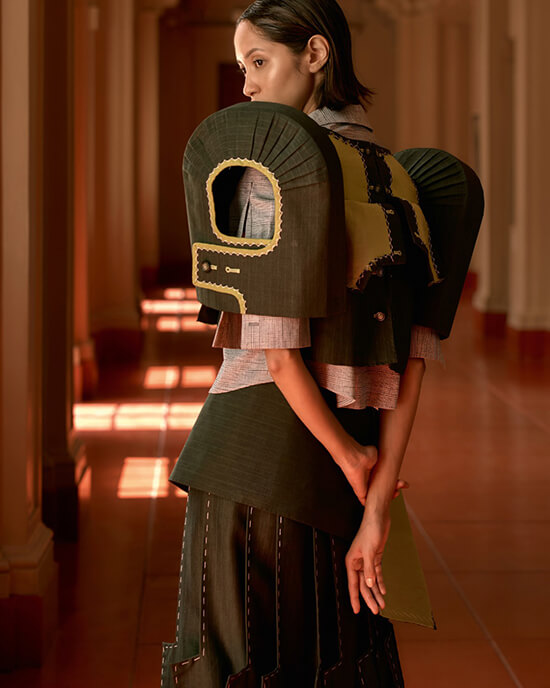
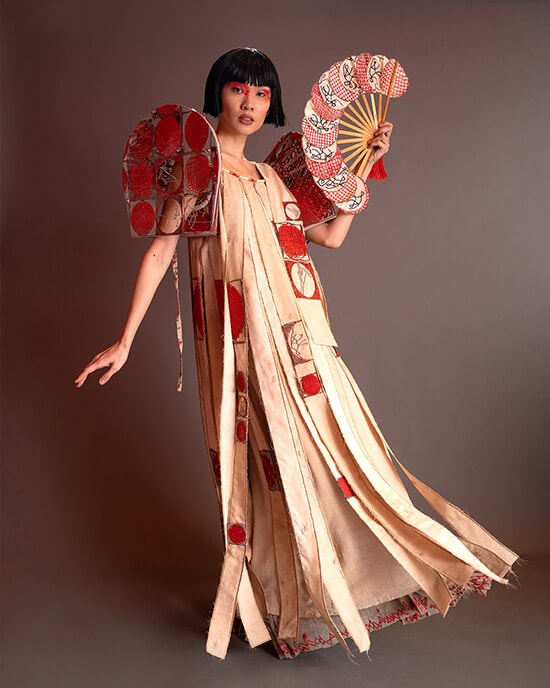
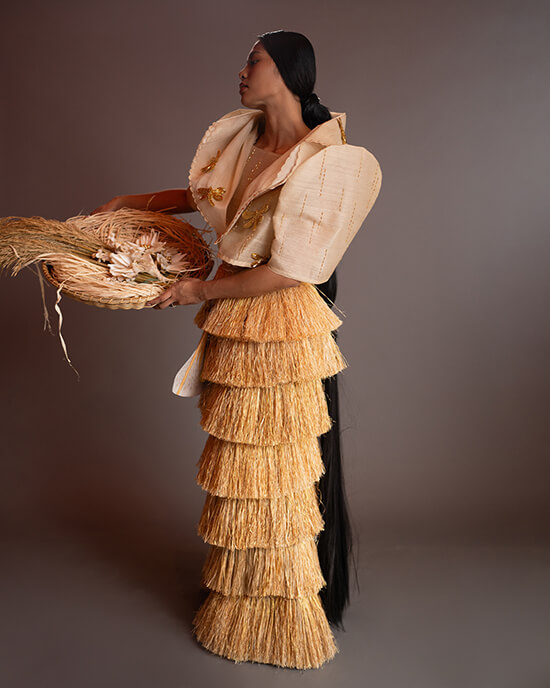
This year pushed the boundaries of creativity even further while preserving heritage by drawing inspiration from 20th century Philippine visual arts, resulting in some of the year’s most memorable designs, from bronze medalist Ram Silva’s pieces with tiered raffia fringes that recalled Fernando Amorsolo’s bucolic paintings and silver medalist Bryan Peralta’s 3-D printed cage sleeves with columns of Jose Joya geometrics to gold winner Peach Garde’s structured pieces devised from Leandro Locsin’s architectural marvels. The added bonus was that all the pieces were later exhibited at the National Museum, the better to peruse the artisanal details.
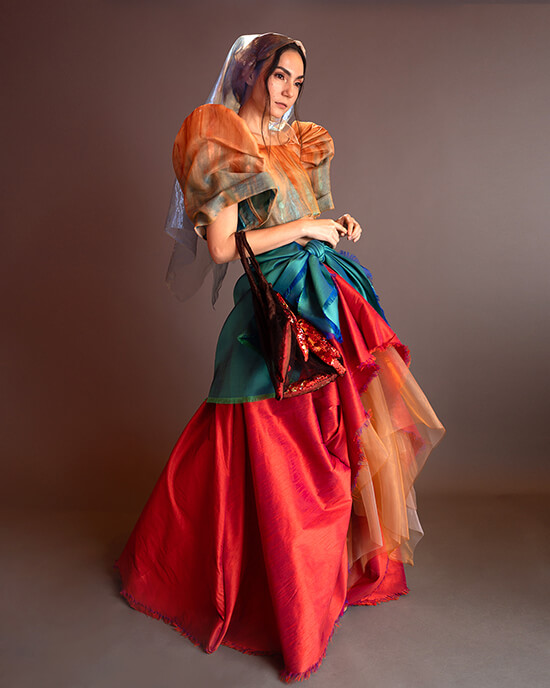
Filipino artisanship proved truly world-class in May when Paul Cabral showed his collection of impeccably crafted pieces using piña and other indigenous materials at the historic Philippine ambassador’s residence in Tokyo.
CONTINUE READING BELOW

Down south, in June, Cebu had its own celebration with the Philippine Terno Gala done in collaboration with CCP, featuring the works of designers led by Cary Santiago who showed exquisite pieces with his signature couture details, while Joey Samson, as always, did wonders with tailoring and layering for some singular takes on the terno and barong.
The same month, Davao would not be left behind as their tradition of Hijos de Davao to celebrate culture and heritage naturally showcased our national dress, with Dawn Zulueta in an immaculately elegant Inno Sotto and Denise Taojo-Kaur in a Dennis Lustico with joyous fringes of chiffon cascading from butterfly sleeves.
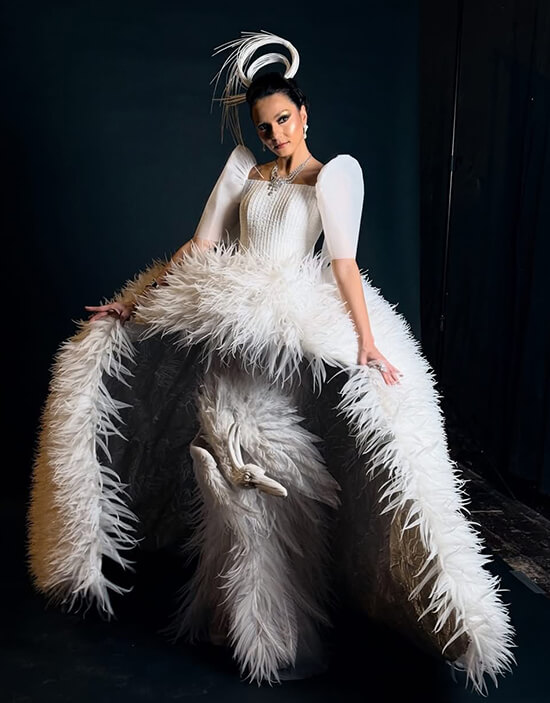
The SONA is always the place to see the latest creations of our designers but this one, held in July, was purposely lowkey so as not to appear tone deaf after all the calamities. What the gowns lacked in flamboyance, however, they made up for with impeccable cuts and draping like DOJ Undersecretary Margarita Gutierrez’s terno by Jay Cerezo.
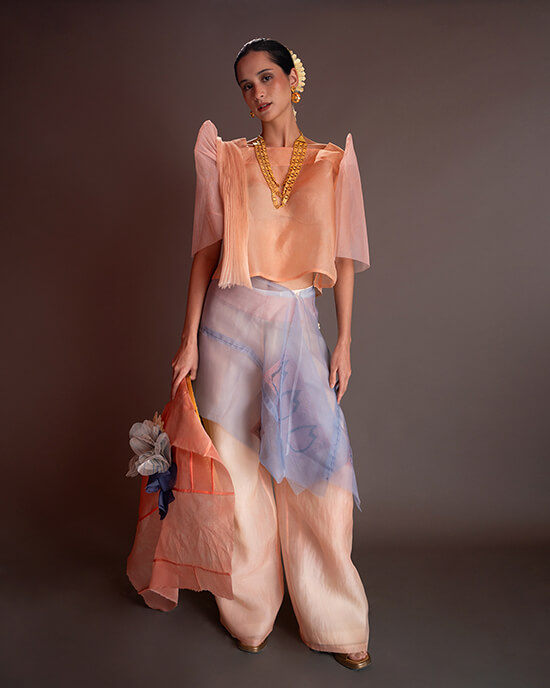
Ternocon made a sharp turn in October with a special edition called Palaro, held outdoors for the first time at the SM Mall of Asia football pitch and with the surprising reimagination of Filipiniana as athleisure, targeting the youth so as to broaden its reach even further. It proved a stroke of genius as never-before-seen iterations emerged, from Carl Jan Cruz’s unexpected juxtapositions like a swimsuit on a terno and sports shirts with the bell sleeves of a baro; to Jo Ann Bitagcol’s terno boleros with tennis shirt-collared camisas and bubble sayas.
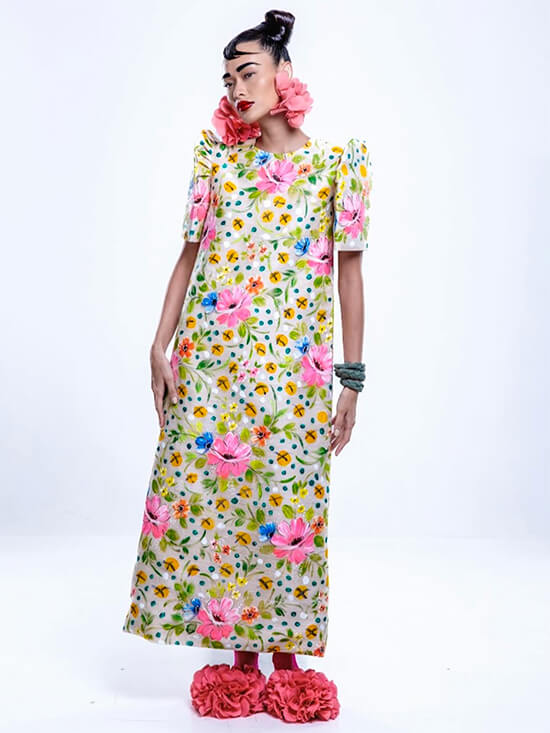
In September, at Bench Fashion Week, Ternocon alumni showed how their alma mater prepared them for the big league as Jaggy Glarino showed a compelling, cutting-edge collection on Filipino identity and his personal journey of survival, grit and transformation while Bree Esplanada’s imagination was full-throttle as he finds beauty in the strange and the bizarre while executing perfectly crafted pieces using fabric printed with his own original illustrations.
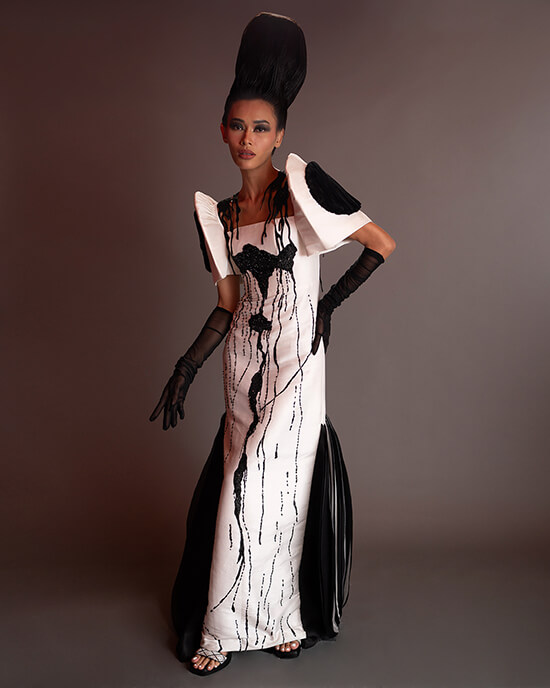
The Red Charity Gala in October, one of the most awaited fashion events of the year, featured Rhett Eala, whose refined aesthetic was manifested in sculptural forms, fluid movement, and handcrafted details like painstakingly assembled fringes, tassels, and floral appliques.
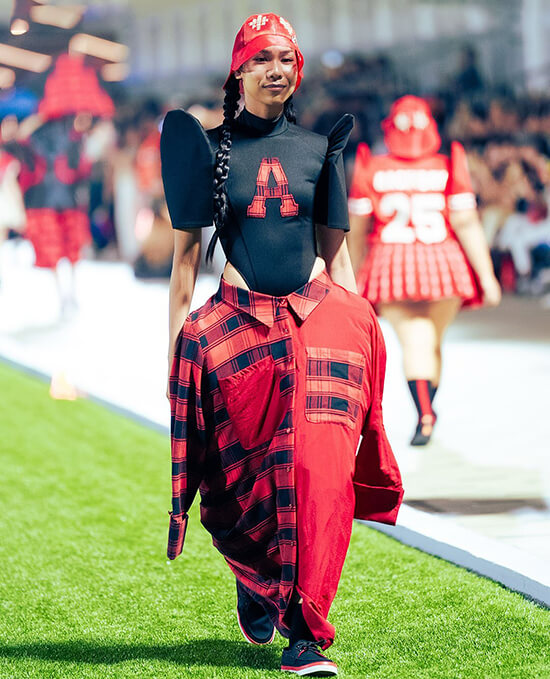
Terno ensemble by Ternocon alumnus Glyn Alley Magtibay at Ternocon Palaro. Photo from @ternocon2025
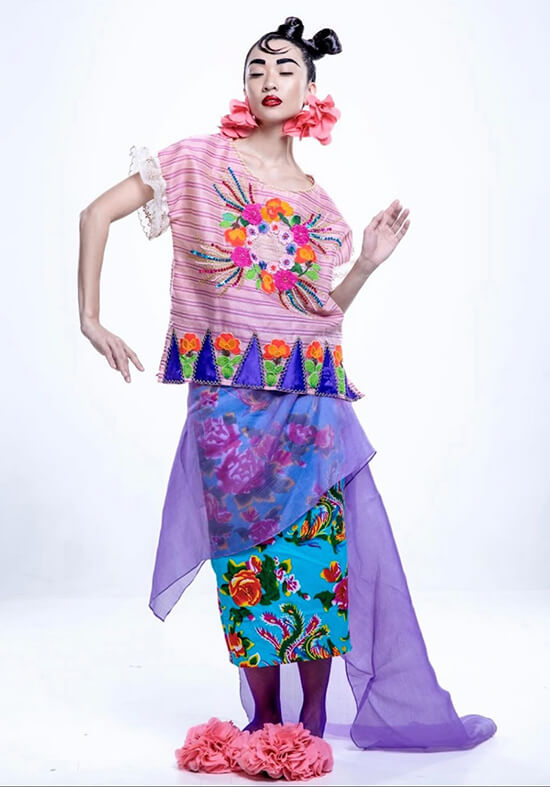
Kimona ensemble by Jor-el Espina. Photo from @jorel_espinaph
Ternoby Rhett Eala. Photo from @ternocon2025
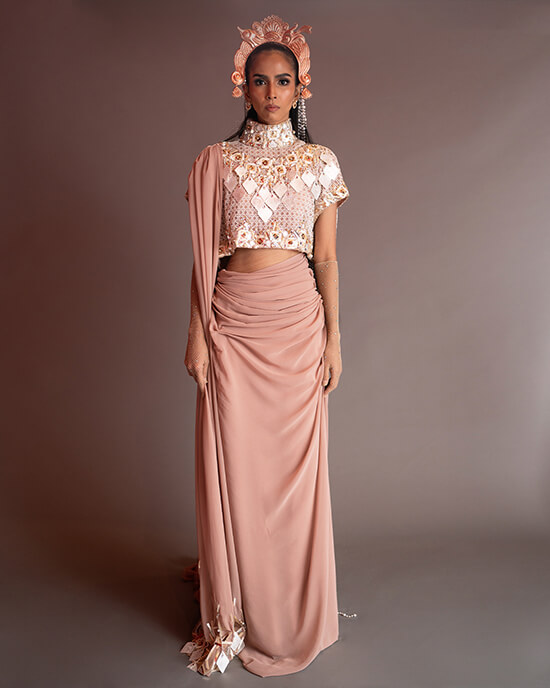
Kimona ensemble by Ezra Santos. Photo from @ternocon2025
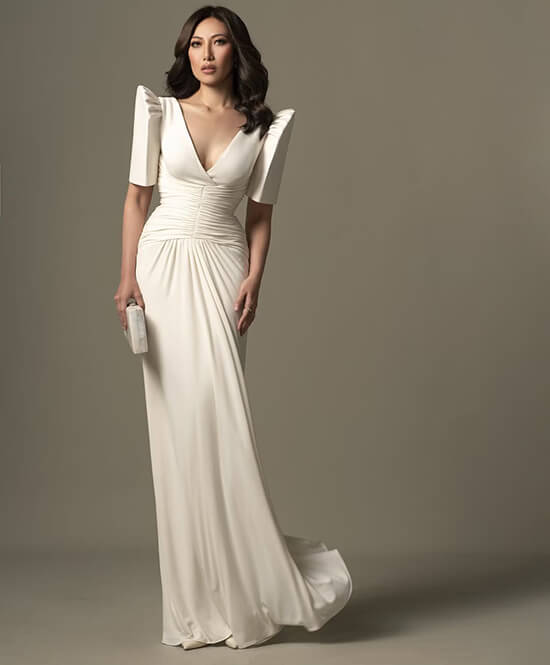
DOJ Undersecretary Margarita Gutierrez in Jay Cerezo at SONA. Photo from @marguti713
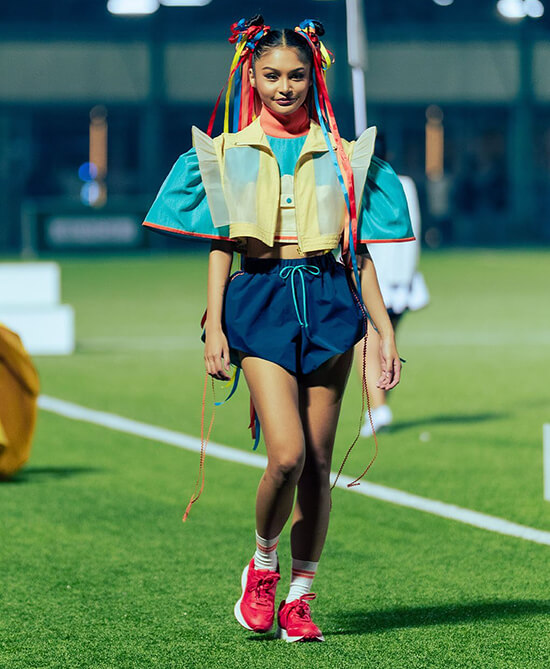
Terno bolero over baro with shorts by Ternocon 2020 winner Hannah Adrias at Ternocon Palaro. Photo from @ternocon2025
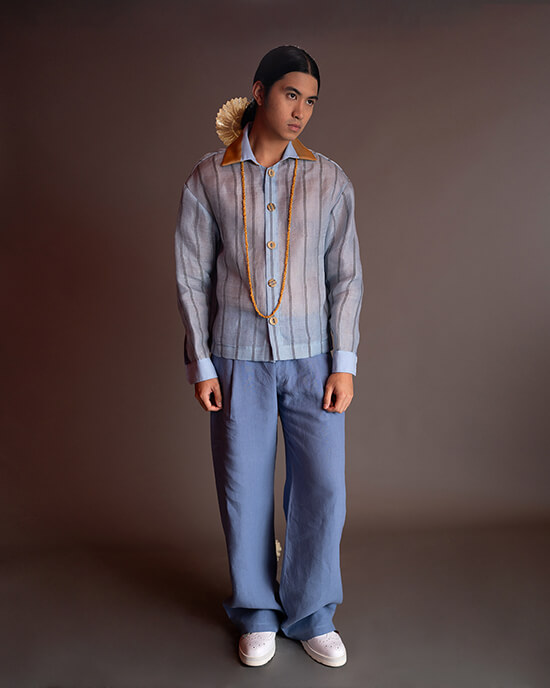
Barong ensemble by Lulu Tan Gan. Photo from @ternocon2025
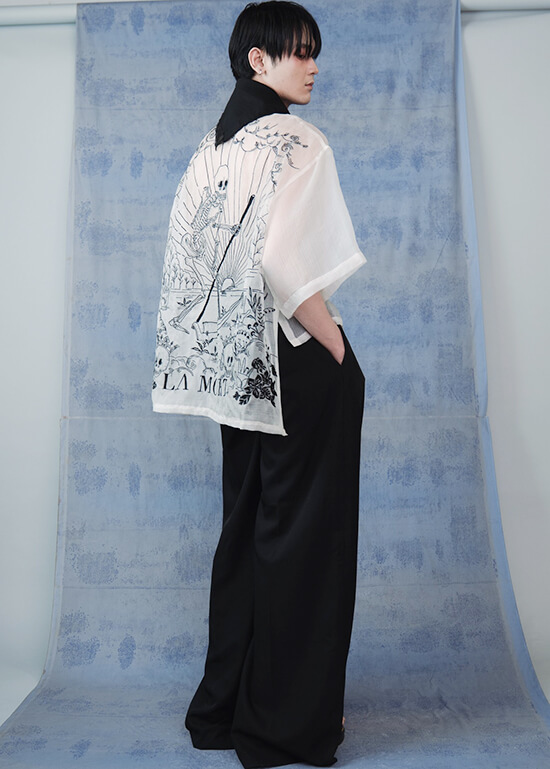
Barong ensemble by Ternocon alumnus Bree Esplanada. Photo from @benchtm
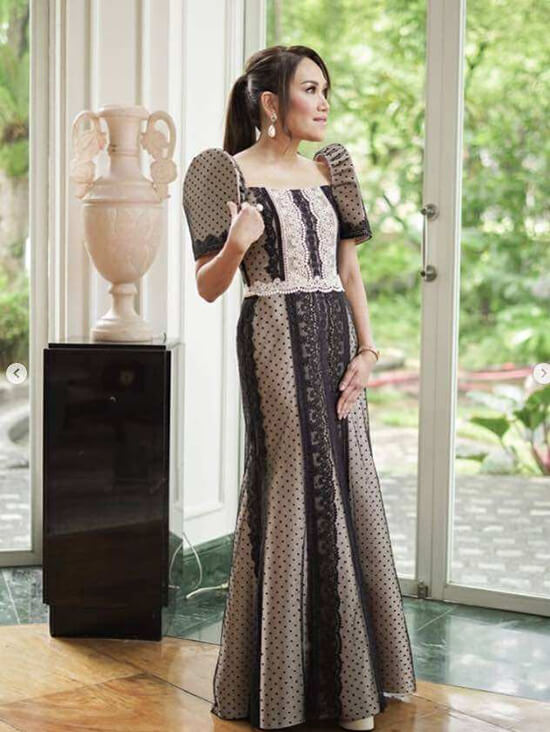
Aivee Teo in Paul Cabral at SONA. Photo from @peopleasia
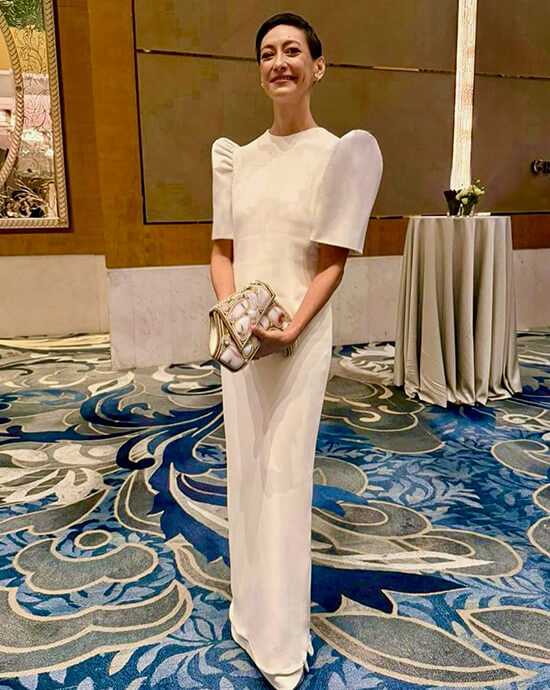
Vogue Philippines editor-in-chief Bea Valdes in Dennis Lustico. Photo from @dennis_lustico
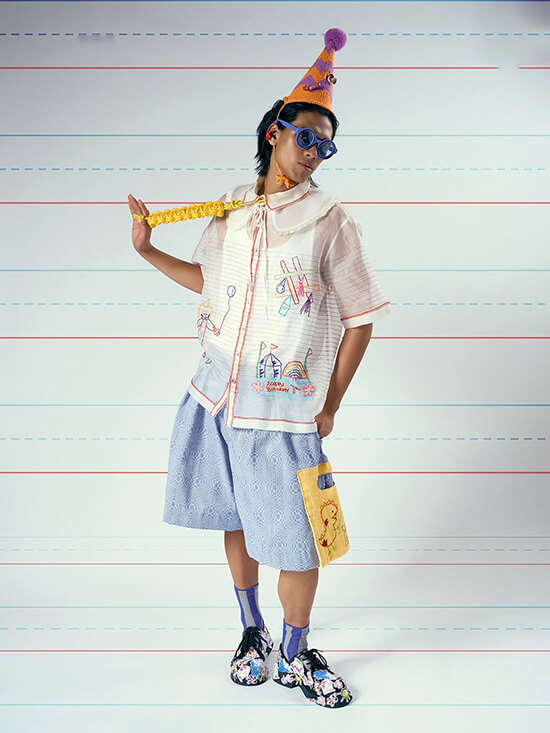
Polo barong by Daryl Maat. Photo from @benchtm
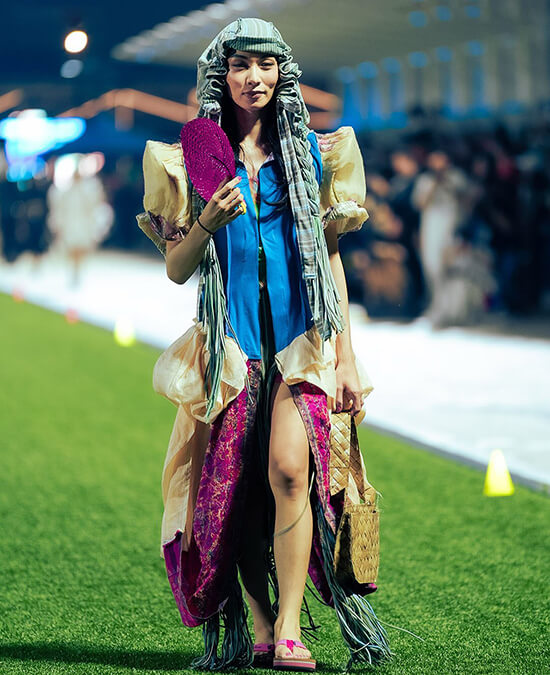
Balintawak by Carl Jan Cruz at Ternocon Palaro. Photo from @ternocon2025
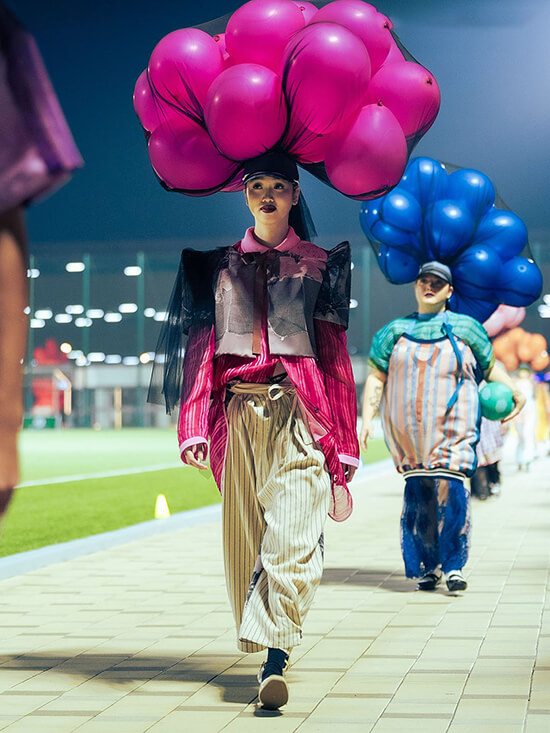
Terno bolero over camisa by Jo Ann Bitagcol at Ternocon Palaro. Photo from @ternocon2025
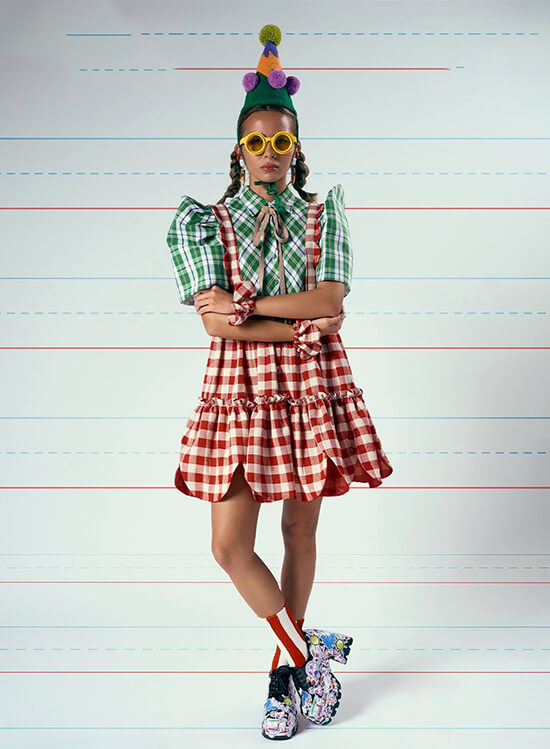
Terno top with pinafore by Daryl Maat. Photo from @benchtm
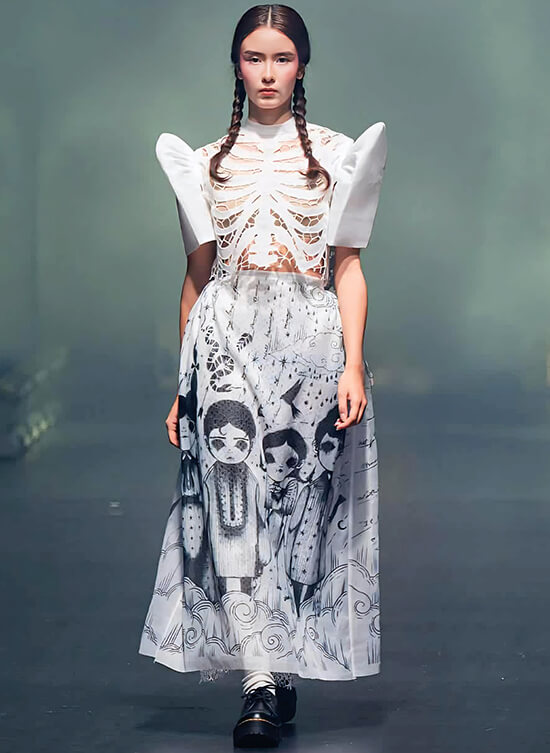
Ternoby Ternocon alumnus Bree Esplanada. Photo from @benchtm
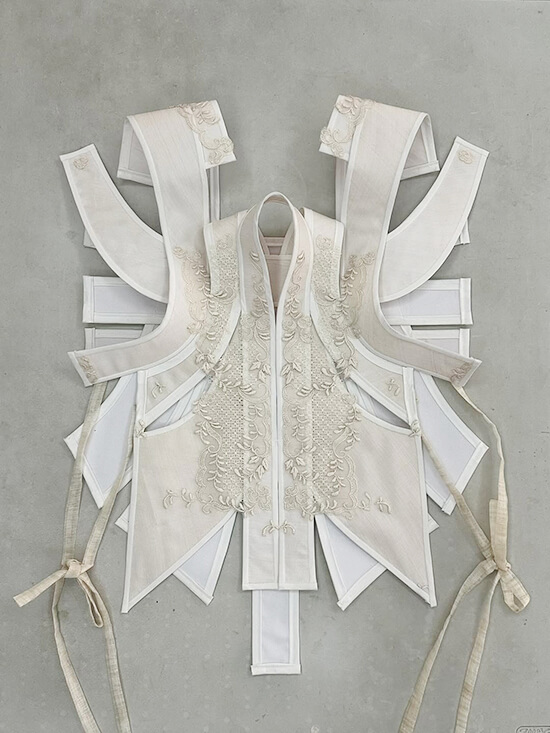
Barong bib by Ternocon alumnus Bon Hansen. Photo from @bonhansenreyes
Terno ensemble by Ternocon alumnus Glyn Alley Magtibay at Ternocon Palaro. Photo from @ternocon2025
Kimona ensemble by Jor-el Espina. Photo from @jorel_espinaph
Ternoby Rhett Eala. Photo from @ternocon2025
Kimona ensemble by Ezra Santos. Photo from @ternocon2025
DOJ Undersecretary Margarita Gutierrez in Jay Cerezo at SONA. Photo from @marguti713
Terno bolero over baro with shorts by Ternocon 2020 winner Hannah Adrias at Ternocon Palaro. Photo from @ternocon2025
Barong ensemble by Lulu Tan Gan. Photo from @ternocon2025
Barong ensemble by Ternocon alumnus Bree Esplanada. Photo from @benchtm
Aivee Teo in Paul Cabral at SONA. Photo from @peopleasia
Vogue Philippines editor-in-chief Bea Valdes in Dennis Lustico. Photo from @dennis_lustico
Polo barong by Daryl Maat. Photo from @benchtm
Balintawak by Carl Jan Cruz at Ternocon Palaro. Photo from @ternocon2025
Terno bolero over camisa by Jo Ann Bitagcol at Ternocon Palaro. Photo from @ternocon2025
Terno top with pinafore by Daryl Maat. Photo from @benchtm
Ternoby Ternocon alumnus Bree Esplanada. Photo from @benchtm
Barong bib by Ternocon alumnus Bon Hansen. Photo from @bonhansenreyes
CLOSE
Come yearend, the pop-ups Bench x Katutubo at Bench Tower and the ArteFino fair at Rockwell were the places to shop for all the new takes on Filipiniana. At the former, Bench Fashion Week designers were represented, like Daryl Maat with his controversial Pad Paper embroidered barongs and Jo Ann Bitagcol’s easy pieces incorporating her heritage photographs. At the latter, Jor-El Espina, in collaboration with Patis Tesoro, brings her artisanship to the present generation with novel cuts and silhouettes.

WATCH: Save for retirement or enjoy life now? (Generations Ep. 21)
September 16, 2026
WATCH: Is Philippine cinema still thriving? (Generations Ep. 19)
September 2, 2026