

Making the Manila Gentleman, again
The evening called for black tie.
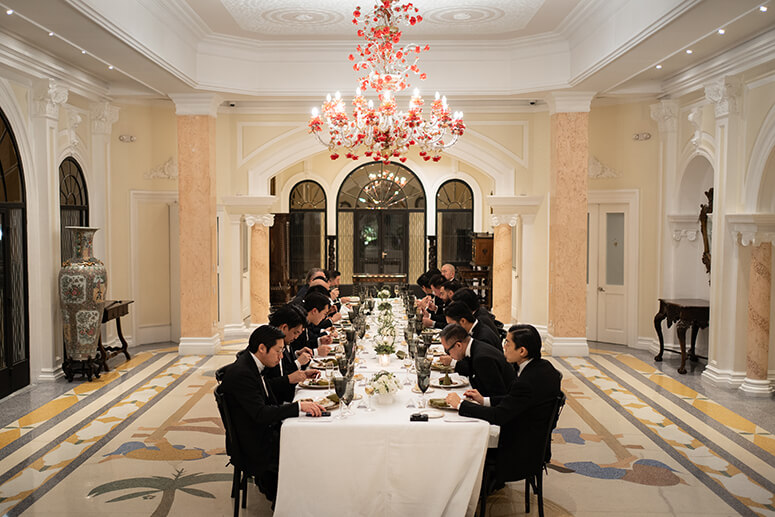
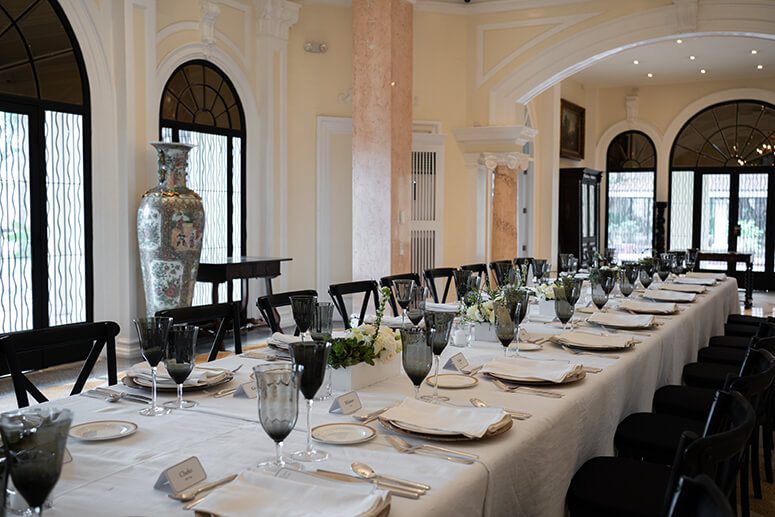
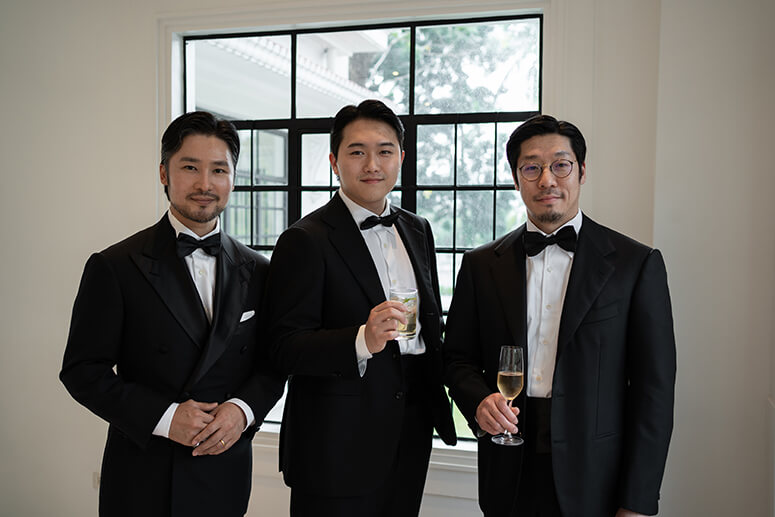
We were at Palacio de Memoria on Roxas Boulevard, in the main hall beneath a Baccarat chandelier, a 1930s home that was once just a few steps from Manila Bay. Twenty gentlemen gathered for dinner—measured, unhurried, properly prepared. Bowties were set.
The room settled into itself.
There was no spectacle, and none was needed.
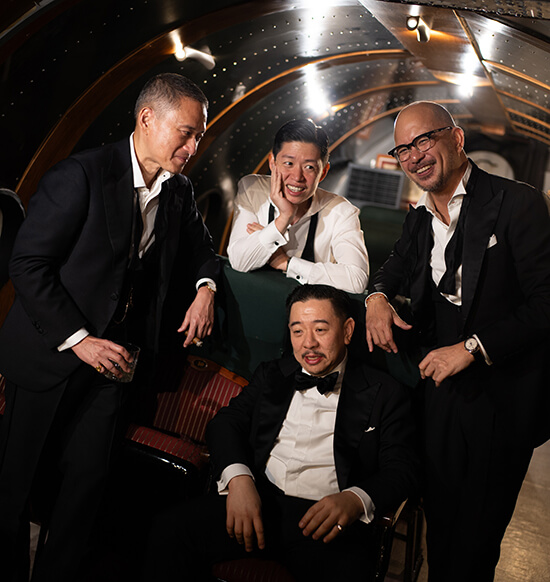
Black tie, when done properly, has a calming effect. It slows movement. It softens conversation. Men stand a little straighter, not from effort, but from habit. The clothes resolve things before anyone speaks.
I noticed how at ease everyone seemed. Nothing was being proved. Proportions were right. Trousers broke where they should. Jackets closed cleanly. The details were quiet, but they held.
CONTINUE READING BELOW

It struck me then that this ease—this confidence without display—had become more common in Manila. And that it hadn’t arrived by accident.
Ten years is not a milestone you announce lightly.
In menswear, time is the only honest judge. Shops open with confidence, promise much, and disappear just as quickly when attention moves on. When a local store reaches a decade with its bearings intact—and with its clients still returning—it has earned the right to be taken seriously.
This is where The Signet Store now stands.
Founded by Kelly See, Tom Sing, Jason Qua, and Edie Lim, Signet was never meant to chase fashion cycles. From the beginning, it carried a steadier ambition: to restore a sense of order to how Filipino men dressed—how they chose, how they wore, how they carried themselves.
Not as display.
Not as performance.
But as habit.
Knowing where you are
Margie and I didn’t walk into Signet years ago looking to be impressed. We walked in and immediately knew where we were. At Rockwell, it is a mecca for the cognoscenti. At Mitsukoshi, the sartorial experience flows through daily pieces, and at Opus, with a café soon to open, it announces a lifestyle-changing experience.
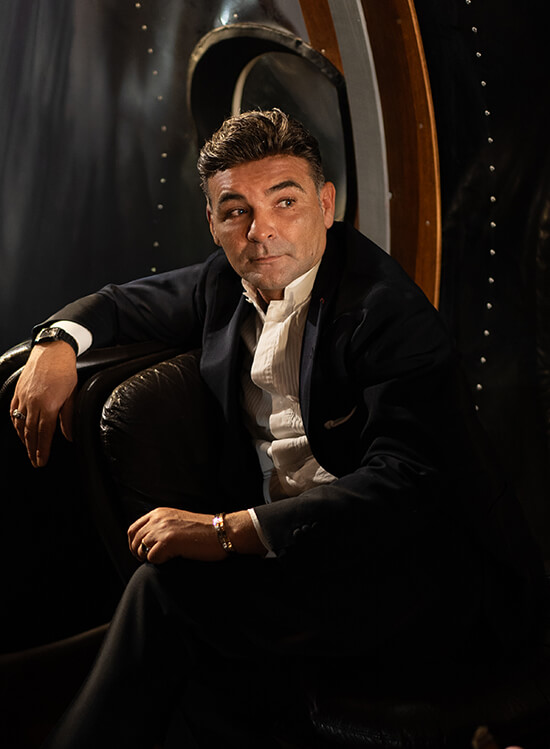
There were brands whose names carried real memory—clothes we had worn decades earlier, long before provenance became fashionable. Saint James, Vilebrequin, Barbour, Orcival—pieces chosen for ease, durability and usefulness. They traveled well. They aged honestly. They never asked to be noticed.
These were clothes we already trusted.
Signet didn’t treat them as relics. It placed them squarely in the present, as working parts of a modern wardrobe.

Then there was the second layer: names that hadn’t circulated widely in Manila before—Alden, Drake’s, Baudoin & Lange, The Real McCoy’s. These weren’t there to impress anyone. They were there because they made sense.
This wasn’t big-box luxury. It was dressing grounded in memory and use.
A decade on, Signet’s real legacy is not what it sold, but how Filipino men learned to dress again.
Fewer things, better reasons
Signet’s influence never came from abundance.
Its shelves worked because they were restrained. You sensed that time had been spent with the clothes, not just around them. Jackets were chosen for how they settled. Shoes for how they wore in. The message was clear without being stated: familiarity, when earned, is a form of confidence.
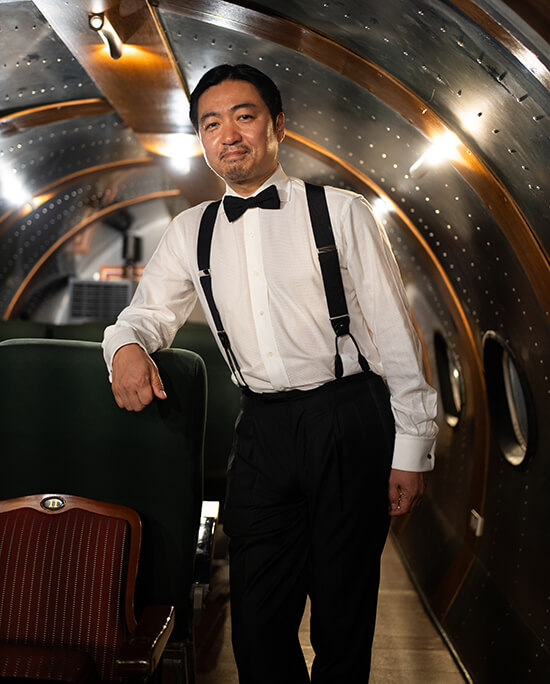
Over time, that consistency has built trust. And trust, quietly accumulated, becomes authority.
When the makers came to Manila
What truly set Signet apart was its understanding that clothing cannot be explained by racks alone.
Through trunk shows, it brought bespoke culture into the room. Houses such as Sartoria Dalcuore and Orazio Luciano introduced Filipino men to the rhythm of Neapolitan tailoring—measured fittings, incremental adjustments, cloth discussed slowly. Shoemakers like Koji Suzuki arrived not with inventory, but with notebooks. Kenji Kaga of Tie Your Tie brought the tie and ascot to a new level, made just for you. How cool is that?
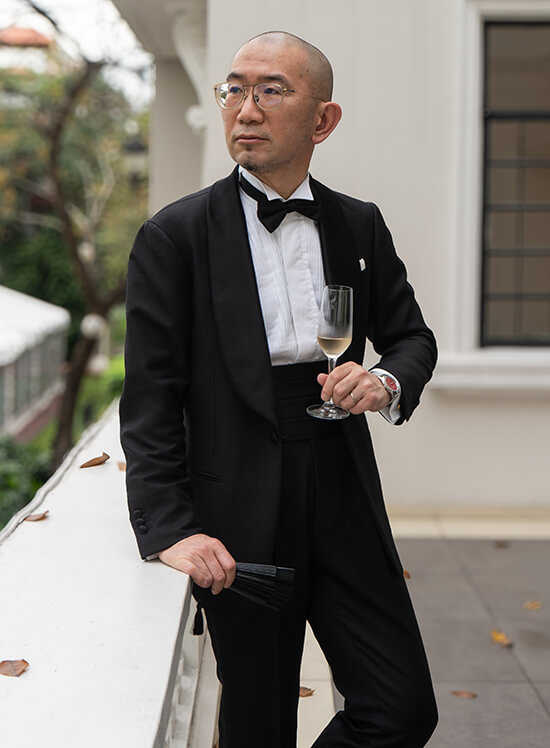
Dalcuore and Orazio Luciano for jackets, Ambrosi Napoli for trousers, and Koji Suzuki for shoes—suddenly, Manila didn’t feel far from anywhere.
You didn’t just leave with an order placed. You left understanding why good clothes take time.
Denim, leather, and use
Signet’s reach extended beyond tailoring and formal wear.
It also gave shape to a community that understood clothing through use. Denim was treated seriously—fabric, fade, repair. This sensibility aligned naturally with Manila’s big-bike culture, where function mattered more than theater.
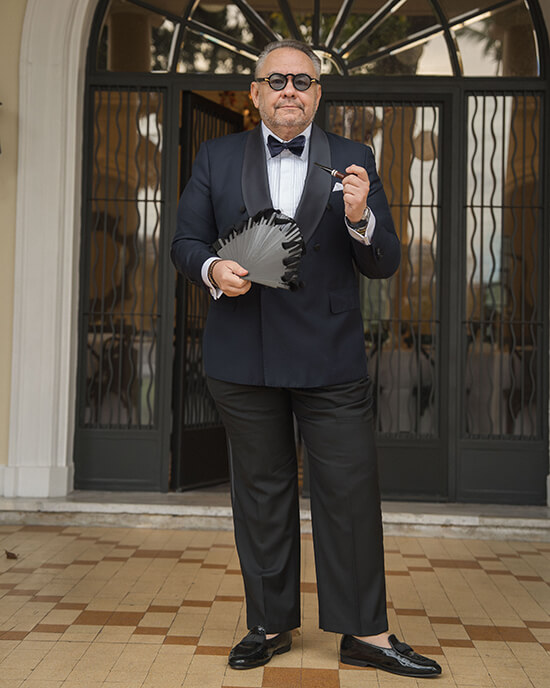
Langlitz Leathers and Chapal fit easily into this world. It was never about looking the part. It was about wearing things that could keep up.
A city with memory
Manila was never starting from nothing.
The Western suit arrived during the American period as part of everyday civic life. Lawyers, educators, and civil servants wore it daily. Local tailors adapted it intelligently—lighter fabrics, softer construction, proportions suited to heat.
As ready-to-wear replaced workshop craft, much of that knowledge faded. The instinct remained, but the language slipped.
Signet didn’t import a foreign sensibility. It gave form to one Manila already possessed.
Formal wear, properly understood
If every day dress reflects habit, formal wear reveals understanding.
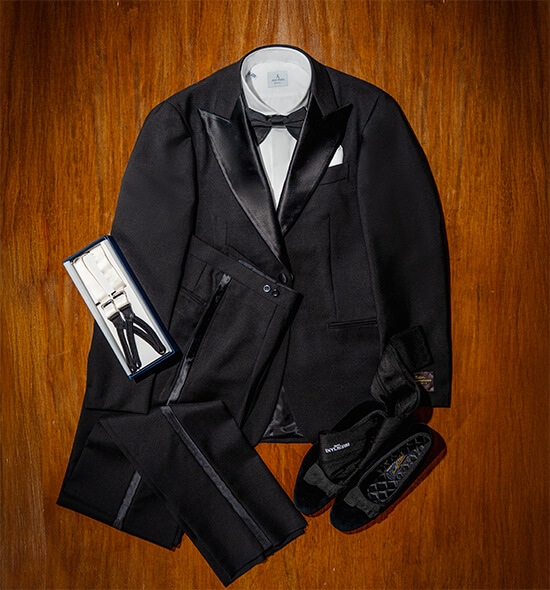
The tuxedo had drifted into approximation. Signet refused that. It treated black tie as structure: correct proportions, resolved waist, nothing improvised.
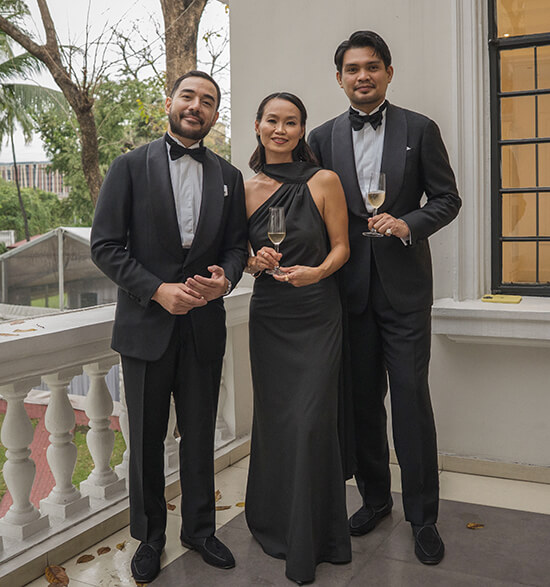
A tuxedo or a barong may differ in origin, but both demand the same thing—correctness, restraint, and an understanding of when formality matters.
Once understood, formality stops feeling intimidating. It becomes calming.
There is, of course, one sanctioned variation: the cream dinner jacket. Properly worn, it works because everything else is resolved. This is why James Bond can wear one.
The Signet effect
In the end, the Signet effect has been less about what appeared on the racks and more about what changed around them—and much of that can be traced back to the steady hand of Kelly, Tom, Jason, and Edie.
Their insistence on standards—on fit, finish, patience, and correctness—quietly reshaped expectations. Men became more discerning. They paused before buying. They asked better questions. Wardrobes grew slower, but stronger.
Local Filipino tailors and shoemakers raised their bespoke game.
Seeing world-class work up close resets expectations and standards followed.
The shift carried outward. Denim was worn in. Jackets were repaired. Formalwear was treated with respect again.
Ten years on, Signet no longer feels like a discovery. It feels like a calibration—helping Manila dress with a steadier hand, a clearer eye, and a longer view.
That is the Signet effect.

WATCH: Save for retirement or enjoy life now? (Generations Ep. 21)
September 16, 2026