

Sneaks redefine luxury
Growing up, sneakers were used only for sports and had nothing to do with luxury. Wearing a pair to a fine-dining restaurant would surely get you turned away at the door. Who would have thought that you can now wear them anywhere, with anything, and that designer sneakers from fashion houses can cost as much as fine jewelry? Or that basketball player Michael Jordan's set of six Air Jordan sneakers would sell for $8 million at an auction at Sotheby's?
The shift actually began in 1984 when Nike signed Jordan to wear the legendary shoes, which were banned by the NBA for violating uniform regulations. Nike nevertheless paid the $5,000 fine every time Jordan wore them—a stroke of marketing genius that made the pair irresistible and gave athletic footwear the cultural weight it had never enjoyed before.
Sneakers had their beginnings in the 1830s when Liverpool Rubber in Britain created canvas uppers with vulcanized rubber soles, called sand shoes, worn by the Victorian middle class for trips to the beach. They were a revolutionary invention that replaced heavier and more expensive leather boots. A sturdier version called the plimsoll was introduced in 1870, named after Samuel Plimsoll, the shipping reformer behind the Plimsoll Mark, which indicated the safe loading level on the hull of cargo ships. The mark resembled the point where the canvas upper met the rubber sole of the shoe.
Around this time, the term “sneaker” was coined in the United States because the quiet rubber soles allowed wearers to "sneak up" on others. New Balance opened in 1906 and Converse in 1908. In 1916, the US Rubber Company introduced Keds, which became especially popular with women. In Germany, brothers Adolf and Rudolf Dassler began making sports shoes in 1924 but split in 1948, with Adolf founding Adidas and Rudolf establishing Ruda, which was later renamed Puma.
In 1949, Onitsuka Tiger—later merged with two other companies in 1977 to form ASICS, an acronym for the Latin phrase Anima Sana In Corpore Sano (“A Sound Mind in a Sound Body”)—opened in Japan, becoming the first Asian brand to make a significant mark in the sneaker market. Back in England, Reebok, named after the swift African antelope, entered the scene in 1958. Nike founders Phil Knight and his former University of Oregon coach, Bill Bowerman, began their business by distributing Onitsuka Tiger shoes before establishing Blue Ribbon Sports in 1964, which was renamed Nike in 1971 and adopted the now-iconic Swoosh logo.
After Nike's groundbreaking Air Jordan made sneakers desirable and collectible, luxury houses joined the game. Gucci led the way in the mid-1980s with its signature green-and-red-striped sneakers, followed by Prada, Hermès, Lanvin and Louis Vuitton in the 1990s and 2000s, putting sneakers firmly on the high-fashion runway. Collaborations with designers and celebrities also raised the stakes: Jay-Z with Reebok in 2002, Rihanna with Puma in 2014, and Virgil Abloh with Nike in 2017.
CONTINUE READING BELOW

Today, luxury sneakers serve as an accessible entry point to high fashion. While a $7,000 designer handbag may be out of reach for many, a $250-to-$1,000 pair of sneakers represents attainable luxury for Gen Z and millennial buyers. Brands now design not just for the street but also for minimalist, everyday wear suited to high-end wardrobes.
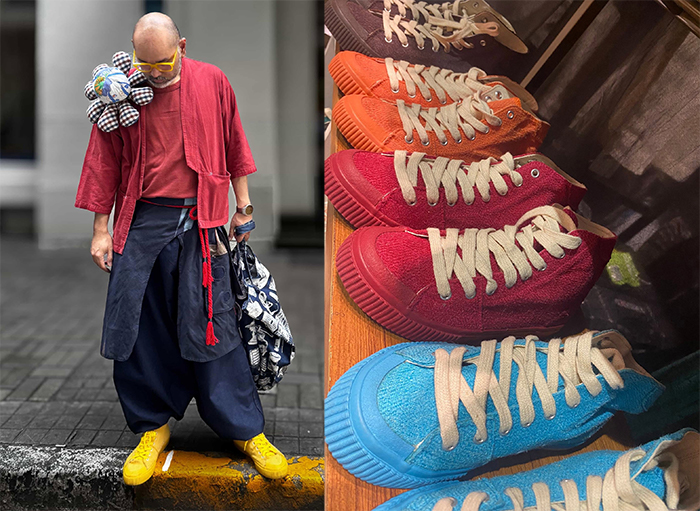
The pandemic also cemented sneakers as the footwear of choice for comfort. Lakat, a local brand that uses uppers made from discarded pineapple leaves and soles crafted from natural rubber sourced in Mindanao, emerged during the pandemic with fashionable designs and vibrant colors. They quickly became our favorites and earned a permanent place in our collection of sneakers, which pair effortlessly with most of our outfits.
This season, sneakers have evolved into flatter, slimmer silhouettes, while hybrids such as Mary Jane sneakers and sneakerinas—a fusion of sneakers and ballerina flats—are all the rage, along with satin versions and embellished iterations.
Extra-Slim
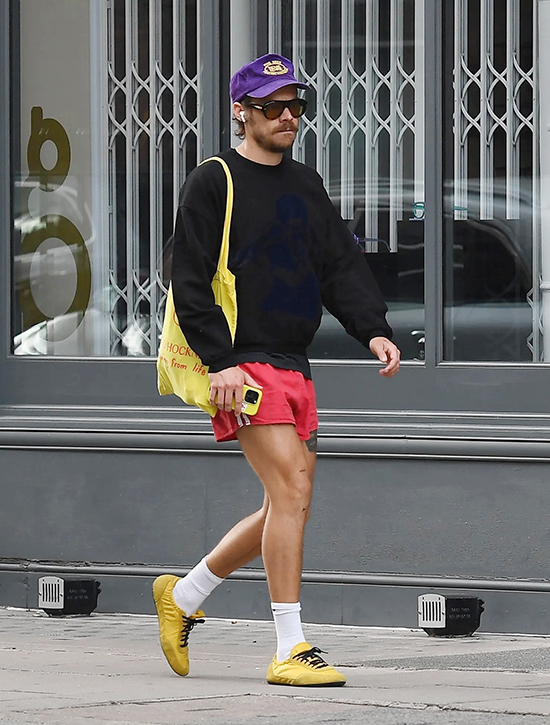
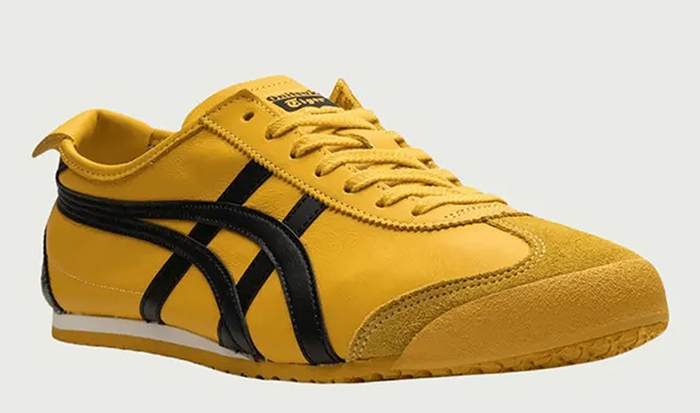
Onitsuka Tiger Mexico66. Photo from @onitsukatigerph
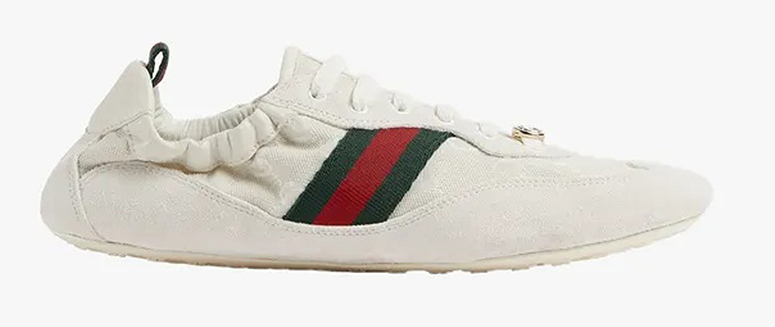
Gucci Shift. Photo from@gucci
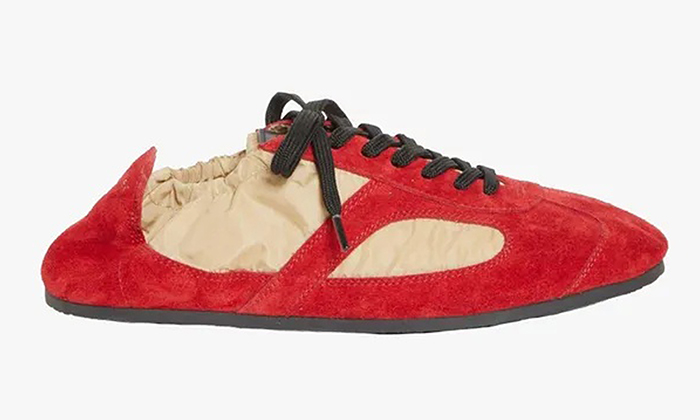
Proenza Schouler Soft Track. Photo from @proenzaschouler
Onitsuka Tiger Mexico66. Photo from @onitsukatigerph
Gucci Shift. Photo from@gucci
Proenza Schouler Soft Track. Photo from @proenzaschouler
CLOSE
Moving away from the chunky monsters of yore, the silhouette now is slimmer and flatter, with retro runners reissued in more streamlined shapes that go with everything from blazers and work pants for the office to dresses for dinner dates.
Plimsoles
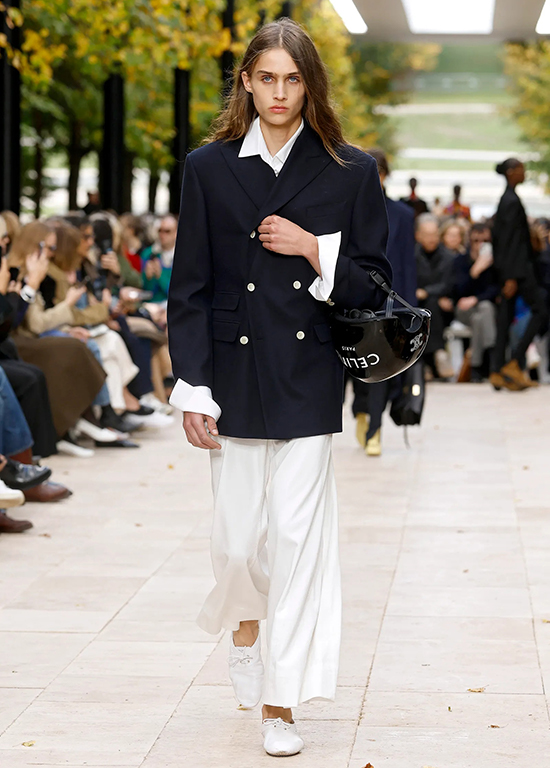
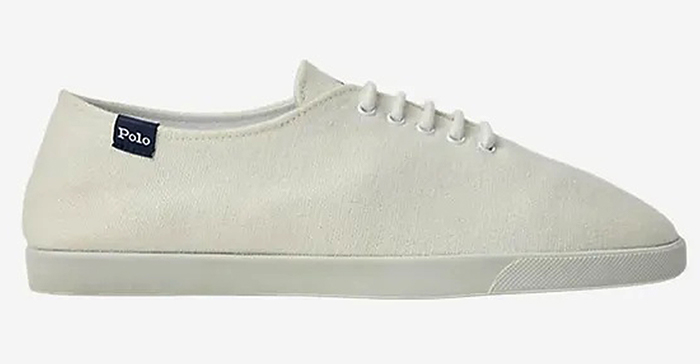
Polo Ralph Lauren. Photo from @poloralphlauren
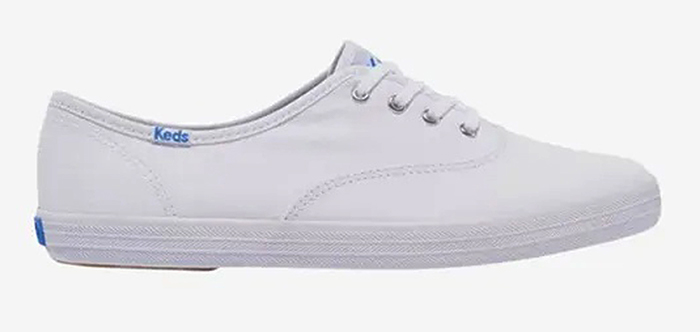
Keds Champion. Photo from @keds
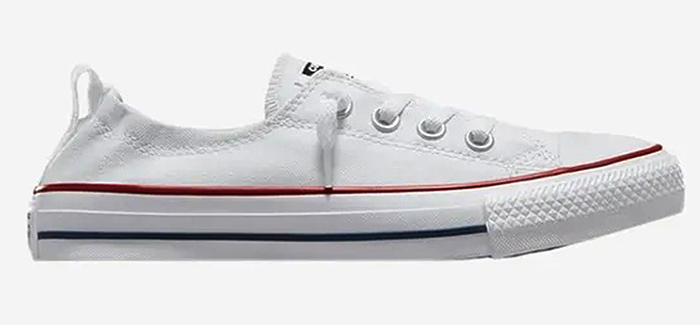
Converse Chuck Taylor All Star Shoreline. Photo from @converse
Polo Ralph Lauren. Photo from @poloralphlauren
Keds Champion. Photo from @keds
Converse Chuck Taylor All Star Shoreline. Photo from @converse
CLOSE
The French-girl kicks of choice are seeing a revival, worn with billowy trouser pants, trench coats or embroidered mini skirts.
Satin & Shine
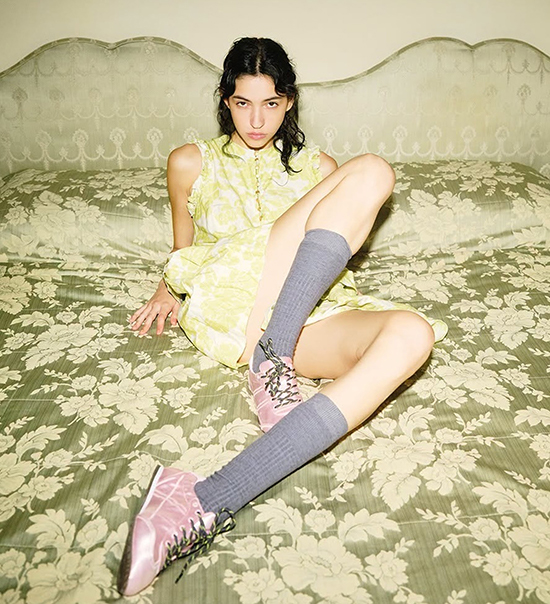
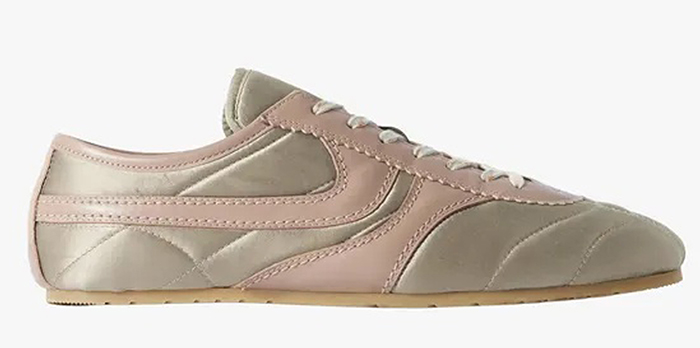
Dries Van Noten. Photo from @driesvannoten
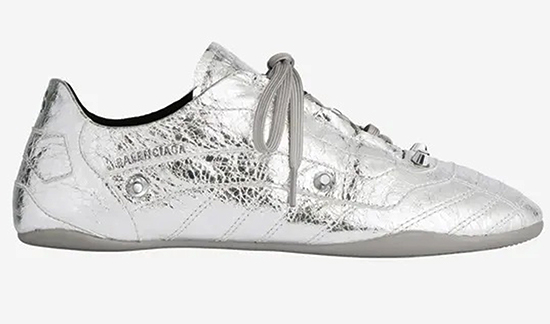
Balenciaga. Photo from @balenciaga
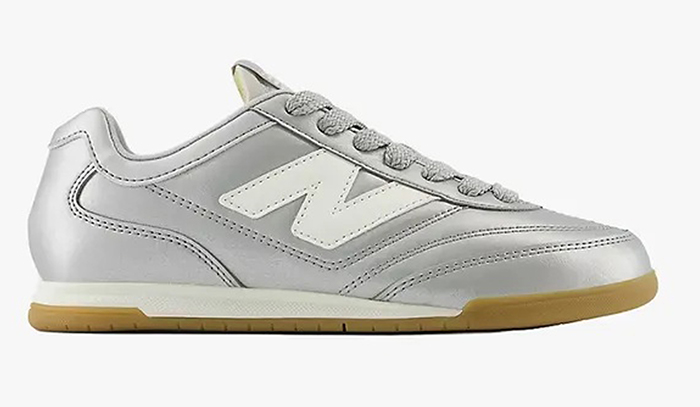
New Balance RC42. Photo from @newbalance
Dries Van Noten. Photo from @driesvannoten
Balenciaga. Photo from @balenciaga
New Balance RC42. Photo from @newbalance
CLOSE
Satin and metallics elevate the sporty, dressing up outfits that are otherwise casual and provide contrast to denim, cotton and leather.
Brights
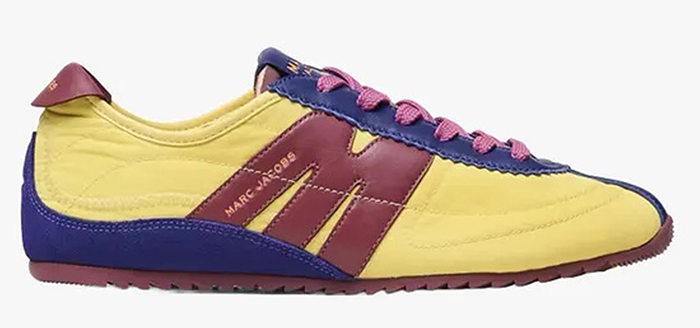
Marc Jacobs 400 Bleecker Photo from @marcjacobs
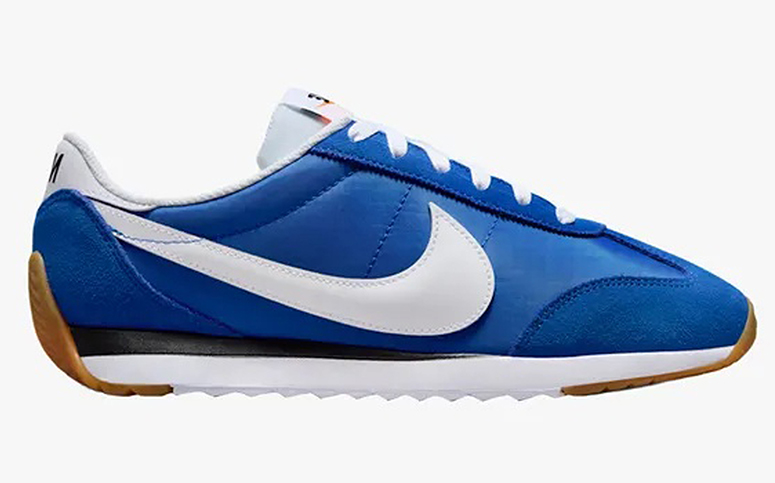
Nike Pacific. Photo from @nike
Marc Jacobs 400 Bleecker Photo from @marcjacobs
Nike Pacific. Photo from @nike
CLOSE
With minimalist silhouettes, sneakers can go wild with the colors of the rainbow, adding a touch of boldness to a wardrobe of neutrals and basics.
Hybrid
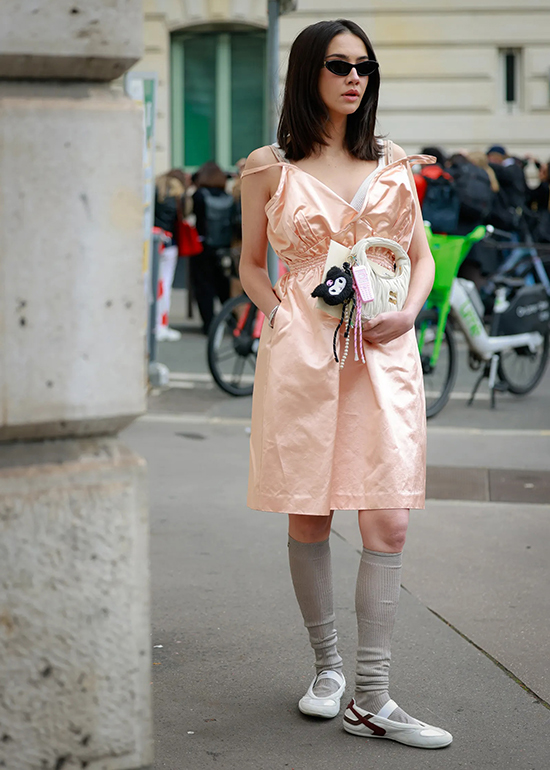
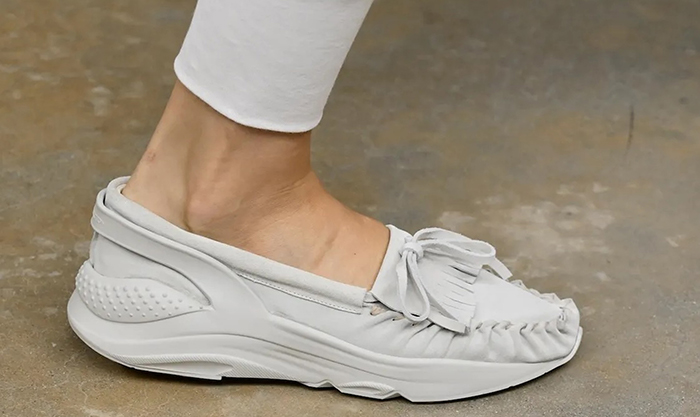
Calvin Klein SS2026 Photo from @calvinklein
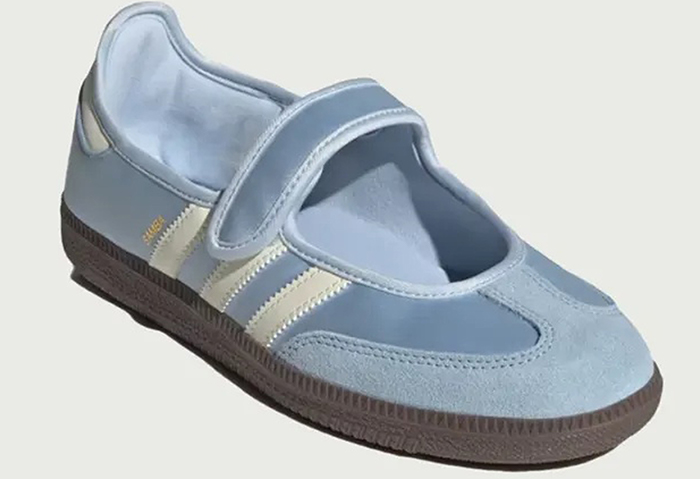
Adidas Samba. Photo from @adidas
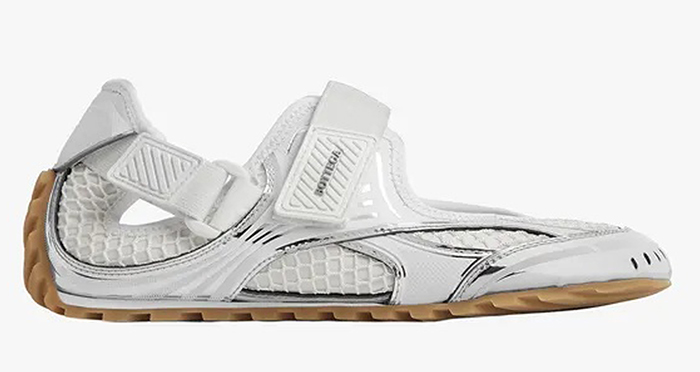
Bottega Veneta. Photo from @bottegaveneta
Calvin Klein SS2026 Photo from @calvinklein
Adidas Samba. Photo from @adidas
Bottega Veneta. Photo from @bottegaveneta
CLOSE
Just like the sneakerina, hybrids have widened the sneaks vocabulary with Mary Janes, loafer and sandal-inspired iterations providing more options for mixing and matching.
Gorpcore
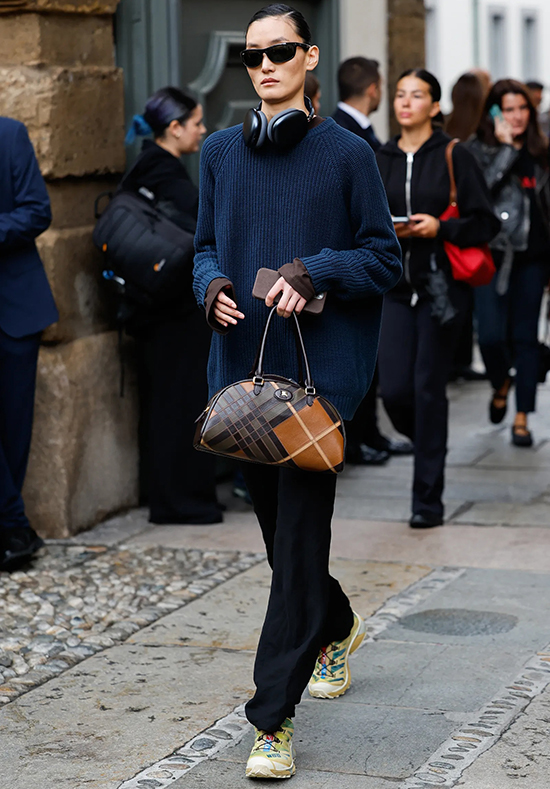
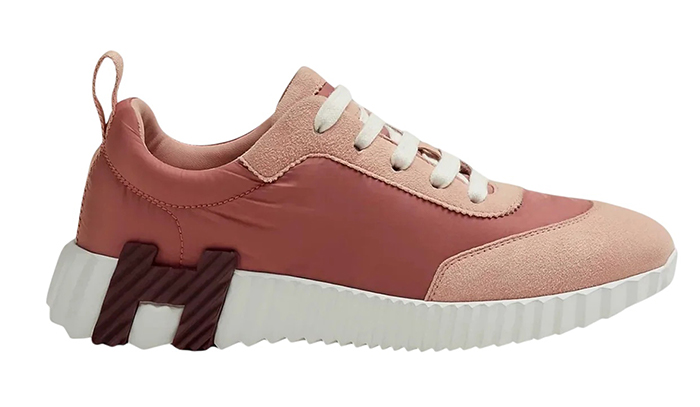
Hermès Bouncing Sneaker Photo from @hermes
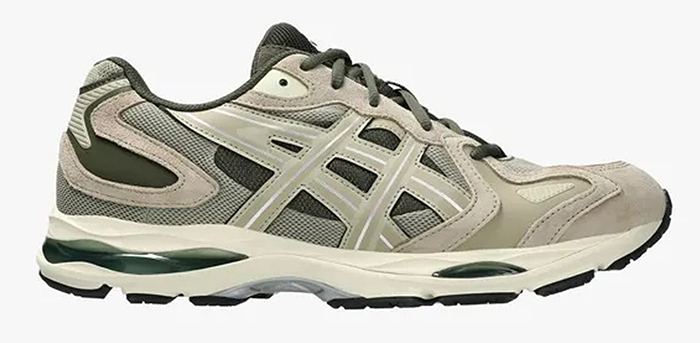
ASICS. Photo from @asics
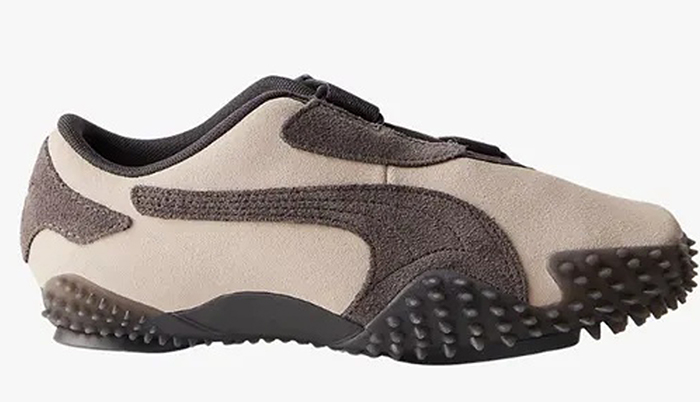
Puma Mostro. Photo from @puma
Hermès Bouncing Sneaker Photo from @hermes
ASICS. Photo from @asics
Puma Mostro. Photo from @puma
CLOSE
A carryover from the favorite pandemic activity of hiking, gorpcore (good ol’ raisins and peanuts or trail mix, hikers’ snack of choice) sneakers are sturdy options for the busy urbanite and outdoorsy types.
Fancy
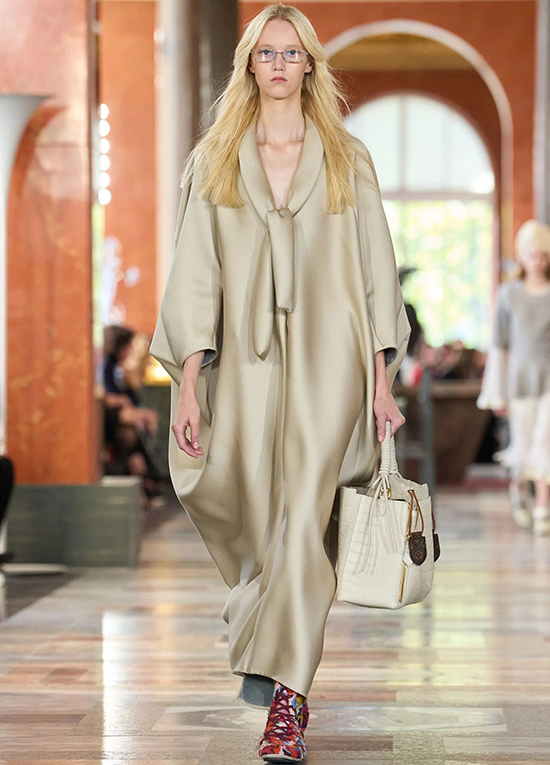
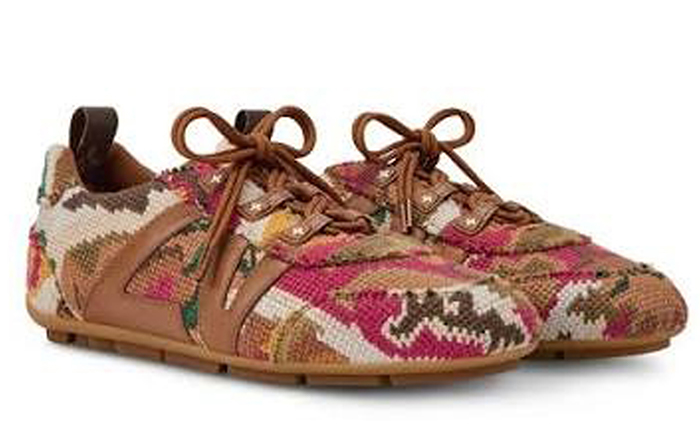
Louis Vuitton SS 2026 Photo from @louisvuitton
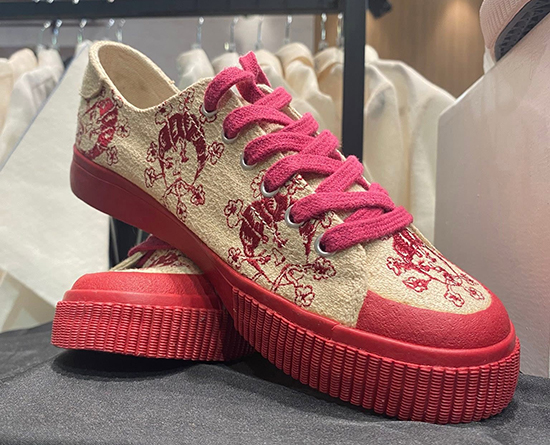
LAKAT Photo from @lakatsustainables
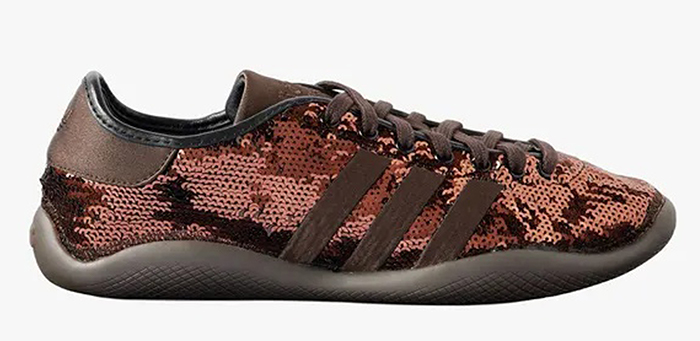
Adidas Photo from @adidas
Louis Vuitton SS 2026 Photo from @louisvuitton
LAKAT Photo from @lakatsustainables
Adidas Photo from @adidas
CLOSE
As an antidote to algorithmic dressing, the fanciest sneaks with intricate detailing from embroideries to beading can add that punch to any look.

WATCH: Is Gen Z too soft? (Generations Ep. 23)
September 30, 2026
WATCH: Discovering Vietnam in three days
June 9, 2026