

What can a handful of clay teach women about self-care?
What can a handful of clay reveal? Quite a lot, it turns out. At a recent hand-molding workshop titled “Because She Can” hosted by MSD in the Philippines, participants shaped mugs from scratch—no pottery wheels required—as part of the company’s Guard Against HPV campaign. Equal parts calming and creative, the session turned a simple afternoon activity into a conversation on health awareness, prevention, and the value of making time for oneself.
That same spirit carried through the room, where women from different walks of life came together—young professionals, mothers, advocates, and individuals navigating personal milestones. Though their stories differed, they shared a familiar truth: Amid the many roles they juggle, self-care is often the first thing set aside.
In shaping clay with our hands, we were reminded that wellness, like creativity, begins when we choose to make room for it.
Shaping more than clay
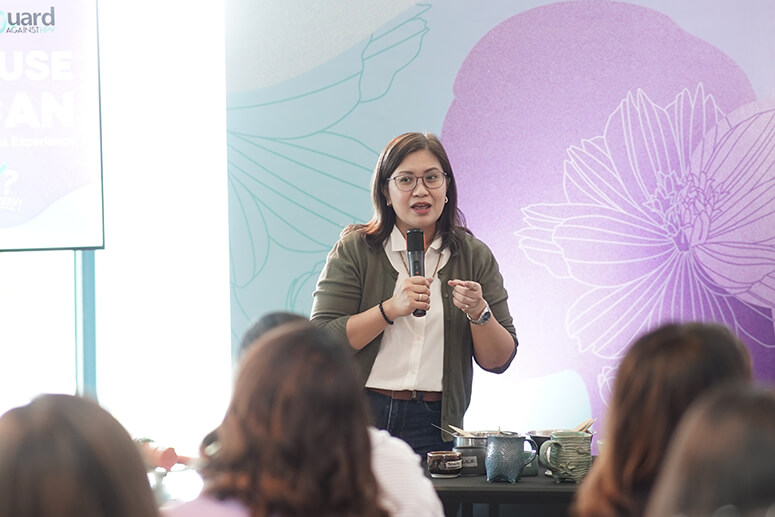
Dr. Mary Ann Galang-Escalona of MSD in the Philippines linked the experience of working with clay to how women navigate their own lives.
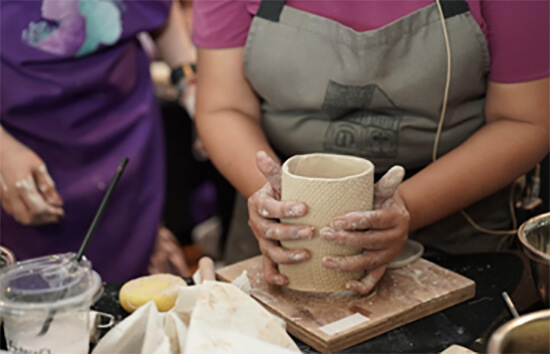
“We are constantly planning for our goals, our families, and our future,” she said. “But part of building that future is making sure we stay healthy enough to enjoy it. That’s where intentional choices—especially around prevention—become important.”
In partnership with Tahanan Pottery and Studio, participants learned the basics of mug-making—molding, refining, and shaping clay. Beyond technique, the process revealed something deeper.
CONTINUE READING BELOW

Each mug became a reflection of its maker—some structured, others imperfect yet expressive. All carried intention. Like the many roles women take on each day, the pieces symbolized care, resilience and presence—objects meant to live in everyday rituals, quietly holding space for pause.
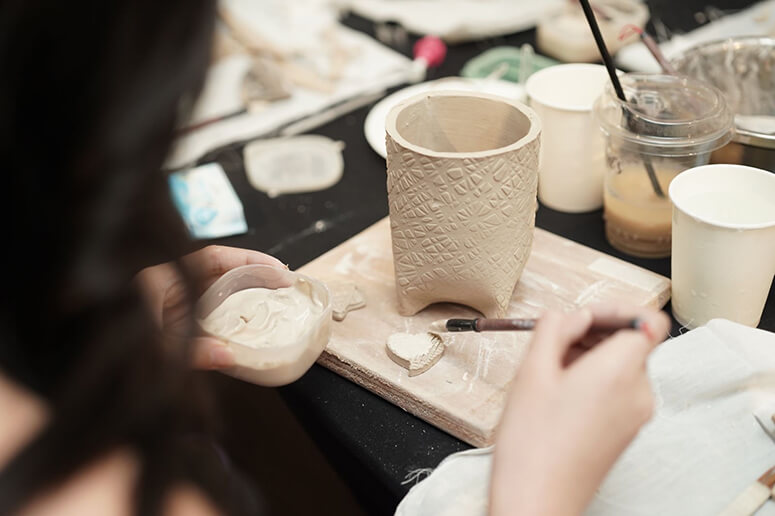
As ceramic artist Prof. Ma. Rita Badilla-Gudino of Tahanan Pottery and Studio explained, the process mirrors life itself: “Life, much like clay, is shaped by different elements. Earth gives it form. Water allows it to be molded. Air lets it settle. Fire strengthens it. In the same way, life is shaped by timing, choices, challenges, and the environments women move through every day,” she said.
“Like clay, we go through different stages and challenges, but we are shaped into something stronger. What you create reflects you.”
Take care of your health today
As the session unfolded, the conversation shifted from creative expression to reflection: How often do women plan for everything else, but not for their own health?
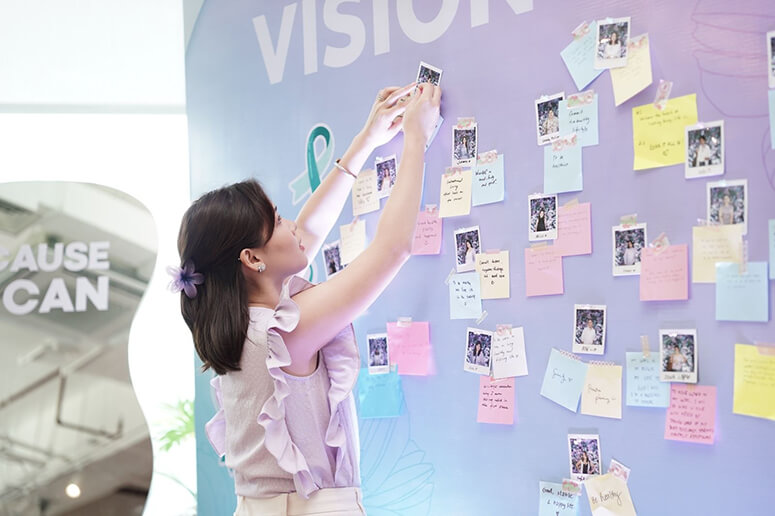
“Because She Can” reframed preventive care as part of everyday life—not separate or optional, but essential to long-term well-being.
Dr. Escalona emphasized the importance of tuning out external pressures and focusing on personal choice in health decisions.
“There are many voices that try to stop us from doing what we can and what we need to do for ourselves,” she said. “But what matters is what you need and what you can do. We already have the tools, the motivation, and the inspiration. Sometimes, it’s about choosing to take that step forward.”
Participants were encouraged to see preventive care as a proactive step—staying informed, consulting healthcare professionals, and making decisions that reduce future health risks.
Health risks women shouldn’t ignore
The session also grounded the discussion in health realities women need to be aware of.
Human papillomavirus (HPV) is a common virus affecting both women and men. About 80 to 90% of sexually active individuals may acquire it at least once. While most infections clear on their own, persistent high-risk strains account for nearly 99% of cervical cancer cases.
Cervical cancer remains a major health concern in the Philippines, with around 12 Filipinas dying from the disease every day.
“Many of these cases are preventable,” Dr. Escalona noted. “But prevention starts with awareness—and action.”
Dr. Ruth Faye “Happie” S. Romero-Sengson, senior medical adviser of MSD in the Philippines, underscored the importance of not taking health for granted as priorities shift over time.
“Sometimes, as we get older—especially women—we focus on our families and forget about ourselves,” she said. “If there is an opportunity to protect yourself, go for it. Anyone can get HPV at least once in their lifetime, even if they feel healthy. That’s why prevention matters.”
Why prevention matters
The discussion then turned to action.
Cervical cancer is among the most preventable cancers through screening, informed lifestyle choices, and vaccination, which significantly reduce the risk of HPV-related disease.
Participants were reminded that prevention works best early and consistently, not only when symptoms appear.
“We now have the tools to significantly reduce the risk of HPV and cervical cancer,” Dr. Escalona shared. “The important thing is making these part of your routine health decisions—speaking to your doctor, understanding your options, and taking that step when you can.”
By integrating these conversations into a wellness setting, the experience made a complex topic more approachable and connected to everyday life.
Because she can
At the end of the session, participants held their finished mugs—each one unique, each shaped with intention.
More than creative outputs, the pieces became reminders that just as clay can be shaped with care, so too can the choices women make for their health and future.
“Empowerment starts with recognizing that you have a choice,” Dr. Escalona said. “And choosing prevention is one of the most meaningful ways to protect the future you’re building.”
As the mugs cooled and the clay set, one message lingered: Making space for yourself is not a luxury—it is part of staying well.
