

Understanding hair loss
Androgenetic alopecia is the most common type of hair loss in the world. It affects both men and women. Many people think it is only a cosmetic concern, but it can also affect confidence, emotional well-being, and may sometimes be linked to other health conditions.
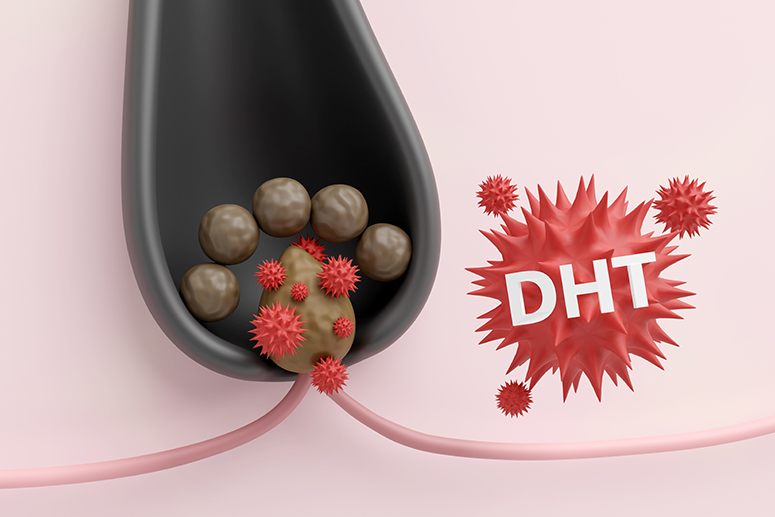
AGA is mainly caused by two factors: genetics (family history of hair loss) and hormones. A hormone called dihydrotestosterone attaches to hair follicles and slowly causes them to shrink. As the follicles get smaller, they produce thinner, shorter hair until they eventually stop producing visible hair.
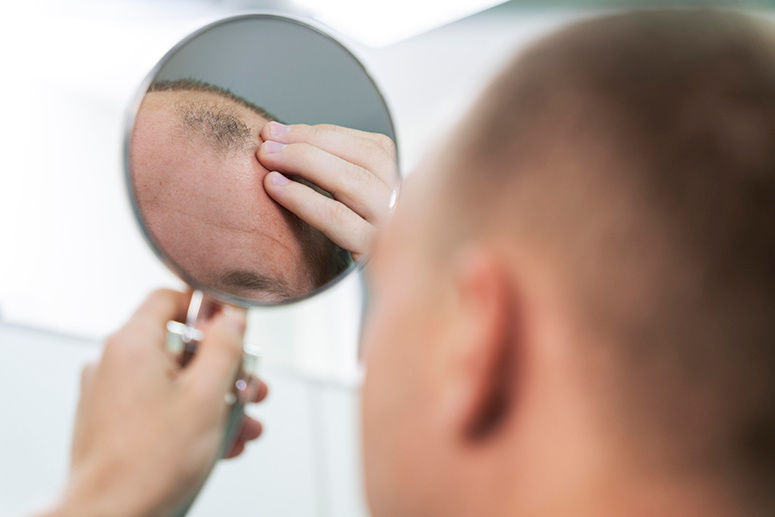
This usually appears in common patterns. In men, it often starts as a receding hairline or thinning at the crown. In women, it usually shows as overall thinning on the top of the scalp.
However, hair loss is more complex than that. Poor scalp blood circulation, inflammation, and scarring under the skin can also damage follicles. These changes reduce oxygen and nutrients reaching the hair roots. Over time, this weakens the follicle’s ability to grow healthy hair. It may also lead to slower hair growth, more shedding, and even premature graying.
AGA is usually a lifelong and progressive condition if left untreated. This means it often worsens over time. Studies have also found links between early or severe AGA and certain health conditions such as heart disease, metabolic syndrome, insulin resistance, and in women, polycystic ovary syndrome (PCOS), thyroid disorders, and iron-deficiency anemia.
The biggest mistake many people make is waiting until hair loss becomes obvious. By then, many hair follicles may already be too damaged to recover fully. In AGA, early treatment gives the best results.
Available treatments for AGA

There are many treatment options today, depending on the patient’s condition and stage of hair loss.
- Medications that reduce hormonal effects. These help lower or block DHT, the hormone linked to hair loss. Examples include finasteride, dutasteride, spironolactone, flutamide, bicalutamide, and cyproterone acetate.
- Anti-inflammatory treatments. Some medicines reduce scalp inflammation, which may worsen hair loss. These include ketoconazole and isotretinoin.
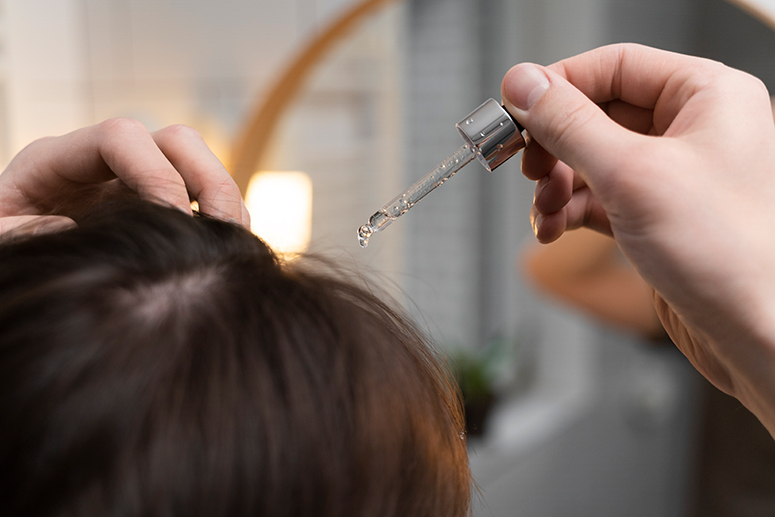
- Treatments that improve blood flow. Minoxidil is one of the most common treatments. It helps widen blood vessels and improve circulation to the scalp. Botulinum toxin may also help by relaxing scalp muscles and improving blood flow.
- Support for hair energy and growth. Hair follicles need energy to grow. Treatments such as melatonin may help support follicle function.
- Nutritional supplements. Vitamins and minerals may help, especially if there are deficiencies. These include vitamin D, B vitamins, folic acid, biotin, iron, zinc, and other trace minerals.
- Low-level light therapy. Laser or red light therapy may stimulate follicles and support growth.
- Exosome/secretome therapy with microneedling. These newer regenerative treatments aim to improve hair thickness and density by using growth factors and cell signals. Microneedling may also improve absorption of topical treatments.
- Clascoterone. A newer topical treatment that blocks androgen receptors directly in the scalp instead of affecting hormones throughout the body. It is being studied for AGA.
- Plant-based treatments (phytomedicine). Some herbal ingredients being studied include saw palmetto (serenoa repens), ginseng, pumpkin seed extract, curcuma, horsetail, and ashwagandha.
- Stem cell activating treatments. These aim to “wake up” dormant hair follicles and restart growth.
- Injectable treatments: Platelet-rich plasma (PRP) uses concentrated platelets from your own blood to stimulate follicles.Regenera activa uses your own scalp tissue cells and growth factors to reactivate weakened follicles.
Newer hybrid therapies are also emerging and may be more effective, especially in early stages of AGA.
Researchers are working on advanced options such as:
- PROTAC therapies that may destroy androgen receptors directly.
- AI-designed biologic drugs to restart hair growth and possibly restore hair color.
- Hair follicle cloning, which could create unlimited donor hair for future transplants.
Final thoughts
Hair loss is not simply about losing strands of hair. In many cases, it is about hair follicles becoming inactive. The good news is that more treatments are now available than ever before.
If you notice increased shedding, thinning, or a widening part line, seek professional advice early. The sooner treatment begins, the better the chance of preserving and regrowing hair.

WATCH: LGBTQIA+ people with unlikely professions
June 28, 2026
WATCH: Is Gen Z too soft? (Generations Ep. 23)
September 30, 2026