

Broken—but not beyond repair: The science (and romance) behind ‘broken heart syndrome’
Valentine’s Day is that curious time of year when hearts are everywhere—on chocolates, balloons, emojis, playlists, and Instagram captions. It is also the season when love is blamed for almost everything: insomnia, weight gain, bad financial decisions, and occasionally, questionable tattoos.
But here is a truth both poetic and medically inconvenient: A heart can literally break.
Not metaphorically. Not dramatically. Literally!
Cardiologists call it takotsubo cardiomyopathy, more popularly known as Broken Heart Syndrome—a real, documented, potentially life-threatening condition triggered by intense emotional or physical stress.
Yes, love can hurt. And sometimes, it can send you to the emergency room.
Cardiologists have learned the hard way that the heart does not distinguish between romantic devastation and existential terror.
When poetry becomes pathology

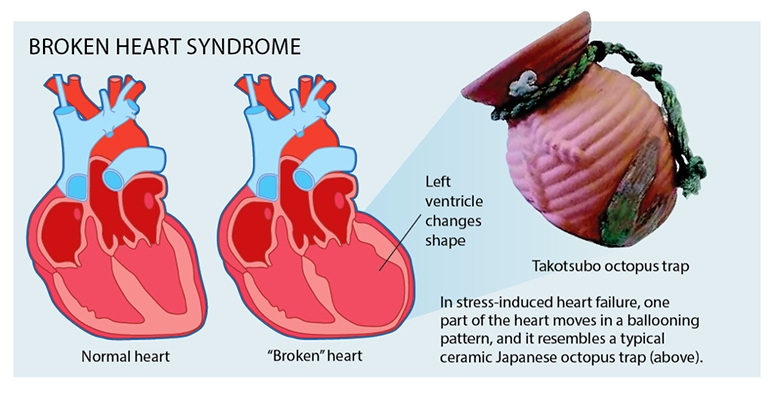
Broken Heart Syndrome was first described in Japan in the 1990s. The name takotsubo comes from a Japanese octopus trap—round at the bottom, narrow at the neck—which closely resembles the shape the heart assumes during the condition.
Romantic name. Unromantic reality.
Patients arrive at the ER with symptoms indistinguishable from a heart attack: crushing chest pain, shortness of breath, cold sweats, nausea, and palpitations.

Their ECG looks abnormal; cardiac enzymes may be elevated—both tests simulate a heart attack. Nurses then prepare the cath lab for coronary angiogram and possible angioplasty.
But when doctors examine the coronary arteries, they’re clean! No blockage. No clot. No cholesterol villain hiding in the shadows.
Instead, the heart muscle itself has become stunned, temporarily weakened by a sudden surge of stress hormones.
In short, the heart collapses under emotional overload.
What actually breaks? (spoiler: not love, but hormones)
Takotsubo cardiomyopathy is driven primarily by a massive release of catecholamines—adrenaline and noradrenaline—the same chemicals that help us run from danger.
Under extreme stress, the body floods the bloodstream with these hormones. For reasons still being studied, the heart—particularly the left ventricle—becomes temporarily paralyzed.
Triggers include: the death of a loved one, breakups or divorce, betrayal, intense fear or shock, financial catastrophe, severe illness, and even unexpected joy (yes, winning the lottery has caused takotsubo).
Cardiologists have learned the hard way that the heart does not distinguish between romantic devastation and existential terror. To the heart, stress is stress.
Why women get their hearts broken more often
About 90% of takotsubo patients are women, particularly postmenopausal women.
This is not because women love more deeply (though poets may argue otherwise), but because estrogen appears to protect the heart from stress hormones. When estrogen levels fall after menopause, that protective buffer weakens.

This makes the condition a fascinating intersection of cardiology, endocrinology, psychology, and yes—romance.
The heart, it turns out, is deeply hormonal.
The most romantic diagnosis you never want
Takotsubo cardiomyopathy is usually reversible. Most patients recover fully within weeks. But “usually” is not “always.”
Complications can include: heart failure, dangerous arrhythmias (irregular heartbeats), cardiogenic shock, and rarely, death.
Which is why doctors treat it seriously—no matter how poetic the name.
In medicine, romance ends where risk begins.
Love, loss, and the Netflix question
Now let’s talk about that Japanese Netflix movie many romantics reference—the one where a heart transplant recipient begins to experience the donor’s memories, emotions, even romantic attachments.
It’s a beautiful idea. It’s also fiction.
There is no credible scientific evidence that transplanted hearts carry memories, personalities, or romantic preferences.
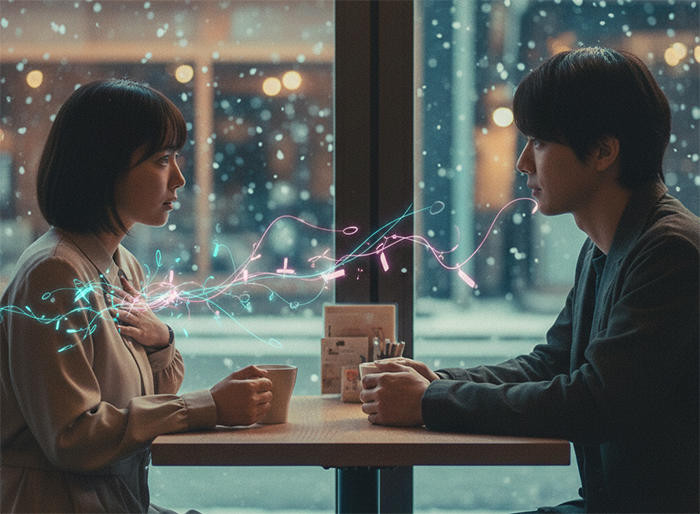
Memories reside in neural networks in the brain, not cardiac muscle.
But before we dismiss the story entirely, let’s pause.
Why does this idea resonate so deeply?
For centuries, humans have believed that the heart is more than a pump. Across cultures, the heart symbolizes love, courage, grief, loyalty, and identity. Language itself betrays this belief: heartache, heartfelt, broken-hearted, learning by heart, and many more common idiomatic expressions.
Science tells us the heart does not store memories. But experience tells us it responds to them.
Takotsubo cardiomyopathy is proof.
So, is the movie logical—or pure fantasy?
From a neurological standpoint: fiction. From an emotional standpoint: psychologically truthful.
The heart does not remember events—but it reacts to the brain’s memories with extraordinary sensitivity.
Every tear, every shock, every joy is translated by the nervous system into chemical signals that reach the heart within seconds.
In that sense, the heart may not remember love—but it feels its consequences.
And sometimes, it feels them too intensely.
Valentine’s Day: A high-risk season for tender hearts
Valentine’s Day is not joyful for everyone.
For some, it magnifies loneliness, unresolved grief, breakups, unfulfilled longing, and comparisons fueled by social media.
Cardiologists quietly note a seasonal pattern—emotional stress peaks during romantic holidays, anniversaries, and memorial dates.
A heart that has endured months of silent sadness may finally say, “Enough.”
How to protect your heart—emotionally and mentally

Whether you are deeply in love, painfully single, or somewhere in between, here are evidence-based ways to protect your heart this Valentine’s season:
- Respect emotional pain. Heartbreak is not “just drama.” It has measurable physiological effects.
- Watch for warning signs. Seek immediate care for chest pain, breathlessness, or fainting—especially after emotional stress.
- Manage stress intentionally. Prayer, breathing exercises, journaling, walks, and worship help regulate the stress response.
- Limit alcohol. Alcohol worsens emotional volatility and cardiac instability.
- Prioritize sleep. Sleep deprivation amplifies adrenaline surges.
- Stay connected. Isolation worsens stress. Safe communities—family, friends, or faith groups—are protective.
- Faith-based communities like Project Grow Makati and Overflow Ortigas, which gather every Sabbath, provide spaces where people process emotional pain without judgment—often preventing silent stress from becoming physical disease.
A love letter to the human heart
The heart is not weak because it breaks. It breaks because it dares to feel.
Takotsubo cardiomyopathy reminds us that love, grief, fear, and joy are not abstract ideas—they are biological forces powerful enough to reshape muscle, rhythm, and blood flow.
The Netflix movie may exaggerate the heart’s memory, but science confirms its vulnerability.
This Valentine’s Day, let us honor the heart not only with romance but with kindness, rest, connection, and grace.
Love deeply—but gently. Feel fully—but wisely.
And remember: A broken heart is not the end of the story. In most cases, it heals. And when it does, it beats with a deeper understanding of what it means to be human.

WATCH: Discovering Vietnam in three days
June 9, 2026