A nation’s year-end diagnosis: What 2025 taught us about Filipino health, healing, and hope
Christmas is a season of light.
But the days between Christmas and the New Year are a season of clarity.
The music softens. Reunions slow. The lights still glow, but more gently now. It is in these quiet in-between days—after the feasting and before the fireworks—that we finally pause, breathe, and listen to what the past year has been trying to tell us.
As a physician, I often remind my patients that healing does not begin with treatment. It begins with an honest assessment—an accurate diagnosis.
If the Philippines were a patient—and in many ways, she is—then 2025 has given us a set of results worth reviewing with both courage and compassion. Some values have improved. Others remain dangerously high. Many point to the same advice doctors give every day: change is possible, but it must be intentional.
Yet beneath all the clinical indicators lies something no laboratory test can measure—the Filipino spirit’s quiet refusal to give up.
This is a year-end check-up on our holistic national health, and an invitation to step into the new year wiser, gentler and stronger.
Vital sign #1: the body—familiar illnesses, persistent risks
The year 2025 reminded us that hypertension, diabetes, and heart disease remain our leading killers. Despite increased awareness, many Filipinos still delay check-ups, skip maintenance medications, or rely on kapitbahay cures instead of proper medical care.
Almost daily, I see patients whose blood pressure is high enough to light a Christmas parol—yet they feel “okay” because they’ve grown accustomed to it.

This is the danger of silent disease: it whispers for years, until one day it shouts.
We also saw rising rates of childhood obesity, fatty liver disease, poorly controlled diabetes, and sedentary lifestyles driven by long work hours, traffic, and endless screen time. There is hope. More young Filipinos are walking, running, cooking healthier meals, and seeking help for mental health concerns. Still, as a nation, our physical health remains fragile. We love to celebrate—but we continue to struggle with moderation.
Vital sign #2: mental health—a wound finally named
If 2025 had a defining theme, it was mental health—not because it suddenly appeared, but because it finally found language.
The heartbreaking passing of young influencer Emman Atienza, and the grace and honesty of her parents, Kim Atienza and Felicia Hung, opened a long-overdue national conversation. Young people began speaking more openly about depression, anxiety, trauma, and burnout. Schools strengthened guidance programs. Workplaces introduced wellness initiatives. Churches and small communities widened their doors to the wounded.
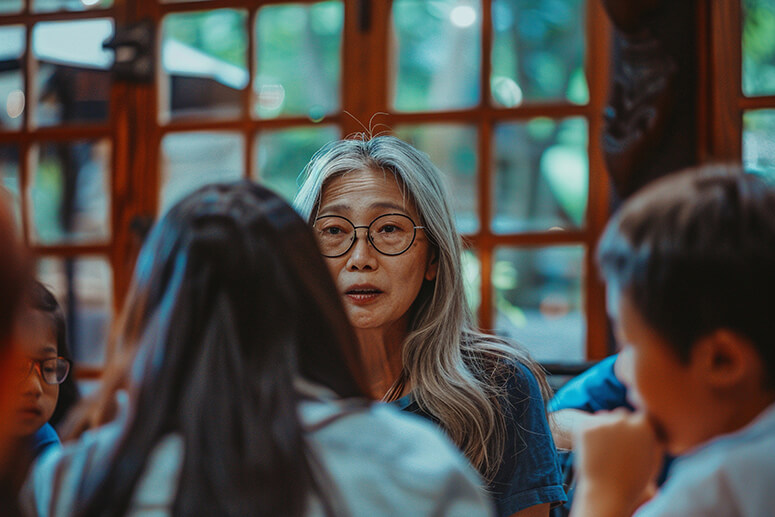
Yet the realities remain sobering: suicide risk among those aged 15–29 remains high; many families still fail to recognize warning signs; social media continues to fuel comparison, bullying, and emotional overload; and many children carry wounds adults never see.
And yet, there is real hope. Faith-based communities such as Project Grow Makati and Overflow Ortigas have quietly become sanctuaries— places where young people are reminded that they matter, that God has not abandoned them, and that pain does not have the final word.
Mental health is no longer taboo. It has entered our national vocabulary—finally, and mercifully.
Vital sign #3: the social pulse—weary, but resilient
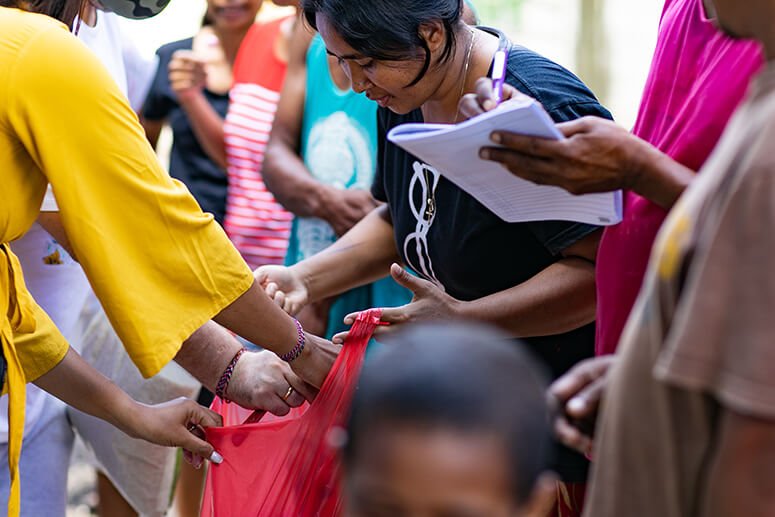
For many Filipino households, 2025 felt heavy: rising costs of food and medicine, political noise, climate-related disasters, economic uncertainty, and fractured relationships in an increasingly polarized society.
You could hear the fatigue in everyday conversations—the sighs, the jokes masking worry, the quiet admission of being pagod na pagod.
And yet, Filipinos showed up.
We helped neighbors during floods. We prayed for strangers online. We kept working, caring, and loving.
This resilience cannot be measured by machines. It is woven into our culture—like the fibers of a parol: fragile on their own, but strong when bound together.
Vital sign #4: the nation’s heartbeat—faith as lifeline
Despite the wounds of the year, the Filipino heart continues to beat with faith.
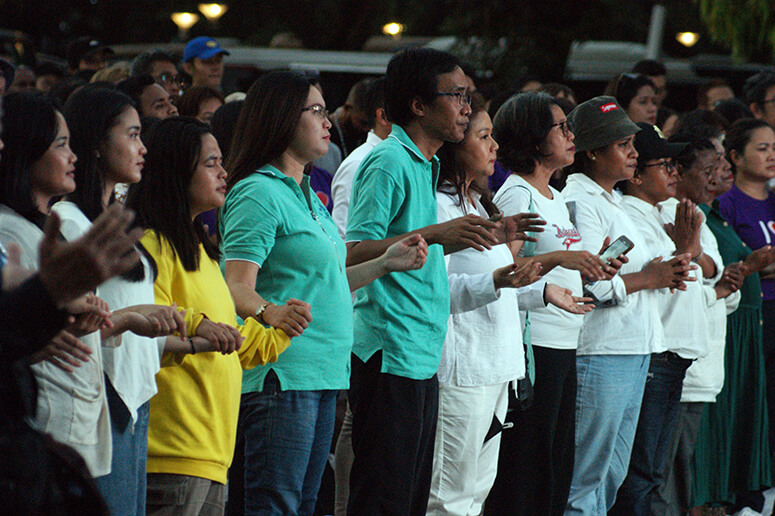
Across traditions—Catholic, Protestant, Adventist, evangelical, and quietly spiritual—Filipinos leaned heavily on God in 2025. Churches filled again. Sabbath gatherings grew.
Online prayer meetings drew students, parents, OFWs, and seniors who had only recently mastered Zoom.
In hospital wards, I saw people grieve with hope. In family crises, someone almost always whispered, “God is still good.”
Faith has not removed suffering—but it has sustained us through it. It remains our national lifeline.
Vital sign #5: the moral compass—tested, but not lost
The year also exposed moral fractures: public scandals, misuse of influence, cyberbullying, disinformation, and a culture that often rewards noise over truth.
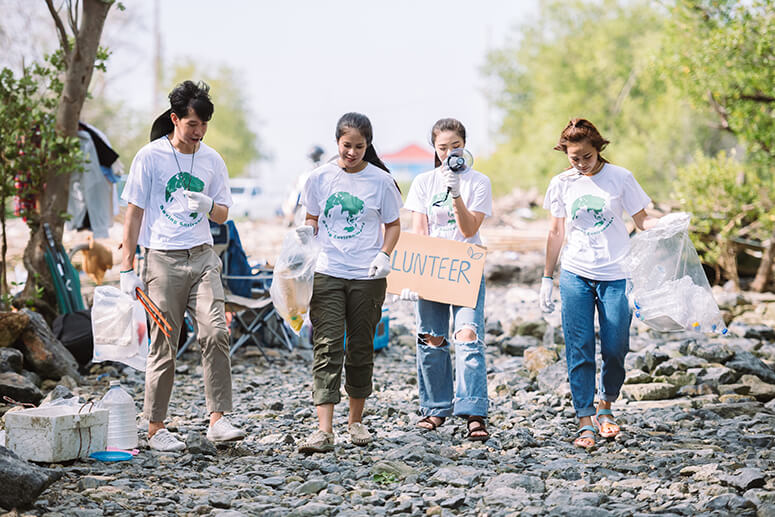
Yet alongside these were quieter stories of courage—people speaking up, young voices demanding accountability, parents teaching values at home, and ordinary acts of honesty restoring faith in humanity.
A nation’s moral health does not depend solely on its leaders. It depends on the daily choices of its people. And Filipinos still know the difference between right and wrong.
The year-end diagnosis
If I were to summarize the Philippines as 2025 comes to a close:
- Wounded, but healing.
- Tired, but hopeful.
- Hurting, but still believing. We are not perfect. But we are persevering.
We fall—and we rise again, often with a smile, a prayer, and a shared plate of pancit.
A gentle prescription for 2026
As the new year approaches, these are not resolutions, but invitations:
- Care for the body early. Don’t wait for symptoms. Take maintenance medicines faithfully.
- Protect mental health intentionally. Rest, set boundaries, and seek help early.
- Strengthen family bonds. The health of the home is the health of the nation.
- Practice Sabbath rest. Sacred time for renewal is not weakness—it is wisdom.
- Choose kindness daily. Small kindnesses heal large wounds.
Pray for the nation—not only for progress, but for grace and integrity.
A year-end blessing
As the last lights of Christmas continue to glow and a new year quietly approaches, may this be our prayer:
Lord, heal our bodies.
Heal our minds.
Heal our families.
Heal our young people.
Heal our wounds.
Heal our beloved Philippines.
And in 2026, may we become a healthier, gentler, and braver nation—one that treats compassion as medicine, truth as oxygen, and faith as our strongest vital sign.