

The ‘skinny shot’ revolution
At a recent symposium during the 2026 Annual Convention of the Philippine Heart Association (PHA) held at EDSA Shangri-La, one could almost feel the electricity in the room. Close to 3,000 cardiologists and healthcare professionals gathered from May 26 to 29 to discuss the latest developments in cardiovascular medicine. Among the most anticipated simultaneous sessions was a fascinating symposium organized by the PHA Council on Pharmacotherapy titled: “A Deep Thrust on GIP and GLP Agonists: Hype, Hard Truths, and Hope.” The lectures were delivered by endocrinologist Dr. Maria Concepcion C. Sison and public health expert Dr. Michael S. Caampued, and chaired by Dr. Timothy Bjorn Lagos and Dr. Jose Eduardo Lagos. Judging by the crowd reaction, one thing became clear: the era of the so-called “skinny shot” has officially arrived.
The rise of semaglutide (Ozempic) and tirzepatide (Mounjaro) has been nothing short of dramatic. Originally developed for diabetes, these injectable medications—available only through prescription and medical supervision—are now reshaping obesity treatment worldwide. Patients are experiencing significant weight loss, improved blood sugar control, lower blood pressure, and in some cases, improved cardiovascular outcomes. To many struggling with obesity, these drugs feel almost miraculous—and medically speaking, the results can, indeed, be impressive.
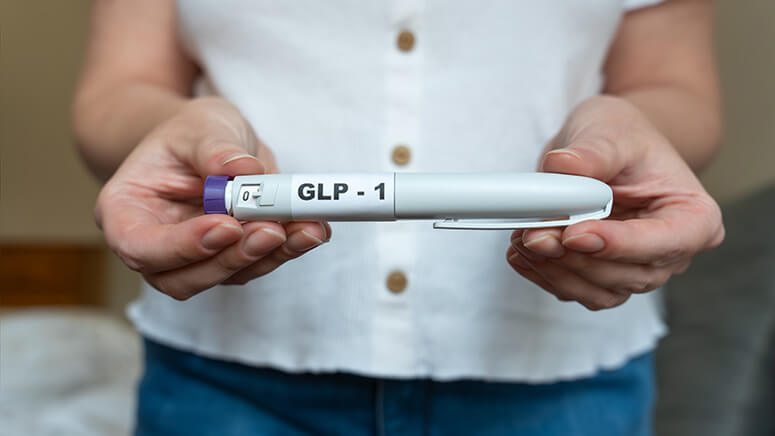
GLP-1 receptor agonists and GIP/GLP dual agonists work by mimicking hormones naturally produced in the gut. In simplified terms, they slow stomach emptying, reduce appetite, improve insulin response and enhance satiety. Translation: patients feel full faster, eat less, and often lose substantial weight.
At the symposium, Dr. Sison emphasized that obesity is not merely a cosmetic issue but a chronic disease strongly linked to diabetes, hypertension, heart disease, stroke, and kidney disease. The statistics are alarming. According to data presented by Dr. Caampued, 4 in 10 adult Filipinos are overweight or obese, 4.7 million Filipinos live with diabetes, and chronic noncommunicable diseases account for most deaths nationwide. This is no longer simply a lifestyle issue; it is a public health crisis.
The good news is that clinical trials have shown semaglutide and tirzepatide can produce weight loss once thought achievable only through bariatric surgery. Patients often experience improved blood sugar, lower blood pressure, reduced cardiovascular risk, improved mobility, better sleep, and decreased fatty liver disease. Some also report psychological improvements such as increased confidence, improved energy, and better quality of life. One patient jokingly told me, “Doc, first time ko ulit makita toes ko nang hindi humihinga nang malalim (I can now see my toes without taking a deep breath).” Humor aside, meaningful weight reduction can dramatically improve health outcomes.

Unfortunately, social media has transformed these medications into luxury lifestyle products. Suddenly, non-obese individuals are using them for vanity weight loss, online sellers are offering questionable “skinny injections,” counterfeit products are circulating, and some patients are self-medicating without proper medical supervision. At the symposium, Dr. Sison carefully discussed the very real safety concerns. These medications are not harmless beauty accessories. Possible adverse effects include nausea and vomiting, severe gastrointestinal symptoms, pancreatitis, gallbladder disease, dehydration, muscle loss, and nutritional deficiencies. Certain individuals may also not be suitable candidates, including those with severe gastrointestinal disease, a history of pancreatitis, certain thyroid cancer risks, and pregnancy. This is why proper medical evaluation is essential.
CONTINUE READING BELOW

Perhaps the biggest danger is not the medication itself but the illusion that obesity can be solved purely by injection. As Dr. Caampued emphasized, these therapies should complement—not replace—lifestyle intervention. No injectable drug can fully compensate for chronic sleep deprivation, sedentary habits, ultra-processed food consumption, emotional eating, or stress overload. Unfortunately, many people now want pharmaceutical weight loss while maintaining a relationship with fried chicken or crispy pata that borders on spiritual devotion. Medicine can help, but biology still requires participation.

Another important issue raised during the convention was equity. These medications remain expensive, raising uncomfortable questions about access: who gets treatment, whether obesity care becomes a privilege of the wealthy, and whether public health systems can afford widespread use. Meanwhile, counterfeit products and unethical marketing continue to spread online, with the kind of messaging one might jokingly expect in future ads: “Lose 20 kilos while sleeping and watching Korean dramas.” Public health experts are understandably concerned.
Doctors now joke that dinner conversations have changed. Before: “Anong ulam mamayang gabi? (What’s for dinner?)” Now: “Anong maintenance mo? (What maintenance meds are you taking?)” And increasingly: “Naka-Mounjaro ka ba?” (Are you on Mounjaro?) Behind the humor, however, lies a profound societal shift. For the first time, medicine possesses drugs capable of meaningfully altering obesity at population scale. This could transform public health if used responsibly—or create a new wave of complications if abused.
The future of obesity care may indeed include powerful medications like Ozempic and Mounjaro, but the healthiest prescription still cannot fit entirely inside a syringe.
The symposium reflects a larger global shift: medicine is entering an era where obesity is increasingly treated biologically rather than morally. This is important because obesity is not simply a matter of laziness or lack of willpower, as outdated attitudes often suggest. It is a complex disease involving hormones, metabolism, genetics, environment, behavior, and emotional health. Yet even amid exciting pharmaceutical advances, one truth remains unchanged: long-term health still depends on daily choices. Not glamorous ones, but ordinary disciplines repeated consistently—moving more, eating better, sleeping properly, managing stress, and nurturing emotional and spiritual well-being.
The future of obesity care may indeed include powerful medications like Ozempic and Mounjaro, but the healthiest prescription still cannot fit entirely inside a syringe.
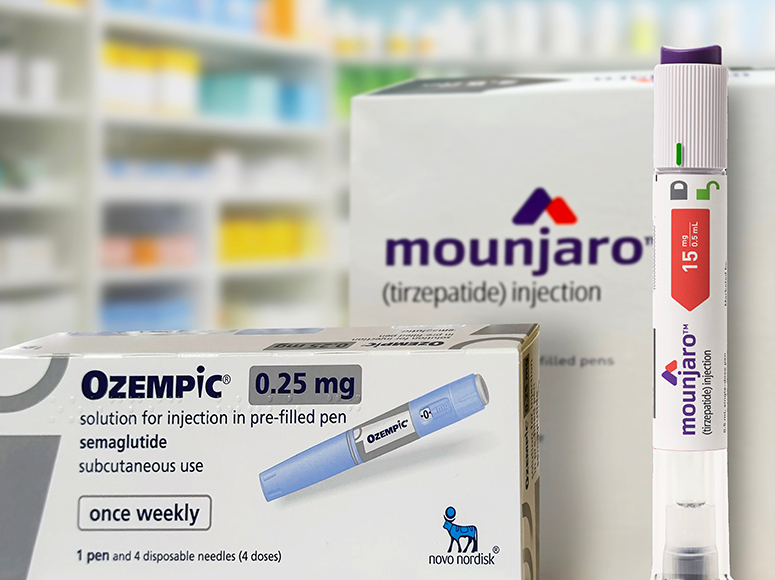
Ozempic and Mounjaro: What patients need to know
Potential benefits include significant weight loss, improved blood sugar control, lower cardiovascular risk, and better blood pressure and metabolic health.
Possible risks include nausea, vomiting, diarrhea, gallbladder disease, pancreatitis, muscle loss if nutrition is poor, and exposure to counterfeit or unsafe products online.
These medications should only be used under medical supervision, with proper monitoring, and alongside lifestyle modification. They are not cosmetic shortcuts.

WATCH: Is Philippine cinema still thriving? (Generations Ep. 19)
September 2, 2026
WATCH: Save for retirement or enjoy life now? (Generations Ep. 21)
September 16, 2026
WATCH: Pixar Summer Fest adventure at Hong Kong Disneyland
August 10, 2026