

How these same-sex parents are defying obstacles to raise their children in a loving queer family
Raising children in any family requires the same basics: unconditional love, emotional security, and financial stability. By these parameters, all parents who fulfill at least these three essentials should be free to build a family.
In many instances, however, same-sex parents, despite being emotionally mature and financially capable, have extra challenges to rise above.
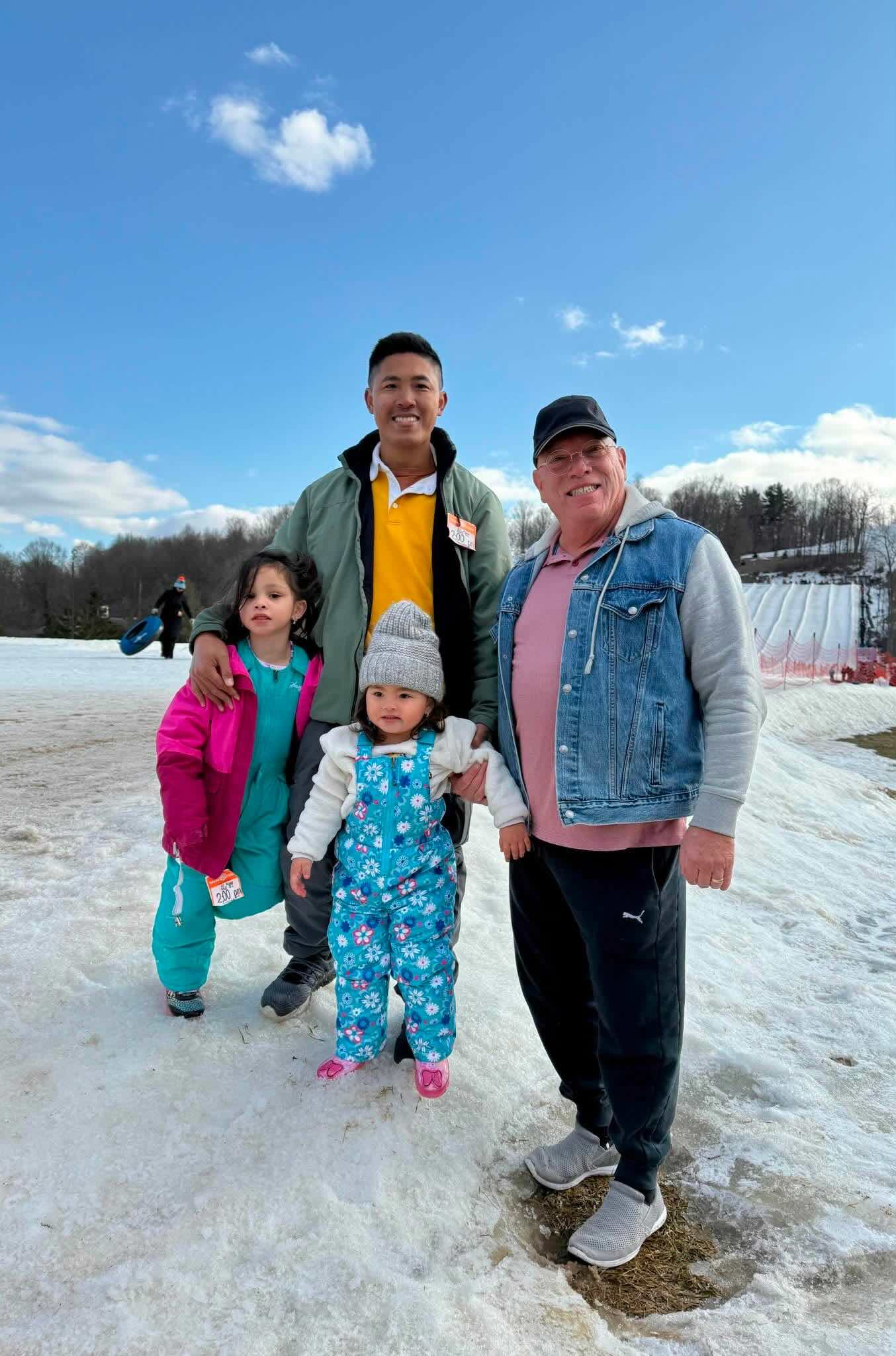
Two sets of dads, Mack Fernandez Williams and his husband Jeff, and Ian Darcy and his partner Allan Lainez, share how it is to raise children in a home full of love while facing down social stigma and legal barriers.
The surrogacy journey
When Mack and Jeff met in 2014 and started chatting regularly, they both already knew they wanted to have their own children.
"But, you know, being same-sex, there's an obstacle. How should we do it? How can we achieve that?" Mack told PhilSTAR L!fe.
They got married in 2015 and decided to wait three more years to see how it would go. When they realized it was time, Mack and Jeff, who share daughters Maria, 7, and Olivia, 3, looked into adoption first. It didn't work out, though, according to Mack, which is when they found out about surrogacy.
CONTINUE READING BELOW

It helped that the couple sought surrogates in the US, where it is legal, though not in all 50 states, and not consistently for same-sex couples. In the Philippines, there's still a lack of regulatory framework for surrogacy practices.
Mack and Jeff found a full-service agency in Chicago, which facilitates the whole surrogacy journey, from egg donation to finding the right match for a surrogate mother and couples.
"And they don't only cater to same-sex couples. They cater to all families," Jeff told L!fe. It took them nine months to match with a surrogate for Maria, assisted by a lawyer who specializes in the field.
"They give you a whole list of surrogate mothers and potential surrogate mothers that would like to work with you, and then you review them. Of course, they will review you, as well. It should work both ways," said Jeff.
"Some surrogates don't want to be with gay people, and some prefer gay people [for parent matches]," said Mack.
It was a pricey process, "and the US is, by far, the most expensive place to do it," said Jeff. "But we decided that it was better to pay the extra money and have our babies in the US so they'd be US citizens like us. And, you know, just to keep the family whole."
Prior to the births of both their daughters, birth certificates citing both Mack and Jeff as the parents were ready. Both Maria and Olivia were born in the US to two different surrogate mothers, and are US citizens.
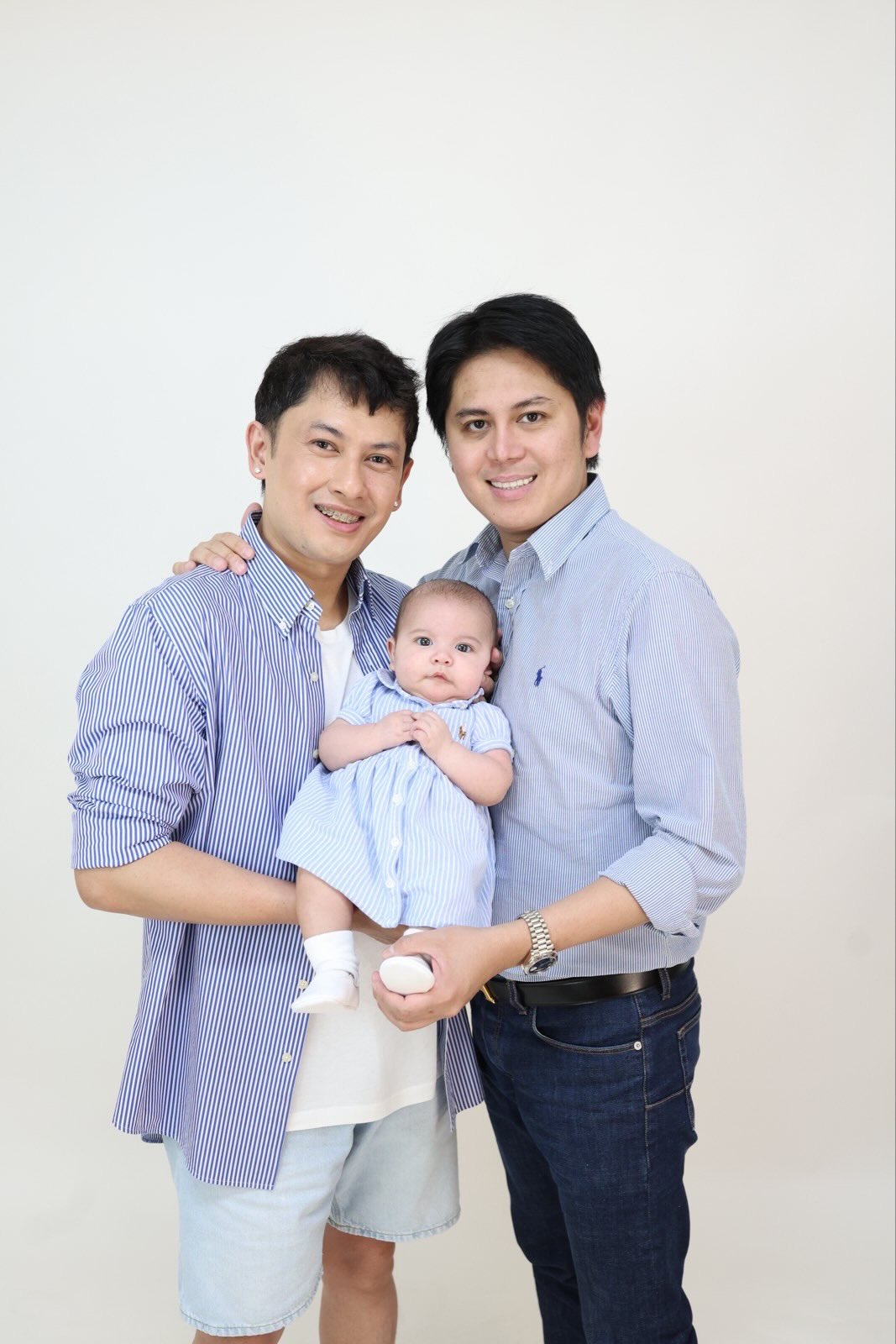
Like the Williamses, Ian and Allan used a surrogate for their four-month-old daughter Mariah. But becoming parents wasn't as quick a decision.
While Ian had "always dreamt of being a father," Allan was initially "50-50 lang" about parenthood.
"Kasi 'yung papasukin namin, 'yung bagong yugto, 'yung pagkakaroon ng baby is hindi basta-basta...Nagkaroon kami ng maraming conversation para makita 'yung both sides, negative and positive," Allan told L!fe. "Mapapanindigan ba natin? Maaalagaan ba natin nang maayos?"
The turning point came when the couple, who are behind the perfume brand Ian Darcy, realized, "Para saan pa kami nabubuhay? Aside from the business and aside from our immediate family," said Ian.
"Parang baka naman ready na tayo to ask for another wonderful responsibility," he added. "So in-assess namin 'yung financial capacity namin, 'yung emotional capacity, 'yung psychological capacity kung ready na ba tayo."
It took Allan and Ian three years to prepare themselves for parenthood. As soon as they decided, they started their search for a surrogate and later found the US to be a feasible country for surrogacy.
They zeroed in on four likely candidates for surrogates. After going through physical, political, and psychological clearance, they whittled the choices down to one, who eventually gave birth to Mariah.
Social stigma
Members of the LGBTQ+ community are no stranger to challenges such as social stigma. Allan told L!fe that they experience their handful as same-sex parents. "'Yan 'yung bagay na talagang hindi natin mapagkakait sa ibang tao kasi that is their opinion. Hindi namin puwedeng i-impose sa kanila na, 'Oy, ito 'yung sa amin,'" he said. "As long as hindi nila kami sinasaktan, okay kami doon."
In the US, Ian and Allan weren't generally bothered by discrimination for being same-sex parents. In Singapore, where their perfume brand just opened its third store, most of the attention goes to their baby.
"They love the baby," said Allan, though they have received their fair share of stares from strangers. However, the couple dismisses it as curiosity about two men caring for a baby.
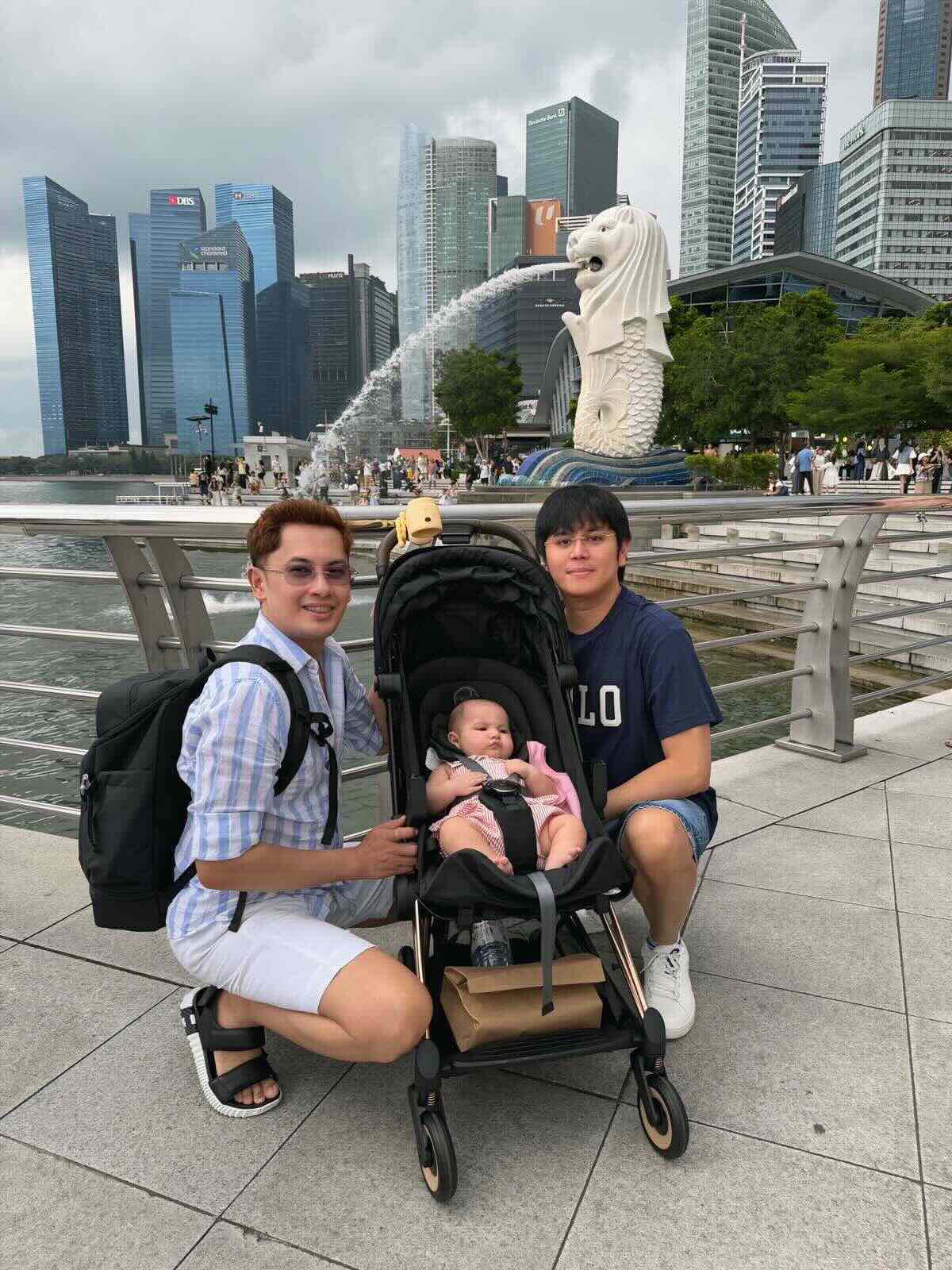
"That's the beauty ng pagiging human. Kasi marami tayong mga questions, 'di ba? And we are willing to educate them [about our situation]," Ian told L!fe.
"It's for Mariah, too. Ayaw namin na magtago sa kanya ng anything. So habang lumalaki siya, mas gusto namin na alam niya kung saan siya nanggaling," Allan added.
In the Philippines, the couple is grateful they are surrounded by friends and family who are open to their little family.
"[Nararamdaman] namin, unti-unti, na people are opening their hearts to everyone," said Ian.
Mack and Jeff, who live in a small town in Ilocos Norte, feel the same way. The couple, who are behind the social media accounts 2 Dads and 2 Daughters, say in provincial Philippines, there's "far less resentment," and fewer issues than in the US.
"The US is very divided and very divisive. And unfortunately, there's so much bigotry there towards gays and towards the whole gays with children [issue]," said Jeff.
In contrast, the community in which the Fernandez-Williams family lives can't be more open and loving toward them.
"It helps that people know us," said Jeff, referring to their solid social media presence. "But even our co-parents [in Maria's school and Olivia's pre-school] are very supportive. If we're not around, we know that [our daughters] are safe because our co-parents are there. Our girls go to a Catholic school, and our priest, every time he sees us, he always comes and hugs us. You can really feel the warmth."
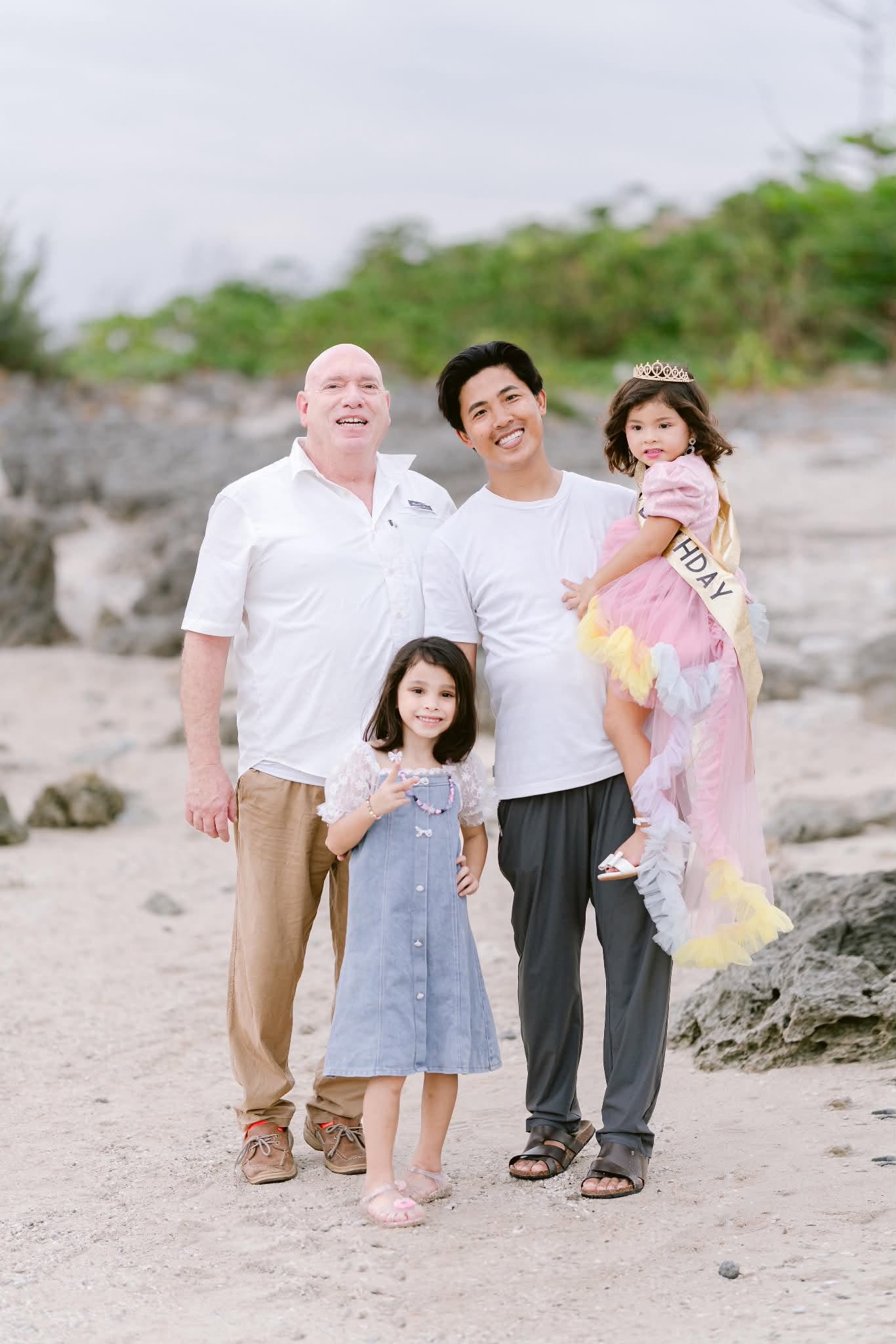
"We've never experienced any hatred in the Philippines with regards to being gay or being parents to our children," said Mack. The attacks they get are online and are almost all international, with just a few coming from the Philippines.
Both sets of parents are one in their hopes for a future full of happiness and success for their daughters.
For Ian, a more inclusive society would pave the way for a more secure future for Mariah. "My dream is for people to be more respectful pagdating sa mga bagay na hindi nila naiintindihan," he said.
Allan agreed, saying, "Doon mangyayari na safe 'yung paligid na kalalakihan ni Mariah."
Jeff's dream for his daughters was "that they become great citizens, that they're not just happy, but that they are able to live well and do well in whatever fields they choose that inspire them."
While Mack shared his husband's wishes for their girls, he also had his own: "I want them to be Miss Universe. Not really kidding."

WATCH: LGBTQIA+ people with unlikely professions
June 28, 2026