

When antibiotics fail: The hidden cost of self-medication
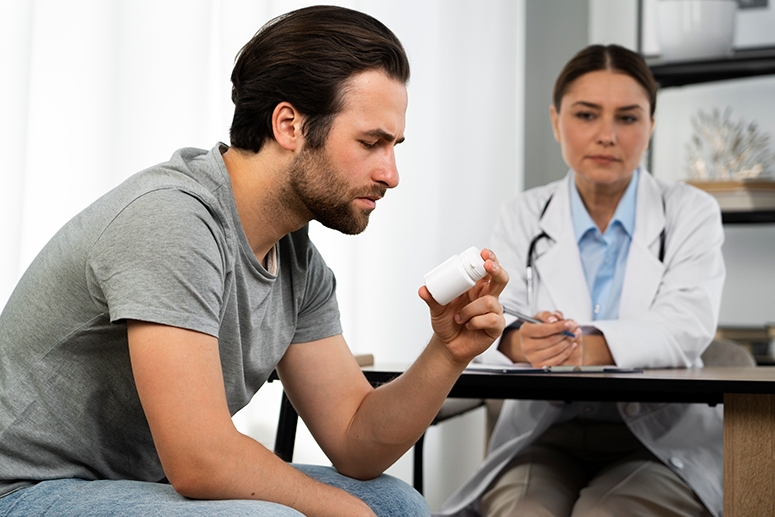
When I recently returned to the clinic after a few weeks abroad, one of my patients came in for a follow-up, looking unusually pleased with himself.
“Doc,” he began proudly, “nagka-fever ako habang wala kayo. Parang flu. Uminom lang ako ng antibiotics na natira sa bahay. After a few days, okay na. (I had a fever, flu-like. I just took some leftover antibiotics… I got well.)”
He paused—clearly expecting congratulations. Instead, I shook my head.
What he thought was initiative… was actually part of a global problem quietly becoming one of the biggest threats to modern medicine: antimicrobial resistance.
When ‘diskarte’ becomes dangerous
Filipinos are resourceful. We pride ourselves on diskarte—the ability to solve problems creatively, often with what is readily available.
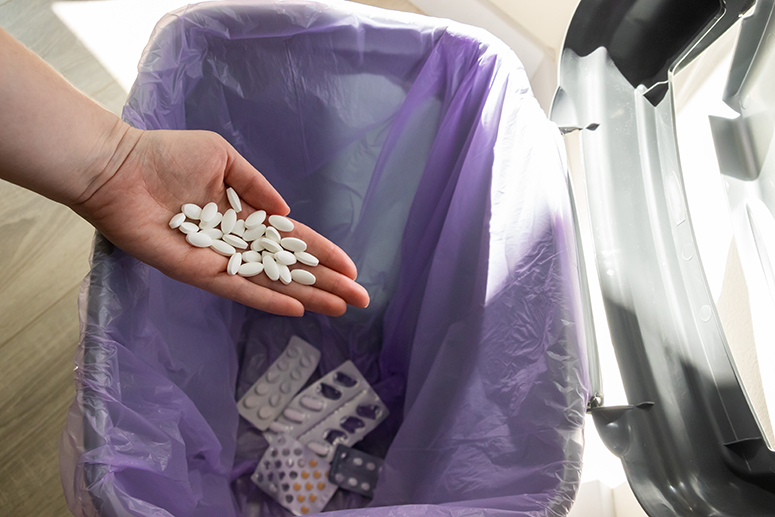
Leftover antibiotics from a previous illness? “Sayang naman. Gamitin na lang ulit. (It’s a waste; better to use them.)”
CONTINUE READING BELOW

Pharmacies dispensing antibiotics without a prescription? “Mabilis lang ’to. Alam ko na ’to. (It works fast; I already know this.)”
A neighbor recommending a specific capsule because “gumaling ako dito”? “I’ll try that, too.”
It sounds practical. It feels efficient. But in medicine, what seems helpful in the short term can be disastrous in the long term.
What is antimicrobial resistance?
Antimicrobial resistance occurs when bacteria, viruses, fungi, or parasites evolve to survive medications designed to kill them.
In simple terms: the germs learn—and they learn fast.
Each time antibiotics are used improperly—wrong drug, wrong dose, wrong duration—some microbes survive. These survivors become stronger, more resistant, and eventually dominate.
The result? Infections that were once easily treatable become harder, more expensive, and sometimes impossible to cure.
The culture and sensitivity dilemma
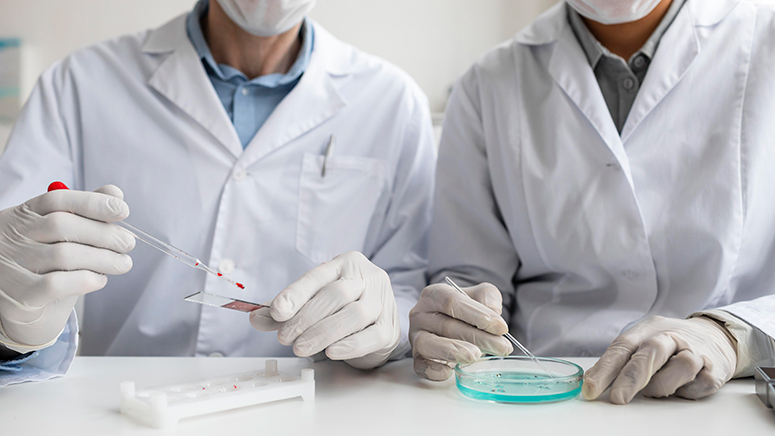
In hospital practice, we often request a culture and sensitivity test—a laboratory procedure that identifies the bacteria causing an infection and determines which antibiotics can kill it.
Increasingly, we encounter a troubling scenario. The report returns with a list of antibiotics… and beside each one is the same word: “Resistant.”
Sometimes, only one or two drugs remain effective. Sometimes, none.
Imagine standing in front of a patient, knowing the infection is treatable in theory—but the available weapons no longer work.
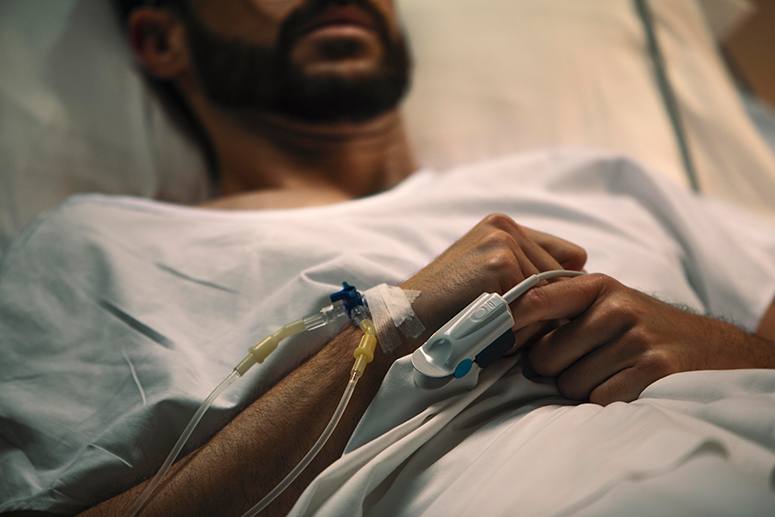
This is not science fiction. This is happening now.
Real stories from the frontlines
A middle-aged patient with a urinary tract infection had been self-medicating with various antibiotics for several months—some prescribed, others not. By the time she sought proper care, the bacteria had become resistant to multiple drugs. Treatment required hospital admission and intravenous antibiotics, at high cost and risk.
Another patient with pneumonia had taken an incomplete course of antibiotics: “I stopped when my symptoms improved.” When the infection returned, it was far more aggressive—and far more difficult to treat.
We are, quite literally, training bacteria to defeat us.
Why antibiotics are different
Unlike pain relievers or vitamins, antibiotics are not general-purpose medicines. They are precision weapons designed to target specific bacteria.
Using them incorrectly is like firing bullets blindly: You may not hit the target. You may hit the wrong one. And worse, you may create a stronger enemy.
Even more concerning: Antibiotics do not work against viruses.
That common “flu-like illness” my patient treated with antibiotics? Most likely viral.
The fever improved not because of the antibiotic, but because the body’s immune system did its job. The antibiotic simply… tagged along.
The global threat
The World Health Organization considers antimicrobial resistance one of the top global health threats of our time.
Projections suggest that by 2050, AMR could cause millions of deaths annually, surpassing cancer.
Simple procedures—such as surgeries, childbirth, or chemotherapy—could become riskier because infections can no longer be controlled.
In a way, we risk returning to a pre-antibiotic era, when minor infections could be fatal.
A little humor, a serious reality
In the clinic, I sometimes joke with patients: “Hindi po vitamins ang antibiotics—hindi puwedeng ‘just in case.’ (Antibiotics are not vitamins; you can’t take them 'just in case.')”
It gets a laugh. But behind the humor is a serious truth: there is no such thing as “just in case” when it comes to antibiotics. Every unnecessary dose carries a cost—not just for the patient, but for society.
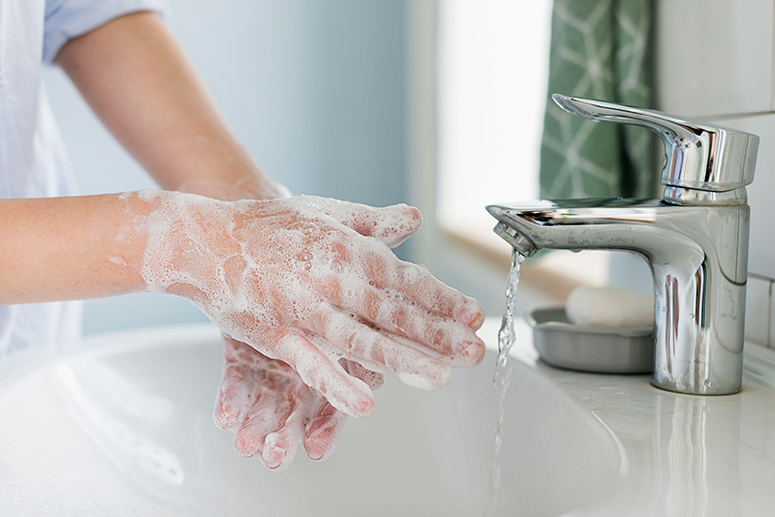
A shared responsibility
Antimicrobial resistance is not caused by one patient, one doctor, or one system. It is the result of small decisions repeated millions of times.
But the opposite is also true. Change can begin with one patient choosing not to self-medicate, one doctor prescribing responsibly, and one pharmacist refusing to dispense without a prescription.
A final reflection
That patient who proudly told me he had treated himself? He listened quietly as I explained the risks. His expression shifted—from confidence to concern.
Before leaving, he said, “Doc, hindi ko na uulitin. (I won’t do it again.)”
That is where hope lies—not in advanced technology alone, but in awareness, discipline, and collective responsibility.
Because the day antibiotics stop working will not arrive suddenly. It will come gradually—one misuse at a time.
And it can be prevented—one informed decision at a time.
Antibiotics: Do’s and don’ts
The fight against antimicrobial resistance is not confined to hospitals or laboratories. It begins in homes, pharmacies, and everyday decisions.
Do:
- Take antibiotics only when prescribed.
- Follow the exact dose and schedule.
- Complete the full course.
- Keep follow-up appointments.
Don't:
- Self-medicate with leftover antibiotics.
- Stop treatment once you feel better.
- Share antibiotics with others.
- Use antibiotics for colds or flu.
- Pressure your doctor to prescribe.
- Not all infections need antibiotics.
Using them when unnecessary does more harm than good.
Bottom line:
Antibiotics are a precious resource. Use them wisely today—so they will still work tomorrow.

WATCH: Is Philippine cinema still thriving? (Generations Ep. 19)
September 2, 2026
WATCH: Do you still believe in marriage? (Generations Ep. 17)
August 19, 2026
WATCH: Discovering Vietnam in three days
June 9, 2026