

What you need to know about donating blood
A simple act can make a life-saving difference. Donating blood may take only a short amount of time, but for those in need, it can mean everything, as it can help them survive emergencies and manage long-term illnesses.
The Makati Medical Center recently made headlines after it switched on the red lights installed on the exterior of Tower 1, signaling that its blood supply is almost out.
"Donors are urgently needed as our blood supply is currently low. Let's give the gift of life as we usher in the new year," the hospital wrote on Facebook.
"For those who wish to donate, the MakatiMed Blood Bank is located at the 2F, Tower 2 and is open from Monday to Sunday, 8:00 a.m. – 10:00 p.m. One blood donation can save up to three lives," they added.
If you're interested in becoming a donor and helping save lives, here's what you should know about donating your blood.
What are the health requirements?

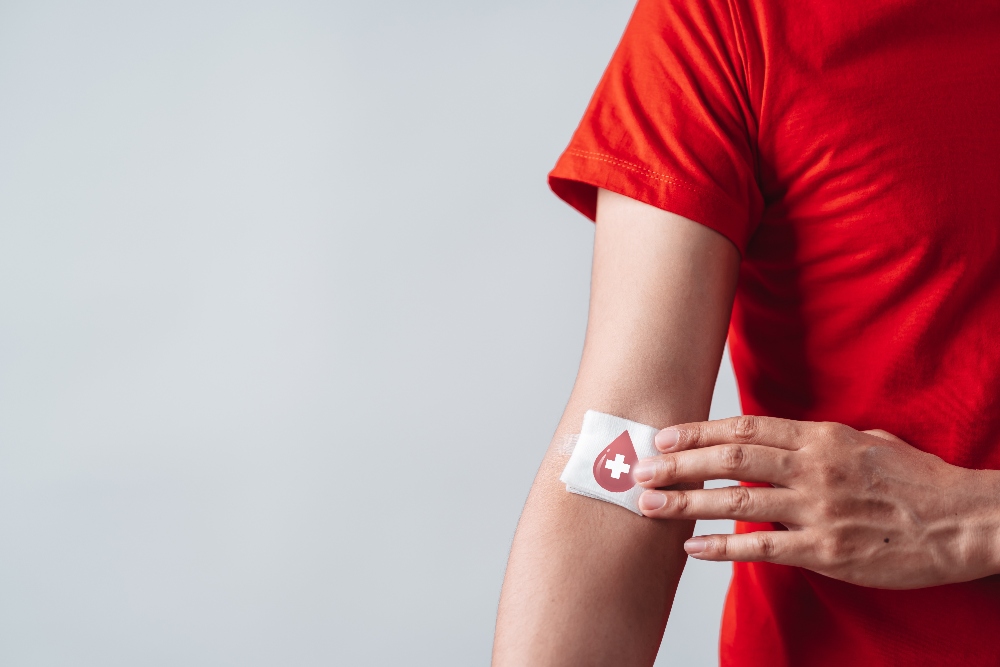
As other people with health issues will be benefiting from your blood, there are some requirements that you must abide by before you can become a donor.
In the case of Makati Medical Center, one of their primary requirements is that you must be in good health and must not have any cough or colds for at least two weeks before donation.
Their other basic prerequisites include:
- Must be at least 110 pounds (50 kilos)
- Must be 18 to 60 years old (Donors 16 to 17 years old need parental written consent)
- No alcohol intake within 24 hours and no smoking for three hours before. Blood pressure between 90/60 mm/hg to 140/90 mm/hg
- With enough rest and at least six hours of sleep
- No operation (minor or major), dental surgery, tattoo, ear piercing, or body piercing for the past 12 months; no dental extraction for the past one month
- Three months' interval from last donation
- No history of cancer (of any type) or diabetes
- Preferably no medication intake (except vitamins); at least two weeks after last antibiotic intake
- No history of illicit drug usage
- No history of hepatitis (of any type), or any sexually transmitted disease(s)
- Not on menstrual cycle/period for female donors
- No sexual contact with high-risk individuals (e.g., commercial sex workers)
- No blood transfusion for the past 12 months
- No rice meal, fatty/fried/oily food two hours before donation. A light meal is
advised (e.g., fruits, biscuits, or bread) - Increase water intake before donation
The Philippine Red Cross, meanwhile, stated that a person who has a tattoo or body piercing can still donate blood as long as a year has passed since the procedure was done. This is also applicable to acupuncture and other procedures involving needles.
According to them, a healthy individual may donate every three months. If you're worried that this may make you weak, they assured that donating 450cc of blood will not cause any ill effects or weakness.
"The human body has the capacity to compensate with the new fluid volume. Further, the bone marrow is stimulated to produce new blood cells which in turn makes the blood-forming organs function more effectively," they explained.
Is the process free?
Republic Act 7719, or the "National Blood Services Act of 1994," mandates all blood collection units and blood banks, and centers to operate on a non-profit basis.
This means that donated blood in the Philippines is fundamentally free, and that selling blood is illegal.
However, hospitals and other medical centers may still require recipients or patients to break open their wallets to pay for the processing fee. This is allowed under the law, as RA 7719 states that medical centers "may collect service fees not greater than the maximum prescribed by the Department of Health, which shall be limited to the necessary expenses entailed in collecting and processing of blood."
The fee is used to cover the costs of donor recruitment, collection, and testing of blood, storage, safe handling, and other processes.
The Blood Service Facility of DOH, in particular, collects a maximum service fee of P1,800 for whole blood, P1,500 for packed red blood cells, and P1,000 for other blood components such as platelet concentrate, fresh frozen plasma, cryoprecipitate, and cryosupernate.
If you cannot afford the processing fee, legitimate indigent clients can avail programs that would waive them, such as the Red Cross' Blood Samaritan Program. This is a fundraising project that supports patients by giving discounts partially or fully.
Benefits of donating blood
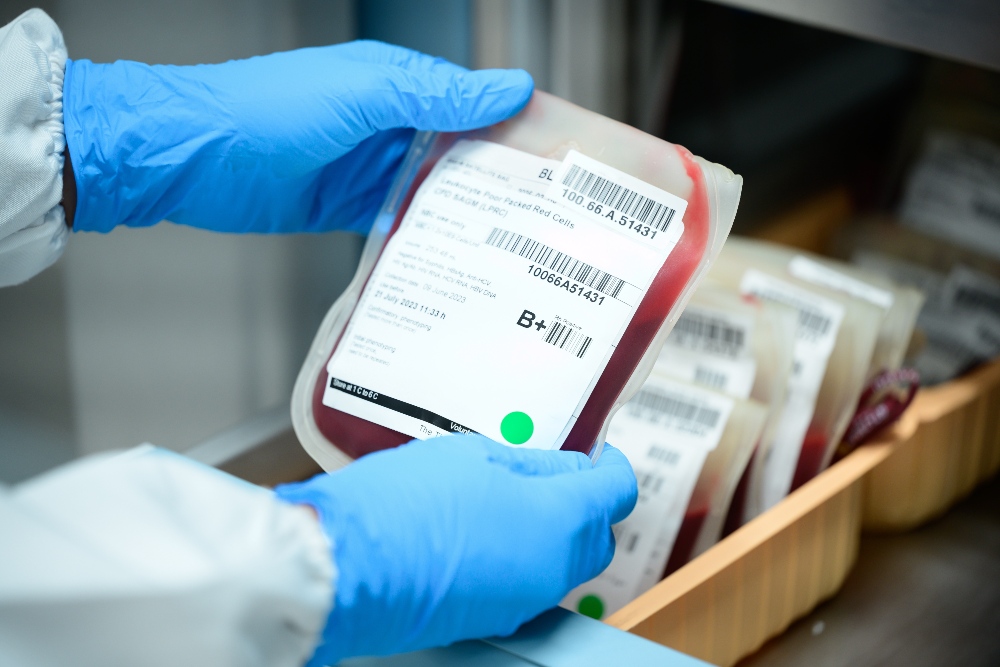
Depending on the center, there are several benefits that blood donors can enjoy during donations.
The Makati Medical Center highlighted that before donating blood, you’ll need to undergo a medical check-up to make sure that you’re healthy enough to be a donor, allowing you to have a free health checkup and pathology test to know if you have potential health issues early on.
Donating blood also helps you reduce the risk of heart and liver diseases brought about by iron overload, lower the risk of cancer, develop new blood cells, maintain your body weight, and lower cholesterol level, among others.
As for other benefits, the DOH told PhilSTAR L!fe that RA 7719 allows and encourages providing non-monetary incentives to volunteer blood donors.
"Karamihan sa mgaospital at blood service facilities ay nagbibigay ng mga tokens, snacks, o recognition para sa kanila, pero ang donor card ay record of identification lamang, at hindi ito guarantee na mayroong kapalit ang dugong na-donate," the health agency said.
Where to donate blood
You can donate blood in the Philippines at PRC centers, major hospital blood banks such as the Makati Medical Center, Philippine General Hospital, St. Luke's Medical Center, and more, or during community blood drives organized by these entities and local government units.
If you're looking to donate through PRC, they have national blood centers located in Mandaluyong City and Port Area in Manila.
PRC said that the whole process of blood donation, from registration to recovery, will only take an average of 30 minutes.
"The blood extraction will take about five to 10 minutes. The blood volume will start replenishing within 24 hours. Theoretically, by the end of the month, the body will have the blood status before the blood donation," they said.
Disclaimer: This article is not meant to replace professional medical advice. Always consult your doctor for any questions you may have.

WATCH: Is Philippine cinema still thriving? (Generations Ep. 19)
September 2, 2026
WATCH: Is OPM still as good as it used to be? (Generations Ep. 20)
September 9, 2026