

Mastering the wave
It is magical to watch surfers gracefully slice through a wall of water or glide easily above the lip of a wave. For decades, the sport was fueled entirely by raw instinct, natural talent and the whim of the ocean. But beneath that effortless facade lies a complex blend of physical forces.
Modern competitive surfing has evolved into a high-stakes Olympic sport, and few understand the mechanics behind this athletic shift better than Allan Derecho, head coach of SPF Surf School in Siargao and an ISA Level 2-certified judge who officiates at national-level competitions. Through years of coaching and evaluating surfers at a competitive level, he has witnessed firsthand how the sport has evolved from a laid-back beach lifestyle into a discipline that demands athleticism, precision, and structured training.
THE PHILIPPINE STAR: What are the primary physical demands of competitive surfing that the average person might not realize?
ALLAN DERECHO: Modern competitive surfing demands far more than simply riding waves. Surfers need to understand how nature works to maximize their skills. Athletes need exceptional endurance for paddling, explosive power for fast pop-ups and maneuvers, balance and coordination on constantly moving surfaces, as well as mental resilience under pressure. A single heat can require repeated bursts of maximum effort, making surfing one of the most physically demanding sports in the world.
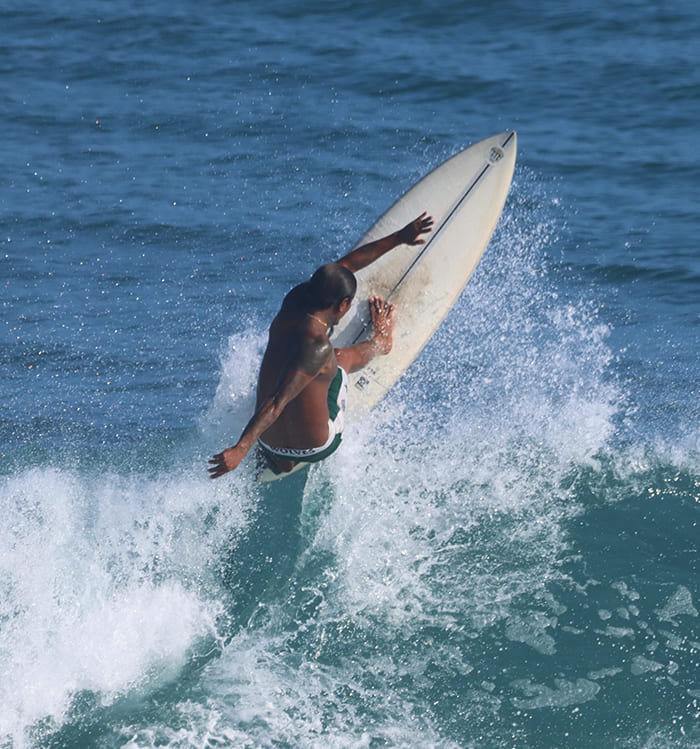
When an athlete executes an explosive turn or lands a massive aerial, what kind of forces are their joints and core absorbing? How do you prepare your body for that kind of impact?
During powerful turns and aerial landings, surfers absorb significant forces through their ankles, knees, hips, spine and shoulders. The core acts as the body’s central stabilizer, transferring and absorbing energy while maintaining control. To prepare athletes for these demands, we focus on strength training, mobility work and stability exercises that teach the body to produce force efficiently and absorb impact safely.
CONTINUE READING BELOW

What are the most common injuries surfers face, and how does structured conditioning act as a form of “functional armor” against them?
Common surfing injuries include shoulder overuse, injuries from paddling, lower back pain, knee strain, ankle injuries and muscle imbalances caused by repetitive movements. Structured conditioning serves as functional armor by strengthening the muscles that support the joints, improving mobility, correcting imbalances and enhancing overall body awareness. A well-conditioned athlete is not only stronger but also far more resilient against injury.
You emphasized to my aspiring surfer daughters that they need to practice their “pop-ups” on dry land every single day. Why is this specific movement so foundational, and what happens to an athlete’s performance when it becomes automatic?
The pop-up is one of the most important movements in surfing because it connects paddling to wave riding. Every fraction of a second matters. When a surfer practices pop-ups consistently, the movement becomes automatic and efficient. This allows the atlete to focus entirely on reading the wave and executing maneuvers instead of thinking about the mechanics of standing up.
In the middle of a heavy wave, there is zero time to think about foot placement or weight distribution. How does daily repetition on land train the body to react instantly when a surfer finally paddles into a heat?
Repetition builds neural pathways that allow movements to become instinctive. Through daily practice, the central nervous system learns to recognize patterns and execute movements without conscious thought. This process, often referred to as muscle memory, allows surfers to react instantly under pressure and make split-second adjustments when conditions become challenging.
What are a few non-negotiable land-based movements every surfer should integrate into their routine to build a body for the sport?
Every surfer should incorporate squats, lunges, rotational core exercises, pull-ups, push-ups, balance drills and mobility training into their routine. These movements develop strength, power, stability and movement quality while helping athletes maintain healthy joints and prevent injuries over the long term.

Filipino surfers are world-renowned for their raw talent and natural “feel” for the ocean. How do you blend that beautiful, innate island instinct with the rigid structure, routine and discipline required of a national athlete?
Natural talent and ocean awareness are incredible gifts, but talent alone is not enough at the elite level. Our goal is to preserve that instinctive connection to the ocean while building discipline through structured training. When athletes combine natural ability with consistency, professionalism and preparation, they unlock their full potential and become truly competitive.
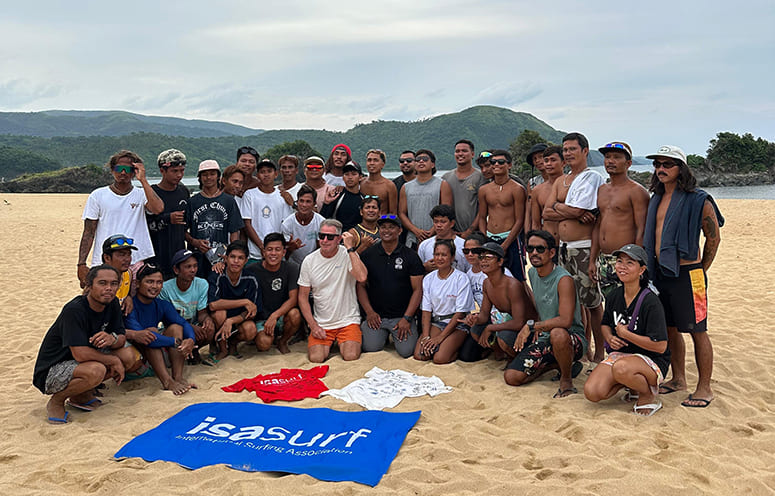
For fitness enthusiasts, everyday athletes, or young surfers looking up to the National Team, what is the ultimate piece of advice you share to ensure their training improves their lifestyle out in the water rather than leading to overtraining or injury?
Train with purpose, not ego. Progress comes from consistency, proper recovery and quality movement; not from pushing your body to exhaustion every day. Listen to your body, respect the recovery process, and focus on long-term development. The goal is not just to become a better surfer, but to build a healthy, durable body that allows you to enjoy the ocean for a lifetime.

WATCH: How to experience Bangkok and Kanchanaburi in one trip
October 21, 2026