

What are the best ways to cure a hangover? Bartenders, gastroenterologists share tips
What's coming after having one too many drinks? Probably a hangover.
Indulging in too much alcohol can come with consequences—some more immediate, like hangovers. The day after a night in the club may often leave you with unpleasant symptoms such as a headache, dizziness, and low tolerance to light and sound.
Unfortunately, there's no real cure for a hangover, but there are remedies to ease the annoying aftereffects. For instance, in Korea, convenience stores are lined with jelly sticks to get rid of post-drinking pains. One of these hangover solutions, Condition PH, is available in the Philippines, offering a quick fix to headaches and other symptoms.

According to gastroenterologist Dr. Jose Luis Sollano, most hangover sticks contain extract from an oriental raisin tree known as Hovenia dulcis, which has a key metabolite called dihydromyricetin or DHM. "This ingredient has actually been studied in medical research and not just marketed as a supplement," he said in an interview with PhilSTAR L!fe, noting that product-based trials have shown reductions in blood alcohol levels within about 20 to 40 minutes. He added that DHM appears to "help lower acetaldehyde levels, which is really the compound responsible for many hangover symptoms."
Champion bartender Abby Quilal-lan, who is behind The Grasshopper Bar, Runa Sake Cocktail Bar, and Salt and Ice Bar, shared with L!fe that she has tried hangover sticks. "Some taste gross, but some taste really good. Most importantly, they work for me," she said.
CONTINUE READING BELOW

Both the gastro and the bartender shared it's best to take these sticks before or while drinking. However, Dr. Sollano noted that while they may have real metabolic effects and "are reducing and not simply masking symptoms," they are still not magic. "They do not cancel out alcohol, and they are not a free pass to drink excessively."
Per Dr. Sollano, there are smarter, more reliable ways to avoid hangovers.
Hangover remedies
Did you drink too much during your last night out with friends and want to deal with hangovers better next time? PhilSTAR L!fe asked doctors and bartenders to share their top tips for preventing and nursing hangovers.
When we talk about hangovers, Dr. Sollano said it really comes down to what alcohol does inside the body. "Alcohol is broken down in the liver into acetaldehyde, which makes you feel awful the next day," he explained. "The headache, nausea, flushing, and brain fog are largely related to acetaldehyde buildup. At the same time, alcohol dehydrates you, disrupts your sleep, irritates your stomach lining, and throws off your electrolytes. So, a hangover is not just one single problem—it's dehydration, inflammation, and chemical stress happening all at once."
Hydrate before, during, and after a session
Gastroenterologist Dr. Augusto Galang suggested drinking about half a liter of water before and after consuming alcohol and about 250ml in between drinks.
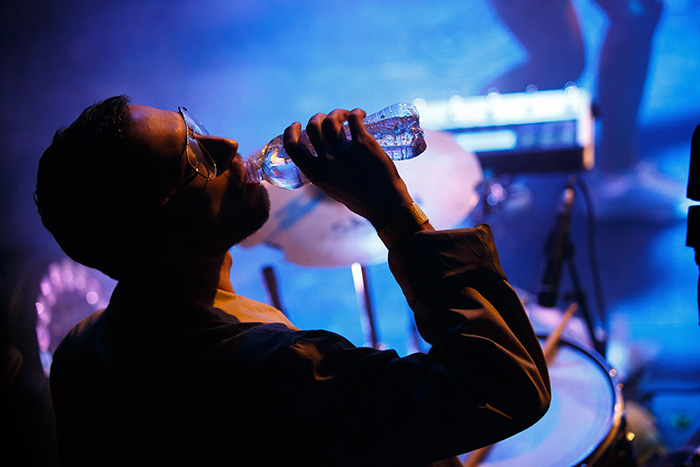
"Alcohol causes diuresis (increased urine excretion), causing dehydration and electrolyte loss. In this regard, oral rehydration solutions containing electrolytes are better than plain water," he said.
Champion bartender Lennon Aguilar, a former 1834 Premium Distilled Gin brand ambassador, shared that if you find water "boring," try coconut water or chicken noodle soup. "It will bring back the lost salt and potassium in your system. Chicken Binakol or Pork Sinigang will do justice for me. That's instant comfort."
Quilal-lan likewise recommended drinking buko juice or Pocari Sweat.
Eat before and after drinking
"Having a meal before drinking alcohol slows down gastric emptying, reduces peak alcohol blood concentration, and stabilizes blood sugar levels. Meals containing complex sugars and protein with fats (e.g., meat, eggs, cheese) are the best choices," Dr. Galang said.
"After an exhausting night out, a good, hearty breakfast will replenish a dehydrated system and get calories back into your body," Aguilar added.
Quilal-lan shared that some dishes you can eat after drinking are hot soups like sinigang or kimchi jigae.
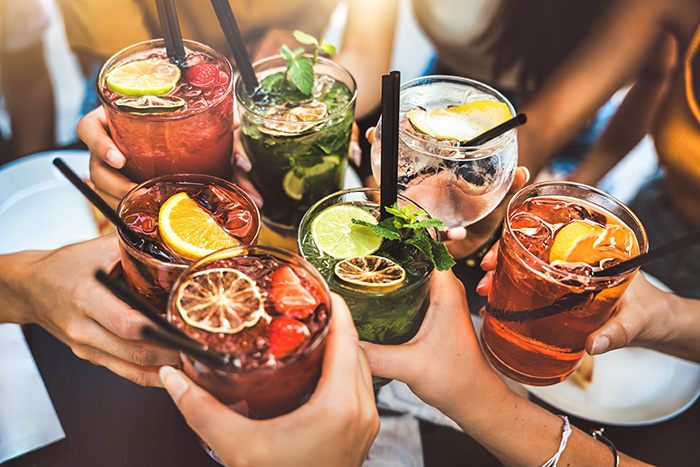
Avoid sugary or sweet cocktails
Aguilar suggested avoiding sugary or sweet cocktails, as they are known to mess with your blood sugar levels and leave you drained the next day. "They look amazing, but sugar can make your hangover worse."
Galang noted that clearer drinks like soju, white rum, vodka, and gin are associated with a lower risk for hangovers as they produce fewer toxic metabolites.
Whisky, brandy, dark rum, red wine, and tequila, on the other hand, are associated with a higher risk.
Get enough sleep after drinking
Catching up on sleep is also important as it can reduce headaches and fatigue.
"Consider stopping alcohol exposure at least three hours before sleep because alcohol may fragment sleep and may worsen cytokine-mediated hangover symptoms," Dr. Galang said.
Take medicines
Dr. Galang added that some medicines can also help manage indicators.
"Hangover symptoms like headache can be mediated by prostaglandins and may be reduced by taking NSAIDs (like Ibuprofen) before sleep," he said. "However, caution is advised in taking this in patients with chronic kidney disease, or those with gastritis or a history of peptic ulcer."
Listen to your body
"There's only one surefire way to avoid a hangover: Know your limits! Drink moderately and responsibly," Aguilar told L!fe.
"Remember, too, that while there are effective hangover remedies, we all have different body types and health conditions, so what works for one person might not work for someone else," he continued. "You have to listen to your body and give it what it needs."
Disclaimer: This article is not meant to replace professional medical advice. Always consult your doctor for any questions you may have.

WATCH: Can you still trust someone who betrayed you? (Generations Ep. 22)
September 23, 2026
WATCH: LGBTQIA+ people with unlikely professions
June 28, 2026
WATCH: Is OPM still as good as it used to be? (Generations Ep. 20)
September 9, 2026
WATCH: Can we talk about death and grief? (Generations Ep. 25)
October 14, 2026