

Vulnerability is the price we pay for a support system
One of my friends only returns home to Bohol every few months since he started attending college in Cebu. Every time he does, he gathers people from junior high and insists on an outing. Most times, it’s a potluck, with everyone bringing food or gathering beforehand to buy groceries together. From the outside looking in, it is a lot of work. He plans and organizes, messages people who may or may not be in Bohol (Luzon, Visayas, Mindanao—you name it, and one of us is there, doing God knows what), and even picks us up and drops us off himself, one by one.
I never ask him why he keeps at it, but it’s obvious in retrospect. That’s just the amount of work we have to do to keep people in our lives, especially since we no longer have the crutch of sharing the same classes.
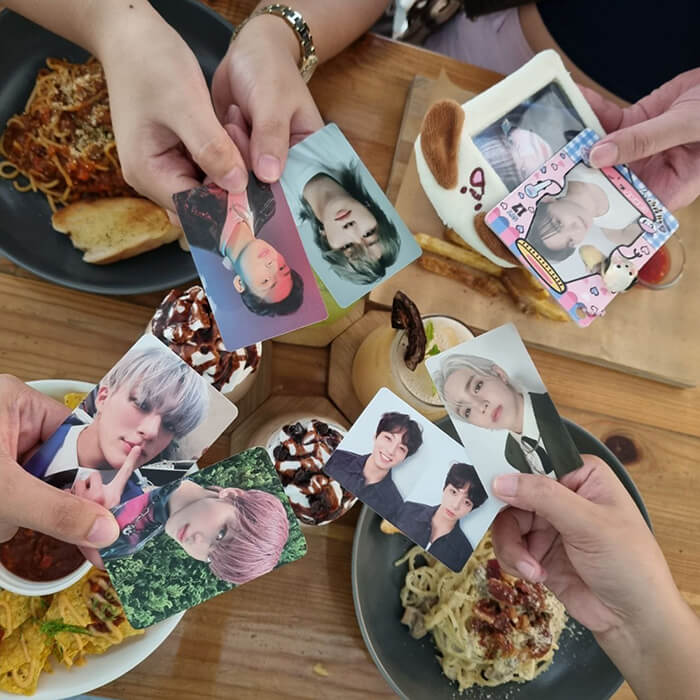
As the new generation of young adults dips their toes into the uncertain ocean of adulthood, a plethora of new questions pop up: How are friendships maintained, and how far should one go to maintain them?
Hyperindividualism, while originating as a Western concept, has been instilled in Filipino young adults through repeated exposure in mainstream media. While studies suggest that this—as well as the tendency toward extreme consumerism and social isolation—began with millennials, it seems to have trickled down to the generations after them.
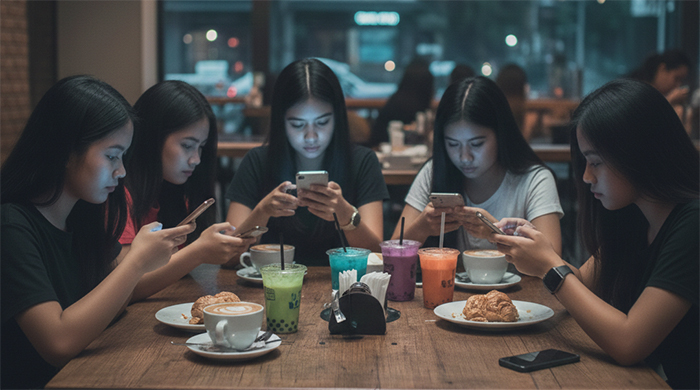
There are plenty of ideals to aspire to when watching popular media. We see picture-perfect friend groups in sitcoms, ideal friendships on film, and the final episode of a beloved series bringing the entire cast together to celebrate a big milestone. Human beings are social animals; even in the digital age, our need for connection is prominent in how social media not only mimics but also perpetuates social interactions. See birthday greetings on Instagram Stories, TikTok streaks as a sign of a “low-maintenance friendship,” and tweets instead of daily catch-ups.
We expect the ideals we see on TV and film, or at least want to replicate them. More often than not, however, we see none of the work required to make sure these relationships last. It becomes a matter of course to just expect. It’s not wrong to want, but it’s also becoming more common to hold this presumption while not once showing up for others. While we consume other people’s time, we very rarely consider that our own time must be expended for others.
CONTINUE READING BELOW

Now that we no longer have the crutch of being in school with our friends, how far should we go to maintain our friendships?
Of course, the cornerstones of individualism have their uses; in a less extreme form, it encourages personal agency and prioritizes self-actualization, and boundaries are more easily defined when provided with the language required to draw them. Unfortunately, hyperindividualism becomes a problem once it distorts the original rhetoric of personal fulfillment. We place it on such a high pedestal that it ignores any call for social accountability, especially since it is often evoked at the expense of community and the collective. Some hyperindividualist girlboss (“You don’t need anyone to succeed!”) and mental health (“You don’t owe anyone anything; you should always put yourself first!”) trends operate with the assumption that there’s no room for empathy and understanding for others while on the journey toward self-love.
In this vein, we’ve begun seeing our relationships as transactions meant to lead to our individual success rather than the support systems they’re supposed to be. We’ve started turning people into capital and friendships into connections. This thinking fosters a lack of compassion, which makes people less likely to understand and tolerate those who do not share the same experiences or live the same truths. Conversations that are supposed to help people reach understanding, if not agreement, are automatically considered emotional labor they refuse to perform. This, unfortunately, narrows their perception of not only people but society—especially if they already expect everyone to be agreeable at first meeting instead of actually putting in the work to get to know them.
I’m not exempt. For a long time, it was easy to fall back on the conclusion that all the decisions I made came from a place of protecting myself. It’s undeniable that it’s comfortable; hyperindividualist rhetoric makes it easier to dodge accountability for the things I did or didn’t do. It’s more tolerable that way.
Unfortunately, the truth is that for most social connections, there will always be some kind of struggle and discomfort involved. It’s a side effect of vulnerability—offering the tenderest parts of yourself for inspection is daunting, regardless of context. Meeting friends sometimes impinges on time for rest; events sometimes mean moving your schedule around; and proper communication requires empathy. I wouldn’t be with the support system I have now—people with all sorts of experiences and backgrounds—had I not taken the first step.

One piece of advice that’s always been relevant, no matter the age of the recipient, is to build a solid support system, and this is especially true when forming new connections as an adult. It’s just unfortunate that the behind-the-scenes work isn’t always apparent; in order to build a support system, one must sometimes step out of one’s comfort zone and risk discomfort. My friends now are people I’ve shared so much of myself with, and in return, they’ve shared parts of themselves with me. The same people I’ve had disagreements with at some point in our relationships are now the same people whose seats are ensured at every table I find myself at—in fact, the same friend I mentioned at the beginning was someone I argued with over something as childish as shoe insoles when we were in ninth grade.
The notions of hyperindividualism, exacerbated by the media and the ideas that raised us, are sometimes deterrents to the lasting relationships we want to foster. The message of honoring our autonomy and valuing our independence also has to come with the desire to offer up the most tender parts of ourselves to build community. We have to put in the work, too: we have to show up to the function. It means remembering birthdays, sitting down and suffering through small talk, and rearranging time slots to account for other people’s comfort and schedules. Most of all, it means bracing ourselves for rejection to get to the place we want to go—sometimes, no matter how many plans are stretched and dates rearranged, it’s just impossible to make them align, or you simply don’t click, no matter how much you try.
In the end, the discomfort of vulnerability is the price we have to pay for connection.

WATCH: Do you still believe in marriage? (Generations Ep. 17)
August 19, 2026
WATCH: LGBTQIA+ people with unlikely professions
June 28, 2026
WATCH: Save for retirement or enjoy life now? (Generations Ep. 21)
September 16, 2026