

LIST: Where to get First Aid, CPR, and Basic Life Support training
Knowing what to do during a medical emergency is critical, as it can make a big difference in saving a person's life.
The recent drowning incident that claimed the lives of two Ateneo student-athletes Rene Baterbonia and Divine Adili has highlighted this concern.
In an interview with GMA Network's On Record, Aurora Police spokesperson PMaj. Lorena Bautista said that Baterbonia and Adili's bodies were recovered from the waters nearly one hour after the incident. Responders immediately administered cardiopulmonary resuscitation and other measures. However, the lives of the two athletes were still lost, with autopsy reports revealing they died from asphyxia due to drowning.
While professional responders remain essential, ordinary citizens trained in CPR and first aid can provide critical assistance in the moments that matter most.
CPR is a lifesaving skill that anyone can learn, and when performed correctly and promptly, it can help save a life before professional help comes.
Fortunately, several institutions in the Philippines offer accessible and affordable training programs for these skills. Here are some of them:
The Philippine Red Cross
CONTINUE READING BELOW

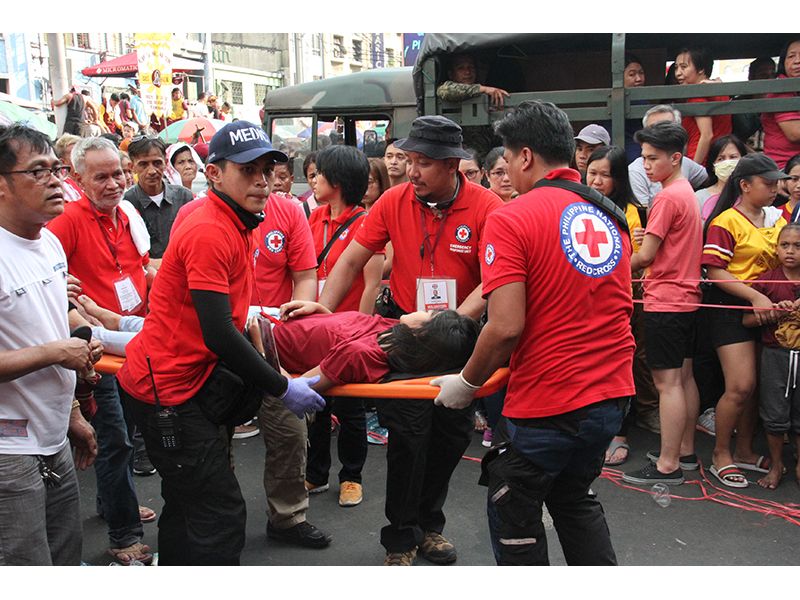
Red Cross remains one of the country's most recognized providers of first aid and emergency response training. Through its local chapters nationwide, it regularly conducts courses designed for individuals who want to learn how to respond to medical emergencies.
Among its offerings is the Standard First Aid and BLS CPR/AED Training program, which combines online learning with practical skills development. The course aims to equip participants with the knowledge, skills, and confidence needed to provide first aid and basic life support in real-life situations.
Participants can complete the theoretical component through a blended learning format, allowing them to study at their own pace and access course materials online from virtually anywhere.
The program, which costs P3,000, includes one month of online access, a DOLE-recognized Certificate of Completion valid for two years, and an onsite practical assessment at participating Philippine Red Cross training facilities.
As of writing, the organization's Quezon City and Rizal Chapters are offering training this June. Refer to their Facebook pages for details.
Philippine Heart Association
For those seeking formal CPR and Basic Life Support instruction aligned with healthcare standards, the Philippine Heart Association (PHA) offers its Basic Life Support Module. The program is designed for healthcare workers, allied health professionals, and individuals who require formal BLS certification.
The training, registered with the Department of Health, begins with online didactic video lectures that introduce participants to the principles and techniques of Basic Life Support.
Interested trainees must first organize or join a training group and coordinate their preferred training schedule. Registrants are enrolled through the PHA LearnCPR platform, after which the PHA Secretariat processes applications and grants access to online learning materials.
After completing the online lectures, participants attend a face-to-face workshop, examinations, megacode exercises, and final evaluation before certificates are released. Schedule: Online lectures for three to seven days followed by a workshop within one month; certificates are released after three to four weeks of evaluation.
You may check their PHA's training website for more details.
Life EMS Academy
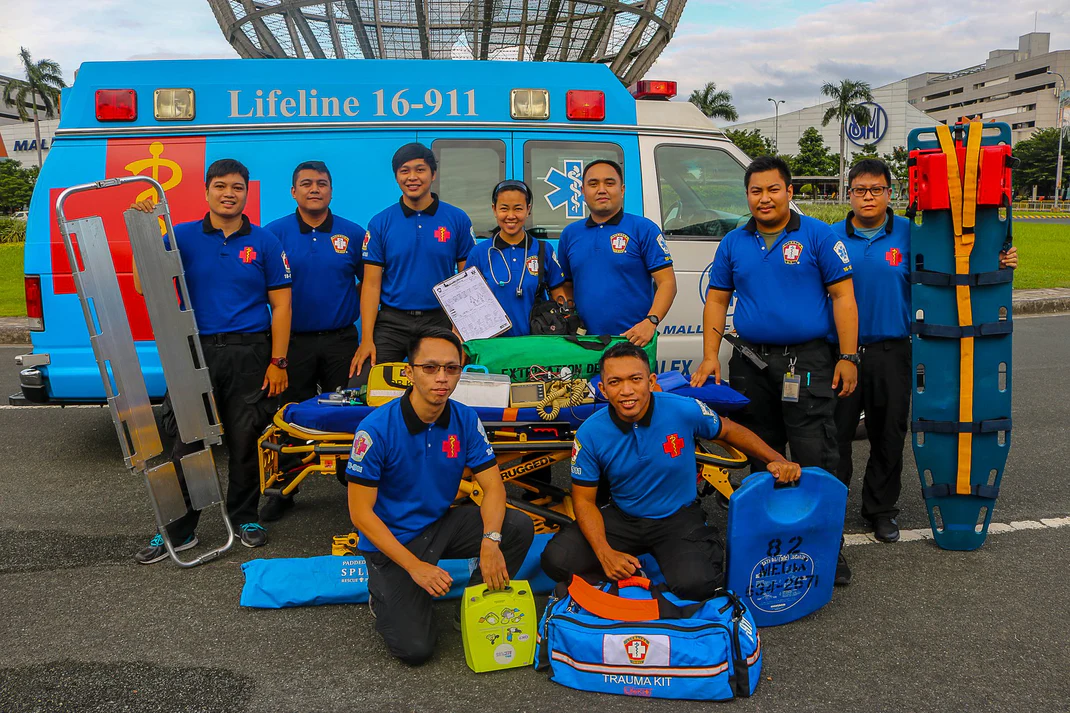
Based in Makati City, Life EMS Academy is a training institution specializing in emergency medical services education. It caters to individuals, businesses, and organizations seeking practical emergency response training.
Its DOLE-accredited Emergency First Aid and Basic Life Support course focuses on real-world scenarios and hands-on instruction. Participants learn how to respond effectively to common medical emergencies that may occur at home, in workplaces, or in public spaces.
The academy's programs are suitable for beginners who want foundational emergency response skills as well as organizations looking to comply with workplace safety requirements. Training sessions emphasize practical application and confidence-building.
The one-day training program, which costs P1,500 per participant, runs for eight hours every Friday and is recommended for individuals or organizations with nine or fewer employees. For larger groups of 10 to 50 employees, they may avail of a more extensive two-day program at P2,500.
Apart from Life EMS Academy, DOLE also has other accredited first aid training providers. Check out the list here.
What to do
In case of emergencies, DOH promotes a simple and easy-to-remember framework called S.A.G.I.P. to help ordinary citizens respond.
The acronym outlines the basic steps a bystander should take when encountering someone in cardiac arrest or a similar life-threatening situation. It stands for:
S – Survey the scene and check the situation
A – Assess the victim
G – Get help. Call 911 or your local emergency hotline
I – Initiate chest compressions
P – Place Automated External Defibrillator pads if available

WATCH: Is Philippine cinema still thriving? (Generations Ep. 19)
September 2, 2026