

EXPLAINER: What is pericarditis and what are its warning signs?
A few days after passing out during a gig, Gigi de Lana revealed she's dealing with pericarditis.
According to the singer, her health condition makes her experience sudden chest pain or attacks "that can come randomly."
"It can be uncomfortable and scary at times," she opened up in a Facebook live video, assuring her supporters that she's doing fine and is being monitored closely by her doctors.
"Healing from this condition takes patience. Some days are better than others, but recovery is a process, and I'm taking it one step at a time," she continued.
Pericarditis: What it is
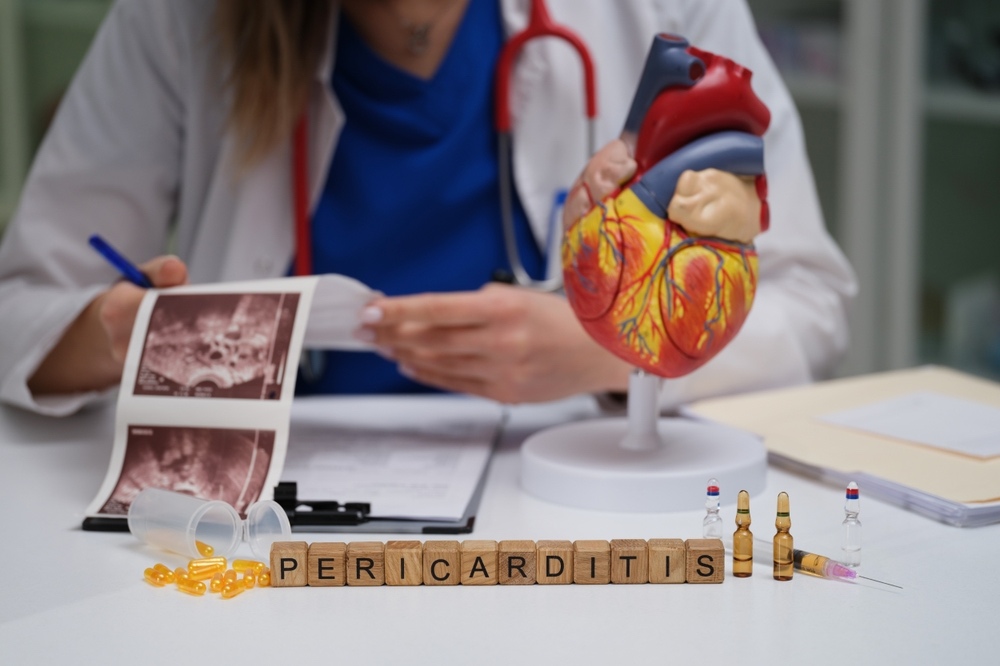
Per cardiologist Dr. Marcellus Ramirez, pericarditis is the inflammation of the pericardium, which is the space surrounding or covering the heart.
CONTINUE READING BELOW

"Normally, that space contains a little fluid around 50 ml, and in certain conditions, that pericardial fluid increases in volume. Any condition that leads to inflammation there will lead to pericarditis," he told PhilSTAR L!fe.
The most common cause of pericarditis is a viral infection. "Sometimes, bacterial infections can also be the culprit. In the Philippines, tuberculosis may be an important common cause," he said.
Other causes include metabolic conditions like uremia (renal failure), autoimmune diseases, rheumatic conditions, post-myocardial infarction (heart attack), and post-heart surgery.
Dr. Ramirez noted that certain conditions, such as hypothyroidism and malignancy, can lead to pericardial effusion (increased fluid), which may also result in pericarditis.
How dangerous is it?
According to the cardiology expert, anyone who has viral infection may be at risk for the disease, though the immunocompromised, elderly, and cancer patients are more prone to it.
It's important to be aware of its warning signs and symptoms, which may include chest pain, back pain, difficulty breathing, fever, and body malaise. "In severe cases where there is a massive amount of fluid, it may lead to shortness of breath, hypotension, or cardiovascular collapse," Dr. Ramirez said. "Massive fluid can lead to tamponade, which can cause cardiac arrest."
Per Dr. Ramirez, the severity of pericarditis can range from mild, which may be managed by supportive measures and medical treatment, to severe, which might need interventions such as pericardial fluid drainage or pericardiostomy. "In some cases, surgery may be necessary," he added.
To prevent it, the cardiologist said proper supportive care and rest are important, as they can keep one's immune system in check.
Disclaimer: This article is not meant to replace professional medical advice. Always consult your doctor for any questions you may have.

WATCH: Can you still trust someone who betrayed you? (Generations Ep. 22)
September 23, 2026