

From dumpsite to dreamscape: Mayor Joy Belmonte’s circular revolution in Payatas
There is a profound power in the places we choose for new beginnings. On Oct. 23, Quezon City Mayor Joy Belmonte stood not in a sterile conference room, but on ground thick with memory and symbolism—a reclaimed section of the vast Payatas Controlled Disposal Facility, once a mountain of garbage, tragedy, and survival. Here, amid echoes of the past, she led the groundbreaking ceremony for “Unang Habi: Weaving Circular Futures Together,” the country’s first Circularity Hub.
This pioneering project—a partnership between the Quezon City Government and Anthill Fabric Gallery of Cebu, with support from Pilipinas Shell Foundation and Maybank Philippines—is far more than a building. It is a living declaration of a new urban philosophy: that sustainability, inclusion, and creativity can be interwoven into one resilient fabric.
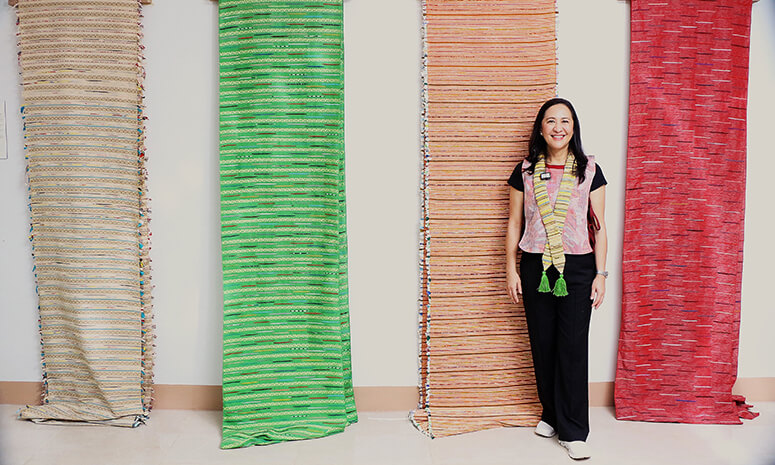
In a world drowning in excess, where the fast-fashion industry ranks among the top global polluters, this hub dares to reimagine waste as raw material for renewal.
Globally, over 92 million tons of textile waste are generated each year. In Quezon City alone, about 2,500 tons of waste are collected daily— much of it textiles. This hub transforms these grim statistics into opportunity.
Mayor Belmonte’s environmental leadership is no accident. Her city-wide “No Plastics” policy has already set a national precedent, and the Circularity Hub extends her advocacy even further—linking sustainability with social justice, women’s empowerment, and cultural heritage.
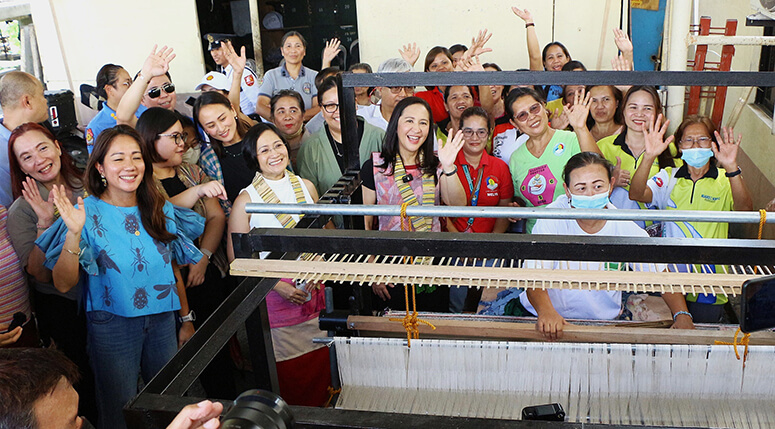
“This is a testament to our commitment to build a sustainable and inclusive future for every Quezon City resident,” she declared. “We are not just managing waste; we are reimagining it. We are creating a city where nothing is wasted and everyone is empowered.”
CONTINUE READING BELOW

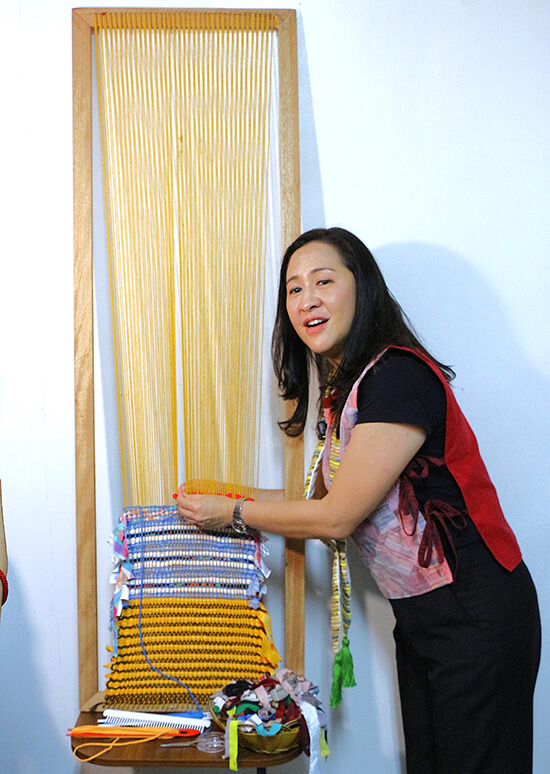
During the event, Mayor Belmonte stood beside a traditional loom, trying her hand at weaving. With a smile, she quipped, “I already have a new sideline.” The gesture was more than lighthearted—it symbolized leadership grounded in empathy, literally weaving herself into the narrative of community renewal.
At its heart, the Circularity Hub is pro-women, pro-poor, and proudly Filipino. It will serve as a training, production, and trading center—a place where discarded textiles are reborn into beautiful, marketable products. Its focus: the women of Payatas, a community long defined by proximity to the city’s refuse and by its struggle against urban poverty. Now, they are no longer scavengers of leftovers but artisans of transformation.
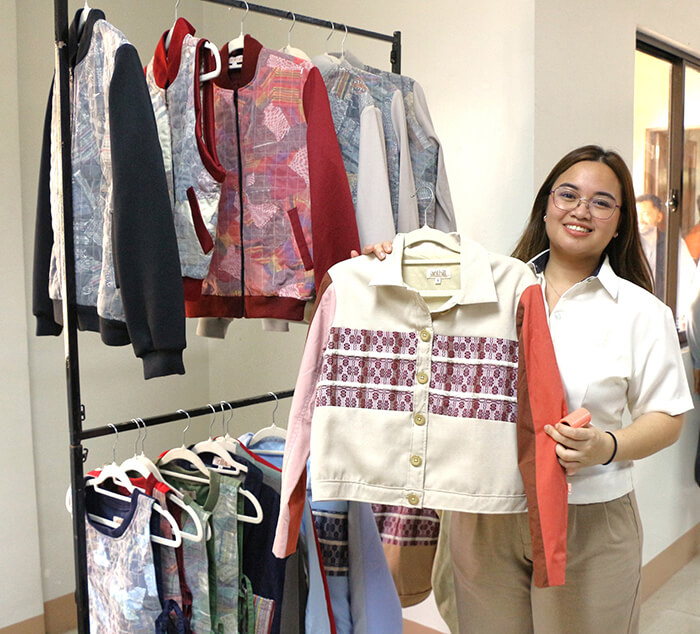
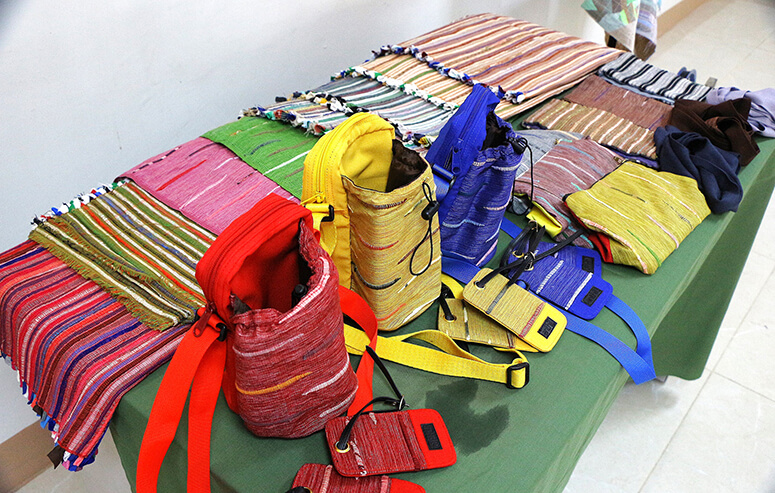
Through structured partnerships, the hub’s women weavers will receive intensive training in sorting, cleaning, and weaving. Discarded jeans may be spun into sturdy bags, T-shirt scraps reborn as reversible belts or vibrant jackets. Every piece will carry the story of renewal—waste transmuted into worth.
For 52-year-old single mother of two and former OFW Marlen Cabiles, the change is deeply personal. “Thank you for this opportunity,” she said. “I don’t have to leave my children again to work overseas. I now have a good livelihood here at home.”
Her words embody the project’s true purpose—economic empowerment woven from compassion and ingenuity.
The location itself completes the story’s poetry. Once the infamous Payatas dumpsite, a site of one of the country’s most painful urban disasters, this land is now being reborn. Plans for open spaces, a bike park, and agriculture complement the Circularity Hub. Transforming what was once a wasteland into a thriving ecosystem of life and livelihood. Mayor Joy Belmonte even mentioned that it could become a tourist destination, too.
This transformation proves that innovation need not always spring from high-tech laboratories. Sometimes, the solutions are as simple—and as profound—as human hands guided by vision.
The Quezon City Circularity Hub stands as both monument and metaphor: proof that even from what we discard, we can build a future that is sustainable, inclusive, and undeniably beautiful. Each thread woven at Payatas carries a message of resilience: that from the fibers of hardship, a stronger, more dignified nation can emerge.
Indeed, every unang habi (first weave) marks not an end, but a beginning.

WATCH: Is Philippine cinema still thriving? (Generations Ep. 19)
September 2, 2026