Practical energy-saving tips from mechanics and repair experts
With fuel prices on the rise and summer just around the corner, energy consumption is expected to increase.
Meralco, on March 10, increased its power rate by P0.6427 per kilowatt hour for March 2026, bringing the overall rate for a household up to P13.8161 per kWh.
With the hot weather, energy use can add up quickly whether you’re at home, in the office, or on the road—especially as fuel, and maybe other costs, are expected to rise amid the Middle East conflict.
PhilSTAR L!fe asked mechanics and repair experts to share practical tips to help you save electricity and fuel efficiently, without compromising comfort or convenience.
Energy-saving tips for home and office appliances
Refrigerator
Zac, a technician from Care Home Phils., said that you can set the refrigerator to a medium level—usually between 3 and 4, depending on the model. He advises against setting it to a high level unless necessary, as this consumes more energy and results in a higher bill.
He added that too-high temperatures can spoil food, while too-low temperatures can freeze items like fruits and vegetables, which may ruin their texture.
CONTINUE READING BELOW

Ryan Duran, an all-around repairman, also advises against frequently opening the fridge.
"Kapag madalas ang bukas-sara ng ref, makakadagdag [sa] consumption ng electricity dahil ang temperature ay nababawasan, kaya ang mangyayari ay mag-start ulit ang compressor para ma-reach niya ang temperature na required na cooling. After ma-reach ang tamang temperature, kusang mag-shutdown ang compressor," he explained.
When defrosting, Zac said users should turn off or unplug the refrigerator and leave the door open to hasten the process. Next, remove all food and let the ice melt naturally. Avoid poking it, as this can damage the evaporator or freezer wall. Make sure the tray or basin is intact to catch the water from defrosting.
After defrosting, clean the refrigerator with a sponge or a clean cloth using warm water mixed with a little baking soda and mild dishwashing liquid. Avoid using harsh chemicals. Ensure that it is completely dry before returning the food.
Washing machine
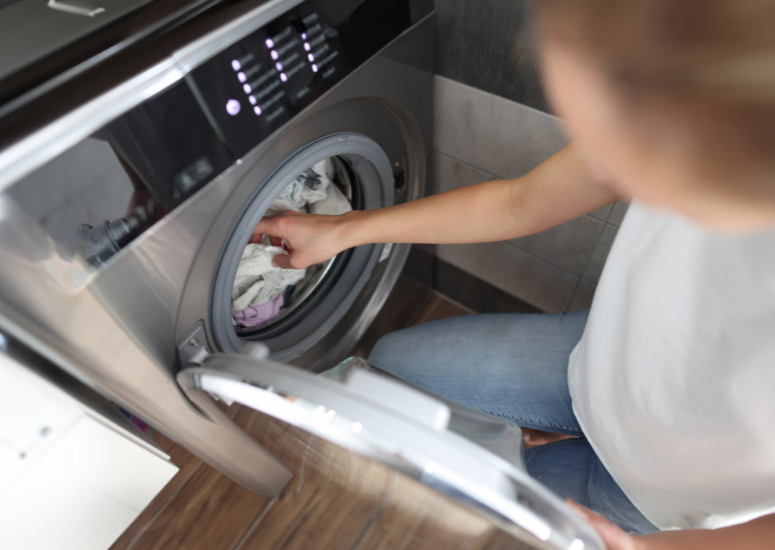
Zac suggests using the normal wash or eco mode on your washing machine. He also advises against a long washing cycle if it's not needed.
Duran echoed this, saying you shouldn't overload the washing machine. "May required kgs lang ang capacity ng tub ng washing (machine), kung puno, mahihirapan ang motor at maaaring bumigay ang capacitor o ang motor," he said.
He added that regular cleaning after every wash is important. "(Linisin) pagkatapos gamitin para 'di tumigas ang mga excess powder na nagko-cause ng pagkabulok ng body ng washing machine," he explained.
Electric fan
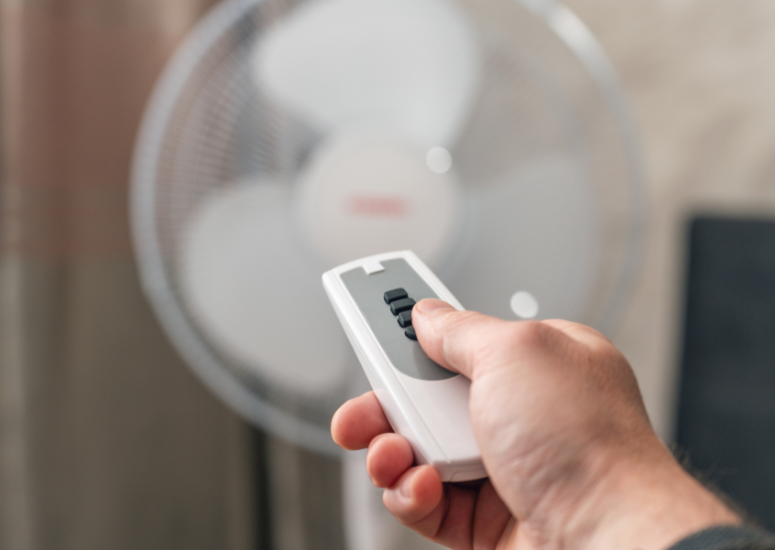
When using an electric fan, Zac said it's better to set it to a low speed to save energy.
"Habang tumataas ang speed (medium o high), mas lumalaki rin ang paggamit ng kuryente. Kung sapat na ang hangin sa low, iyon na po ang mas praktikal gamitin," he said.
But you can also set it to high depending on the weather, as this is still cheaper compared to using air conditioning. "Kahit naka-high speed ang electric fan, mas mababa pa rin ang konsumo nito kumpara sa aircon," he said.
Zac and Duran both emphasized that cleaning the electric fan's blades and grills is important, as it helps the appliance's motor function properly, but Duran advises against cleaning the motor itself.
"Kasi delikado 'pag binuksan ang cover ng motor baka madisgrasya 'yung wiring," he said.
Air conditioner
The summer season is fast approaching, which means you'll be relying more heavily on the AC to stay cool and comfortable. Reynaldo Arceo, a technician from J-VAR Airconditioning and Ref Services, recommends setting your unit to 24°C or 25°C in dry mode for energy-saving efficiency while still bringing comfort.
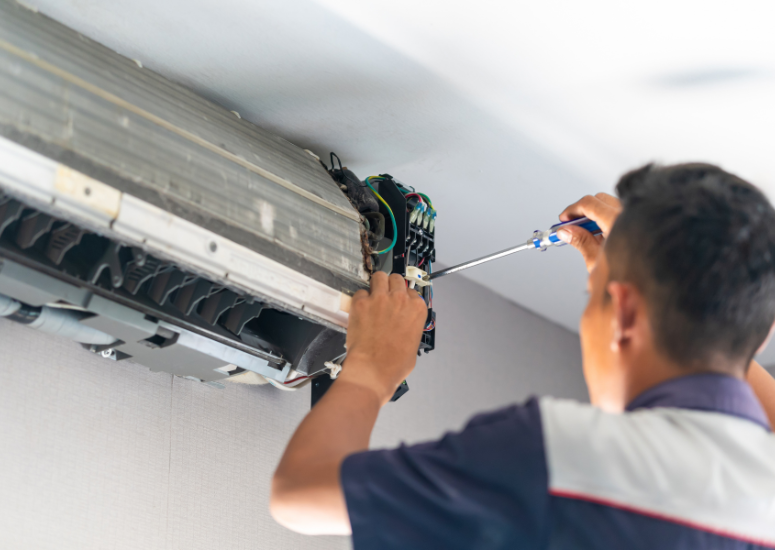
In addition to setting the right temperature, regular maintenance is key. The technician suggests having your air conditioner cleaned and serviced every four to six months to keep it running efficiently. He also recommends unplugging the unit when not in use or using a timer to control when it turns on and off, which saves energy and prevents unnecessary wear.
Light fixtures
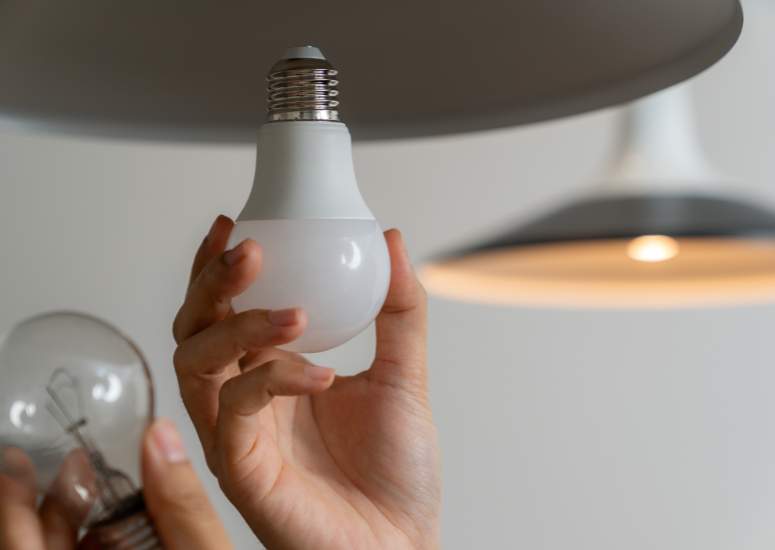 When it comes to light fixtures, Zac suggests using LED bulbs as they're more energy-saving.
Zac and Duran also suggest cleaning your light bulbs to maintain their brightness. Both in homes and offices, Zac recommends using 7 watts to 12 watts as it's enough to brighten the room while still being energy-saving.
They also suggest switching off lights when not in use. However, if you’ll be turning them back on immediately, it’s fine to leave them on.
"Kahit hindi patayin kung saglit lang kasi pagi-o-on ulit, dun papasok ang supply syempre starting ulit. Unlike naka-steady, maintain na 'yung current na dumadaloy," he explained.
Fuel-saving tips
Avoid overfilling the fuel tank
Glenn Boongaling, a car mechanic and owner of an auto shop, said that the one common mistake drivers make is filling the tank to the brim, which can cause fuel overflow.
"Minsan ay nagkakaroon ng overflow na maaaring makaapekto sa EVAP (Evaporative Emission System) ng mga modern vehicles. Kapag naapektuhan ang system na ito, posible na umilaw ang check engine light ng sasakyan," he told L!fe.
Use the correct fuel octane rating
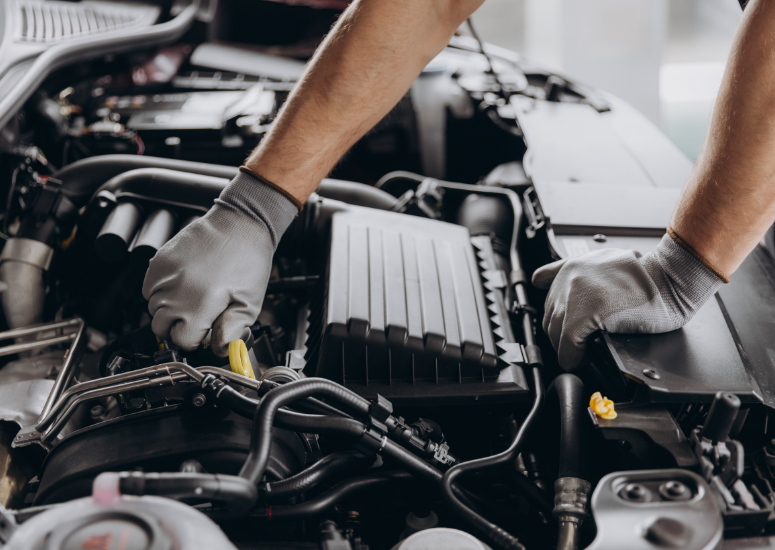
To help extend engine life, drivers should follow the recommended octane rating for their vehicle. He also noted that it's important to keep the fuel and fuel tank clean.
"Dapat ding regular na i-check ang fuel filter para siguradong maayos ang daloy ng gasolina," he added.
Use good-quality fuel
One of the most common engine issues is engine knocking, which can be caused by low-quality fuel. It can also lead to carbon deposits that reduce engine power.
"Kapag nawalan ng hatak ang makina, mapipilitan ang driver na mas apakan ang gas, mas mataas ang fuel consumption," he said, adding that if there's water contamination in the fuel, it can cause corrosion in the engine’s cylinder walls.
Watch for warning signs
Boongaling noted that indicators of fuel-related issues include reduced engine power, unusual engine noise, trouble starting, and increased fuel consumption.