

Buji Babiera keeps the momentum alive for a bike-friendly Philippines
Ambivalence may be the best word to describe the general treatment of the biking scene for many years; not until a global pandemic drastically changed the way people move.
This was how Buji Babiera, biking advocate and founder of First Bike Ride, found his way into cycling. Transitioning from the comfort of driving, Buji was initially doubtful if riding a bike was even possible in Metro Manila. It took a friend’s invitation before he dived into it. Soon, he rode the stretch of Binondo to Pasay, eventually buying a bike of his own.
When Buji came up with First Bike Ride, he had a simple goal: to practice his writing and share photos of his cycling sessions. How the platform evolved was not part of his plan, but through combining great storytelling with an intention to inform, it would later influence policies and decision-makers.
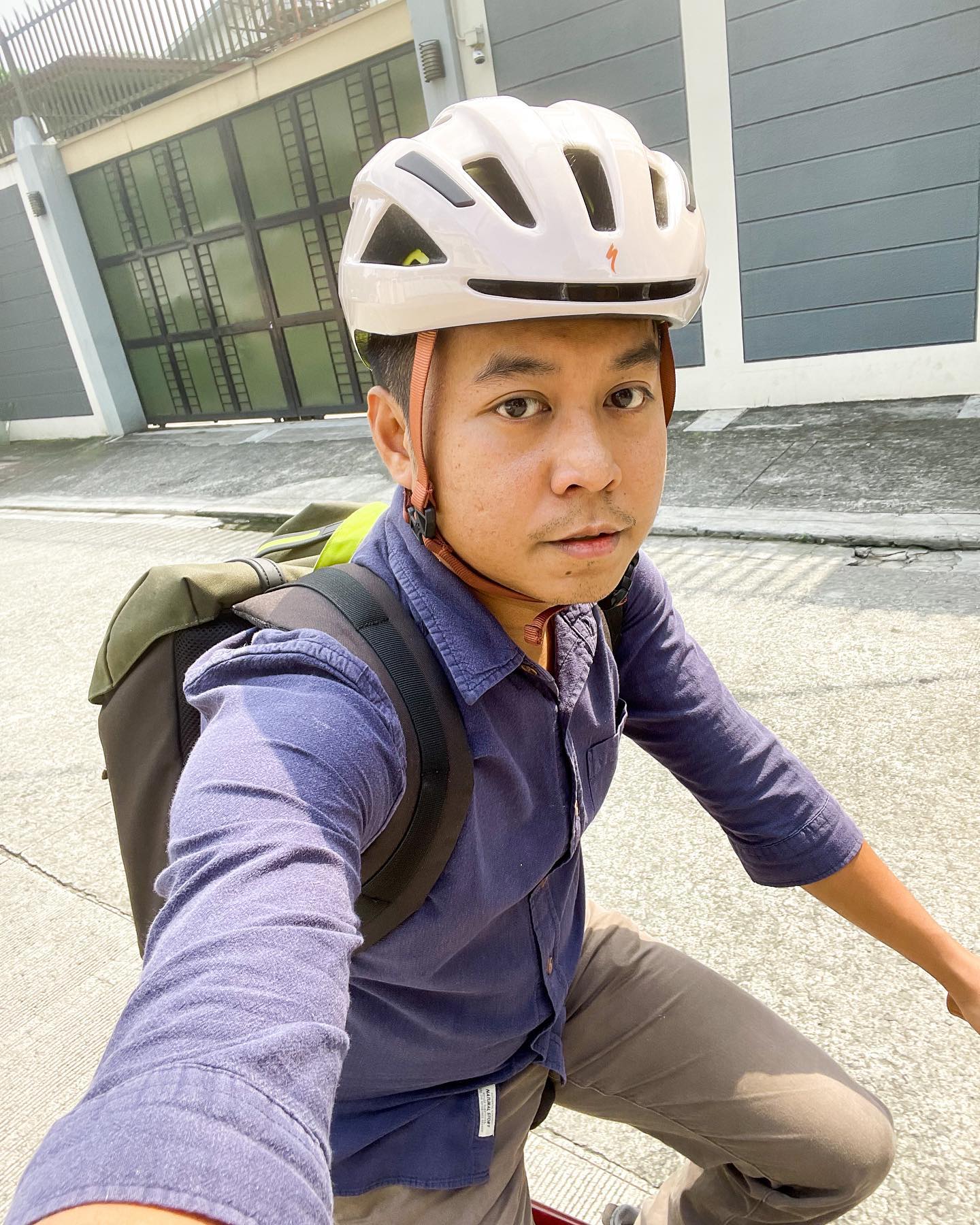
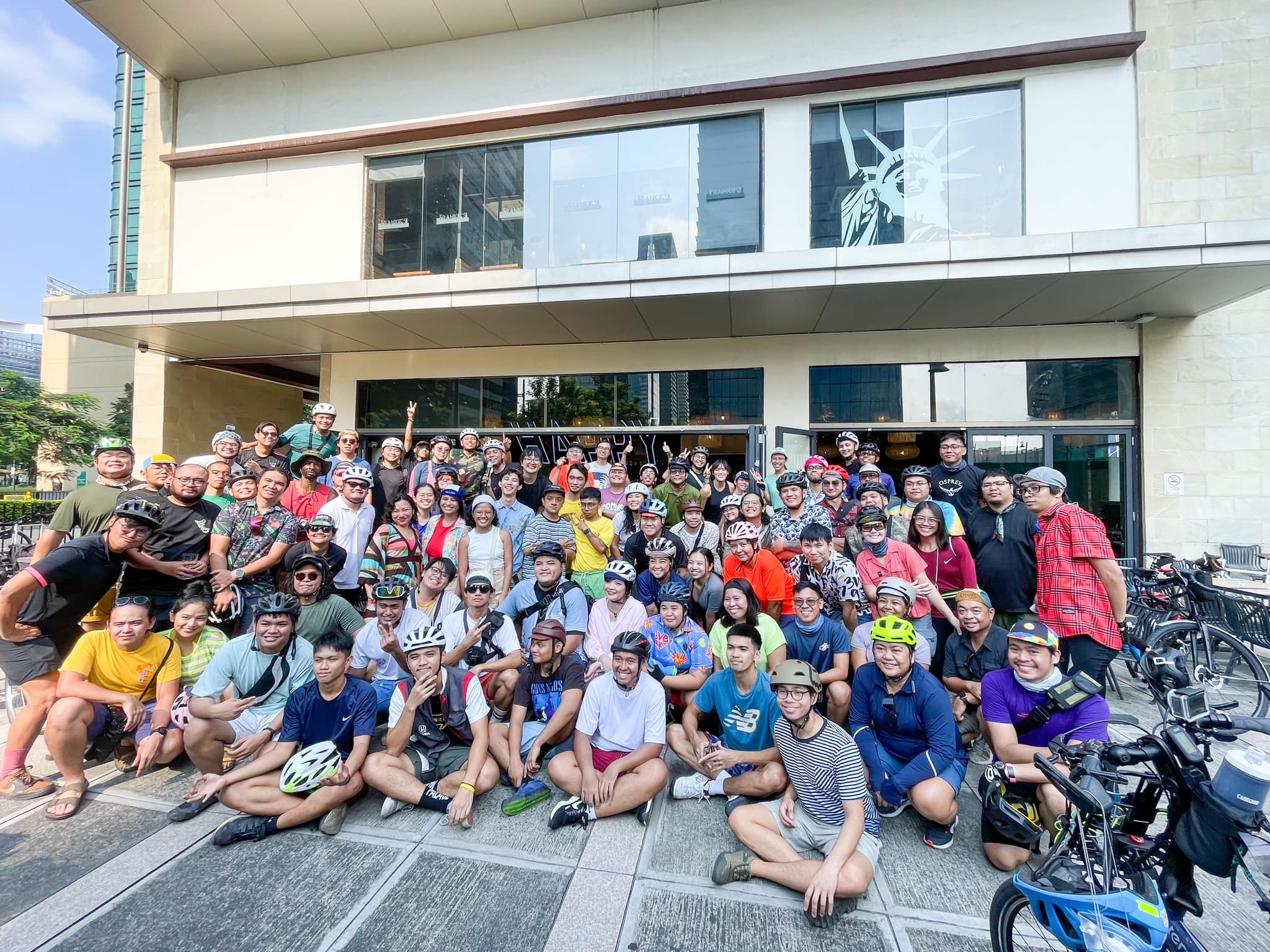
“It was just meant to encourage more people to ride a bike, tapos napunta na ako sa advocacy. And then, LGUs started consulting, even private businesses. Tapos 'yon, biglang boom na siya,” he shares. “Siguro isa sa mga proudest moments ko would be (when) we were able to build this community, a group of like-minded individuals, who share the same thinking about how to make our cities better.”
Buji’s digital storytelling has since evolved into a personal platform. His TikTok account has grown to nearly 4 million followers, and became the nudge for Ayala Avenue to reverse its decision to shut down its bike lanes. When the government fails to protect its people or provide a basic right, it is often private individuals and grassroots institutions who step up.
CONTINUE READING BELOW

The building of infrastructure for vulnerable road users remains slow. Bike lanes in Metro Manila were not introduced until the early 2000s, with Marikina being the first. Their highly recognized bike lane started as a jogging path along the river, then it was adapted to its current form after data showed cyclists were using the same route. Increased movement and usage quickly followed.
It proved that once the government provides the proper infrastructure, the community surrounding it will utilize it. Yet, it took another 10 years before the next biking lane was built in other cities. Active transport was only fully prioritized in 2020, when the lockdowns limited public mobility.
“During the pandemic, it opened their eyes that cycling is possible, (and) cycling should be prioritized. So nagkaroon siya ng peak, like different cities installing protected bike lanes,” Buji recalls. “Siguro when we returned ‘back to normal’, wala eh, unfortunately, in many cities, they started to take back those changes. We've seen different cities taking down bollards, not maintaining the bike lanes, and (removing) the shower facilities.”
Moving away from the four-wheel convenience is not a decision everyone is ready and capable of making. Those who choose not to ride often make a pragmatic decision in fear of their safety.
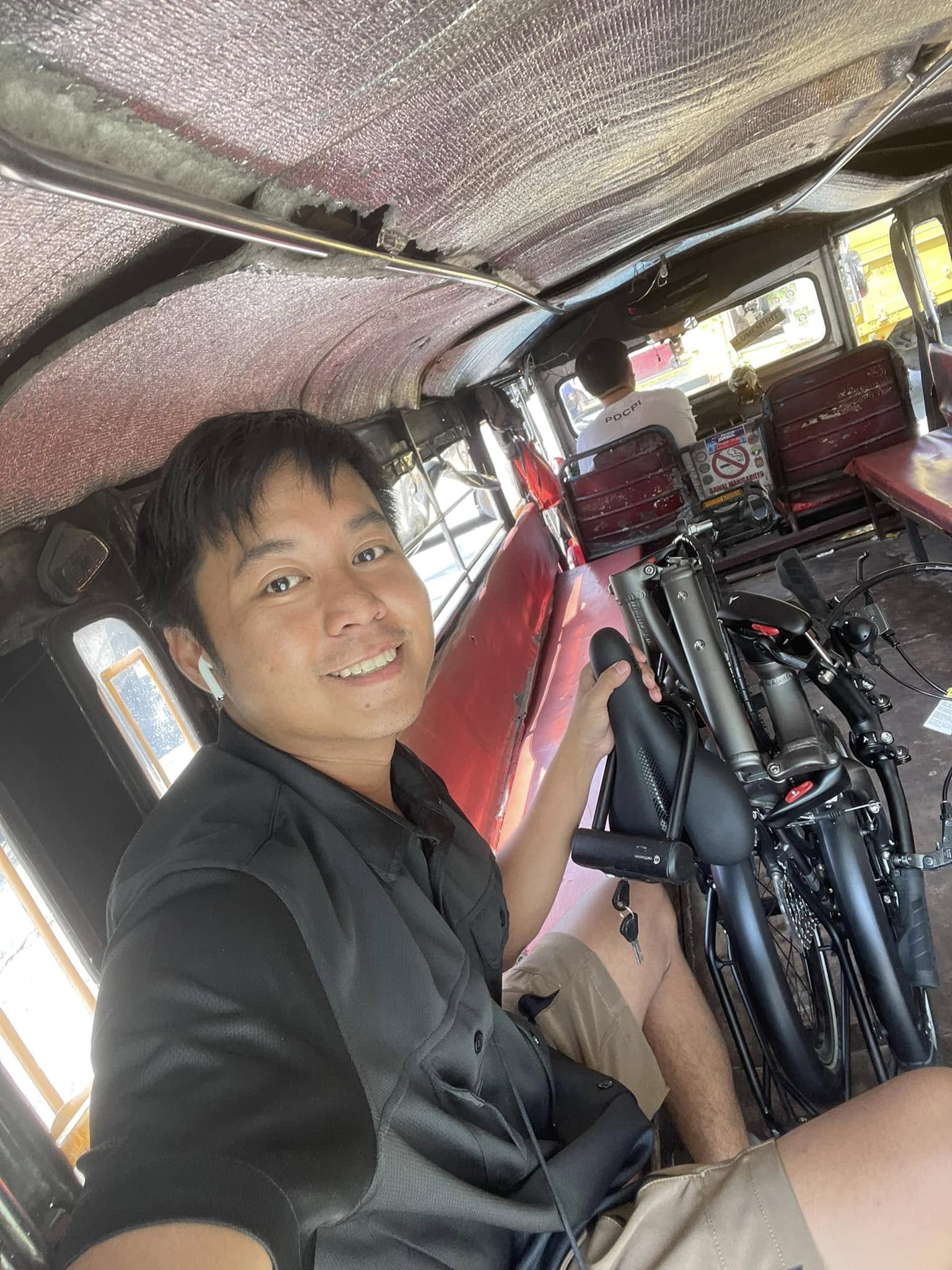
“Kapag may external factors (affecting) your safety, that's when fear really kicks in. 'Yung pagmamano-obra ng bike kasi, kaya mo 'yon eh. It's on you. But getting hit by a car, wala na 'yon sa control mo. So, 'yon talaga (ang) nakakatakot.”
A 2003 study listed the factors behind people’s choice to bike: the presence of a dedicated bicycle facility, particularly a bike lane or separate path, the level of automobile traffic, the pavement or riding surface quality, and the presence of a bicycle facility on a bridge. For daily Filipino commuters who have no choice but to bike, these factors are a matter of life and death. Most are forced to navigate dangerous roads just to get to work.
“Kapag hiniwalay mo 'yung vulnerable users, pedestrians, (and) cyclists do'n sa kalsada kung saan mas mabibilis 'yung mga sasakyan, there is less of a chance that they'll be put into danger, and that would encourage more people to ride a bike.”
Kailangan pa rin may laging lumalaban sa what could be a better and more livable Philippines.
Time and again, failing infrastructure comes with a human cost. Our national roads continue to be tagged as a hostile environment where more than half of all nationwide traffic deaths are classified by the World Health Organization as "vulnerable road users.” Road fatalities have spiked by 39% over the past decade.
Meanwhile, our main thoroughfares remain dense and unmoving. Cyclists can breeze past the gridlock, but with their safety still a point of question and contention. While other countries take pride in their increasing number of people cycling to work, ours continues to lag.
For transport advocates like Buji, the solution begins with a shift in government priorities. “When it comes to the road, dapat ma-realize (ng gobyerno) na 'yung priority should go to the vulnerable sectors, which are people who are walking, on bikes, or are prone to danger.”
Besides protected lanes, Buji stresses the need for interconnectivity. “Kung hindi naman connected 'yung protected bike lanes mo, it's also hard for people to travel.”
He recalls an incident he shared on First Bike Ride, where a man had to travel from Parañaque to Manila to apply for charity. While the distance was physically doable, the lack of connected lanes added an unnecessary and preventable burden to his commute.
Beyond challenging and asking for institutional accountability, Buji also urges us to look at our own motivations.
“Alam ko naman na 'yung mga Pilipino, gets nila eh. For example, we go to places for vacation to relax, and pupunta tayo sa nature, sa beach, sa kalmado—sa mga walang masyadong kotse. And I think when cities started car-free weekends, the majority of people really appreciated it. Pero when they start to get a little bit of inconvenience, do'n na nagkaroon ng pushback.”
Self-interest and personal convenience are natural human instincts, but Buji points out that for those of us who are physically able, we can choose to commute, walk, or cycle to our destinations instead. In turn, we free up road space for vulnerable sectors who actually need motorized transport. This kind of civic courtesy is how we can start moving away from a car-centric mindset.
“'Yung community natin would be better if we prioritize a communal way of living, like public transport and walkable cities. We usually think in an individualistic way. Kasi 'di ba 'pag nagkotse ka, ikaw lang 'yung nasa sasakyan mo. Convenient siya for you, but not really for the whole community.”
If Buji were to describe the current state of cycling in the Philippines, he sees it through the lens of a cycling route: “We had a good, fine start, but now, we're in that kilometer where there are many obstacles. Very hilly and muddy 'yung terrain, but I believe we’ll reach our destination towards our goal of having better and proper cycling (in the) Philippines.”
He remains hopeful that we can move away from a car-centric Philippines. “Kailangan pa rin may laging lumalaban sa what could be a better and more livable Philippines.” His hope remains in the fact that there’s a community that now recognizes and will fight for better and more inclusive mobility in the Philippines.
***
Read cycling stories on First Bike Ride's Facebook page and follow Buji Babiera on TikTok.

WATCH: Do you still believe in marriage? (Generations Ep. 17)
August 19, 2026